
Get practical tips on air conditioner service and maintenance to keep your system efficient, lower costs, and prevent breakdowns for a comfortable home.
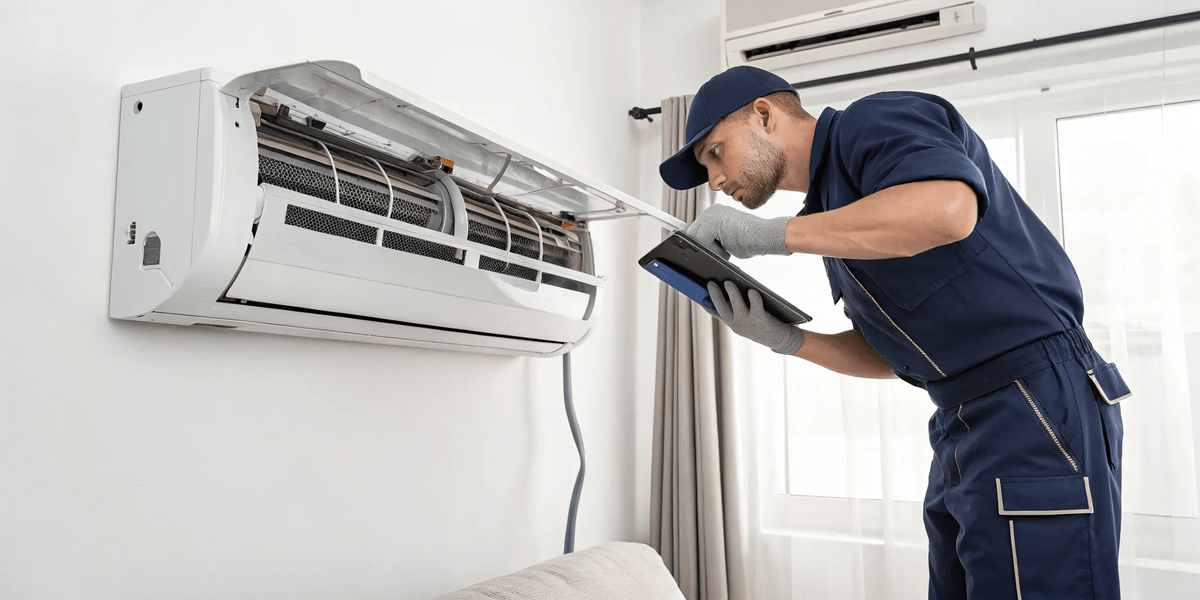
Your Guide to Air Conditioner Service & Maintenance
That strange rattling noise, the weak airflow from your vents, or that musty smell when the AC kicks on are more than just minor annoyances. They are warning signs your air conditioner is sending you, signaling that it needs attention before a small problem becomes a major failure. Learning to recognize these clues is the first step in preventing a stressful and costly breakdown. This guide will help you understand what your AC is trying to tell you and explain why scheduling an air conditioner service and maintenance appointment is the most effective solution to keep your system running quietly and efficiently.
Key Takeaways
- Maintenance is an investment, not an expense: Scheduling regular service is a smart financial move that lowers your energy bills, prevents expensive surprise breakdowns, and keeps your manufacturer's warranty active.
- Your AC gives warning signs for a reason: Pay attention to unusual noises, weak airflow, or strange smells, as these are your system's way of asking for help before a minor issue turns into a major failure.
- Pair simple DIY tasks with professional service: You can help your system by changing filters and clearing the outdoor unit, but leave the technical work like electrical checks and refrigerant handling to a certified professional for safety and effectiveness.
Why Is Regular AC Maintenance So Important?
Let's be honest, scheduling AC maintenance probably isn't at the top of your fun weekend to-do list. But thinking of it as a chore is missing the point. Regular maintenance is one of the smartest things you can do for your home, your wallet, and your peace of mind. It’s about protecting a major investment and ensuring your home stays comfortable when you need it most, especially during those Bay Area heat waves. A little proactive care goes a long way in preventing big, expensive problems down the road. Let's break down exactly why it's so crucial.
Lower Your Energy Bills
An air conditioner that's working hard to overcome dirt and grime is an energy-guzzling machine. Over time, dust and debris build up on coils and filters, forcing your system to run longer and harder to cool your home. Regular AC maintenance ensures all components are clean and running at peak efficiency. A clean system doesn't have to fight so hard, which means it uses less electricity. This directly translates to lower monthly energy bills, making routine service an investment that pays for itself. Think of it as a tune-up that helps your AC sip energy instead of chugging it.
Extend Your System's Lifespan
Your air conditioning system is one of the most expensive appliances in your home, and you want it to last as long as possible. Just like you wouldn't drive your car for years without an oil change, you shouldn't let your AC run without professional attention. Maintenance allows a technician to spot and fix small issues, like a frayed wire or a minor leak, before they snowball into major component failures. Addressing these minor problems early can significantly prolong the life of your unit, helping you avoid costly repairs and the hassle of a premature replacement. It's the best way to protect your investment.
Prevent Unexpected Breakdowns
There’s never a good time for your air conditioner to break down, but it almost always seems to happen during the hottest days of the year. An unexpected failure leaves you scrambling for an emergency HVAC service call while your home gets increasingly uncomfortable. Regular maintenance is your best defense against these surprise breakdowns. During a service visit, a technician inspects, cleans, and tests your system's critical components. This proactive check-up ensures your AC is ready to handle the summer heat, giving you the peace of mind that comes with knowing your system is reliable.
Improve Your Indoor Air Quality
Your HVAC system does more than just cool your home; it also plays a huge role in the quality of the air you breathe. As your AC pulls in air to cool it, it also pulls in dust, pollen, pet dander, and other airborne particles. A dirty filter or grimy internal components can become a breeding ground for mold and bacteria, which then get circulated throughout your home. Regular maintenance, including filter changes and coil cleaning, helps improve your home's indoor air quality. This is especially important for family members with allergies or asthma, ensuring everyone breathes a little easier.
Common AC Maintenance Myths, Busted
When it comes to air conditioning, a little bit of misinformation can lead to big problems. We’ve all heard tips from a well-meaning neighbor or seen a "hack" online that promises to save money. Unfortunately, many of these common beliefs are just plain wrong and can end up costing you more in the long run. Let's clear the air and bust some of the most persistent AC maintenance myths so you can keep your system running smoothly and efficiently.
"My AC only needs service when it's broken."
This is one of the most common and costly misconceptions. Waiting until your AC breaks down to call for help is like waiting for your car’s engine to seize before getting an oil change. The U.S. Department of Energy stresses that routine air conditioner maintenance is essential for efficiency and longevity. Proactive service keeps your system running at peak performance, preventing the kind of wear and tear that leads to expensive, mid-heatwave emergencies. A simple tune-up can catch small issues before they become major failures, saving you from stress and a much larger repair bill.
"Closing vents in unused rooms saves energy."
It seems logical, right? If you’re not using a room, closing the vent should redirect cool air to where you need it and save energy. In reality, this does the opposite. Your HVAC system is designed to work with a specific amount of pressure and airflow. Closing vents disrupts this balance, increasing pressure in your ducts. This can lead to leaks, strain your AC’s blower motor, and actually reduce efficiency. For your system to work correctly, it’s best to keep all your vents open and allow air to circulate as intended.
"A bigger AC unit is always better."
When it comes to air conditioners, bigger is definitely not better. An oversized unit might seem like a powerful solution for hot Bay Area days, but it will cause more problems than it solves. An AC that’s too large for your space will cool the room too quickly and shut off before it has a chance to properly dehumidify the air, leaving you with a cold, clammy feeling. This constant starting and stopping, known as short cycling, also causes excessive wear on components and drives up your energy bills. A properly sized unit installed by a professional is key to comfort and efficiency.
"Changing the filter once a year is fine."
A dirty air filter is your AC system’s worst enemy. Waiting a full year to change it is a recipe for disaster. A clogged filter blocks airflow, forcing your air conditioner to work much harder to cool your home. This not only wastes energy but can also cause dirt and dust to build up on sensitive internal parts, leading to an early system failure. For most homes, filters should be checked monthly and replaced every 1 to 3 months. Doing so is one of the easiest and most effective ways to protect your equipment and improve your indoor air quality.
Your Essential Homeowner AC Maintenance Checklist
Keeping your air conditioner in top shape involves a mix of simple tasks you can do yourself and more complex checks best left to the pros. Think of it as a partnership between you and your HVAC technician. Following this checklist will help you handle the DIY-friendly steps and know when to schedule a professional maintenance visit. A little attention goes a long way in keeping your system running smoothly and efficiently, especially when that Bay Area heat wave hits. This proactive approach not only ensures your comfort but also helps you manage energy costs and prevent surprise breakdowns when you need your AC the most. By taking care of the small things, you empower your technician to focus on the technical aspects that keep your system running for years to come.
Clean or Replace Your Air Filters
This is the single most important maintenance task you can perform for your AC. A dirty, clogged filter restricts airflow, forcing your system to work harder to cool your home. This not only drives up your energy bill but also puts extra strain on components, which can lead to premature failure. Clogged filters also fail to trap dust and allergens, which can affect your home's indoor air quality. Check your filter every month and replace it when it looks dirty, or at least every three months. It’s a simple, five-minute job that prevents a world of problems.
Clean the Evaporator and Condenser Coils
Your AC has two sets of coils that work together to cool your home: the evaporator coil (indoors) and the condenser coil (outdoors). Over time, both can get coated in dust and grime, which insulates them and reduces their ability to transfer heat. While you can gently hose down the outdoor condenser coil (with the power off!), the indoor evaporator coil is much harder to access. Cleaning it properly requires special tools and training to avoid damage, so it’s a task best left for a professional during a routine service call.
Check and Clear Condensate Drains
Your air conditioner doesn't just cool the air; it also removes humidity. This moisture collects and exits through a condensate drain line. If this line gets clogged with algae or debris, the water can back up, potentially causing water damage to your home or triggering an automatic shutdown of your AC system. You can help prevent clogs by pouring a mixture of vinegar and water down the line periodically. However, if you notice water pooling around your indoor unit, it’s time to call for repairs to have the clog professionally cleared.
Check Refrigerant Levels
Refrigerant is the lifeblood of your air conditioner, absorbing heat from inside your home and releasing it outside. If your system is low on refrigerant, it won't cool effectively. It's important to understand that refrigerant isn't "used up" like gas in a car; low levels almost always indicate a leak. Handling refrigerant requires special certification and equipment due to environmental and safety regulations. This is not a DIY job. A certified technician can accurately check the refrigerant charge and safely repair any leaks they find during an HVAC service call.
Inspect Electrical Components
Your AC system relies on a complex network of electrical connections, capacitors, and contactors to run safely and efficiently. Over time, wires can fray, and connections can loosen, creating a safety hazard and impacting performance. During a professional tune-up, a technician will tighten all electrical connections, test voltage and amperage, and check capacitors to ensure they are within the correct specifications. Given the risk of electric shock and potential for serious damage, you should always leave electrical inspections to a trained and certified professional.
Keep the Outdoor Unit Clear of Debris
Your outdoor condenser unit needs plenty of room to breathe. It works by pulling in air to release the heat it has removed from your home. If the unit is crowded by leaves, grass clippings, or overgrown shrubs, it can't work efficiently. This forces the compressor to work harder, using more energy and shortening its lifespan. Make it a habit to clear away any debris from the top and sides of the unit. It’s also a good idea to trim back any plants or bushes to maintain at least two feet of clearance on all sides.
Inspect Ductwork for Leaks
Your ductwork is the circulatory system for your home's conditioned air. If it has leaks, cracks, or poor connections, a significant amount of that cool air can escape into your attic, crawlspace, or walls instead of reaching your living spaces. This not only wastes money but also creates uneven temperatures and can pull dust and pollutants into your home. While you might be able to spot obvious tears, a professional can perform tests to pinpoint hidden leaks. Our duct services can seal these leaks, improving efficiency and comfort throughout your home.
Signs Your Air Conditioner Needs a Service Call
Your air conditioner usually gives you a few warning signs before it completely stops working. Paying attention to these clues can help you catch a small problem before it turns into an expensive, mid-heatwave emergency. If you notice your system acting strangely, it’s probably time to schedule an HVAC service call. Think of it as a check-up for your home’s hardest-working appliance. Ignoring these signs often leads to more significant damage and higher repair bills down the road.
Being proactive is always the best approach. When your AC starts making a new noise or your energy bill suddenly climbs, your system is telling you it needs attention. A professional technician can diagnose the issue correctly and get your system running efficiently again, ensuring your home stays comfortable. Don't wait for a complete breakdown; listen to what your air conditioner is trying to tell you.
Unusual Noises
You know the familiar, gentle hum your air conditioner makes when it’s running. Any deviation from that sound, like grinding, squealing, clanking, or banging, is a clear signal that something is wrong inside the unit. A grinding noise could point to a problem with the motor’s bearings, while a squealing sound often indicates an issue with the belt or motor. Loud clanking or banging might mean a part has come loose, such as a fan blade or compressor.
Ignoring these sounds is never a good idea. They are mechanical cries for help, and continuing to run the unit can cause a minor issue to cascade into a major system failure. Turn off your AC and call for professional repairs to prevent further damage.
Poor Airflow or Uneven Temperatures
If you notice that the air coming from your vents feels weak or that some rooms are much warmer than others, you’re likely dealing with an airflow problem. This is one of the most common signs of an inefficient air conditioner. The issue could be as simple as a clogged air filter that’s restricting air movement. However, it can also point to more serious problems, like a failing fan motor or blockages deep within your ductwork.
Poor airflow forces your system to work harder to cool your home, leading to unnecessary strain and higher energy costs. If changing the filter doesn't solve the problem, it’s time to have a professional inspect your system. They can check for issues with your blower fan and investigate whether your home needs duct services to clear obstructions.
Spiking Energy Bills
Your utility bills can be a great indicator of your AC’s health. If you see a sudden and unexplained spike in your electricity costs during cooling season, your air conditioner is the likely culprit. An inefficient system has to run longer and work harder to maintain the temperature on your thermostat, which directly translates to higher energy consumption. This drop in efficiency can be caused by anything from a refrigerant leak to a worn-out compressor.
Don’t just accept a higher bill as the new normal. It’s a financial red flag that your system needs a tune-up. Investing in professional air conditioning services can restore your unit’s efficiency, lower your bills, and pay for itself in the long run.
Frequent On-and-Off Cycling
Does your air conditioner turn on for a few minutes, shut off, and then turn back on again shortly after? This is known as short cycling, and it’s a serious problem. It prevents your system from properly cooling your home or removing humidity from the air. More importantly, the constant starting and stopping puts immense strain on the compressor, which is one of the most expensive components to replace.
Short cycling can be caused by several issues, including an oversized AC unit, low refrigerant levels, or a dirty air filter causing the system to overheat. Because it accelerates wear and tear, it’s crucial to address the root cause quickly. Regular maintenance can help identify and fix these issues before they lead to premature system failure.
Strange Odors or Visible Leaks
Your AC shouldn’t produce any noticeable smells. A musty or moldy odor suggests that water is accumulating somewhere in the system, leading to mold or mildew growth. A burning smell is an urgent red flag that could indicate an electrical failure or an overheating motor. Similarly, any visible water pooling around your indoor unit is a sign that the condensate drain line is clogged or broken, which can lead to water damage in your home.
These issues not only harm your HVAC system but can also negatively affect your home’s indoor air quality. If you notice strange smells or leaks, turn off the system and call a technician right away to diagnose the problem and ensure your home remains safe and healthy.
How Often Should You Service Your Air Conditioner?
One of the most common questions we get is about how often an air conditioner really needs a professional tune-up. While it’s tempting to wait until something goes wrong, proactive maintenance is the key to a reliable and efficient system. The ideal service schedule for your AC depends on a few things, like the type and age of your unit, how much you use it, and even our local Bay Area climate.
Think of it like a car. You wouldn't wait for the engine to seize before getting an oil change, right? Your AC works hard to keep you comfortable, and regular service ensures it can do its job without any surprises. For most homeowners, a simple, predictable schedule is all it takes to keep everything running smoothly.
Annual vs. Bi-Annual Service
At a minimum, your air conditioner should be serviced once a year. The best time for this is in the spring, before the first heatwave arrives. This allows a technician to clean the unit and fix any small issues before you rely on it daily. However, for optimal performance, we recommend bi-annual service. This is especially true if you have a heat pump that handles both your heating and cooling needs. A bi-annual plan includes a spring visit for your AC and a fall visit for your heater, ensuring you’re prepared for every season. A consistent maintenance schedule is the single best thing you can do for your HVAC system’s health.
Why a Pre-Season Check-Up Is a Smart Move
Scheduling your AC service before the summer season is one of the smartest decisions a homeowner can make. A pre-season check-up helps your system run as efficiently as possible, which directly translates to lower energy bills. More importantly, it catches minor issues before they turn into major breakdowns on the hottest day of the year. Finding a problem in April gives you plenty of time to handle any necessary repairs without the stress of a heatwave. It’s all about peace of mind and preventing an emergency call when technicians are at their busiest. This simple step extends the life of your air conditioner and keeps your home comfortable when you need it most.
How the Bay Area Climate Affects Your Schedule
Living in the Bay Area means dealing with a wide range of microclimates. If you’re in a hotter inland area like Concord or Livermore, your AC likely runs much more than one in a cooler coastal city like Pacifica. For homes in these warmer zones, bi-annual service is highly recommended to handle the extra wear and tear. Another local factor is air quality. During wildfire season, smoke and ash can quickly clog your system’s filters and components, forcing it to work harder. Regular service is crucial for clearing out this debris and protecting your indoor air quality, ensuring your system circulates clean, healthy air throughout your home.
What to Expect from a Professional HVAC Technician
When you schedule a professional service call, you’re investing in your home’s comfort and your system’s long-term health. It’s so much more than just a quick filter change. A certified technician brings years of expertise and specialized tools to perform a thorough inspection and tune-up, ensuring your AC runs smoothly all season long. Knowing what a comprehensive service involves helps you understand the value you're receiving and gives you confidence that your system is in good hands. A pro doesn't just look for what's broken; they look for what could become a problem down the road. This proactive approach is what separates a simple check-up from a true maintenance service. They'll check everything from electrical connections to refrigerant levels, making sure each component works in harmony. From detailed diagnostics using advanced tools to calibrating your system for peak efficiency, a true professional will cover all the bases to keep you cool and prevent surprise breakdowns. Here’s a look at what you should expect when an expert from Ortiz Heating and AC arrives at your door.
Using Thermal Imaging for Diagnosis
A skilled technician goes far beyond a simple visual check. They perform a complete system diagnostic to catch problems before they become expensive headaches. This includes checking refrigerant levels to ensure your system cools effectively and inspecting for any leaks that could compromise performance. They will also measure airflow through the evaporator coil, test electrical components for safety and proper function, oil motors to reduce friction, and check belts for wear and tear. This detailed approach ensures every part of your AC unit is working as it should, giving you peace of mind and reliable performance when you need it most.
Performing Duct Leakage Tests
Your air ducts are the delivery system for cool air, and even small leaks can lead to significant energy loss and uncomfortable hot spots in your home. A professional will inspect your ductwork for leaks that could be hiking up your energy bills. They also pay close attention to the outdoor unit. Over time, the delicate aluminum fins on the condenser coil can get bent from weather or debris, restricting airflow. Your technician can use a special tool called a "fin comb" to carefully straighten them. This simple but crucial step helps your AC work at its best, keeping your home consistently cool and your energy costs down.
Calibrating Your Thermostat and Suggesting Upgrades
Your thermostat is the brain of your cooling system, but if it isn’t calibrated correctly, it can cause your AC to run inefficiently or cycle improperly. A technician will test your thermostat to make sure its temperature readings are accurate and that it’s communicating properly with the air conditioner. If they notice your system is struggling to keep up or is nearing the end of its lifespan, they can also provide honest advice. They may suggest upgrading to a new, energy-efficient model. A modern AC unit can significantly lower your electricity bills and provide more consistent cooling, making it a smart long-term installation.
Tracking Your Maintenance History
A great HVAC company doesn’t just see you as a one-time service call; they see you as a long-term partner in maintaining your home. Your technician will keep a detailed record of every service visit, creating a maintenance history for your specific unit. This log helps them track your system's performance over time, spot recurring issues, and provide more personalized recommendations during future visits. By scheduling annual maintenance, you allow a professional to become familiar with your system’s unique quirks and needs. This ensures it gets the precise care required to operate efficiently and last for years to come.
Simple DIY Tips Between Service Appointments
While professional service is essential, there are a few simple things you can do to keep your air conditioner running smoothly between appointments. Think of it as the daily care that supports the annual check-up from your doctor. These small habits don't require any special tools or technical skills, but they can make a significant impact on your system's efficiency and longevity. By taking a few minutes each month to check on your system, you can help prevent minor issues from becoming major headaches, keep your energy bills in check, and ensure your home stays comfortable. These tips are your first line of defense in maintaining a healthy HVAC system and are a great complement to your scheduled professional maintenance.
Monitor Your Thermostat Settings
Your thermostat is the command center for your home's comfort, and using it wisely can significantly reduce strain on your AC. If you have a programmable thermostat, take advantage of it. Set the temperature a few degrees higher when you're away from home or asleep. This simple adjustment means your AC doesn't have to work as hard when you don't need it, saving energy and reducing wear and tear. The key is consistency. Constantly cranking the temperature down won't cool your home faster; it will just force the system to run longer. Proper air conditioner maintenance and smart thermostat habits work together to keep your system efficient.
Use Ceiling Fans to Reduce AC Strain
Ceiling fans are a fantastic partner for your air conditioner. A fan doesn't lower the room's temperature, but it creates a wind-chill effect that makes you feel cooler. By running your ceiling fans, you can often set your thermostat a few degrees higher without noticing a difference in comfort. This allows your AC to run less frequently, saving electricity and extending the life of the unit. It’s a simple and effective strategy to stay comfortable while giving your air conditioner a much-needed break, especially during those warm Bay Area afternoons. If your system still struggles to keep up, it might be time to look into our air conditioning services.
Keep an Eye on Your Energy Bills
Your monthly energy bill is more than just a number; it’s a report card for your home's efficiency. Make a habit of looking at your electricity usage each month. While some fluctuation with the seasons is normal, a sudden and unexplained spike can be a clear warning sign that your air conditioner is working harder than it should. An inefficient system consumes more power to produce the same amount of cooling. Catching this early can help you identify a problem, like a refrigerant leak or a dirty coil, before it leads to a costly breakdown. If you notice a sharp increase, it’s a good idea to schedule a professional inspection for potential repairs.
Keep the Area Around Your Outdoor Unit Clear
Your outdoor AC unit, the condenser, needs to breathe. Its job is to release the heat collected from inside your home, and it needs clear, unobstructed airflow to do so effectively. Take a walk outside every few weeks and check on it. Clear away any fallen leaves, grass clippings, dirt, or other debris that has collected around the unit. It’s also important to trim back any shrubs, weeds, or branches so there are at least two feet of clear space on all sides. A blocked condenser has to work overtime, which drives up energy costs and can cause the compressor to overheat and fail. Keeping this area clean is one of the easiest ways to support your system's health.
The Real Cost of Skipping AC Maintenance
It’s tempting to put off your annual AC service, especially when everything seems to be working fine. But skipping routine maintenance isn't really saving you money. In fact, it often leads to higher costs, more stress, and a shorter lifespan for your system. Think of it as preventative care for your home’s most important appliance. A small investment now can protect you from major headaches and expenses down the road. When you weigh the minor cost of a tune-up against the potential for emergency repairs and voided warranties, the choice becomes clear. Regular care is the smartest financial decision you can make for your cooling system.
Repair Costs vs. Maintenance Costs
It’s easy to think of AC maintenance as just another expense, but it’s really an investment in your home’s comfort and your wallet. Think of it this way: you can either pay a small, predictable amount for a tune-up, or risk a much larger, unexpected bill when your system breaks down on a hot day. Regular maintenance helps your system run as efficiently as possible, which keeps your energy bills down. More importantly, it allows a technician to spot small issues, like a frayed wire or a minor leak, before they turn into major system failures. As the U.S. Department of Energy points out, this proactive approach not only saves money on electricity and repairs but also significantly extends the life of your air conditioner.
How Neglect Can Void Your Warranty
That manufacturer's warranty on your AC unit offers great peace of mind, but it isn't a blank check. Most warranties come with a condition: you have to prove the system has been properly maintained. If your AC fails and you can't show a record of regular service, the manufacturer can deny your claim, leaving you to foot the entire bill for what could be a very expensive repair. Skipping an annual service call to save a little money could end up costing you thousands if a major component like the compressor fails. It’s a gamble that’s just not worth taking, especially when a simple tune-up protects your investment and keeps your warranty valid for its full term.
How to Choose the Right AC Service Provider
Choosing the right company to service your air conditioner can feel like a big decision, but it doesn’t have to be complicated. When you know what to look for, you can confidently pick a provider who will keep your home comfortable and your system running smoothly. Here are four key things to check before you hire an HVAC professional.
Look for Certifications and Credentials
First things first, check their qualifications. A reputable company will have licensed, insured, and certified technicians. Certifications like Diamond Certified or an A+ rating from the Better Business Bureau (BBB) are strong indicators of a company's commitment to quality and customer satisfaction. This isn't just about paperwork; it means the team has proven expertise and that you're protected in case of any accidents. Don't hesitate to ask a potential provider about their team's training and credentials. A great company will be proud to share its qualifications with you.
Read Customer Reviews and Check Their Reputation
What are other homeowners saying? Customer reviews are your window into a company's real-world performance. Look for a provider with a long history of positive feedback across different platforms. While a perfect five-star rating is rare, you should see consistent themes of professionalism, timeliness, and effective problem-solving. Pay attention to how the company responds to any negative feedback, as this shows their commitment to customer care. A company with a strong, positive reputation has earned the trust of your neighbors, which is a great sign you can trust them, too.
Ask About Maintenance Plans and Guarantees
A great AC service provider is interested in a long-term relationship, not just a one-time fix. Ask if they offer any service guarantees or warranties on their repair work. This shows they stand behind their quality. It's also a smart idea to inquire about their maintenance plans. These programs are designed to keep your system in top shape, often including benefits like priority scheduling and discounts on future repairs. A company that invests in preventative care for its customers is one that truly cares about your system's health and your peace of mind.
Get Transparent Pricing
No one likes surprise fees. Before any work begins, you should receive a clear, detailed estimate that breaks down all the costs. Be wary of companies that give vague quotes over the phone or pressure you into making a quick decision. A trustworthy provider will be happy to inspect your system in person and provide a straightforward price without hidden charges. Look for companies that offer free estimates, as this demonstrates transparency and a customer-first approach from the very beginning. It allows you to understand the scope of the work and budget accordingly without any commitment.
Related Articles
- Importance of Regular Maintenance
- Spring Is Coming! Learn Maintenance Tips For Your HVAC System
- Preventive Measures to Keep Your Residential HVAC System in Good Condition
- Tips for Maximizing HVAC Efficiency and Extending the Lifespan of Your System
- How Regular HVAC Maintenance Can Prevent Costly Repairs
Frequently Asked Questions
How often should I really get my AC serviced? For most homes in the Bay Area, scheduling a professional tune-up once a year is the perfect rhythm. The best time to do this is in the spring, before you start relying on it every day. However, if you have a heat pump that you use for both heating and cooling, or if you live in a hotter inland area, servicing your system twice a year (once in the spring for cooling and once in the fall for heating) is a smart move to keep it in top condition.
Can I just do all the maintenance myself instead of hiring a pro? You can definitely handle some of the most important tasks yourself. Things like changing your air filter every 1 to 3 months and keeping the area around your outdoor unit clear of leaves and debris are fantastic habits. However, a professional service call goes much deeper. A certified technician has the training and tools to safely handle electrical components, check refrigerant levels, and deep clean sensitive internal parts, which are jobs that should not be attempted as a DIY project.
My air conditioner is brand new. Does it still need maintenance? Yes, absolutely. Think of it like a new car; it still needs its first oil change to ensure everything runs smoothly for the long haul. An initial service visit on a new unit confirms that the installation was perfect and that all parts are working efficiently from day one. Most importantly, many manufacturers require proof of annual maintenance to keep your warranty valid, so starting a service history right away protects your investment.
What’s the difference between a maintenance visit and a repair call? The main difference is timing and purpose. A maintenance visit is proactive; it's a scheduled check-up designed to prevent problems, clean the system, and keep it running efficiently. A repair call is reactive; it happens when something has already gone wrong, like your AC is making a strange noise or isn't cooling your home. Regular maintenance is the best way to avoid the stress and expense of unexpected repair calls.
Is a maintenance plan actually worth it? For most homeowners, yes. A maintenance plan turns a variable, and potentially large, repair cost into a predictable, manageable expense. It ensures you don't forget to schedule your annual service, which protects your system's lifespan and efficiency. These plans often come with added benefits, like priority scheduling and discounts on any repairs that might come up, giving you peace of mind that you're covered year-round.