
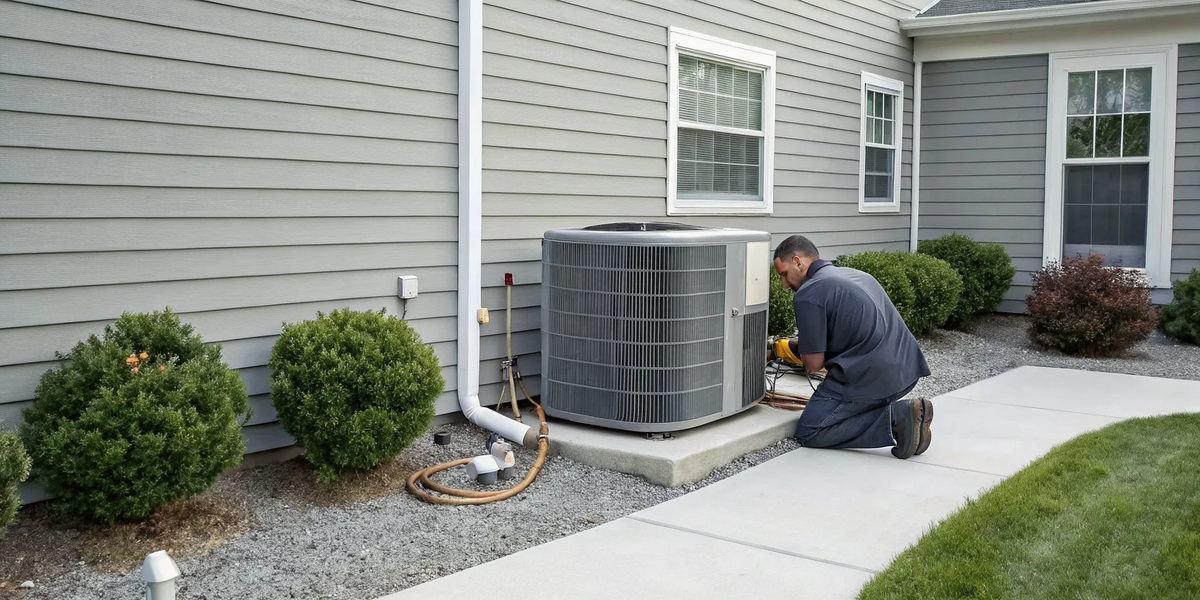
Are you juggling multiple window AC units, dealing with uneven temperatures, and dreading your summer electricity bill? You’re not alone. Many Bay Area homes weren't built with central cooling in mind, but that doesn't mean you have to suffer through the heat. A modern central air system is the ultimate solution for whole-home comfort, efficiency, and quiet operation. This guide is designed to show you exactly how to get there. We’ll cover everything from assessing your home’s readiness to the final steps of a professional residential central air conditioner installation, so you can finally say goodbye to the hassle and hello to consistent comfort.
Key Takeaways
Focus on Fit and Efficiency, Not Just Size: The best central AC is one that's correctly sized for your home using a professional load calculation, not just square footage. Pairing the right size with a high SEER rating ensures your system runs efficiently, controls humidity properly, and saves you money on energy bills.
Trust a Professional for a Safe and Proper Installation: Installing a central AC involves complex electrical work, handling regulated refrigerants, and securing local permits. Hiring a licensed expert guarantees the job is done safely and correctly, protecting your home, validating your warranty, and giving you total peace of mind.
Make Maintenance a Habit to Protect Your Investment: Your AC's performance depends on consistent care. Simple tasks like changing filters and clearing the outdoor unit, combined with an annual professional tune-up, will keep your system running efficiently, extend its lifespan, and help you avoid costly, unexpected breakdowns.
What Is a Central Air Conditioner?
When you think of a central air conditioner, you’re probably picturing a cool, comfortable home on a hot day. And you’re right, but it’s so much more than that. A central AC is a system designed to cool your entire house at once by distributing conditioned air through a network of ducts. Unlike a window unit that only cools a single room, a central system provides consistent comfort everywhere. It also plays a key role in managing your home’s humidity and improving your indoor air quality by filtering out dust and allergens.
Choosing to install a central AC is a big step toward making your home the ultimate retreat from the Bay Area heat. The system works by pulling warm air from inside your home, cooling it over a series of coils, and then sending it back out through your vents. This continuous cycle keeps your home’s temperature steady and pleasant. There are a few different types of systems, and understanding the basics will help you figure out which one is the best fit for your space and needs. Let's look at the most common options you'll encounter.
Split vs. Packaged Systems
The most common setup you'll find in homes is a split system. As the name suggests, it’s split into two main parts: an outdoor unit that houses the compressor and condenser, and an indoor unit with the evaporator coil, which is often connected to your furnace or an air handler. These systems are known for being energy-efficient and are a perfect match for homes that already have a forced-air furnace and ductwork.
A packaged system, on the other hand, contains all the key components in one single cabinet located outside. These are often installed on a concrete slab next to the house or on the roof, making them a great space-saver if you don't have room for a large indoor unit.
The Ductless Mini-Split Option
What if your home doesn't have ductwork? Don't worry, you can still get whole-home cooling with a ductless mini-split system. These systems are a type of heat pump that connects an outdoor unit to one or more indoor units mounted high on the walls or on the ceiling. Each indoor unit can be controlled independently, allowing you to create different temperature zones throughout your house. This is a fantastic, flexible solution for older homes, new additions, or any space where installing traditional ducts isn't practical. While they might look simple, installing them is definitely a job for a professional.
Does Your Home Need Ductwork?
If your home already has a forced-air furnace for heating, you’re in luck. You likely have the ductwork needed for a central air conditioner. A professional technician can assess your current system to make sure the ducts are in good shape and that your furnace’s blower is powerful enough to handle the airflow for both heating and cooling.
If you don't have ducts, it’s not a deal-breaker. In many homes, especially single-story ones, our team can run new ductwork through the attic or crawlspace with minimal disruption. We can then connect them to discreet vents in your ceiling or floor. An expert assessment is the best way to find out what’s possible for your home’s unique layout.
Choosing the Perfect Central AC for Your Home
Picking the right central air conditioner for your home goes beyond just choosing a brand. It’s about finding a system that is perfectly matched to your space, your budget, and your long-term energy goals. A great AC unit should keep you cool and comfortable without wasting energy or breaking down unexpectedly. Making the right choice from the start saves you money and headaches down the road.
So, where do you begin? The process involves three key considerations: getting the size right, understanding energy efficiency ratings, and balancing your budget with a solid warranty. An oversized unit can be just as problematic as an undersized one, leading to wasted energy and poor humidity control. Similarly, a cheap system might cost you more in the long run through higher utility bills. We'll walk through each of these factors to help you feel confident in your decision. A trusted HVAC professional can provide a detailed assessment, but understanding these concepts yourself is the first step toward a successful air conditioning installation.
Getting the Size Right: The Manual J Load Calculation
You might have heard that bigger is better, but that’s definitely not the case with air conditioners. An AC unit that’s too large will cool your home too quickly, shutting off before it has a chance to properly dehumidify the air. This leaves you with a cool but clammy feeling. On the other hand, a unit that’s too small will run constantly without ever reaching your desired temperature.
To find the perfect fit, a professional technician performs what’s called a Manual J load calculation. This isn't a simple guess based on square footage. It’s a detailed analysis that considers your home’s insulation, window types and placement, ceiling height, local climate, and even the number of people living in your home. This calculation determines your home's specific cooling "load," ensuring the system we recommend is sized just right for efficient and effective cooling.
Decoding SEER Ratings for Energy Efficiency
When you start looking at different AC models, you’ll see a SEER rating on every one. SEER stands for Seasonal Energy Efficiency Ratio, and it’s a straightforward way to measure how much cooling an AC unit provides for the amount of energy it consumes. Think of it like miles per gallon for your car: the higher the SEER rating, the more energy-efficient the unit is.
While federal law requires new systems to have a minimum SEER rating, choosing a unit with a higher rating can lead to significant savings on your monthly energy bills. A high-efficiency system may have a higher upfront cost, but the long-term savings often make it a worthwhile investment. Plus, more efficient units tend to run quieter and provide more consistent comfort. Our team can show you the potential energy savings for different air conditioning services and models.
Balancing Your Budget and Warranty
The cost of a new central air conditioner is a major factor for any homeowner. The final price depends on your home’s size, the efficiency of the system you choose, and whether you need new ductwork installed. While it’s tempting to go with the cheapest option, it’s important to think about the total cost of ownership. A less expensive, lower-SEER unit will likely result in higher energy bills for years to come.
A quality warranty provides peace of mind, protecting your investment against unexpected part failures or defects. When you work with us, we’ll help you find a reliable system that fits your budget without sacrificing quality. We provide free, no-obligation estimates for new equipment, so you can explore your options clearly. You can get a quote to see what system would work best for your Bay Area home.
Is Your Home Ready for a Central AC Installation?
Adding central air conditioning is an exciting upgrade, but it’s about more than just picking out a new unit. Your home needs to be properly prepared to support the system so it can run efficiently and safely for years to come. Before you move forward, it’s a good idea to get a clear picture of what your property needs. A professional assessment is the best way to understand your home's specific requirements.
We’ll walk through three key areas that need to be evaluated: your existing ductwork, your electrical panel’s capacity, and local building codes. Thinking about these elements ahead of time helps prevent surprise costs and ensures your installation goes smoothly. When your home is truly ready, your new AC system can deliver the reliable comfort you expect without putting a strain on your home’s infrastructure or your energy bills.
Checking Your Existing Ductwork
If your home already has a forced-air furnace, you’re in a great starting position because you have a network of ducts. However, that ductwork needs a thorough inspection before it can be used for central air. Over time, ducts can develop leaks, come apart at the seams, or collect debris, all of which leads to wasted energy and poor airflow. A professional will need to check if your ducts are properly sealed and insulated. They’ll also confirm if your furnace’s blower is strong enough to push cool air throughout your entire home. Our team offers comprehensive duct services to make sure your system is airtight and ready for an AC connection.
Does Your Electrical System Measure Up?
Central air conditioners are powerful appliances that draw a significant amount of electricity. To handle this, they require their own dedicated high-voltage circuit, typically 240 volts. Many older homes in the Bay Area have electrical panels that weren't designed to support this kind of modern electrical load. During an initial assessment, a technician will check your main electrical panel to see if it has enough capacity. If not, you may need to plan for an upgrade to prevent tripped breakers or more serious electrical hazards. This is a critical safety step that ensures your new system operates reliably without overloading your home’s wiring.
Don't Forget Permits and Building Codes
In the San Francisco Bay Area, installing a new central air conditioning system isn't a project you can just start on a whim. Most HVAC installations, including adding or replacing a central AC, require a permit from your local city or county. This process isn't meant to be a headache; it’s in place to ensure the work is performed safely and meets all current building codes and energy efficiency standards. An experienced, licensed contractor will know exactly what permits are needed and will handle the application and inspection process for you. Working with a certified team ensures every part of your installation is done by the book, giving you total peace of mind.
A Look at the Installation Process, Step by Step
Once you’ve chosen the right central air conditioner, the next phase is the installation. While it might seem like a huge undertaking, a professional team can make the process smooth and efficient. Understanding the steps involved can help you know what to expect when the technicians arrive at your door. Although every home in the Bay Area presents its own unique layout and challenges, a standard professional installation follows a proven sequence to ensure your system runs perfectly from day one.
From the initial home assessment to the final system test, each step is designed to maximize your new AC’s performance and lifespan. This process involves careful planning, precise placement of equipment, skilled electrical work, and meticulous testing. It’s a complex job that requires specialized tools and a deep understanding of HVAC systems, which is why leaving it to certified professionals is always the best course of action. A qualified technician ensures everything is done according to local building codes and manufacturer specifications. If you're ready to get started, you can get a quote to begin the assessment process.
Step 1: Assessing Your Home and Prepping the Site
The first step is a thorough evaluation of your home. A technician will visit to confirm the details from the initial load calculation, checking your home’s age, insulation levels, and window quality. If you have existing ductwork, this is the perfect time for a detailed inspection. We’ll check for leaks, damage, or poor connections, as these issues can waste a significant amount of cooled air and drive up your energy bills. If we find any problems, we can perform the necessary duct services to get them in top shape. This initial assessment ensures the installation plan is perfectly tailored to your home’s specific needs.
Step 2: Placing the Indoor and Outdoor Units
With the assessment complete, it’s time to place the main components. The outdoor condenser unit needs a spot with plenty of airflow, so it’s typically placed on a flat, level pad in a shaded area away from dense vegetation or walls. This clearance helps the unit disperse heat effectively. The indoor unit, or air handler, is usually installed in a utility closet, basement, or attic. Our team will find the ideal location for both units to ensure they operate efficiently and quietly, integrating seamlessly into your home’s layout while providing easy access for future maintenance.
Step 3: Hooking Up Ductwork and Electrical
Next, we connect everything. This involves running a set of copper refrigerant lines between the indoor and outdoor units. If you have ductwork, we’ll connect the new air handler to your existing system, making sure every connection is sealed tightly to prevent air leaks. This is also when the critical electrical work happens. A dedicated high-voltage circuit is run from your main electrical panel to power the outdoor unit. This step requires a licensed professional to ensure it’s done safely and meets all electrical codes, which is a key part of our comprehensive air conditioning services.
Step 4: Charging and Testing the System
The final step is to charge and test the system. Before adding refrigerant, we pressurize the lines with nitrogen to check for any leaks. Then, we use a powerful vacuum pump to remove all air and moisture from the lines, which is crucial for the system's efficiency and longevity. Once the lines are clear, we charge the system with the precise amount of refrigerant specified by the manufacturer. Finally, we turn on your new AC, check that cool air is flowing from the vents, and verify that the thermostat is communicating correctly. This final check ensures everything is working perfectly before we consider the job done.
Breaking Down the Cost of Central AC Installation
Let’s talk about one of the biggest questions on every homeowner's mind: How much will this cost? Installing a new central air conditioner is a significant home improvement, and the final price tag depends on several moving parts. The total cost includes not just the air conditioning unit itself, but also the professional labor required to get it running perfectly in your home.
Because every home in the Bay Area is unique, from its size and layout to its existing ductwork, there’s no single, flat price for installation. The best way to get a clear picture of the investment for your specific situation is to get a professional estimate. We can walk you through the options and provide a detailed quote tailored to your home's needs.
How System Type Affects the Price Tag
The type of system you choose is the biggest factor in the overall cost. A traditional central air conditioner, which is great for homes in warmer climates, typically has a different price point than a ductless mini-split system. Mini-splits are fantastic for homes without existing ductwork or for zoning specific rooms. Another popular option is an air-source heat pump, which is incredibly energy-efficient for our mild Bay Area winters and can both heat and cool your home. While some systems have a higher initial cost, they often provide long-term savings. We can help you compare the benefits of each system to find the right fit for your home and budget.
Other Factors That Influence Your Final Cost
Beyond the AC unit itself, several other elements will shape your final quote. The size of your home is a major one, as it determines the cooling capacity you’ll need. The energy efficiency of the unit, measured by its SEER rating, also plays a role. The condition of your home’s existing ductwork is another key consideration. If your ducts are old, leaky, or improperly sized for a new system, they may need repairs or even a full replacement to ensure your new AC runs efficiently. All of these details are assessed during an in-home evaluation to make sure your new system performs at its best from day one.
Is a Higher Upfront Cost Worth It?
It can be tempting to choose the unit with the lowest price tag, but it’s important to think about the long-term costs. A key factor here is the SEER (Seasonal Energy Efficiency Ratio) rating. The higher the SEER rating, the less energy the unit uses to cool your home. While a high-efficiency unit with a SEER rating of 20 or more might cost more upfront, it can lead to significant savings on your monthly utility bills. Over the lifespan of the system, these energy savings can easily offset the initial price difference. When you get a free estimate with us, we can show you the potential long-term savings of different models.
DIY vs. Pro Installation: Which Is Right for You?
Deciding between a DIY project and hiring a professional is a big part of any home upgrade, and central air installation is no exception. While the satisfaction of a DIY job is tempting, this is one area where the risks can quickly outweigh the rewards. Let's walk through the considerations so you can make the best choice for your home and your family.
The Case for (and Against) a DIY Install
I love a good DIY project, and the idea of installing your own central air might seem like a great way to save money. While it's a massive job, it is technically possible for a very experienced homeowner. However, the challenges are significant. If your home doesn't have existing ductwork, you'll have to add it. The biggest roadblock is handling refrigerant, which is required to charge the new unit. This isn't just complicated; it's dangerous and requires a special EPA certification to handle legally. For safety and compliance reasons, this part of the job is best left to a certified pro.
Why We Recommend a Professional Installer
Given the complexities, we always recommend a professional installation. Installing central AC involves intricate electrical work, handling specialized chemicals, and a precise setup to ensure peak efficiency. A licensed technician makes sure everything is done safely and up to local building codes, protecting your home and your investment. We can also spot and address issues with your existing systems that might affect performance. It’s about giving you the peace of mind that the job is done right the first time, so you can simply relax and enjoy the cool air without worry.
How to Choose a Trusted HVAC Contractor
When you're ready to hire a professional, the key is to find a contractor you can trust. Start by getting estimates from a few local companies. A reputable contractor will provide a detailed breakdown of costs for equipment, labor, and any necessary permits. Look for a company with a proven track record, great reviews, and proper certifications, like our Diamond Certified and BBB ratings. We’re proud to offer a free, no-obligation quote for new installations to help you make an informed and confident decision for your home.
Common Central AC Installation Mistakes to Avoid
A new central air conditioner is a significant investment in your home's comfort. To get the most out of it, you'll want to make sure the installation is done right from the start. Unfortunately, a few common missteps can lead to inefficiency, premature wear, and extra costs down the road. Being aware of these potential pitfalls is the first step toward a successful installation. A professional installer will guide you past these issues, but knowing what to look for helps you make informed decisions and ensures you get a system that serves you well for years to come.
Choosing the Wrong Size Unit
When it comes to air conditioners, bigger isn't always better. An oversized unit will cool your home too quickly, leading to short, frequent cycles. This constant starting and stopping is inefficient, puts extra wear on the system, and doesn't give the AC enough time to properly dehumidify the air, leaving you feeling cool but clammy. On the other hand, an undersized unit will run constantly without ever reaching the desired temperature. A professional technician will perform a "Manual J load calculation" to determine the perfect size for your home, considering factors like square footage, insulation, window types, and local climate. This ensures your air conditioning services result in an efficient, effective system.
Forgetting to Inspect and Seal Ducts
If your home already has ductwork, it’s tempting to assume it’s ready for a new AC unit. However, existing ducts can have leaks, gaps, or damage you can't see. Leaky ducts are a major source of energy waste, allowing precious cool air to escape into your attic or crawl spaces. They can also pull dust, insulation fibers, and other contaminants into your home's air supply. Before connecting a new system, it's essential to have your ducts inspected. A professional can identify and fix any issues, sealing connections with mastic and specialized tape to ensure your new AC operates at peak efficiency. Our duct services can help restore your system's integrity for optimal performance.
Overlooking Local Permit Requirements
Many homeowners don't realize that installing or replacing a central air conditioner requires a permit from your local city or county. This isn't just bureaucratic red tape; it's a measure to ensure the work is done safely and up to current building codes. Skipping the permit process can lead to fines, trouble passing a home inspection if you decide to sell, and even potential safety hazards from improper electrical work. A reputable, licensed contractor will know exactly what permits are needed for your project in the Bay Area and will handle the entire application and inspection process for you. Our team has over 25 years of experience working with local regulations, giving you complete peace of mind.
Having No Plan for Future Maintenance
The installation of your new AC is just the beginning of its life in your home. To keep it running efficiently and extend its lifespan, you need a plan for regular upkeep. Forgetting about maintenance can lead to decreased performance, higher energy bills, and a greater likelihood of unexpected breakdowns. While you can handle simple tasks like changing the air filter every few months, your system needs an annual check-up from a qualified technician. A professional can clean the coils, check refrigerant levels, and catch small issues before they become major problems. Scheduling routine HVAC maintenance is the best way to protect your investment and ensure reliable comfort season after season.
Keeping Your New Central AC in Top Shape
Getting a new central air conditioner installed is a fantastic upgrade for your home, but the work doesn’t stop once the technicians leave. To get the most out of your investment, a little regular care is essential. Consistent upkeep helps your system run efficiently, keeps your energy bills in check, and can prevent small issues from turning into major, expensive headaches. Think of it as simple preventative care for one of your home’s most important systems. By following a few key steps, you can ensure your AC keeps you cool and comfortable for years to come.
Keep Your Air Filters Clean
Your AC’s air filter is its first line of defense, trapping dust, pollen, and other particles before they can get into the system or your home’s air. A clogged filter is a big problem. Waiting a full year to replace it can seriously reduce airflow, put extra strain on your system, and harm your home's indoor air quality. We recommend checking your filter once a month. If it looks dirty, change it. A good rule of thumb is to replace it every 1 to 3 months, but you may need to do it more often if you have pets, live with allergies, or during times of poor outdoor air quality.
Clear Debris from the Outdoor Unit
Your system’s outdoor unit, the condenser, needs to breathe. It works by pulling in air to release the heat it has removed from your home. If it’s blocked by leaves, dirt, or overgrown plants, it can’t do its job efficiently. Make it a habit to keep the area around your outdoor unit clear of leaves and dirt to ensure it performs at its best. Try to maintain at least two feet of clear space on all sides. You can gently rinse the unit’s fins with a garden hose (never a pressure washer) to remove built-up grime, helping your air conditioning services run smoothly all summer.
Know the Warning Signs of a Problem
Your air conditioner will often tell you when something is wrong, you just have to know what to look and listen for. If you notice inconsistent cooling, strange grinding or squealing noises, or musty smells coming from your vents, it’s time to call a professional. Other red flags include a sudden spike in your energy bills or your unit turning on and off more frequently than usual. Ignoring these signs can lead to more significant damage. If you spot any of these issues, it’s best to schedule a service call. Our team can diagnose the problem and provide a clear quote for any necessary repairs.
Schedule Your Annual Maintenance Check-Up
The single most effective thing you can do for your central AC is to schedule a professional tune-up every year, ideally in the spring before the cooling season begins. Regular maintenance is crucial. During a visit, a certified technician will perform a comprehensive inspection, clean critical components like the coils, check refrigerant levels, and test electrical connections. This ensures your system operates at peak efficiency and allows a professional to catch and fix potential issues early. An annual check-up is a small investment that protects your system, validates your warranty, and provides peace of mind.
Related Articles
Spring Is Coming! Learn Maintenance Tips For Your HVAC System
Key Factors to Consider When Installing a Ductless HVAC System
Frequently Asked Questions
How long does a typical central AC installation take? The timeline really depends on the scope of the project. If you're simply replacing an existing central air system, a professional team can often complete the job in a single day. However, if your home needs new ductwork installed, the process could take several days. A thorough in-home assessment is the best way to get a clear and accurate timeline for your specific installation.
My house is older and doesn't have ducts. What are my options for central cooling? You have a couple of excellent options. First, it's often possible to add new ductwork to an existing home, especially if you have an accessible attic or crawlspace. A professional can design a system that is minimally disruptive. Your second option is a ductless mini-split system, which uses individual indoor units to cool different zones in your house without needing any ducts at all. Both are great solutions for bringing modern comfort to an older home.
What's the real-world difference between a standard SEER rating and a high-efficiency one? Think of a SEER rating like a car's miles per gallon. A higher SEER rating means the air conditioner provides more cooling for each unit of electricity it uses. While a high-efficiency unit may have a higher purchase price, it can lead to noticeable savings on your monthly energy bills. Over the system's lifespan, those savings can easily add up and offset the initial investment, making it a very smart financial choice.
I'm pretty handy. Can I do some of the installation work myself to save money? While I admire the DIY spirit, installing a central air conditioner is one job we strongly recommend leaving to a certified professional. The process involves complex high-voltage electrical work and, most importantly, handling chemical refrigerants. Legally, you need an EPA certification to handle refrigerant, and doing it incorrectly is both dangerous and harmful to the environment. Hiring a pro ensures the job is done safely, correctly, and up to code.
Besides changing the filter, what maintenance does my new AC actually need? Changing your air filter every 1 to 3 months is the most important task you can do yourself. Beyond that, your system needs an annual professional tune-up, ideally in the spring. During this service, a technician will perform a deep clean of the indoor and outdoor coils, check refrigerant levels, test electrical connections, and make sure all moving parts are in good shape. This yearly check-up is the key to keeping your system running efficiently and catching small problems before they become big ones.