
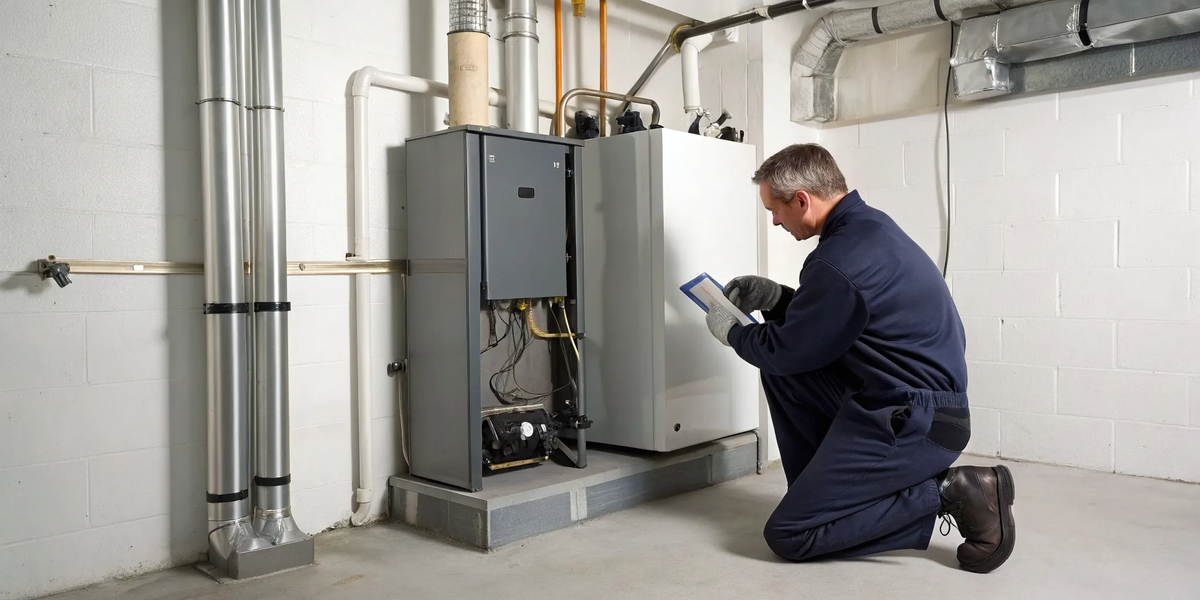
Every homeowner faces a choice: be proactive or be reactive. You can either schedule a routine furnace check-up during the off-season or wait and risk a frantic, expensive emergency call when your heat gives out on the coldest night of the year. The yearly furnace maintenance cost is a small, predictable expense that puts you in control. It’s an investment in preventing problems before they start. This approach is always more affordable and far less stressful than dealing with a sudden system failure. Here, we’ll explore how this planned expense protects you from much larger, unexpected repair bills and keeps your system running smoothly for years to come.
Key Takeaways
Prioritize annual maintenance to save money and stress: A yearly tune-up lowers energy bills, prevents costly surprise repairs, and extends the life of your furnace. It's a small investment that also keeps your manufacturer's warranty valid.
Understand what a fair price includes: A standard furnace tune-up costs between $70 and $200 for a complete safety and performance inspection. Be cautious of ultra-low prices, which are often a tactic for upselling you on services you don't need.
Pair professional service with simple home care: Schedule your professional furnace inspection once a year, preferably during the off-season like spring or fall. In between visits, change your air filter every 1 to 3 months to support system efficiency and air quality.
How Much Does Yearly Furnace Maintenance Cost?
When you’re planning your home budget, it’s smart to include yearly furnace maintenance. This proactive step is one of the best ways to keep your heating system running smoothly and efficiently, especially before the Bay Area chill sets in. The cost can vary, but understanding the typical price range and what you get for your money helps you make a confident choice. Think of it not as a cost, but as an investment in your home's comfort, safety, and long-term health. Regular tune-ups prevent small issues from turning into major, expensive headaches down the line.
Breaking Down the Price Range
For a standard, one-time furnace tune-up, you can generally expect to pay between $70 and $200. The national average hovers around $130, but this can shift based on your location and the specifics of your system. Some companies offer annual maintenance plans, which might range from $200 to $400 per year and often include additional perks like priority service or discounts on repairs. The key is to find a service that offers a comprehensive check-up at a transparent price, ensuring you get real value and peace of mind.
Are Annual Maintenance Plans Worth It?
In almost every case, yes. An annual maintenance plan is like a subscription to keep your furnace in top shape. Instead of remembering to book a one-off appointment, the service is scheduled for you. These plans often save you money in the long run by catching potential problems early, before they lead to a system failure on a cold night. Regular professional care helps your furnace run more efficiently, which can lower your energy bills. Plus, many HVAC companies, including ours, offer maintenance agreements that provide benefits like priority scheduling and discounts, making it a smart and convenient choice for any homeowner.
Spotting Red Flags in Low-Priced Offers
If you see an ad for a furnace inspection for a price that seems too good to be true, like $29 or $59, it’s wise to be cautious. These ultra-low prices are often a bait-and-switch tactic used by less reputable companies to get a technician into your home. Once there, they may find non-existent problems and pressure you into authorizing expensive repairs you don't actually need. A legitimate, comprehensive furnace tune-up has real value and costs accordingly. Always choose a company with a strong reputation, clear pricing, and a detailed explanation of what’s included in the service.ncomfort.com/blog/do-i-really-need-yearly-furnace-maintenance/">foot-in-the-door tactic. Some companies use these offers to get into your home and then find "problems" that lead to expensive and often unnecessary repairs. A thorough, professional furnace tune-up requires time and skill from a certified technician. Reputable companies will be upfront about their pricing for a comprehensive service, rather than luring you in with a lowball offer that comes with hidden costs.
What's Included in a Furnace Tune-Up?
When you schedule a furnace tune-up, you’re getting much more than a quick glance at your system. A professional maintenance visit is a thorough, multi-point inspection designed to keep your furnace running safely and efficiently. Think of it as an annual physical for one of your home’s most important appliances. During the service, a certified technician will systematically check, clean, and test dozens of components to catch small issues before they turn into major, expensive problems.
This comprehensive process covers everything from critical safety checks to performance-optimizing adjustments. A technician will inspect the venting system for dangerous leaks, clean essential parts like the burner and flame sensor, test all safety controls, and tighten electrical connections. They’ll also assess the system’s airflow to ensure warm air is circulating effectively throughout your home. A proper furnace maintenance service is the key to a reliable heating system, lower energy bills, and peace of mind all winter long. It ensures every part of your furnace is working together just as it should.
Inspecting the Venting System
One of the most critical parts of any furnace tune-up is inspecting the venting system. Your furnace produces exhaust gases during combustion, including potentially deadly carbon monoxide. The venting system, or flue pipe, is responsible for safely directing these gases out of your home. A technician will carefully check this system for any blockages, corrosion, or leaks that could cause a backdraft of harmful fumes. This step is non-negotiable for your family’s safety. A properly functioning vent ensures your HVAC heating system operates safely, protecting you from the silent threat of carbon monoxide.
Cleaning and Checking the Burner
For your furnace to generate heat efficiently, the burner must be clean and in good condition. Over a season of use, dust and debris can accumulate on the burner and ignition assembly, leading to incomplete combustion. This not only reduces your furnace's efficiency but can also create soot and other byproducts that damage internal components. During a tune-up, a technician will clean the burners and flame sensor, ensuring a clean, strong flame. This simple cleaning helps your furnace produce heat more effectively, which can lead to more consistent comfort and lower fuel consumption.
Testing All Safety Components
Every furnace is equipped with several safety controls designed to shut the system down if a dangerous condition arises. These are your furnace’s built-in fail-safes, and it’s vital to know they’re working correctly. A technician will test key safety features like the high-limit switch, which prevents the furnace from overheating, as well as the pressure switch and rollout switches. By testing these components, the technician confirms that your furnace will operate safely and shut off automatically if a problem is detected. If any of these controls fail the test, prompt furnace repairs are needed to keep your home safe.
Securing Electrical Connections
Your furnace relies on a series of electrical connections to operate, from the thermostat to the blower motor and ignition system. Over time, the normal vibrations of the unit can cause these connections to loosen. A loose wire might seem like a small issue, but it can cause a short circuit, lead to a complete system shutdown, or even create a fire hazard. As part of a comprehensive tune-up, a technician will inspect all electrical wiring and tighten any loose connections. This preventative step ensures your furnace runs reliably and safely, preventing unexpected breakdowns on a cold night.
Assessing System Airflow
Proper airflow is essential for both your furnace’s efficiency and your home’s comfort. If air can’t move freely through the system, your furnace has to work much harder to heat your home, leading to wasted energy and increased wear and tear. During a maintenance visit, a technician will inspect the blower motor and fan components, cleaning them as needed. They will also check your air filter and let you know if it needs to be replaced. A clean filter and a well-maintained blower assembly improve your indoor air quality and ensure warm air is distributed evenly throughout your home.
What Affects the Price of Furnace Maintenance?
When you budget for furnace maintenance, it helps to know that the final cost isn't a fixed number. Several factors influence the price, from the type of furnace you own to the time of year you schedule your appointment. Understanding these variables will help you get a clearer picture of what to expect and why the price can differ from one home to the next.
Your Furnace Type (Gas, Electric, or Oil)
The kind of furnace warming your home is a primary factor in your maintenance cost. Electric furnaces, with their simpler design and fewer moving parts, are typically the most straightforward and economical to service. Gas furnaces fall in the middle; they require specific checks on burners and gas lines to ensure safety and efficiency. Oil furnaces often have the highest maintenance cost. They require more intensive cleaning to deal with the soot and residue that can build up, which means the service call is more involved. No matter your system, our team is equipped to handle all types of HVAC heating.
The Age and Condition of Your Unit
Just like any hardworking appliance, a furnace's age and overall condition play a big role in its maintenance needs. A newer furnace that has been regularly serviced might only need a basic tune-up to confirm everything is running smoothly. However, an older unit or one that has been neglected may require a more detailed inspection to identify worn-out parts and potential failures. Addressing these small issues during a maintenance visit is always better than waiting for a complete breakdown on a cold night. A thorough check on an older system helps ensure it runs safely and reliably.
Local Rates and Seasonal Demand
The simple rule of supply and demand applies to HVAC services, too. Most people think about their furnace only when the cold weather hits, which means demand for technicians skyrockets in the late fall and winter. This high demand can lead to higher prices and longer wait times. If you want to find more flexible appointment slots and potentially better pricing, the best strategy is to schedule your furnace maintenance during the off-season, like in the spring or early fall. Planning ahead is the easiest way to ensure your system is ready before you need it, without the seasonal rush.
The Scope of the Service
Not all maintenance visits are the same. A standard furnace tune-up is a preventive service that includes cleaning key components, checking electrical connections, testing safety controls, and changing the filter. This is different from a repair call. If our technician discovers a worn-out part or a problem that needs fixing during the inspection, that work is considered a repair. A diagnostic visit has an associated service fee, and once the problem is identified, you will receive a clear, upfront quote for any necessary repairs. This ensures you know exactly what to expect before any additional work begins.
How Often Should You Schedule Furnace Maintenance?
The straightforward answer is once a year. Think of it as an annual physical for your home’s heating system. For most homes in the Bay Area, a yearly tune-up in the late summer or early fall is the perfect rhythm to ensure your furnace is ready before the cooler weather sets in. This annual schedule is the industry standard for a reason: it’s the best way to catch small issues before they become major, expensive problems. An annual appointment is your best defense against an unexpected breakdown on a cold night.
A yearly service visit helps your system run more efficiently, which can lower your monthly energy bills. More importantly, it’s a critical safety measure. A professional can spot potential hazards, like a cracked heat exchanger that could leak carbon monoxide into your home. Regular furnace maintenance ensures your system operates as it should, giving you confidence all winter long.
Now, if your furnace is a bit older, say more than 10 years old, you might consider scheduling service twice a year. An older unit works harder to heat your home and is more prone to wear and tear, so a second check-up can provide extra assurance. Another key reason to stick to a strict annual schedule is your manufacturer's warranty. Many companies require proof of regular professional maintenance to keep the warranty valid. Skipping a year could mean you’re on the hook for repair costs that would have otherwise been covered. When you're ready to get on a schedule, our team at Ortiz Heating and Air Conditioning is here to help.
Why Regular Furnace Maintenance Pays Off
Thinking of furnace maintenance as just another yearly expense is easy, but it’s more accurate to see it as an investment in your home’s comfort, safety, and your wallet. The small cost of a tune-up can save you a significant amount of money and stress down the road. When a professional technician inspects your system, they aren’t just ticking boxes on a checklist; they are actively working to make your furnace more efficient, reliable, and safer for your family. It’s a proactive step that prevents problems before they start, which is especially important during the chilly Bay Area winters when you rely on your heating the most.
Regular furnace maintenance is the difference between a furnace that struggles through winter and one that runs smoothly and efficiently. It gives you peace of mind knowing that your system is in top condition and unlikely to fail you when you need it most. From lowering your monthly energy bills to extending the life of your equipment, the benefits add up quickly. Instead of waiting for a strange noise or a sudden breakdown, scheduling an annual visit allows a trained expert to catch potential issues early, clean essential parts, and ensure everything is operating as it should. Let’s look at exactly how scheduling that annual appointment pays for itself.
Lower Your Energy Bills
A furnace that’s clogged with dust and debris has to work much harder to heat your home. This extra effort consumes more energy, which shows up as higher gas or electric bills each month. During a maintenance visit, a technician cleans essential components like the burner and blower, ensuring your system can run at peak efficiency. A clean furnace uses less fuel to produce the same amount of heat. This simple tune-up can lead to noticeable savings on your utility costs throughout the heating season, helping the service pay for itself over time.
Avoid Unexpected Repair Costs
Few things are more stressful than your furnace breaking down in the middle of a cold Bay Area night. Regular maintenance is your best defense against these surprise failures. A technician can identify worn-out parts and address small issues before they turn into major, expensive problems. Catching a frayed belt or a struggling motor early is much more affordable than paying for an emergency furnace repair and the potential damage a system failure can cause. Think of it as preventative care for your home’s most important winter appliance, saving you from inconvenient and costly breakdowns when you least expect them.
Extend Your Furnace's Lifespan
Your furnace is a major investment, and you want it to last as long as possible. Just like your car needs regular oil changes to keep the engine healthy, your furnace needs annual tune-ups to function properly for years to come. Consistent maintenance prevents the cumulative wear and tear that can shorten a furnace's operational life. By keeping all the components clean and properly adjusted, you can add years to your system's lifespan and delay the significant cost of a full furnace installation. It’s a simple way to protect your investment and get the most out of your equipment.
Keep Your Warranty Valid
Did you know that most furnace manufacturers require proof of annual maintenance to keep your warranty active? If your system is still under warranty and a part fails, the manufacturer may deny the claim if you can't show a record of regular professional service. Skipping your yearly tune-up could leave you responsible for the full cost of a repair that should have been covered. Following the manufacturer's guidelines is a simple step to protect your investment and avoid unexpected out-of-pocket expenses for parts and labor that would otherwise be taken care of.
Improve Air Quality and Safety
A furnace doesn't just heat your air; it circulates it throughout your entire home. During a tune-up, a technician will clean internal components and typically replace the filter, which helps reduce the amount of dust, pollen, and other allergens blowing through your vents. This directly contributes to better indoor air quality for your family. More importantly, a technician performs critical safety checks. They inspect the heat exchanger for cracks that could leak dangerous carbon monoxide gas and ensure all safety controls are working correctly, giving you confidence that your system is running safely all winter long.
Furnace Maintenance Mistakes to Avoid
A furnace is a complex machine, and a few simple missteps can lead to bigger problems down the road. Knowing what not to do is just as important as knowing what to do. Avoiding these common mistakes will help keep your system running efficiently, your family safe, and your wallet happy. It’s all about being proactive instead of reactive when it comes to your home's heating. Taking a little time to care for your furnace now saves you from headaches and unexpected costs when you need warmth the most.
Don't Skip Annual Inspections
It’s easy to think of skipping a yearly tune-up as a way to save a little cash, especially if your furnace seems to be working fine. But this is one of those times when a small upfront cost prevents much larger ones later. Professional maintenance ensures your system runs at peak efficiency, which can lower your monthly energy bills. More importantly, it keeps your home safe. Plus, most manufacturers require regular service to keep your warranty valid. An annual inspection isn't just a recommendation; it's a smart investment in your furnace's health and longevity.
Remember to Change Your Filters
This is the one DIY task every homeowner should do. A clogged air filter is one of the most common causes of furnace problems. When the filter is dirty, it restricts airflow, forcing your system to work harder to heat your home. This not only drives up your energy costs but also puts extra strain on the furnace's components, leading to premature wear and tear. Changing your filter regularly (usually every 1-3 months) is a simple step that significantly improves your indoor air quality and helps your entire HVAC system run more smoothly.
Never Ignore Safety Checks
Some furnace issues are more than just an inconvenience; they're serious safety hazards. During a professional tune-up, a technician performs critical safety checks that you can't do on your own. They inspect the heat exchanger for tiny cracks that could leak carbon monoxide, a colorless and odorless gas, into your home. They also check for gas leaks and ensure the venting system is working correctly to guide exhaust fumes outside. These checks are the most important part of any HVAC heating service because they protect your family from invisible dangers.
Avoid Risky DIY Repairs
While changing your air filter is a great habit, attempting more complex fixes yourself can be a costly mistake. Modern furnaces are intricate systems that require specialized tools and training to service correctly. Trying to fix a component without the right knowledge can easily make the problem worse, void your warranty, or even create a dangerous situation. If you hear strange noises, notice a drop in performance, or suspect something is wrong, your safest and most effective option is to schedule professional repairs. Let an expert diagnose the issue and handle it correctly.
How to Choose the Right HVAC Technician
Finding a great HVAC technician is about more than just getting your furnace fixed. It’s about trusting the person who works on a critical system in your home. The right professional ensures the job is done safely and correctly, giving you peace of mind all winter. When you’re looking for someone to handle your furnace maintenance, a little homework goes a long way. Focusing on a few key areas like credentials, pricing, and reputation can help you find a reliable expert you can count on for years to come.
Check for Licenses and Certifications
Before letting anyone work on your furnace, make sure they are properly licensed. A license shows that a technician meets state and local requirements and has the necessary training to handle HVAC systems safely. Think of it as a baseline for professionalism. Beyond that, look for certifications from reputable organizations. For example, a Diamond Certified company has been independently rated for high quality and customer satisfaction. These credentials aren’t just for show; they prove a company’s commitment to excellence and ongoing training in the latest technology and safety protocols.
Ask for Transparent Pricing
Clear communication about costs is a must. A trustworthy HVAC company will be upfront about its pricing structure. While it’s common to see offers for free estimates, these are typically for new equipment installation or replacement. For maintenance or repairs, expect a service fee for the diagnostic visit. After the technician inspects your system and identifies the issue, they should provide a detailed quote for the necessary repairs. This two-step process ensures you know exactly what you’re paying for before the work begins, preventing any surprise charges on the final bill.
Look for Proven Experience and Positive Reviews
Experience is a great indicator of a technician's skill. A company that has been serving your community for years has a deep understanding of the local climate and common household issues. They’ve built a reputation over time, which you can verify by checking customer feedback. Look for positive customer reviews on sites like Google and Yelp. Reading about other people’s experiences can give you a clear picture of the company’s reliability, professionalism, and quality of work. A long history of happy customers is one of the best signs you’ve found a winner.
Get Referrals from People You Trust
Sometimes the best way to find a great technician is to ask for a recommendation from friends, family, or neighbors. A personal referral from someone you trust can give you confidence in your choice. Many homeowners feel much better knowing their furnace has been checked by a professional who came highly recommended. If you hear the same company name mentioned more than once, it’s a strong sign that they consistently provide excellent service. Once you have a few names, you can contact them to discuss your needs and see if they’re the right fit for you.
Is Yearly Furnace Maintenance Worth the Cost?
It’s a question we hear a lot, and the short answer is a definite yes. Think of it less as a cost and more as an investment in your home’s safety, efficiency, and your own peace of mind. Just like you wouldn’t skip oil changes for your car, your furnace needs regular attention to run smoothly and reliably, especially before the Bay Area chill sets in. An annual tune-up is one of the most effective ways to make sure your heating system is ready when you need it most.
The financial argument for maintenance is surprisingly strong. A clean and calibrated furnace doesn't have to work as hard to heat your home, which translates directly to lower monthly energy bills. More importantly, regular service allows a technician to spot and fix small issues before they turn into major problems. Catching a worn-out part during a routine check is far less stressful and expensive than dealing with a complete system breakdown in the middle of a cold night. These preventative checks help you avoid unexpected and costly emergency repairs.
Beyond immediate savings, consistent maintenance is key to getting the most out of your furnace. A well-cared-for system can last years longer than a neglected one, delaying the significant expense of a full replacement. Plus, many manufacturer warranties actually require proof of annual maintenance. If you skip your yearly service, you could risk voiding your warranty, leaving you to pay out-of-pocket for parts and labor that should have been covered. Our professional maintenance services ensure your system is not only running efficiently but also that your warranty requirements are met, protecting your investment for the long haul.
Related Articles
Importance of Regular Maintenance - Ortiz Heating and Air Conditioning
How Regular HVAC Maintenance Can Prevent Costly Repairs - Ortiz Heating and Air
Why It's Important to Regularly Clean Your Heating System - Ortiz Heating and Air
The Importance of Regular HVAC Maintenance for Homes and Businesses - Ortiz Heating and Air
Preventive Measures to Keep Your Residential HVAC System in Good Condition - Ortiz Heating and Air
Frequently Asked Questions
What’s the difference between a maintenance visit and a repair call? Think of maintenance as a proactive check-up, like an annual physical. We come out to clean, inspect, and tune your furnace to prevent future problems. A repair call, on the other hand, is reactive. It happens when something has already gone wrong and you need a specific problem diagnosed and fixed. A maintenance visit has a standard service fee, while any repairs found during that visit would be quoted separately before we do the work. Is an annual maintenance plan better than just scheduling a one-time tune-up? It really depends on what works best for you. A maintenance plan is great if you prefer the convenience of having your service automatically scheduled and want the long-term value of perks like priority service and discounts. A one-time tune-up is perfectly fine, too. The most important thing is that you have your furnace professionally serviced once a year, whether it’s through a plan or a single appointment. My furnace is brand new. Do I really need to schedule maintenance already? Yes, it’s a great idea. Most manufacturers require proof of annual maintenance to keep your warranty valid, so scheduling a tune-up after the first year is essential to protect your investment. This first check-up also allows a technician to confirm everything is running perfectly after its initial season of use and to establish a baseline for its future performance. Can I just change the filter and skip the professional tune-up? Changing your filter regularly is fantastic, and it’s one of the most important things you can do for your HVAC system. However, it doesn’t replace a professional tune-up. A technician performs critical safety checks that you can’t do on your own, like inspecting the heat exchanger for cracks that could leak carbon monoxide. They also clean internal components and make technical adjustments that keep the system running safely and efficiently. How long does a furnace maintenance appointment usually take? You can expect a thorough furnace tune-up to take about 60 to 90 minutes. This gives our technician enough time to perform a comprehensive multi-point inspection, clean essential components, and test all the safety features without rushing. We want to be sure we leave your system in top condition for the season ahead.