
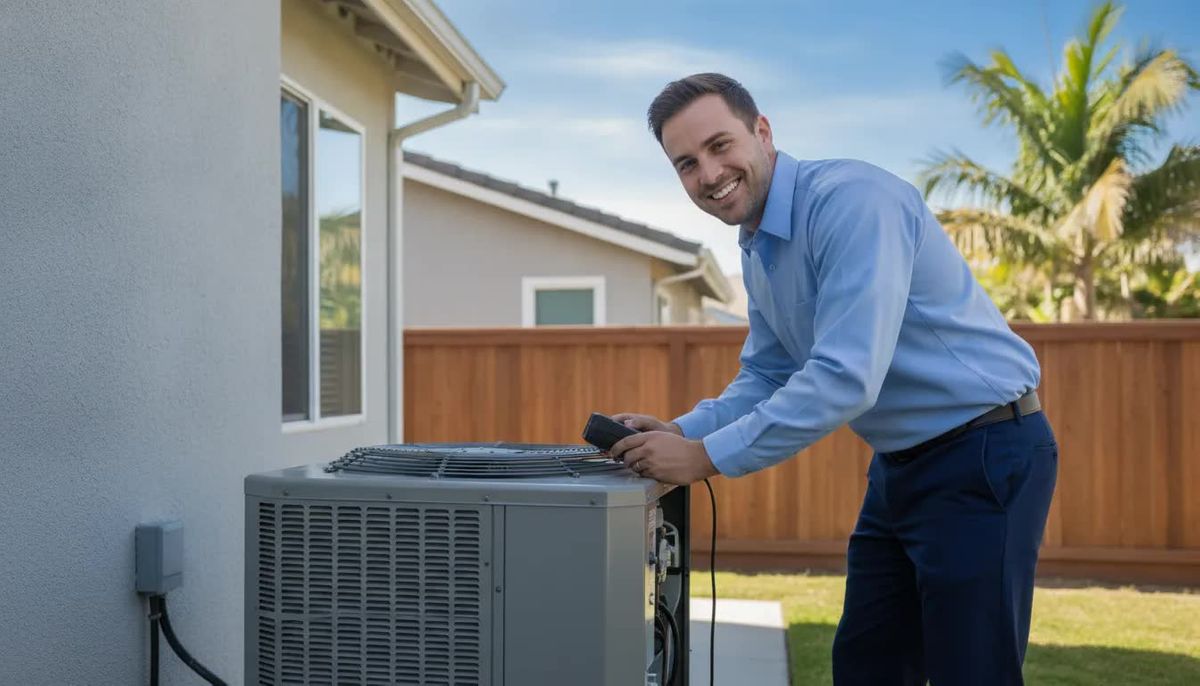
Leaving a strange rattling sound in your furnace is the fastest way to raise your energy bills. Many Bay Area homeowners put off simple repairs to save money, but this choice almost always leads to a much larger bill later. Understanding the cost of delaying HVAC repairs can protect both your budget and your comfort.
When you ignore small issues like a worn capacitor, your heating and cooling system must work much harder to keep your home comfortable. The U.S. Department of Energy warns that neglected systems consume 10 to 25 percent more energy than well-maintained units. Over time, this extra strain causes major parts to break down, turning a standard service call into a very costly failure. Fixing minor problems early protects your expensive system, lowers your monthly energy bills, and prevents sudden breakdowns during extreme winter or summer weather.
Many homeowners wonder how a simple, ignored noise can turn into such a large expense. The answer comes down to how heating and cooling components depend on one another. A small, cheap part that fails quietly can force a much larger, far more expensive part to fail shortly after. Learning about these risks can save you thousands of dollars, so we will examine what the cost of delaying HVAC repairs really looks like. How those costs build over time, and why acting early is almost always the cheaper choice.
Schedule a professional HVAC checkup today
What the Cost of Delaying HVAC Repairs Really Looks Like
Homeowners often put off fixing small air conditioner or heater issues because of busy schedules or tight budgets. But waiting to fix these issues can be a costly mistake. The true cost of delaying HVAC repairs is often much higher than fixing the problem right away. A simple issue can quickly turn into a major system failure that costs thousands of dollars to fix. Fixing issues early is the key to saving you money and keeping your home cozy.
The financial risk of minor component failures
Many big system breakdowns start as a tiny part failing. For example, a bad capacitor is a very cheap part to replace. If you do it early, a technician can swap it out during a standard repair visit. But if you ignore a weak capacitor, your compressor must work much harder to run. This part can wear out fast under the extra heat. What might start as a simple $150 capacitor repair can quickly snowball into a $2,500 compressor failure.
The mechanical chain reaction of a dirty filter
A simple air filter is the first line of defense for your system. When you do not change it, dust and dirt block the airflow. This blockage causes the cooling coils to freeze up and stop working. A frozen coil puts a massive load on the entire unit. Soon, the system stops cooling and the compressor breaks completely. What was once a simple task or a $75 service visit becomes a $1,200 emergency repair or worse.
The chain reaction of neglect often follows a clear path:
Dirty filters block normal airflow through the system.
The cooling coils freeze and stop taking in heat.
The compressor works too hard and burns out in time.
The hidden toll on monthly energy use
Delaying repairs does not just lead to sudden breakdowns. It also drives up your monthly energy bills. When parts are worn or dirty, the system has to run longer to heat or cool your home. This extra strain wastes a lot of power. Even a small drop in how well the system works can raise your energy use by 10% to 20%. You will see this extra cost on your energy bill long before the system breaks down.
According to the U.S. Department of Energy, a neglected system can use 10% to 25% more power. This strain means you pay a high price on your bills every month you wait. Taking quick action on minor issues keeps your system running well and keeps your monthly costs low.
How Small HVAC Problems Snowball Into Major Repairs
Many homeowners think a small noise or a dirty filter is a minor issue. They put off calling a local technician to save money. But the real cost of delaying HVAC repairs is that small issues do not stay small. When one minor part starts to fail, it places extra stress on every other part.
The Airflow Bottleneck
A simple clogged filter restricts the air your system needs to function. Without proper airflow, your system must run much longer to keep your home comfortable. This constant running wastes power and stresses your equipment. According to the U.S. Department of Energy, a neglected system can consume 10% to 25% more energy than a well-maintained one.
The Mechanical Escalation Chain
When you ignore early warning signs, your system begins to break down. This process behaves like a row of falling dominoes. Here is how a tiny issue leads to a complete system failure:
Airflow drops: A dirty air filter blocks the warm air from reaching the cold evaporator coil inside your system.
The coil freezes: Without warm air to heat the refrigerant, the coil temperature drops below freezing. This causes condensation on the coil to turn into ice.
Refrigerant flow is blocked: Ice buildup prevents the refrigerant from absorbing heat properly. This blocks the cooling cycle.
The compressor works harder: The system runs non-stop to keep up, forcing the compressor to pump liquid instead of vapor.
The compressor fails: The overworked compressor overheats and suffers a complete mechanical failure.
The Financial Toll of Delay
Each step in this breakdown is more expensive to fix than the last. An electrical issue as small as a worn-out capacitor is a quick, cheap fix. Early replacement protects the heart of your system. But if you wait, that minor part failure will destroy your compressor.
What starts as a cheap $150 capacitor replacement can quickly turn into a $2,500 compressor repair. For many older systems, a broken compressor means you must buy a whole new unit. The cost of a complete replacement is often more than a budget can handle on short notice.
You can avoid these high costs by taking action at the first sign of trouble. Scheduling professional HVAC repair services when a noise or performance drop occurs keeps minor issues from turning into major expenses. Regular maintenance is your best defense against major system breakdowns. Staying proactive protects your wallet and keeps your home comfortable year-round.
Why Delaying Repairs Quietly Raises Your Energy Bills
When your heater or air conditioner struggles, the first sign of trouble is rarely a total breakdown. Often, it appears on your monthly utility bill. Leaving small issues alone might seem like a way to save money. But the actual cost of delaying HVAC repairs is often much higher than a quick fix. When you wait to fix small issues, your system works much harder to keep your home warm or cool.
How restricted airflow spikes utility bills
One of the most common causes of high bills is restricted airflow. When a filter is clogged with dust, your blower fan has to push air through a thick barrier. This simple block forces the fan motor to run longer and use more power. Based on data from energy.gov, a neglected heat pump can use 10% to 25% more energy than a clean system. This extra power use adds up quickly during peak seasons in the San Francisco Bay Area.
The heavy strain of low refrigerant and dirty coils
Your system also suffers when dirt builds up on the indoor and outdoor coils. Dirty coils cannot transfer heat well, which means your system must run for longer cycles to cool or warm your home. Low refrigerant levels cause a very similar problem. When refrigerant is low, the compressor must work twice as hard to move heat. Even a minor drop in performance from delayed maintenance can raise energy use by 10% to 20%.
When these key parts are dirty or damaged, they draw much more current. Your system will start to short-cycle, which means it turns on and off too often. This constant starting and stopping uses a massive amount of power. It also wears out the motor and the electrical parts. What could have been a quick coil cleaning becomes a major waste of power and money.
How efficiency losses compound over time
For homeowners in Contra Costa and Alameda counties, these small efficiency losses add up fast. Bay Area summers can be warm, and winters bring damp chill. When your HVAC system runs with a minor issue during these months, the extra cost compounds every single day. A bill that is normally $100 can easily climb to $125. Over a full season of heavy use, you could pay hundreds of dollars more than you should just to run a struggling system.
You can spot when your system is losing efficiency by watching for these signs:
Your utility bills increase with no change in your daily habits.
The heater or air conditioner runs for hours without stopping.
Some rooms in your home stay too hot or too cold.
The unit makes loud or unusual noises when it starts up.
Instead of waiting for a total system failure, scheduling professional HVAC repair services can keep your energy bills low and protect your budget.
Repair Now or Wait: The Real Cost Difference
Many homeowners in the San Francisco Bay Area wait to call an expert until their heating or cooling system stops working. But ignoring small warnings leads to a much higher cost of delaying HVAC repairs. Fixing an issue right away keeps minor troubles from turning into costly emergency projects. It also saves you from the stress of a sudden system failure when you need your system the most.
The capacitor and compressor connection
A simple parts failure can quickly trigger a larger system breakdown. For instance, a worn capacitor is a cheap part that helps start the motor. If you do not replace a bad $150 capacitor, the strain can destroy your compressor. A new compressor can cost up to $2,500 to replace. Paying a small amount now protects your system from this severe damage.
Inside your air conditioner, a small electrical capacitor starts the motor. If this part fails, the fan motor or compressor must work much harder to spin. The motor will overheat and quickly burn out. Replacing a capacitor is a simple, cheap task if you catch it early. But if you wait, you will have to pay for a costly new motor or compressor instead.
Standard service visits versus emergency calls
Fixing parts early is always cheaper than calling for help after a breakdown. A basic service visit during normal hours may run about $75. But if your unit fails on a hot summer weekend, an urgent late-night visit can cost $1,200 or more. Taking care of your system during regular hours avoids these high weekend fees.
For local help, our Bay Area AC repair guide breaks down typical repair timeframes and costs.
When your system breaks down during a weekend heatwave, you cannot wait for normal business hours. Emergency service calls need rapid response times and after-hours travel. These factors drive up the final invoice. Homeowners can avoid these high costs by scheduling regular system checks. Taking care of small repairs during the week keeps your home comfortable and protects your wallet.
Worn electrical capacitor â $150 to replace part â $2,500 for new compressor
Dirty outdoor condenser coil â $75 standard service visit â $1,200 for emergency repair
Skipped annual HVAC maintenance â Low yearly upkeep cost â Premature replacement in 10 years
How neglect shortens equipment lifespan
Delaying repairs also reduces the overall life of your heater or air conditioner. The U.S. Department of Energy warns that neglecting basic system maintenance can increase your energy bills by 10% to 25%. This extra strain forces the system to work harder than normal. Over time, this constant stress wears out major parts and leads to early failure.
Most heating and cooling systems should last between 15 and 20 years. But if you skip regular tune-ups and repairs, your equipment might fail within a single decade. Homeowners who ignore small faults often have to replace their systems ten years too early. Also, ignoring these tasks can void your factory warranty, leaving you to pay the entire bill yourself.
What Delaying Repairs Does to Your System's Lifespan
Your heating and cooling system is a major home investment. Like any machine, its parts wear down over time. When you ignore small warning signs, you put extra stress on the whole unit. The true cost of delaying HVAC repairs is a much shorter lifespan for your system.
The impact of constant system strain
A small issue like a worn belt or a clogged filter makes your system work much harder. This extra work strains the motor and other key parts. Over time, this constant strain causes parts to break down fast.
According to industry reports, skipping routine care can force you to buy a new unit within ten years. This is far shorter than the normal fifteen to twenty years. A tiny fix today protects your home from a massive bill tomorrow.
When you delay repairs, you force the unit to run for longer times. This extra run time wastes power. According to Energy.gov, a neglected system can use ten to twenty-five percent more energy than a clean one. This waste shows how hard the system is fighting to keep you warm or cool.
How neglected issues void brand warranties
Many homeowners do not know that HVAC brands require regular service to keep their warranties active. When you buy a new system, it comes with a warranty that is not a free pass. It is a contract that requires you to schedule routine checkups, or you will lose that protection.
If a major part fails because of neglect, the brand will likely reject your claim. They want to see proof of annual check-ups from a licensed team. Our work at Ortiz Heating and Air Conditioning shows that neglecting routine maintenance can void your warranty. Skipping a cheap service visit can cost you thousands of dollars if a big part breaks.
Protecting your heating and cooling investment
Think of HVAC care like oil changes for your car. You would not drive a vehicle for fifty thousand miles without changing the oil. Your home comfort system needs the same level of routine care. If you ignore small issues, you run a high risk of system failure and a very costly replacement.
If a system is already beyond repair, our HVAC replacement cost guide explains when replacement makes more sense than repeated repairs.
A small repair today protects a multi-thousand-dollar investment for the future. Staying on top of repairs keeps your system running well for its full life. Do not wait for a complete breakdown to take action. Contact a licensed team to check your unit and keep your home safe.
How Bay Area Homeowners Avoid Costly Repair Delays
Home ownership in the San Francisco Bay Area is a big commitment. Between high living costs and busy daily routines, local residents must find smart ways to manage their household budgets. When heating or cooling systems act up, some people choose to wait. But the cost of delaying HVAC repairs can grow fast. The most effective way to avoid these rising bills is to spot small issues early.
The power of proactive care
A small squeak or a weak draft might seem like a minor bother. Many people put off calling a technician because they worry about the price. But taking action today is much cheaper than waiting for a full breakdown. In fact, preventive maintenance is the best defense against catastrophic system failure and premature equipment replacement. Routine care keeps simple issues from turning into major expenses.
Homeowners can track the health of their systems with a simple list. Following a regular HVAC maintenance checklist helps you catch worn parts before they snap. Changing air filters and cleaning outdoor units are easy steps. Doing this keeps your system running well through every season. You protect both your home comfort and your wallet when you stay ahead of repairs.
Local solutions for local climates
Weather in the Bay Area varies from city to city. A home in San Francisco needs different climate care than a business in Contra Costa. Ortiz Heating and Air Conditioning, Inc. provides personalized heating and cooling solutions to fit your needs. With 25 years of experience, this locally owned business knows exactly how coastal air and inland heat affect your system. They serve homes and shops across SF, San Mateo, Alameda, and Contra Costa counties.
Working with a local team means fast help when you need it. Local experts understand the salt air in San Mateo and the hot summer days in Alameda. They can find small problems before they turn into emergency breakdowns. This keeps your system safe and reliable. You get expert advice from technicians who care about the community they serve.
Long term savings for homeowners
Proactive care is a smart investment that pays back over time. Research shows that making smart changes to your heating and ventilation setup is highly cost-effective. According to the CDC NIOSH ventilation guidelines, proactive ventilation and energy improvements often pay for themselves quickly. These upfront steps save you money by lowering your ongoing energy bills. You spend less on power while enjoying cleaner, safer indoor air.
Delaying repairs might seem like a way to save cash today. But putting off service only leads to larger bills later. When you handle small fixes right away, you protect your system from major wear. This keeps your equipment running at peak efficiency for years to come. Do not wait for your heater or air conditioner to fail completely before you take action.
Request your professional HVAC checkup now
Frequently Asked Questions
Why does delaying HVAC repair increase the total cost?
Delaying repairs allows small issues to affect other parts of your heating and cooling system. For example, a worn-out capacitor is a simple, cheap fix. If you ignore it, the strain can destroy your compressor, which costs much more to replace. Neglected systems also work harder, raising your utility bills. According to Energy.gov, a neglected heating and cooling system can use 10% to 25% more energy than a well-maintained one.
What are the common signs of an HVAC system needing urgent repair?
You should watch for sudden changes in how your heating and cooling system works. Common warning signs include loud scraping or squealing sounds, unusual smells, and weak airflow from your vents. You might also notice that some rooms feel cold while others feel hot. A sudden spike in your monthly utility bill is another clear sign of a hidden problem. If you spot these issues, schedule a professional diagnostic visit to find the cause before your system breaks down completely.
How often should I schedule HVAC maintenance to avoid costly repairs?
Most manufacturers and HVAC professionals recommend a professional tune-up at least once a year. And twice a year is ideal for Bay Area climates that switch between heavy heating and heavy cooling. A regular maintenance visit catches worn belts, low refrigerant, and dirty coils while fixes are still small and inexpensive. Following a routine also keeps your manufacturer warranty valid, so a sudden failure later does not void your coverage.
Is it cheaper to fix small HVAC issues immediately?
Does ignoring a small HVAC noise really lead to thousands in damage?
Yes, because a small symptom is often a warning that a larger component is under stress. A capacitor that fails quietly forces the compressor to work harder until it burns out. In many cases the compressor is the single most expensive part of the system, and replacing it can cost several thousand dollars. Catching that worn capacitor during a service visit is often a small, quick fix instead.
Yes, fixing small problems right away is the best way to save money. Small issues like worn wires or dirty parts are fast and cheap to fix during a normal service visit. If you wait, those same issues can destroy major parts or cause your system to fail on a hot or cold day. An emergency service call on a weekend or after hours is much more expensive. Fixing small issues early also protects your manufacturer warranty, as neglecting normal maintenance can void your coverage.
Ready to Schedule a Professional HVAC Checkup?
Ignoring small noises or minor airflow issues can lead to sudden system breakdowns when you need heating or cooling the most. Dealing with these small problems today saves you from big repair bills, high monthly energy bills, and the stress of a cold home later. Taking action right now protects your equipment, keeps your family comfortable, and prevents expensive emergency repair costs down the road.
Our local team at Ortiz Heating and Air Conditioning has twenty-five years of experience helping homeowners across the Bay Area keep their systems running. We are Diamond Certified, BBB accredited, and locally owned. Ready to schedule? Schedule a professional HVAC checkup to protect your home comfort and prevent expensive breakdowns.