
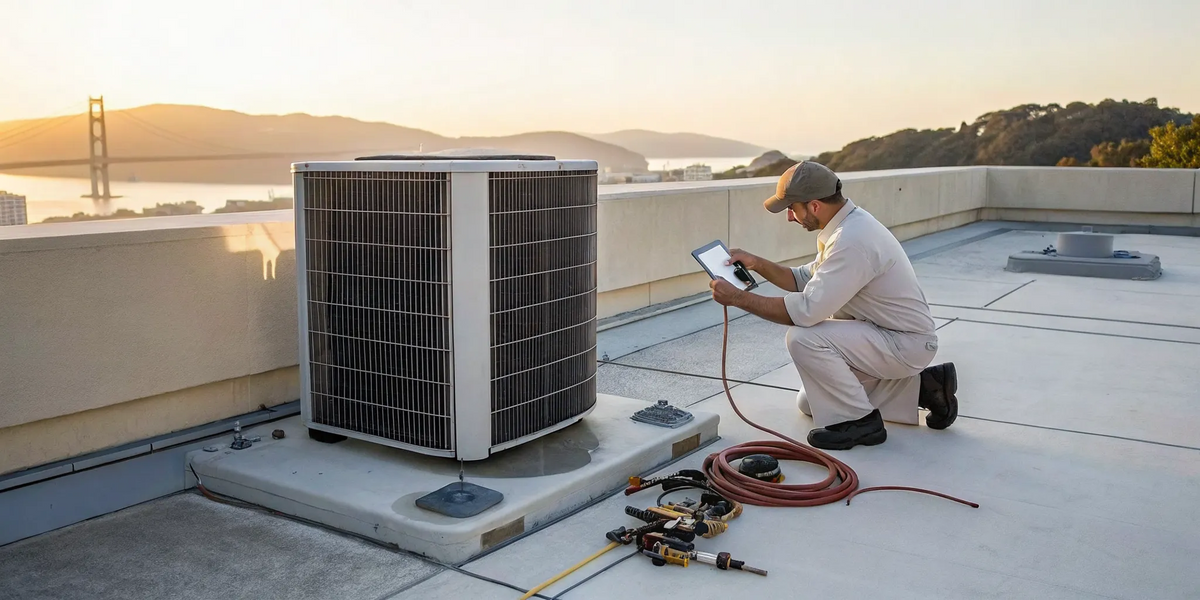
Your air conditioner is pretty good at telling you when something is wrong. It might be a strange new grinding sound, a musty smell coming from the vents, or simply the fact that your home isn’t getting cool anymore. These are not just minor annoyances; they are warning signs that your system needs attention. Ignoring them can lead to a complete breakdown, often on the hottest day of the year. This guide will help you understand what your AC is trying to tell you, what to expect from a professional service call, and how to find reliable ac repair San Francisco Bay Area technicians who can get your home comfortable again.
Key Takeaways
Prioritize preventative maintenance: You can avoid many expensive repairs by performing simple tasks, like changing your air filters, and scheduling an annual professional tune-up to keep your system running efficiently.
Pay attention to warning signs: Unusual noises, weak airflow, and higher energy bills are your AC's way of asking for help. Addressing these signs early can help you determine if a simple repair is enough or if it's time to consider a replacement.
Know what to expect from a service call: A trustworthy technician will start with a diagnostic inspection, which includes a service fee, and then provide a clear, upfront quote for any repairs. You should always approve the cost before any work begins, giving you full control over the process.
Is Your AC Trying to Tell You Something?
Your air conditioner can’t talk, but it has its own ways of telling you when something is wrong. Paying attention to these subtle (and not-so-subtle) clues can help you catch problems early, before they turn into a major headache and an expensive breakdown. Think of it like a car that needs an oil change; ignoring the warning light only leads to more significant issues down the road. An AC unit’s lifespan is significantly shortened without regular care, and ignoring small issues can lead to much more expensive repairs or even a full replacement later on.
When your system starts acting up, it’s sending you a message. Maybe it’s making a new noise, or perhaps your home just doesn’t feel as comfortable as it used to. These are signs that it’s time to call in a professional for an inspection. Remember, an air conditioner doesn’t produce fresh air; it simply circulates and cools the existing air in your home. If it’s struggling to do its one job, it’s a clear signal that something needs to be addressed. Let’s look at some of the most common signals that your air conditioner needs attention.
Warm Air and Weak Flow
One of the most obvious signs of trouble is when your AC is running, but the air coming out of the vents feels lukewarm or the airflow is weak. You’re paying for cool air, so if you’re not getting it, something is definitely off. This could be caused by something as simple as a clogged air filter that’s restricting airflow, or it could point to a more serious issue like a refrigerant leak or a failing compressor. Whatever the cause, weak or warm air means your system isn't working efficiently. Our professional air conditioning services can diagnose the root cause and get your home cool again.
Weird Noises and Smells
Your air conditioner should operate with a consistent, low hum. If you start hearing new or unusual sounds, it’s time to listen closely. Grinding, squealing, or clanking noises often indicate a mechanical problem, like a loose part or a failing motor. Similarly, strange odors are a red flag. A musty smell could mean there’s mold or mildew growing in your unit or ductwork, which can impact your home’s indoor air quality. A burning smell is even more serious and could signal an electrical issue that needs immediate attention. Don’t ignore these sensory warnings; they are clear signs you need a professional service call.
High Energy Bills or Ice Buildup
Have your electricity bills been creeping up without any change in your usage? Your AC could be the culprit. When a system isn’t running efficiently, it has to work harder and longer to cool your home, which drives up energy consumption. Another telltale sign is visible ice or frost on the refrigerant lines or the unit itself. This is often a symptom of a blocked air filter or low refrigerant levels. While it might seem like the unit is just working extra hard, ice buildup actually prevents it from cooling properly and can cause serious damage. Scheduling regular maintenance helps keep your system running efficiently and your energy bills in check.
What Does an AC Repair Service Include?
When your air conditioner stops working, you want it fixed fast. But a professional repair service does more than just solve the immediate problem. A thorough technician will diagnose the root cause to prevent it from happening again. From urgent fixes during a heatwave to comprehensive system checks, a quality repair service covers all the bases to restore your comfort and your system’s efficiency. The process typically starts with a diagnostic visit to pinpoint the issue, followed by a clear quote for the necessary work.
Emergency and Same-Day Service
AC problems rarely happen at a convenient time. That’s why many professional HVAC companies offer prompt service to get your system back online quickly, especially during peak summer heat. When you schedule an HVAC service call, the goal is to have a technician at your door as soon as possible to assess the situation. While some complex issues may require parts to be ordered, many common repairs can be completed the same day. This rapid response is crucial for restoring comfort to your home and preventing minor issues from turning into major, more expensive problems.
Fixing Leaks, Wires, and Components
The heart of any AC repair involves troubleshooting and fixing the specific parts that have failed. This can cover a wide range of issues. A technician might find and seal a refrigerant leak, replace a faulty capacitor that’s preventing the unit from starting, or fix frayed wiring that’s causing a short. Other common repairs include unclogging drain lines to stop water from backing up, replacing worn-out fan motors, or addressing problems with the thermostat. A skilled technician will not only replace the broken component but also investigate why it failed in the first place, ensuring a more reliable and lasting solution.
Ductwork and Air Quality Checks
Sometimes, the problem isn’t with your AC unit itself but with the system that delivers the cool air. If you’re experiencing weak airflow or uneven cooling, a technician may inspect your ductwork for leaks, blockages, or poor connections. Leaky ducts can lose a significant amount of your cooled air before it ever reaches your rooms, forcing your system to work harder. During a service call, a technician might also check your air filter and discuss your home’s indoor air quality. A well-maintained system with clean ducts and filters not only runs more efficiently but also helps reduce the circulation of dust, allergens, and other pollutants in your home.
What to Expect for AC Repair Costs in the Bay Area
Let’s talk about one of the biggest questions on every homeowner's mind when their AC stops working: How much is this going to cost? In the San Francisco Bay Area, the price for an air conditioning repair can vary quite a bit. The final bill depends entirely on what’s wrong with your system, from a minor hiccup to a major component failure. Think of it like taking your car to the mechanic; they need to look under the hood first.
The first step in any service visit is a thorough diagnosis. A professional technician will inspect your system to pinpoint the exact problem. Once they identify the issue, they can give you a precise quote for the necessary AC repairs. This approach ensures you know exactly what you’re paying for before any work begins. While it’s hard to give a flat rate without an inspection, we can break down the costs into a few common scenarios.
The Cost of Simple Fixes
Not every AC issue will break the bank. Many common problems are relatively simple and quick to resolve. For these types of minor repairs, you can generally expect the cost to be between $250 and $450. A simple fix might include clearing a clogged condensate drain line, replacing a faulty capacitor that helps the motor start, or recalibrating a thermostat that’s giving incorrect readings. These repairs don't typically require expensive parts or extensive labor, allowing a technician to get your system back up and running without a major expense.
The Cost of Complex Repairs
If the problem is more serious, the repair will naturally be more involved and costly. For complex issues, costs can range from $800 to $2,000 or more. These repairs often involve the heart of your AC system, like replacing a failed compressor, fixing a significant refrigerant leak, or swapping out a burnt-out blower motor. While these figures can seem intimidating, these repairs address critical failures that are essential for your home’s comfort. An experienced technician will walk you through the problem and explain why the specific part and labor are necessary.
Factors That Affect Your Final Bill
Several key factors influence the final price on your repair quote. The age and overall condition of your air conditioner play a big role; older systems may have worn-out components that are harder to source. The physical location of your unit also matters. If your AC is in a hard-to-reach spot like a cramped attic or on a steep roof, the increased labor time can affect the cost. Finally, the price and availability of the replacement parts themselves are a major component of your bill. A standard part is much different from a specialized one that needs to be special-ordered. A professional service call will assess all these factors to give you a complete and accurate quote.
Repair or Replace? How to Decide
The big question every homeowner eventually faces is whether to pay for another AC repair or invest in a brand new air conditioner. It’s a tough call, especially when you’re dealing with an unexpected breakdown on a hot Bay Area day. While a quick fix seems tempting, it might not be the most cost-effective solution in the long run. There isn’t a single right answer for everyone, but weighing a few key factors can make the decision much clearer.
Before you make a snap judgment, take a moment to think about your AC’s age, its repair history, and the potential for long-term energy savings. An older unit that needs constant attention might be costing you more than you realize in repeat service calls and high energy bills. On the other hand, a single, straightforward repair on a younger, otherwise reliable system is often the most sensible path. Making an informed choice now can save you money and stress for years to come. A professional technician can perform a full diagnostic to identify the root cause of the problem and provide a detailed quote, giving you the concrete information you need to decide between a repair and a replacement.
Consider Its Age: The 10-Year Rule
A good starting point is the "10-Year Rule." Most standard air conditioners have a lifespan of about 10 to 15 years. If your unit is approaching or has passed the 10-year mark, it’s time to look at it more critically. As systems age, essential components like compressors, fan motors, and electrical controls experience significant wear and tear, making them more likely to fail. Pouring money into a major repair for an aging unit can be a short-term fix for a long-term problem. Instead of paying for a costly repair that only buys you another year or two, that money might be better spent on a new, reliable air conditioning system.
How Often Does It Break Down?
Think about your AC’s track record. Is this its first issue, or have you and your HVAC technician become regulars? If your system needs frequent repairs, it’s a clear sign that it’s nearing the end of its life. A pattern of breakdowns, especially for major issues like refrigerant leaks or electrical problems, means you’re likely to face another service call soon. While one repair might be manageable, the costs of multiple visits can add up quickly and eventually exceed the price of a new unit. An honest technician can assess the overall health of your system and help you understand if you’re dealing with a one-off problem or a failing unit that needs to be replaced.
Think About Long-Term Energy Savings
Don't just consider the upfront cost; think about the total cost of ownership. Today’s air conditioners are far more energy-efficient than models from a decade ago. Upgrading to a new, high-efficiency unit can dramatically lower your monthly utility bills, sometimes by 20% or more. These long-term savings can help offset the initial investment over the life of the new system. While consistent maintenance can extend your current unit's life and keep it running efficiently, there's a point where even a well-maintained older system can't compete with the performance of modern technology. A new installation is an investment in your home’s comfort and your financial future.
How to Choose the Right Bay Area AC Repair Company
Finding a trustworthy AC repair company can feel like a big task, but it doesn't have to be. Your home's comfort is on the line, so taking a little time to vet your options is always a smart move. A great company will not only fix the immediate problem but also help you feel confident in your system's long-term health. By focusing on a few key areas like credentials, transparency, and experience, you can easily find a reliable partner to keep your home cool and comfortable.
Check for Licenses, Certifications, and Reviews
Before you hire anyone, do a quick background check. A reputable company will always be properly licensed and insured to work in the Bay Area. This protects you and ensures they meet local standards. Look for special certifications, too. For example, being Diamond Certified means a company has passed a rigorous, independent review of its quality and customer service. You should also take a moment to read recent customer feedback. Reviews from your neighbors can give you a real-world glimpse into a company’s professionalism, response times, and the quality of their work.
Don't Fall for Common AC Repair Myths
Let’s clear up a few common misconceptions about AC repair. One of the biggest myths is that you only need service when your system completely stops working. Waiting for a total breakdown often leads to more expensive and complicated repairs. Instead, addressing small issues early through regular maintenance can prevent major headaches. Another myth is that all AC companies are the same. The truth is, the level of expertise, customer service, and quality of work can vary dramatically. A top-tier company will invest in training and use high-quality parts, which makes a huge difference in how well your system performs.
Key Questions to Ask Before You Hire
To make sure you’re choosing the right team, have a few questions ready. Ask about their experience with your specific AC model and what kind of warranty they offer on their parts and labor. It’s also wise to ask how they structure their pricing. For instance, find out if there’s a service fee for diagnostics and how they provide quotes for the actual repair work. A transparent company will be upfront about all costs before starting any repairs. Finally, ask about their availability for emergency services, because you never know when you might need a fast fix. Feel free to contact us with your questions; we're always happy to help.
What to Expect During Your AC Service Call
Knowing what to expect can make scheduling an AC repair feel a lot less stressful. When a professional technician arrives at your home, their goal is to get your system running efficiently and safely. The process is straightforward and designed to keep you informed every step of the way. From the initial diagnosis to the final checks, you’ll have a clear understanding of what’s happening with your air conditioner and what it will take to fix it. Here’s a breakdown of what our HVAC service calls look like.
The Diagnostic Process and Your Repair Quote
The first step is always a thorough diagnostic inspection. To accurately pinpoint the problem, our certified technician will perform a complete evaluation of your AC system. Please note that this initial diagnostic work involves a service fee. Once we identify the issue, we won’t just hand you a confusing report. Your technician will walk you through their findings, explaining what’s wrong in clear, simple terms. You’ll then receive an upfront, detailed quote for the necessary repairs. No work will begin until you approve the cost, so you always remain in control of the process and the budget.
What a Thorough Technician Should Inspect
A professional inspection goes beyond a quick glance. Our technicians conduct a detailed check of all the critical components that keep your AC running smoothly. This includes examining your air filters for clogs that restrict airflow, checking for proper refrigerant levels, and ensuring your condensate drain line isn’t blocked, which can cause water damage. We also test electrical components like capacitors and contactors for wear and tear and inspect the motors and belts for any signs of failure. This comprehensive approach ensures we don’t just fix the immediate symptom but address the root cause. A complete air conditioning service is key to long-term performance.
Simple Maintenance to Prevent Future AC Repairs
The best way to handle an AC repair is to prevent it from happening in the first place. While some issues are unavoidable, a little proactive care can go a long way in keeping your system running smoothly and efficiently. Think of it as simple housekeeping for your home’s comfort system. These small steps can save you from the stress of a sudden breakdown, especially during an unexpected Bay Area heatwave. By spending a few minutes on maintenance each month and scheduling a yearly check-up, you can extend the life of your air conditioner, lower your energy bills, and keep your home comfortable all year round. It’s a small investment of time that pays off with significant savings and peace of mind. These simple habits help you avoid costly emergency repairs and ensure your system is ready when you need it most.
Change Your Filters and Clear Debris
One of the easiest and most effective maintenance tasks is regularly changing your air filters. It’s a common myth that filters only need to be swapped out once a year. In reality, a dirty filter restricts airflow, forcing your AC to work harder and driving up your energy costs. A clogged filter can also harm your home’s indoor air quality by circulating dust and allergens. Check your filter monthly and plan to replace it every 1 to 3 months, or more often if you have pets or allergies. While you’re at it, take a quick look at your outdoor unit. Keep the area clear of leaves, grass clippings, and other debris to ensure it has proper airflow.
Check Your Ducts and Thermostat
You might have heard that closing vents in unused rooms saves energy, but this is another myth that can actually cause problems. Your AC system is designed for balanced airflow, and closing vents can create pressure imbalances that strain the compressor and reduce efficiency. It’s best to keep all your vents open and unobstructed by furniture or drapes. This allows your system to distribute cool air evenly and efficiently through your ducts. Also, give your thermostat a quick check to make sure it’s reading the temperature correctly. An inaccurate thermostat can cause your system to run unnecessarily, wasting energy and money.
Schedule Annual Professional Tune-Ups
While DIY tasks are important, they don’t replace the need for a professional tune-up. An annual maintenance visit from a certified technician is the single best thing you can do for your AC’s health and longevity. A professional can spot developing issues, clean critical components, and ensure your system is operating at peak efficiency. This preventative care can extend your unit's life by years and save you up to 15% on annual energy costs. More importantly, it catches small problems before they become major breakdowns, giving you confidence that your system will work reliably when summer temperatures rise.
Related Articles
Frequently Asked Questions
Why do I have to pay a service fee for a repair diagnosis? I thought estimates were free. That's a great question, and it's important to understand the difference. We offer free estimates when you're looking to replace old equipment or install a new system, like a furnace or air conditioner. That process involves pricing out new equipment and the installation plan. A repair service call, however, is different. It requires a skilled technician to perform diagnostic work to find the root cause of a problem. This inspection is a professional service that uses their time and expertise, which is why it has an associated service fee. Once the problem is identified, we provide a clear, upfront quote for the actual repair work.
My AC is blowing warm air. Is there anything I can check myself before calling for a repair? Absolutely. Before you schedule a service call, there are two simple things you can check that might solve the problem. First, take a look at your air filter. A severely clogged filter can block airflow and prevent your system from cooling effectively. If it looks dirty, replacing it is a great first step. Second, double-check your thermostat settings. Make sure it’s set to "cool" and the temperature is set lower than the current room temperature. Sometimes the simplest solution is the right one.
How do I know if it's better to repair my old AC again or just replace it? This is a tough decision, but you can make it easier by looking at three key factors. First, consider your AC's age. If it's over 10 years old, a major repair might not be a wise investment. Second, think about its repair history. If you're constantly calling for service, those costs add up and signal that the unit is failing. Finally, consider long-term energy savings. A new, high-efficiency model can significantly lower your monthly electricity bills, helping the investment pay for itself over time.
If I change my filters regularly, do I still need to schedule a professional tune-up every year? Yes, you do. Changing your filters is one of the best things you can do for your system, but it doesn't replace a professional tune-up. During an annual maintenance visit, a technician does much more than you can on your own. They clean internal components, check refrigerant levels, test electrical connections, and lubricate moving parts. This comprehensive service not only improves efficiency and lowers energy costs but also catches small issues before they turn into major, expensive breakdowns.
What do different AC noises mean? Your air conditioner should be a quiet, consistent hum in the background, so any new noise is worth paying attention to. While only a technician can diagnose the exact cause, certain sounds offer clues. A grinding or squealing noise often points to a problem with a motor or a belt. A clanking or banging sound could mean a part has come loose inside the unit. Don't ignore these sounds; they are your system's way of telling you it needs a professional inspection right away.