
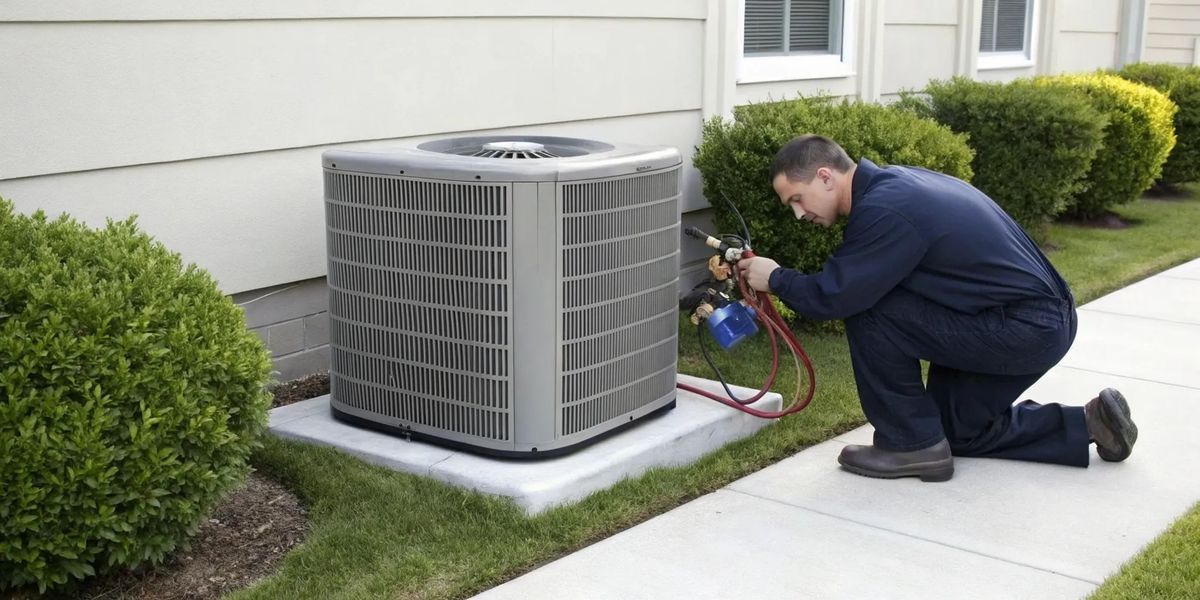
Living in the Bay Area means dealing with some truly unique weather. You can go from a foggy, cool morning on the Peninsula to a hot, dry afternoon in the East Bay. This constant fluctuation, along with seasonal challenges like wildfire smoke, puts a serious strain on your home's heating and cooling system. It has to be ready for anything. That's why a yearly HVAC tune up isn't just a good idea here; it's essential. This service ensures your system is clean and prepared to handle our specific microclimates efficiently and effectively. We’ll explain how regular maintenance helps your system perform better and improves your home’s air quality, no matter what the Bay Area weather decides to do.
Key Takeaways
A tune-up is preventative care that pays for itself: This annual service helps lower energy bills, extends your system's life, and prevents expensive emergency repairs, all while keeping your warranty valid.
Follow a simple service schedule for best results: Plan for an AC tune-up in the spring and a furnace check in the fall. If you have a heat pump that does both, schedule service twice a year to keep it in top shape.
A small investment prevents major costs later: The price of a tune-up is a fraction of an emergency repair, and you can find a trustworthy pro by checking for licenses, insurance, and customer reviews before you book.
What Is an HVAC Tune-Up?
Think of an HVAC tune-up as a wellness check for your home's heating and cooling system. It’s a professional maintenance service designed to make sure everything is running efficiently and safely. Just like you take your car in for regular oil changes to prevent major engine trouble, a tune-up for your HVAC system helps catch small issues before they become expensive, middle-of-a-heatwave emergencies. During a tune-up, a technician gives your system a thorough inspection and cleaning.
This isn't just about fixing what's broken; it's about proactive care. A well-maintained system works better, uses less energy, and keeps you more comfortable year-round. Given the Bay Area's diverse microclimates, having a reliable system that can handle both a foggy morning and a hot afternoon is essential. Regular preventive maintenance is one of the best investments you can make in your home’s comfort and longevity.
What’s on an HVAC Tune-Up Checklist?
When a professional technician arrives for a tune-up, they follow a detailed checklist to inspect, clean, and adjust your entire system. They’re looking at all the critical components that work together to heat and cool your home. This includes replacing dirty air filters, which can restrict airflow and reduce air quality. They'll also clean the indoor and outdoor coils, check and tighten electrical connections for safety, and lubricate moving parts to reduce wear and tear.
Other key tasks involve clearing the drain line to prevent clogs and water damage, checking refrigerant levels, and making sure your thermostat is calibrated correctly. A proper inspection also includes checking for any leaks in your air ducts and confirming the blower motor is working as it should. This comprehensive process ensures every part of your system is ready for the season ahead.
How Long Does a Tune-Up Take?
One of the best parts about an HVAC tune-up is that it doesn't take up your whole day. For a standard residential system, you can expect the appointment to last about one to two hours. The exact time can vary a bit depending on the type and complexity of your system and how accessible it is, but it’s a small time commitment for the peace of mind it provides.
In just a couple of hours, a technician can perform all the necessary checks and cleanings to get your system in top shape. It’s a quick and easy way to ensure your home will stay comfortable, your energy bills stay manageable, and your system remains reliable when you need it most. If you're ready to get your system checked, you can easily schedule an appointment that fits your day.
Does Your HVAC System Need a Tune-Up?
Even the most reliable HVAC systems need attention to perform their best. Think of a tune-up as a wellness check for your home's heating and cooling. Ignoring the small signs can lead to bigger, more expensive problems down the road. Your system often gives you clues when it needs help. Learning to spot these signs and performing simple upkeep can make a huge difference in your comfort and your utility bills. It helps you know when to handle a small task yourself and when it’s time to call in a professional for a closer look.
Signs It's Time for a Service Call
Your HVAC system can’t talk, but it has ways of telling you something is wrong. If you notice any of these issues, your system is asking for help. A sudden spike in your energy bill is a classic sign that your unit is working harder than it should. You might also notice weak airflow from your vents or that your home just isn't getting cool enough. Other red flags include strange noises like rattling or squealing, musty odors, or extra humidity in the air. These are all clear indicators that you should schedule an HVAC service call to get things checked out.
How to Monitor Your System Between Visits
While a full tune-up is a job for a certified technician, there are a few simple things you can do to keep your system running smoothly between appointments. Regularly changing your air filter is one of the easiest and most effective tasks. You can also help by keeping the area around your outdoor unit clear of leaves, branches, and other debris to ensure proper airflow. Gently dusting your indoor vents can also improve circulation. These small actions support your system's health, but they don't replace the need for professional maintenance. A trained technician has the tools and expertise to handle the more complex tasks safely and effectively.
The Benefits of a Regular HVAC Tune-Up
Scheduling a regular HVAC tune-up is one of the smartest things you can do for your home and your wallet. Think of it less as a chore and more as a strategic investment. Just like your car needs regular oil changes to run smoothly, your heating and air conditioning system needs professional attention to perform at its best. When a system is clean and all its parts are working correctly, it doesn't have to work as hard to keep you comfortable. This simple act of preventative care pays off in some pretty significant ways.
From saving money on your monthly utility bills to breathing cleaner air, the advantages are hard to ignore. A well-maintained system is a reliable system, giving you peace of mind that you won't be caught with a sudden breakdown during a Bay Area heatwave or a chilly winter night. Regular maintenance helps you get the most out of your HVAC investment by ensuring it runs efficiently and lasts for its entire expected lifespan. It’s a proactive step that prevents small issues from turning into major, expensive problems down the road.
Lower Your Energy Bills
An inefficient HVAC system is a major energy drain. When components are dirty or worn, your system has to work much harder to heat or cool your home, which shows up as a higher number on your monthly energy bill. During a tune-up, a technician cleans coils, checks refrigerant levels, and lubricates moving parts. These adjustments help the unit run as efficiently as the day it was installed. A clean, well-calibrated system uses less energy to do its job, and those savings go directly back into your pocket. In fact, regular service can reduce your heating and cooling costs by a significant margin.
Extend Your System's Lifespan
Your HVAC system is one of the most expensive appliances in your home, so you want it to last as long as possible. Neglect is the fastest way to shorten its life. Small, unaddressed issues can cause a domino effect, putting stress on other components and leading to premature failure. With regular tune-ups, a technician can spot and fix minor problems, like frayed wires or small leaks, before they cause a catastrophic breakdown. This proactive approach can help your system last 15 years or more, preventing you from facing a costly replacement years ahead of schedule and avoiding unexpected repairs.
Improve Air Quality and Comfort
Your HVAC system does more than just control the temperature; it also circulates all the air inside your home. If the system is dirty, it could be spreading dust, pollen, pet dander, and other allergens every time it runs. A tune-up includes cleaning or replacing air filters and inspecting the internal components, which helps reduce the amount of airborne pollutants. This not only makes your home feel fresher but also contributes to better indoor air quality for you and your family. A well-maintained system also delivers more consistent heating and cooling, eliminating hot and cold spots and keeping you comfortable year-round.
Keep Your Warranty Intact
Here’s a benefit many homeowners overlook: most manufacturer warranties require you to have proof of annual professional maintenance. If your system breaks down and you need to file a warranty claim for a covered part, the manufacturer may ask for your service records. If you can't provide them, your claim could be denied, leaving you to pay for an expensive repair out of pocket. Scheduling a yearly HVAC service call is a simple way to protect your investment and ensure your warranty remains valid for its full term. It’s a small step that provides a valuable financial safety net.
How Often Should You Schedule an HVAC Tune-Up?
So, how often does your HVAC system really need a professional look? The simplest answer is once a year. But like most things with homeownership, the real answer is a bit more detailed. The ideal frequency for an HVAC tune-up depends on the type of system you have, how much you use it, and even where you live. A system that only provides air conditioning has different needs than a heat pump that works year-round to both cool and warm your home. Regular maintenance is the key to preventing unexpected problems and keeping your system running smoothly for years.
Think of it as a check-up for your home’s hardest-working appliance. During a tune-up, a technician cleans, inspects, and adjusts all the critical components. This proactive care helps catch small issues before they become expensive repairs and ensures your system operates at peak efficiency. Forgetting to schedule this service is like skipping an oil change for your car; you might get away with it for a while, but eventually, performance will suffer and you risk a major breakdown. By staying on a consistent schedule, you ensure your system is ready for whatever the Bay Area weather brings, from a sudden heatwave to a chilly winter night. Below, we’ll break down the specifics for different systems and local factors so you can create a schedule that makes sense for your home or business.
Tune-Up Schedules: Homes vs. Businesses
For most homes, the schedule is straightforward. If you have a separate air conditioner and furnace, each unit needs a tune-up once a year. We recommend servicing your AC in the spring to prepare for summer heat and your furnace in the fall before the cold sets in. If your home uses a heat pump for both heating and cooling, it needs attention twice a year. A spring tune-up gets it ready for cooling, while a fall service prepares it for heating.
Commercial systems are a different story. They often run longer hours and serve larger spaces, putting them under constant strain. Because of this, we typically recommend more frequent service for our commercial clients. Depending on the type of business and system usage, this could mean semi-annual or even quarterly tune-ups to prevent disruptions and maintain a comfortable environment for employees and customers.
Bay Area Factors That Influence Frequency
Living in the Bay Area means dealing with unique microclimates. If you’re in a hotter inland area like Concord or Livermore, your AC works much harder than one on the foggy San Francisco Peninsula. For homes in these warmer zones, an annual spring tune-up is essential, and you might even consider a mid-summer check to ensure everything is still running efficiently.
Another major factor is our air quality. Dust, pollen, and seasonal wildfire smoke can quickly clog your system’s filters and components. This buildup forces your HVAC unit to work harder, which can increase energy bills and lead to premature wear. Regular service helps clean out this debris and ensures your system is circulating clean, healthy air. A professional can also assess your filtration and suggest ways to improve your home’s indoor air quality, which is a huge plus for comfort and peace of mind.
Why Commercial HVAC Systems Need Special Care
If you’re a business owner, you know your workplace operates on a different scale than your home, and the same is true for its HVAC system. A commercial unit isn't just a super-sized version of what you have at home; it's a complex, powerful machine built for a much tougher job. These systems are engineered to manage larger spaces, higher occupancy, and the heat generated by equipment and people. From a small retail shop to a large office building, the demands are constant and varied.
Think about it: your home system might run for a few hours a day, but a commercial system often works around the clock to maintain a consistent environment for employees, customers, and sensitive equipment. This is why commercial HVAC services are in a league of their own. They involve different equipment, specialized tools, and technicians with specific training. Giving your system the specialized attention it needs is about more than just comfort. It’s about protecting your bottom line, keeping your team productive, and preventing a minor issue from turning into a major business disruption that could shut your doors for days. Regular, expert care is an investment in your business's continuity and success.
The Unique Demands of Commercial Systems
Commercial HVAC systems are true workhorses. They are often located on rooftops, packaged into a single unit, and designed with modular components to fit the specific needs of a building. Unlike a home system that serves a single family, a commercial unit might need to create different temperature zones for a server room, a front lobby, and open-plan offices. This complexity means they require specialized knowledge for proper installation and maintenance. A technician needs to understand intricate ductwork, sophisticated control panels, and heavy-duty components to keep everything running correctly and efficiently.
Impact on Comfort and Productivity
An uncomfortable employee is an unproductive employee. When your office is too hot, too cold, or stuffy, it’s hard for anyone to focus on their work. A well-maintained HVAC system is key to creating a pleasant and productive environment. It ensures consistent temperatures and promotes healthy indoor air quality by filtering out dust, allergens, and pollutants. Investing in your system’s health is a direct investment in your team’s well-being and performance. After all, a comfortable workplace is one where people can do their best work and customers feel welcome to stay.
How to Prevent Costly Business Disruptions
An HVAC failure in a commercial setting is more than an inconvenience; it's a crisis that can halt operations, turn away customers, and lead to lost revenue. Imagine your restaurant's air conditioning failing during a summer heatwave or the heat going out in your retail store in winter. Proactive maintenance is your best defense against these scenarios. Regular tune-ups allow a technician to spot and fix small problems before they cause a complete system breakdown. This not only prevents expensive emergency repairs but also extends the life of your equipment and keeps it running efficiently, saving you money on energy bills month after month.
What Does an HVAC Tune-Up Cost?
Thinking about the cost of an HVAC tune-up is a lot like budgeting for an oil change for your car. It’s a predictable expense that prevents much larger, more stressful problems from popping up unexpectedly. While the exact price can vary based on your system's age, its condition, and the specifics of the service, it’s a small investment in your property’s comfort and efficiency. For homeowners and businesses in the Bay Area, understanding the general cost helps you plan for this essential task.
The key thing to remember is that preventative care is always more affordable than an emergency repair. A tune-up allows a technician to spot and fix small issues before they can cause a full system breakdown, saving you from a costly and uncomfortable situation. At Ortiz, we believe in being upfront about costs, which is why we offer a free estimate so you know exactly what to expect before we start any work.
Average Cost for a Home Tune-Up
For a standard residential HVAC system, you can generally expect a tune-up to cost between $75 and $200. This price typically covers a comprehensive checklist of services, including cleaning key components, checking fluid levels, testing electrical connections, and making sure the entire system is running safely. Think of it as a wellness check for the machine that keeps your family comfortable all year round. This small fee helps you avoid the surprise of a system failure during the peak of a summer heatwave or a winter cold snap. Investing in regular HVAC maintenance is one of the smartest decisions a homeowner can make for both their comfort and their wallet.
Average Cost for a Commercial Tune-Up
Tune-ups for commercial properties typically range from $150 to $500, and sometimes more, depending on the system's size and complexity. Commercial HVAC units are larger, work harder, and have more intricate components than their residential counterparts, so they require more time and expertise to service properly. For a business, this cost is a crucial operational investment. An unexpected HVAC failure can lead to uncomfortable conditions for employees and customers, potentially causing a drop in productivity or even a temporary closure. Regular commercial services ensure your business environment remains comfortable and professional, preventing costly disruptions.
How to Save on Maintenance
Being strategic about your HVAC service can definitely save you money. One of the easiest ways to save is by scheduling your tune-ups during the off-season. Book your air conditioning service in the spring and your heating service in the fall. Technicians are often less busy during these "shoulder seasons," and you may find more flexible scheduling and better pricing. Another great strategy is to join a maintenance plan. These programs often bundle your annual tune-ups for both heating and cooling at a discounted rate. Plus, members frequently receive perks like priority service and discounts on any necessary repairs, making year-round system care both simple and affordable.
Tune-Up vs. Repair: What's the Difference?
When your HVAC system needs attention, it’s helpful to know whether you need a tune-up or a repair. The easiest way to think about it is to compare it to your health: a tune-up is like an annual check-up, while a repair is like visiting the doctor when you’re already sick. One is about prevention, and the other is about reaction.
A tune-up is a proactive service designed to keep your system in top shape. During this visit, a technician will perform a comprehensive inspection, clean key components, and make minor adjustments to ensure everything is working efficiently. This regular preventative maintenance is your best defense against unexpected breakdowns, as it allows a professional to spot and fix small issues before they become big, expensive problems. Think of it as an investment in your system's longevity and your home's comfort.
On the other hand, you schedule HVAC repairs when something has already gone wrong. Perhaps your air conditioner is blowing warm air, your furnace is making a loud noise, or your system simply won’t turn on. A repair call focuses on diagnosing the specific issue and fixing it to restore function. While our team is always ready to handle any repair, our goal with regular tune-ups is to help you avoid needing those emergency calls in the first place. Consistent maintenance keeps your system reliable and saves you from the stress and cost of a sudden failure.
How to Choose the Right HVAC Pro in the Bay Area
Finding a trustworthy HVAC professional can feel like a big task, but it’s one of the most important steps in caring for your home. You’re inviting someone in to work on a complex and expensive system, so you want to be sure they’re qualified, honest, and reliable. Taking a little time to vet your options will save you from headaches, surprise costs, and shoddy work down the line. In the Bay Area, where we value quality and expertise, finding a great technician means looking for a few specific credentials and knowing what questions to ask. It's not just about getting the job done; it's about finding a partner for the long-term health of your home's comfort system.
Think of it as a mini-interview. You want to confirm their qualifications and make sure they’re the right fit for your home and your specific system. A great company will be transparent and happy to answer your questions. Focusing on a technician's background and their approach to HVAC service calls will help you find a professional you can count on for years to come. This process ensures that when you do need a repair or a tune-up, you already have a trusted contact and don't have to scramble to find someone in an emergency. A little preparation now makes all the difference later.
What to Look For in a Technician
First, always check for proper licensing and certification. In California, HVAC technicians must be certified, which confirms they have the right training and knowledge to work safely and effectively. Beyond that, look for a company with a long history in the community. An experienced team has seen it all and can handle any issue your system throws at them, from older furnaces to modern heat pumps. A company that is properly insured is also non-negotiable, as it protects you and your property. Finally, see what other customers are saying. A strong portfolio of positive customer reviews is a clear sign that you’re dealing with a reputable and customer-focused business.
Questions to Ask Before Booking Service
Once you have a short list of qualified pros, a quick phone call can help you make your final decision. Start by asking about their experience with your specific type of HVAC system. Then, get clarity on pricing. Ask, "What is included in your service fee?" and "Do you provide a written estimate before any work begins?" A trustworthy professional will always offer a clear, upfront quote to prevent any surprises on the final bill. You can also ask about warranties on their parts and labor, which shows they stand behind their work. These simple questions help set clear expectations and ensure you’re partnering with a professional who values transparency.
Related Articles
Preventive Measures to Keep Your Residential HVAC System in Good Condition
Tips for Maximizing HVAC Efficiency and Extending the Lifespan of Your System
Spring Is Coming! Learn Maintenance Tips For Your HVAC System
Frequently Asked Questions
How often should I schedule a tune-up for my specific system? The general rule is once a year for each major component. If you have a separate air conditioner and furnace, plan for an AC tune-up in the spring and a furnace tune-up in the fall. If your home uses a heat pump for both heating and cooling, it works year-round, so it needs service twice a year (once in the spring for cooling season and once in the fall for heating season).
What happens if a technician finds a problem during my tune-up? If our technician discovers an issue that needs more than a standard adjustment, they will stop and explain the situation to you clearly. They will show you the problem, discuss your options for fixing it, and provide a straightforward estimate for the additional work. We never proceed with repairs or charge for extra services without your full understanding and approval first.
My HVAC system is brand new. Do I still need an annual tune-up? Yes, absolutely. Think of it as protecting your new investment. Regular maintenance from the start ensures your system runs at peak efficiency and helps catch any potential factory defects early on. More importantly, most manufacturers require proof of annual professional service to keep your warranty valid, so skipping a tune-up could leave you paying for a repair that should have been covered.
Can I just change my air filter and skip a professional tune-up? Changing your air filter is a fantastic habit that definitely helps your system, but it's only one small piece of the puzzle. A professional tune-up is much more comprehensive. A technician will clean coils, check refrigerant levels, test electrical connections, and lubricate moving parts, tasks that are essential for safety and efficiency but aren't part of DIY maintenance.
Is a tune-up different from a repair service call? Yes, they serve two different purposes. A tune-up is a proactive wellness check to prevent problems and keep your system running efficiently. A repair call, on the other hand, is reactive. You schedule a repair when something has already gone wrong, like your AC blowing warm air or your furnace making strange noises, and the goal is to diagnose and fix that specific issue.