
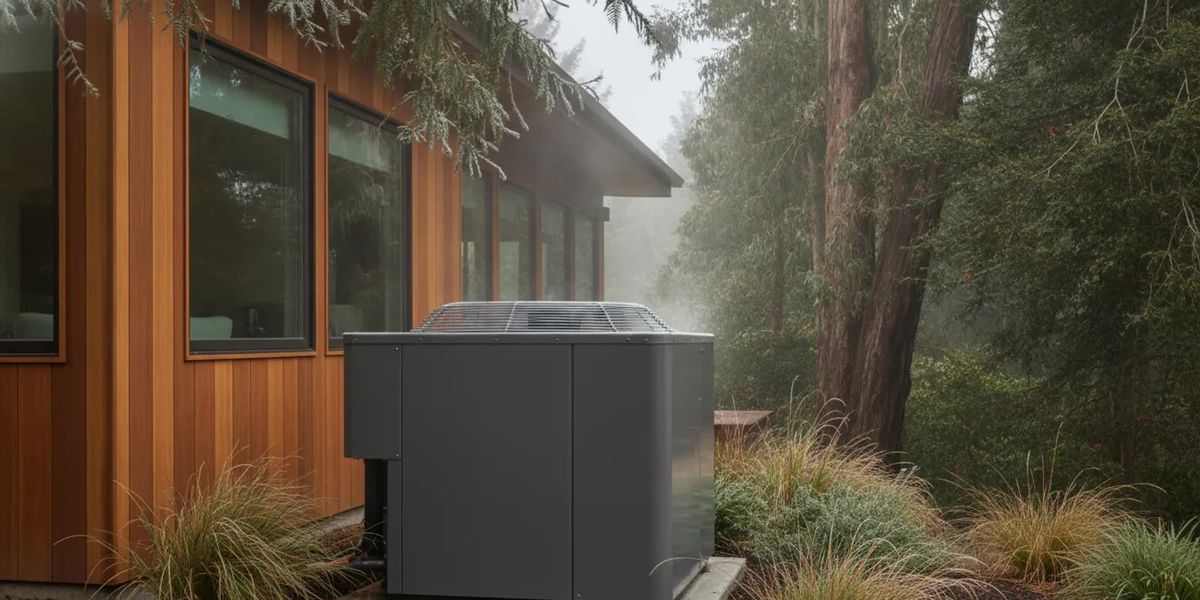
Heat pump defrost cycle problems can look alarming, especially when frost or ice gathers on the outdoor unit during cool, damp weather. Some frost is normal: a heat pump periodically reverses operation to warm its outdoor coil and melt it. Ice that remains, returns quickly, or comes with poor heating may point to a problem that deserves attention. Knowing what a normal cycle looks and sounds like can help you decide what to do next without taking risks around the equipment.
Contact Ortiz to discuss your heat pump concern
What does a heat pump defrost cycle do?
In heating mode, a heat pump draws heat from outdoor air and transfers it indoors. As the outdoor coil becomes colder, moisture in the air can condense and freeze on the coil. A thin, temporary layer of frost may form, particularly in cool, humid conditions. The system needs to clear that frost so air can move across the coil and heat can transfer effectively.
To defrost, the system briefly changes how it operates. Many systems reverse refrigerant flow so the outdoor coil warms and the frost melts. The indoor blower may pause or change speed during this period, and auxiliary heat may help maintain indoor comfort depending on the system and controls. You might hear a change in sound, see water or vapor near the unit, or notice a brief shift in the air coming from the vents.
The cycle should be temporary. Once the control determines that the coil is clear, the heat pump returns to heating. The exact timing and sequence vary by equipment, outdoor conditions, and settings, so there is no single duration that applies to every unit. The useful question is whether the equipment clears frost and resumes heating, not whether it follows a particular number of minutes.
For a broader overview of the equipment and its operation, see Ortiz's heat pump services page. The U.S. Department of Energy also provides general information about heat pump systems.
Which signs suggest a defrost problem?
One frosty observation does not automatically mean the heat pump is broken. Look for patterns and changes in performance. A problem is more likely when the unit cannot clear ice or heating output no longer keeps up.
Ice stays on the coil: Frost becomes a thick layer or solid coating and remains after the system has had a chance to defrost.
The unit ices over again quickly: Ice returns soon after it appears to clear, or the outdoor coil repeatedly becomes blocked.
Heating output drops: Rooms feel colder than usual, the system runs for unusually long periods, or warm air from the registers becomes inconsistent.
Defrost behavior seems frequent or prolonged: The system repeatedly changes sound or operation and spends much of its time not heating normally.
Water does not drain away: Meltwater collects and freezes around the base, potentially building toward the coil or cabinet.
There are unusual sounds or visible damage: Grinding, scraping, a fan striking ice, bent coil fins, or a damaged cabinet should not be ignored.
Pay attention to what happens over time. Note the outdoor conditions, how much of the coil is frosted, whether ice melts, and whether indoor comfort changes. A few observations can be more useful to a technician than one snapshot.
When is frost normal, and when is ice a concern?
Light frost on an outdoor coil during cold, wet weather can be part of normal operation. A short defrost may produce visible vapor as meltwater warms in the air. The unit may temporarily sound different or pause its usual heating pattern. These signs alone do not establish a fault if the coil clears and the home remains comfortable.
Persistent ice is different. Heavy ice that covers the coil, reaches the fan, or builds around the base may restrict airflow or interfere with moving parts. Do not chip ice away with a tool, pour hot water on the unit, or try to force the fan to turn. Those actions can damage components or create an electrical hazard. If ice is substantial or the fan appears obstructed, stop investigating and arrange professional help.
Consider the whole system as well as the outdoor unit. A heat pump that cannot maintain a comfortable indoor temperature, repeatedly trips a breaker, or shows signs of electrical damage needs prompt attention. If you notice smoke, a burning smell, or an immediate safety concern, move away from the equipment and follow appropriate emergency precautions.
What can cause a heat pump to ice up?
Defrost depends on airflow, sensors, controls, refrigerant circulation, and drainage. A visible ice layer may have more than one possible cause. Appearance alone cannot reliably identify a failed part.
Restricted airflow around the outdoor unit
Leaves, landscaping, dirt, or objects close to the cabinet can reduce airflow. The outdoor coil needs room to exchange heat. Look from a safe distance for obvious obstructions, but do not remove cabinet panels or reach through the grille. Follow the manufacturer's clearance guidance if available.
Drainage that allows meltwater to refreeze
Defrosted water needs a path away from the equipment. Poor drainage, a blocked area beneath the unit, or water pooling in freezing conditions can contribute to ice accumulation. Keep the area around the unit clear, but do not dig under it or alter its support.
A sensor or defrost control issue
Controls use temperature information and programmed logic to determine when defrost is needed and when it should end. A sensor that reads incorrectly, a wiring problem, or a control fault can interrupt that sequence. A technician may need to test the system rather than infer a cause from a visual check.
A fan, coil, or refrigerant problem
A fan that does not move air properly or a damaged coil can affect heat transfer. Refrigerant-related faults can also reduce performance. These are not homeowner adjustments. Refrigerant handling and electrical testing require appropriate tools and training.
Conditions and equipment settings
Outdoor temperature and moisture affect how much frost forms. A system may also behave differently depending on its defrost configuration, installation, and maintenance. Weather can explain some frost, but it should not be used to dismiss persistent icing, poor heating, or repeated abnormal cycles.
What can you safely check before calling?
Keep checks simple and stop if the equipment appears damaged, unsafe, or difficult to access. Do not open the electrical compartment, handle refrigerant lines, bypass controls, or attempt to repair the fan or coil.
Look at the unit from outside. See whether the coil has light frost or heavy ice, whether the fan is clear, and whether objects or vegetation block airflow. Do not put hands or tools through the grille.
Check the thermostat. Confirm that the system is set to heating and the target temperature is reasonable. If a schedule or smart thermostat is in use, check that it has not changed the setting unexpectedly.
Check the indoor air filter. If accessible, inspect it and replace it only with the correct size and type specified for the system. A dirty filter can affect airflow, though it does not prove the cause of outdoor icing.
Look for visible water pooling. Observe whether meltwater drains away or refreezes around the base. Do not pour water onto the unit or remove a built-up ice mass.
Record what you notice. Write down when the issue began, how often it occurs, whether the cycle clears frost, and how the home feels. A photo from a safe distance can help explain what you saw.
If the unit is badly iced, the fan is blocked, or the system is not heating adequately, do not keep resetting it or changing settings to force a defrost. Contact a qualified HVAC professional. Ortiz provides HVAC repair services and serves homeowners across the San Francisco Bay Area.
How should you document a recurring issue?
A clear record helps separate a one-time weather-related frost event from a repeating performance concern. You do not need specialized tools or measurements. Write down what you can observe safely and leave technical testing to the service professional.
Record the timing: Note the date, approximate outdoor conditions, and whether the issue happens after rain, fog, or a colder night.
Describe the ice: Say whether it is a thin coating, concentrated on one area, covering most of the coil, or collecting under the cabinet. Avoid touching it to estimate thickness.
Track the sequence: Note changes in sound, visible vapor or water, whether frost seems to clear, and whether the unit returns to its usual heating pattern.
Connect it to comfort: Record whether certain rooms feel colder, the thermostat setting, and whether indoor temperature seems to recover.
Keep relevant history: Mention a recent power interruption, thermostat change, filter replacement, unusual noise, or prior service, if applicable.
For example, "light frost appeared during damp weather, then cleared; the house stayed comfortable" describes a different pattern from "the coil remained covered in ice overnight and the living room became colder." That distinction does not diagnose the cause, but it helps explain urgency and directs attention to the symptom pattern. If you take a photo, do it from a safe position and do not delay help to collect more evidence.
What happens during professional diagnosis?
A technician considers the equipment model, operating conditions, symptoms, and service history. The inspection may include checking airflow, the outdoor coil and fan, the control sequence, relevant sensors and wiring, and heating performance. Testing helps distinguish a normal response to weather from a fault that prevents the cycle from starting or completing.
Describe the pattern rather than guessing at a part. Share how quickly ice forms, whether you have seen it melt, what sounds or changes occur, and whether indoor temperatures have shifted. Mention any recent filter change, thermostat adjustment, power interruption, or work on the system. Accurate observations can help direct the evaluation.
Ask what the diagnosis found, what repair is proposed, and what the diagnostic fee covers before authorizing work. Repair visits may involve a diagnostic fee; do not assume it is waived or credited toward a repair. Ortiz explains its HVAC service-call process and offers a separate maintenance service for ongoing system care.
How can you reduce the chance of recurring icing?
No homeowner routine can prevent all frost, and a heat pump still needs to defrost in conditions that cause the coil to ice. Good housekeeping and timely maintenance can help keep common airflow and drainage issues from being overlooked.
Keep plants, stored items, and yard debris from crowding the outdoor cabinet.
Check the indoor filter on a regular schedule and use the specified replacement type.
Do not cover the outdoor unit during operation or block its air openings.
Pay attention to changes in heating output, unusual noises, or ice that does not clear.
Arrange qualified maintenance according to the equipment instructions and service needs.
Maintenance is not a substitute for repair when a fault is present. If recurring ice continues despite clear airflow and ordinary care, have the system evaluated. For details about repair symptoms and next steps, read our heat pump repair service guide.
How should you compare possible explanations?
Several issues can produce similar visible symptoms, so avoid deciding that a particular component has failed based on ice alone. A practical way to think about the possibilities is to compare what you can observe with what requires testing.
Weather-related frost that clears
A light coating during cool, damp conditions that melts during a brief cycle, followed by normal heating, is more consistent with ordinary operation than a persistent blockage. Continue observing if it is occasional and the system returns to its usual pattern. If the situation changes, note when and how.
Obstruction or drainage concern
Leaves, stored objects, or vegetation crowding the outdoor unit are visible clues to restricted airflow. Pooled meltwater that refreezes around the base may point to a drainage or site condition. You can clear loose debris nearby if it is safely reachable without touching the equipment, but do not move the unit, lift it, or dig beneath it.
Control, sensor, or equipment fault
If ice persists despite open space around the unit, or the cycle appears not to start or finish, a control or component issue becomes one possibility among several. Confirming it may require electrical measurements, operating checks, or other diagnostic steps. Those tests belong to a qualified technician, not a homeowner.
This comparison is a way to organize observations, not a do-it-yourself diagnostic chart. More than one factor can contribute, and visible signs can overlap. The sensible next step depends on severity: observe a brief, clearing frost pattern; request evaluation for recurring or unresolved ice; and treat blocked fans, electrical warning signs, or loss of heat as reasons to seek prompt guidance.
Contact Ortiz to discuss your heat pump defrost concern
Contact Ortiz about a heat pump defrost concern
Frequently Asked Questions
Should a heat pump have frost on it in winter?
Light frost can form on the outdoor coil in cool, damp weather. A working defrost cycle should clear it. Heavy ice that persists, blocks the fan, or is paired with weak heating needs professional attention.
Is vapor from a heat pump during defrost dangerous?
Visible vapor can occur when warm parts of the defrost process meet cold outdoor air. It can resemble smoke, but appearance alone cannot confirm what it is. If there is a burning smell, smoke that does not clear, or another safety concern, move away and seek appropriate help.
Can I melt the ice with hot water?
Do not pour hot water on the equipment or chip at ice. Rapid temperature changes and tools can damage the coil or other parts, and working near electrical equipment can be unsafe. Arrange professional help if ice is substantial or persistent.
How long should a defrost cycle last?
There is no one duration for every model and condition. Cycle design and outdoor weather vary. Focus on whether frost clears and normal heating resumes; repeated or prolonged disruption and ice that remains are reasons to have the unit checked.
Does recurring ice always mean the heat pump needs replacement?
No. Ice can have several causes, and a technician needs to diagnose the system before recommending a repair or discussing replacement. A visible symptom by itself does not establish the condition or remaining life of the equipment.
Plan your next step
Temporary frost can be part of normal heat pump operation, but lingering ice, repeated abnormal cycles, or declining heat deserve attention. Keep clear of ice and moving parts, note the symptoms, and arrange a professional evaluation when the unit does not return to normal operation.
Ortiz Heating and Air Conditioning serves Bay Area homeowners and businesses with heating and heat pump support. Contact Ortiz to discuss your system and arrange the appropriate next step.