
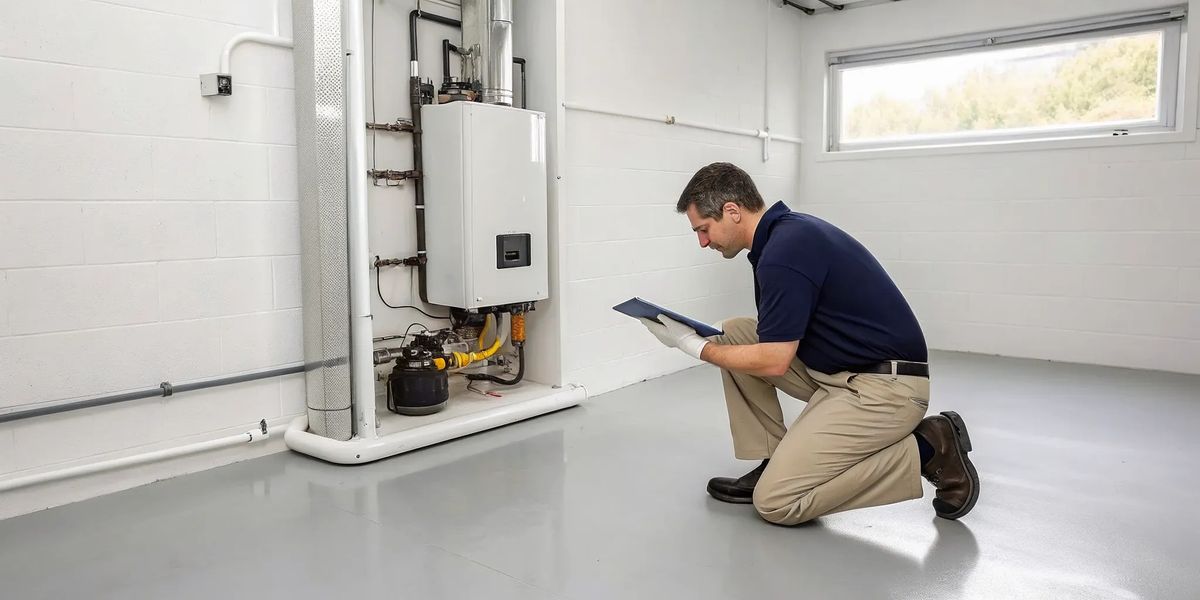
When your furnace stops working, your first instinct might be to call for a repair. But what if you could solve the problem yourself in less than 15 minutes? If your furnace is not turning on, there’s a good chance the cause is a minor issue that doesn’t require a professional technician. From a tripped circuit breaker to a clogged air filter, many common problems have simple DIY fixes. This guide is designed to empower you to run through a few basic troubleshooting steps on your own. We’ll help you check the most likely culprits so you can save time, money, and get your heat back on fast.
Key Takeaways
Troubleshoot Before You Call: Many furnace issues have simple solutions you can handle yourself. Always start by checking your thermostat settings, the furnace power switch, and the circuit breaker before assuming a major problem exists.
Your Air Filter is a Common Culprit: A clogged air filter is one of the most frequent reasons a furnace overheats and shuts down. Make it a habit to check your filter monthly and replace it when dirty to keep your system running smoothly.
Recognize When to Call a Professional: While DIY fixes are great, some signs require an expert. If you smell gas, leave immediately and call for help. For other serious symptoms, like loud banging noises or a yellow pilot light, it is safest to contact a technician.
Why Won't My Furnace Turn On?
Waking up or coming home to a cold house is never fun, especially when you know the furnace should be running. When your furnace refuses to turn on, it’s easy to assume the worst, like a costly and complicated repair. But before you panic, take a breath. Many of the most common furnace issues have surprisingly simple solutions that you can handle yourself in just a few minutes. It could be something as straightforward as a wrong setting on the thermostat or a filter that needs changing.
Working through a few basic troubleshooting steps can often get the heat back on without needing to make a service call. From checking the power supply to inspecting the pilot light, a little investigation can go a long way. We’ll walk you through the most frequent culprits, starting with the easiest fixes. If you’ve tried these steps and are still left in the cold, our team is always ready to help with professional HVAC service calls to diagnose and solve the problem safely.
Common Thermostat Problems
Before you check anything else, start with the thermostat. It’s the brain of your heating system, and a simple setting error is a very common reason for a furnace to stay off. First, make sure the thermostat is switched to the "heat" setting. It sounds obvious, but it’s easy to forget to switch it back from "cool" or "off." Next, check the temperature setting. The set temperature must be higher than the current room temperature to signal the furnace to turn on. If it’s set too low, your furnace is just doing what it’s told. Many digital thermostats also run on batteries, so if the screen is blank or dim, try replacing them.
Tripped Circuit Breakers and Fuses
Your furnace needs electricity to run, even if it’s a gas model. If the power supply is interrupted, it won’t be able to start. Head to your home’s main electrical panel (often in the garage, basement, or a utility closet) and look for the circuit breaker labeled "furnace" or "HVAC." A tripped breaker will be in the "off" position or stuck in the middle. To reset it, flip the switch firmly to the "off" position and then back to "on." If your home has an older fuse box, you may need to check for and replace a blown fuse. If the breaker trips again right away, don't reset it again; this indicates a deeper electrical issue.
The Overlooked Power Switch
Many furnaces have a dedicated power switch that looks just like a standard light switch. It’s usually located on or near the furnace unit itself, and it’s surprisingly easy to flip off by accident, especially if it’s in a high-traffic area like a basement or closet. Before you do anything else, find this switch and confirm it’s in the "on" position. Sometimes, a family member may have turned it off without realizing what it was for. This simple check can save you a lot of time and unnecessary stress, getting your heat back on with just a flick of a switch.
A Dirty Air Filter
A clogged air filter is one of the most common causes of furnace failure. Your furnace needs a steady flow of air to work correctly. When the filter is packed with dust and debris, it restricts that airflow, forcing the system to work harder. This can cause the heat exchanger to overheat, and as a safety precaution, the furnace will shut itself down. Check your furnace filter and hold it up to a light. If you can’t see light through it, it’s time for a replacement. Regularly changing your filter every 1-3 months is a key part of routine maintenance that keeps your system running efficiently.
Pilot Light or Ignition Issues
If you have an older furnace, it likely uses a standing pilot light, which is a small, continuously burning flame that ignites the main burners. If this flame goes out, your furnace won’t produce heat. You can usually find instructions for safely relighting the pilot on a label inside the furnace access panel. However, if the pilot light goes out frequently, it’s a sign of a bigger problem. Newer furnaces use electronic ignitors, which can fail over time. If you hear a clicking sound but the furnace never fires up, the ignitor may be faulty. Ignition problems often require professional repairs to fix correctly.
Gas Supply Interruptions
For your furnace to produce heat, it needs a steady supply of fuel. First, check the gas valve on the pipe leading to your furnace. The valve handle should be parallel to the pipe, which indicates it's open. If it's perpendicular, it's closed, and you can try turning it to the open position. If that doesn't work, check if other gas appliances in your home, like your stove, are working. If they aren't, there may be an issue with the gas supply to your home. Most importantly, if you smell gas, do not try to fix anything. Leave your home immediately and call your gas utility company from a safe location.
Safety First: What to Do Before You Start
Before you start troubleshooting, it's important to take a few safety precautions. These steps are simple but crucial for protecting yourself and your home. Taking a moment to prepare the area will ensure you can investigate the problem safely and effectively.
Turn Off the Power and Gas
Before you get started, your first move is to cut the power to your furnace. This is an essential safety step to prevent any risk of electrical shock. Go to your home's main electrical panel and find the circuit breaker labeled “furnace” or “HVAC.” Flip the switch to the “off” position. Next, find the gas valve on the pipe that runs to your furnace. If it has a lever, turn it so it is perpendicular to the pipe; this means it's off. Taking these two precautions ensures you can investigate the issue without putting yourself in danger.
Check Your Carbon Monoxide Detectors
Your well-being always comes first. If you smell gas, do not try to find the source. Leave your home immediately and call your gas company’s emergency line from a safe distance. It's also a great time to check on your carbon monoxide detectors. These small devices are your silent guardians against this dangerous, odorless gas. Before you begin any furnace work, press the test button on each detector to make sure they are functioning correctly. A working detector is a critical part of maintaining your home's indoor air quality and keeping your family safe.
Make Sure the Area Is Clear
Your furnace needs space to operate correctly. Look at the area around your unit. Is it being used for storage? Clear away any boxes, laundry, or flammable materials to create at least three feet of open space on all sides. This simple action prevents a fire hazard and allows for proper airflow, which helps your furnace avoid overheating. While you're at it, take a quick walk through your house to check that air vents in each room are open and not blocked by furniture or rugs. This is a simple part of regular HVAC maintenance that helps your whole system run efficiently.
A DIY Guide to Furnace Troubleshooting
When your furnace stops working on a chilly Bay Area night, it’s tempting to panic. But before you reach for the phone, there are several simple troubleshooting steps you can take on your own. Many common furnace problems have surprisingly easy fixes that don’t require a professional. Walking through these checks can save you time, money, and the discomfort of a cold house. This guide will walk you through a seven-step process to diagnose and potentially solve the issue yourself. Remember to always prioritize safety; if you ever feel unsure or smell gas, stop immediately and call for help.
Step 1: Check the Thermostat
Your thermostat is the brain of your heating system, so it’s the first place you should look. It might sound obvious, but it’s easy to overlook a simple setting error. First, make sure the thermostat is set to “Heat.” Next, check that the temperature is set higher than the current room temperature; otherwise, it won’t signal the furnace to turn on. If you have a digital thermostat, dead batteries could be the culprit, so try replacing them. A blank screen is a clear sign that new batteries are needed. These small adjustments often resolve the problem without any further effort.
Step 2: Inspect the Breaker and Power Switch
Your furnace needs electricity to run, even if it’s a gas model. A power interruption is a common reason for a furnace to stop working. Head to your home’s main electrical panel and look for a circuit breaker labeled “Furnace,” “HVAC,” or something similar. If the switch is in the middle or “Off” position, it has tripped. Flip it firmly to “Off” and then back to “On.” Additionally, most furnaces have a power switch that looks like a standard light switch located on or near the unit itself. Make sure this switch is in the “On” position, as it can sometimes be turned off by accident.
Step 3: Change the Air Filter
A clogged air filter is one of the most frequent causes of furnace failure. When the filter is packed with dust and debris, it restricts airflow. This forces your furnace to work harder, which can cause it to overheat and shut down as a safety measure. Slide the filter out of its slot on the furnace and hold it up to a light. If you can’t see light through it, it’s time for a replacement. Changing your filter is a simple task that can restore airflow and get your furnace running again. Including this in your routine furnace maintenance schedule can prevent future shutdowns.
Step 4: Look at the Pilot Light or Ignitor
How your furnace ignites depends on its age. Older furnaces use a pilot light, which is a small, continuously burning flame. If you have one, check to see if the flame has gone out. Your furnace’s manual will have specific instructions for safely relighting it. Newer furnaces, on the other hand, use an electronic ignitor. When the furnace starts, this part will glow bright orange to light the gas. If you can see the ignitor and it isn’t glowing, it may have failed. Problems with ignition systems can be complex, so if relighting the pilot doesn't work or the ignitor is faulty, it’s best to schedule a repair service.
Step 5: Make Sure the Gas Is On
Your furnace can’t produce heat without fuel. Find the gas valve on the pipe leading to your furnace; the handle should be parallel to the pipe, indicating that it’s open. If the handle is perpendicular, the gas is off, and you’ll need to turn it back on. To confirm that your home has a gas supply, you can quickly check another gas appliance, like your stove. If your stove’s burners light up, you know the gas is flowing. If other appliances aren’t working either, there may be an issue with your utility provider, and you should contact them directly.
Step 6: Clear Any Blocked Vents
Proper airflow is essential for your heating system to distribute warmth evenly throughout your home. Take a quick walk through your house and check that all the supply and return air vents are open and not blocked by furniture, rugs, or other items. A blocked vent can disrupt the air pressure in your HVAC system, leading to reduced efficiency and, in some cases, causing the furnace to shut down. If you notice persistent airflow issues in certain rooms, it might point to a deeper problem within your ductwork that requires professional duct services.
Step 7: Try the Reset Button
Many modern furnaces have a reset button or a process for clearing minor faults. A common method is to simply power cycle the system. Turn off the furnace using the power switch we mentioned in Step 2 or at the circuit breaker. Wait for about five minutes before turning the power back on. This can sometimes clear a temporary lockout error that was preventing the furnace from starting. If the furnace turns on but then shuts off again, or if the reset has no effect, it’s a sign of a more significant issue. At this point, it’s time to make an HVAC service call to have a professional diagnose the problem.
Hearing Strange Noises? What They Mean
Your furnace is usually a quiet workhorse, so when it starts making strange sounds, it’s easy to feel concerned. Think of these noises as your furnace’s way of communicating that something isn’t quite right. Paying attention to the specific type of noise can give you a good idea of what’s happening inside the unit and whether it’s time to call in a professional. Let’s break down some of the most common furnace sounds and what they might mean.
Clicking
A repetitive clicking sound often means your furnace’s ignition system is struggling. The system is trying to light the burners, but a dirty flame sensor or a failing igniter might be getting in the way. If the clicking continues without the furnace actually starting, the ignition sequence has failed. While you can do a quick visual check, a persistent clicking problem is a clear signal that it's time to schedule a professional repair. An expert can safely diagnose and fix the underlying ignition issue.
Humming or Buzzing
If you hear a loud humming or buzzing, the cause is likely electrical. This sound often points to a problem with the blower motor or its capacitor, which helps the motor run. You might also notice that no air is coming from your vents, which means the motor is having trouble starting. Keeping up with routine HVAC maintenance can help prevent these electrical components from failing unexpectedly. If the noise doesn’t stop, it’s wise to have a technician investigate to avoid a more significant motor failure.
Banging or Rattling
Banging or rattling can be caused by something simple, like a loose panel or screws on the furnace itself. It could also be debris moving around inside your ductwork. However, a loud bang that occurs when the furnace turns on is more serious. This can be a sign of delayed ignition, where gas builds up before it lights, causing a mini-explosion. This is a hazardous condition that puts a lot of stress on your furnace. If you hear a loud bang, turn off your system and schedule a service call right away.
Whistling or Squealing
High-pitched sounds like whistling or squealing usually point to airflow problems. A whistling noise is often caused by a dirty air filter forcing air through a small opening, but it can also indicate a leak or blockage in your ducts. A squeal, however, typically comes from the blower motor bearings wearing out. These bearings may need to be lubricated or replaced. If changing your air filter doesn't stop the noise, it’s a good idea to have a professional inspect your system and potentially provide duct services.
The Importance of a Clean Air Filter
Of all the DIY fixes for a furnace, changing the air filter is probably the easiest and most impactful. It’s a small task that prevents some of the biggest headaches. Your furnace filter is designed to trap dust, pollen, and other airborne particles, keeping them out of your HVAC system and the air you breathe. When it gets clogged, it can’t do its job, and that’s when problems start. A dirty filter is one of the most common reasons a furnace stops working correctly. Making this simple check part of your routine can save you money and prevent repairs.
How a Dirty Filter Causes Problems
Think of a dirty air filter like a roadblock for air. When the filter is clogged with dust and debris, it severely restricts airflow. This forces your furnace to work much harder to pull in air and circulate it through your home. This extra strain can cause the system to overheat and shut down as a safety measure, which might be why your furnace isn't turning on. Over time, this constant overwork leads to higher energy bills and can shorten the lifespan of your furnace. A dirty filter also allows dust and allergens to circulate, which can worsen your home’s indoor air quality.
How Often Should You Change Your Filter?
The general rule is to check your furnace filter monthly and replace it every one to three months. However, this schedule isn't one-size-fits-all. If you have pets that shed, live with someone who has allergies, or your Bay Area home is particularly dusty, you’ll likely need to change it more frequently. The type of filter you use also plays a role. The best approach is to inspect it monthly. If it looks gray and clogged with dirt, it’s time for a new one. Regular professional maintenance can also help you stay on a healthy replacement schedule.
How to Choose the Right Furnace Filter
Walking down the filter aisle can feel overwhelming, but the key is to look for the MERV rating, which stands for Minimum Efficiency Reporting Value. This number tells you how effective the filter is at capturing airborne particles. While a higher number means better filtration, it’s not always the best choice. A very high-MERV filter can be so dense that it restricts airflow, putting strain on your system. For most homes, a filter with a MERV rating between 7 and 13 offers a great balance of air filtration and system efficiency. Always check your furnace manual for specific recommendations.
When to Call a Professional for Help
While it’s empowering to fix things yourself, there are times when it’s smarter and safer to call in a professional. If you’ve worked through the DIY steps and your furnace still isn’t cooperating, or if you feel you’re getting in over your head, it’s time to contact an expert. Some issues, especially those involving gas or complex electrical components, require specialized tools and knowledge to diagnose and fix safely. Trying to handle these problems on your own can lead to more extensive damage or create serious safety hazards for your home and family.
Remember, a professional technician can quickly identify the root cause of the problem, saving you time and frustration. Getting expert HVAC repairs ensures the job is done correctly, giving you peace of mind that your system is running safely and efficiently. Don’t hesitate to reach out when you’re unsure; it’s the best way to protect your investment and keep your home comfortable.
You Smell Gas or Suspect a CO Leak
This is the most critical rule: if you smell gas, your safety is the top priority. Do not try to find the source or fix it yourself. Leave your home immediately, and once you are a safe distance away, call your gas company’s emergency line. A gas leak is extremely dangerous and requires immediate attention from a utility professional. Similarly, since carbon monoxide (CO) is odorless and colorless, you might not know there’s a leak until your CO detector goes off or you start feeling symptoms like dizziness and headaches. If you suspect a CO leak, get everyone out of the house and call 911. Improving your home's indoor air quality starts with addressing these urgent safety concerns first.
The Pilot Flame Is Yellow or Flickering
Take a look at your furnace’s pilot light, if it has one. A healthy pilot flame should be a steady, bright blue color. If you see a flame that is yellow, orange, or flickering weakly, it’s a red flag. A yellow or flickering flame often points to incomplete combustion or a problem with the gas supply. This is not just an efficiency issue; it can also be a sign that your furnace is producing carbon monoxide. Instead of trying to adjust the flame yourself, this is a clear signal to turn off the furnace and call a technician for a professional heating service call. They can safely diagnose the cause and ensure your system is burning fuel correctly.
You Suspect a Major Mechanical Problem
If you’ve gone through all the basic troubleshooting steps and your furnace remains silent, you’re likely dealing with a more significant mechanical or electrical failure. Issues like a faulty motor, a broken ignitor, or problems with the furnace’s control board are not simple DIY fixes. Hearing loud banging, grinding, or squealing noises also points to internal problems that need an expert eye. Continuing to run a furnace with these symptoms can cause even more damage. When you suspect a major issue, it’s best to call a licensed HVAC technician. They have the diagnostic tools and expertise to pinpoint and resolve complex furnace repairs safely.
The Same Issue Keeps Happening
Are you finding yourself resetting your furnace every few days? Or does the system seem to shut down for the same reason over and over again? A recurring problem is a clear sign of an underlying issue that a simple reset won’t solve. While your quick fix might get the heat running temporarily, it doesn’t address the root cause. Constant breakdowns put extra strain on your furnace and can lead to a complete system failure. This is where professional HVAC maintenance becomes so valuable. A technician can perform a thorough inspection to find and fix the core problem, preventing future breakdowns and extending the life of your furnace.
Related Articles
Frequently Asked Questions
My furnace isn't working. What are the first few things I should check before calling for help? Before you do anything else, start with the simplest things. First, go to your thermostat and confirm it’s set to “heat” and that the target temperature is set higher than the current room temperature. Next, find the furnace’s dedicated power switch, which often looks like a regular light switch on or near the unit, and make sure it’s on. Finally, check your home’s electrical panel to see if the furnace circuit breaker has tripped. These quick checks often solve the problem.
The post mentions air filters a lot. How do I know if my filter is the problem? A clogged filter is a very common reason for a furnace to shut down. The easiest way to check is to slide the filter out of its slot and hold it up to a light source. If you can't see the light shining through it, the filter is too full of dust and is restricting airflow. This can cause your furnace to overheat as a safety precaution. Replacing a dirty filter is an easy and inexpensive step that might get your heat running again immediately.
Is it safe for me to try relighting the pilot light myself? If you have an older furnace with a standing pilot light, you can usually relight it safely by following the manufacturer's instructions, which are typically printed on a label inside the furnace access panel. However, if you are not comfortable doing this, or if the pilot light refuses to stay lit after you relight it, it’s a sign of a bigger problem. A pilot that repeatedly goes out indicates an issue that needs a professional’s attention.
My furnace is making a loud banging sound when it turns on. What does that mean? A loud bang is a sound you should take seriously. It often points to delayed ignition, a condition where gas builds up inside the combustion chamber before it actually lights. This creates a small, forceful pop that can put a lot of stress on your furnace components. If you hear this sound, it's best to turn your system off and schedule a professional service call to diagnose the issue and prevent further damage.
I've tried all the simple fixes, but my furnace still won't turn on. What's my next step? If you've already checked the thermostat, power supply, and air filter without any luck, it’s time to call a professional. The problem is likely a more complex mechanical or electrical issue, such as a faulty ignitor, a failing motor, or a problem with the control board. Attempting to fix these issues yourself can be unsafe and may lead to more costly damage. A qualified technician has the tools and expertise to find the root cause and get your heat back on safely.