
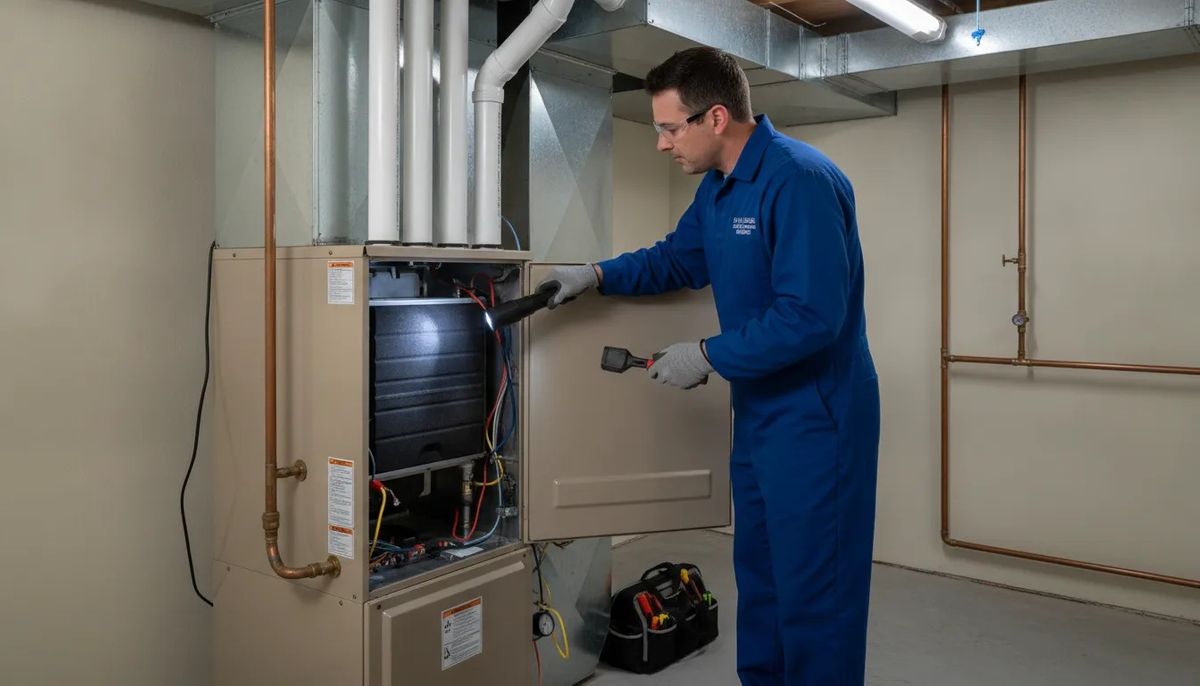
Your gas furnace keeps your home warm during the cold Bay Area months. But a hidden crack in its heat exchanger can leak deadly carbon monoxide into the air you breathe. This gas has no smell, no taste, and no color, which is why it causes more than 400 deaths each year across the United States according to the CDC. Understanding carbon monoxide safety HVAC risks is the first step to protecting your family from this silent threat.
Schedule a furnace safety inspection with Ortiz Heating and Air Conditioning today. Call 925-370-4323 to book your appointment.
What Are the Most Common Causes of Carbon Monoxide in Bay Area Homes?
Carbon monoxide safety HVAC risks stem from three main sources in Bay Area homes: a cracked heat exchanger in a gas furnace. A blocked vent pipe that traps exhaust indoors, and damaged ductwork that pulls contaminated air from crawlspaces or attics into living areas. According to the CDC, gas furnaces are the most common source of CO in residential buildings. And annual professional inspections are the only reliable way to detect these hidden hazards before they become life-threatening. Pairing professional maintenance with properly placed CO detectors on every floor creates the strongest defense against this invisible danger.
Bay Area homeowners face specific carbon monoxide risks because of the region's older housing stock, varied microclimates, and widespread use of natural gas for heating. Understanding where CO comes from helps you know what to look for and when to call a professional.
Cracked heat exchangers in gas furnaces
The most common way CO enters a home is through a cracked heat exchanger. This metal part separates the burning fuel from the air that your blower fan pushes into your living spaces. When a crack forms, toxic combustion gases mix directly with the clean air circulating through your home. Small cracks develop over years of thermal stress as the metal expands when hot and contracts when cool. A crack the width of a human hair can release dangerous levels of CO into your home without making any noise or producing any visible sign. Ortiz Heating and Air Conditioning uses specialized combustion analysis tools to detect these cracks during annual furnace inspections, catching problems that are invisible to the naked eye.
Blocked vents and chimney flues
Your furnace needs an unobstructed path to vent exhaust gases outside. According to the EPA, blocked vents are a leading cause of CO buildup in homes. Bird nests, fallen debris, and accumulated soot can clog vent pipes and force toxic gases back into your living space. Bay Area homes with older chimney flues face additional risks because aging masonry can develop cracks that allow exhaust to escape into wall cavities rather than traveling safely outdoors. Ortiz technicians inspect every exhaust flue during a maintenance visit to make sure the path is clear and functioning correctly.
Leaks from damaged ductwork
Your duct system can pull carbon monoxide from areas like crawlspaces or attics where gas appliances sit. When return ducts have gaps or tears, they create a vacuum effect that draws air from those spaces and pushes it into your bedrooms and living areas. An air conditioner does not produce CO itself, but it can circulate CO from a nearby leaking furnace or water heater through damaged ducts. This is especially common in Bay Area homes where furnaces and water heaters share a closet or mechanical room. Indoor air quality evaluations from Ortiz can identify these hidden risks and recommend solutions.
Warning Signs Your Furnace May Be Producing Carbon Monoxide
You cannot see or smell carbon monoxide, but your furnace often gives physical clues when something is wrong. Catching these signs early can prevent a dangerous situation before it develops. Ortiz recommends checking for these warning signs at least once per month during the heating season:
Yellow or flickering burner flames. A healthy gas furnace produces a steady blue flame. Yellow or dancing flames mean incomplete combustion, which produces excess CO as a byproduct.
Soot buildup around the furnace. Black or dark residue on or near your furnace indicates poor combustion and potential venting problems that need immediate attention.
Rust on vent pipes or the heat exchanger. Corrosion weakens metal components and can create small pathways for CO to escape into your home's air supply.
Excess window condensation. Moisture accumulating on windows during heating season can signal incomplete combustion and inefficient flue gas venting.
Unexplained flu-like symptoms. Headaches, dizziness, nausea, or fatigue that improve when you leave the house may indicate CO exposure. The CDC notes that CO poisoning symptoms often mimic the flu but without a fever.
If multiple family members or pets feel unwell at the same time and the symptoms happen only when you are at home. Leave the building immediately and call 911 from outside. Do not re-enter until emergency responders confirm it is safe. After the emergency is resolved, Ortiz provides expert heating system inspections that can identify the root cause of a CO problem and restore your home to a safe condition.
How Does Professional HVAC Maintenance Prevent Carbon Monoxide?
Professional maintenance is the single most effective carbon monoxide safety HVAC measure a homeowner can take. The CDC recommends annual inspections for every fuel-burning appliance, and Bay Area homeowners should schedule theirs in early fall before the heating season begins from November through March. A thorough inspection catches problems that no home test or detector can identify.
MethodWhat It FindsFrequencyReliabilityProfessional inspection with combustion analysisCracked heat exchangers, blocked vents, burner issues, CO levelsAnnual (before heating season)Highest, the only way to find hidden cracksCO detector alarmElevated CO in the air after a leak has startedContinuous (battery check monthly)Good, but can false-alarm or miss low levelsVisual inspection (homeowner)Soot, rust, yellow flames, window condensationMonthly during heating seasonModerate, catches visible issues onlyCarbon monoxide test kitSpot-check of current CO levels in one areaAs neededLow, single-point test may miss intermittent leaks
Combining annual professional inspections with properly placed CO detectors on every floor gives your family the strongest protection against carbon monoxide. Detectors are a vital backup, but they only sound an alarm once a leak is already underway. Professional maintenance prevents leaks from developing in the first place.
Schedule your annual furnace inspection with Ortiz today. Call 925-370-4323 to book your appointment.
What a Full Safety Inspection Covers
An Ortiz safety inspection goes far beyond a basic cleaning. Our technicians perform a combustion test to verify the fuel-to-air ratio is correct and measure actual CO levels in the exhaust stream. They inspect the heat exchanger for cracks using specialized cameras and dye tests that reveal fractures invisible to the naked eye. The team checks all vent and flue pipes for blockages from bird nests, debris, or soot accumulation. They examine the burner assembly for proper flame characteristics and test every safety limit switch to confirm the system will shut down if a malfunction occurs. Ortiz maintenance plans include these critical safety checks and help extend the life of your equipment through regular professional care.
Why the Heat Exchanger Requires Special Attention
The heat exchanger is the most critical safety component in your gas furnace. This sealed metal chamber keeps toxic combustion gases completely separate from the air that enters your home through the duct system. Over time, the repeated heating and cooling cycle causes metal fatigue that can lead to cracking. The National Fuel Gas Code requires heat exchanger inspections as part of standard furnace maintenance, yet many homeowners skip this vital check. A cracked heat exchanger is the leading cause of furnace-related CO poisoning in residential buildings across the country. Ortiz technicians have the advanced training and diagnostic equipment to identify heat exchanger failures early, often before the crack becomes large enough to release dangerous CO levels. Early detection means you can plan a replacement on your schedule rather than facing an emergency situation in the middle of winter.
Following a spring HVAC maintenance checklist is a good start for basic upkeep, but a professional fall inspection is essential for catching the specific CO-related risks that develop during the heavy-use heating season.
Where Should You Place Carbon Monoxide Detectors for Maximum Safety?
Carbon monoxide detectors are a vital backup to professional maintenance, but placement makes a significant difference in how effectively they protect your family. Installing detectors in the wrong locations can delay detection, produce false alarms, or leave parts of your home unprotected.
Install a detector on every level of your home. This includes the basement and attic if those spaces contain fuel-burning appliances like a furnace, water heater, or boiler.
Place detectors within 15 feet of each bedroom door. This ensures the alarm is loud enough to wake sleeping family members if a leak occurs at night.
Mount detectors at the right height. CO mixes evenly with air, so wall-mounted detectors should be about five feet above the floor. Ceiling-mounted units are also effective.
Avoid placement near windows, doors, or ventilation registers. Fresh air from outside can dilute CO levels and delay the alarm from sounding.
Do not install detectors in kitchens or garages. Cooking appliances and vehicle exhaust can trigger false alarms that desensitize your family to the warning.
Test each detector monthly and replace batteries twice a year when you change your clocks. Replace the entire detector unit according to the manufacturer's schedule, typically every five to seven years. Contact Ortiz if you have questions about your home's specific CO detection needs or want recommendations for the best detector models for your home.
What Should You Do If You Suspect a Carbon Monoxide Leak?
Knowing the correct emergency response to a suspected CO leak can save lives. Every second counts when carbon monoxide is present in your home. Follow these steps in exact order:
Evacuate immediately. Get every person out of the house, including pets. Do not stop to open windows, grab belongings, or investigate the source.
Call 911 from outside the building. Emergency responders have calibrated CO meters that can confirm whether the air is safe.
Do not re-enter the building until emergency personnel tell you it is safe to do so, even if your symptoms improve.
Contact Ortiz Heating and Air Conditioning after the emergency is resolved. We will inspect your entire heating system, identify the source of the leak, and perform the necessary repairs or replacements to restore your home's safety.
Schedule a follow-up inspection after repairs are complete to confirm the problem is fully resolved and no new risks have developed.
If you suspect a furnace problem but have not heard your CO alarm, call Ortiz at 925-370-4323 to schedule an inspection before the situation worsens.
Why Are Bay Area Homes at Higher Risk for Carbon Monoxide Issues?
Bay Area homeowners face several unique carbon monoxide safety HVAC challenges that make annual inspections especially important. The region's older housing stock, much of it built before modern building codes required adequate ventilation and sealed combustion systems. Often has aging furnaces with original heat exchangers that are decades past their intended service life. The Bay Area's varied microclimates cause furnaces to cycle on and off frequently during mild winter days, which increases cumulative thermal stress on heat exchangers over time. The region's earthquake activity can shift vent connections or crack flue pipes. These changes often go completely unnoticed after a seismic event but create immediate CO risks when the heating system turns on for the first time the following fall.
Local regulations in many Bay Area cities including San Francisco, Oakland, and San Jose require CO detectors in all residential units. Some jurisdictions mandate hardwired detectors with battery backup and interconnection between units so that if one alarm sounds, all alarms sound throughout the home. Ortiz technicians stay current with all local building codes and ordinance requirements so we can advise homeowners on compliance during every service visit.
Protect your Bay Area home with an annual furnace inspection from Ortiz. Call 925-370-4323 to schedule your appointment today.
Frequently Asked Questions
Can an electric HVAC system cause carbon monoxide?
Electric furnaces and heat pumps do not produce carbon monoxide because they do not burn fuel. However, your home may still have CO risks from other gas appliances such as water heaters, stoves, or gas dryers. Ortiz can evaluate your entire home for CO risks, not just your heating system.
What level of CO is unsafe in a home?
According to the EPA, sustained levels above 9 parts per million can affect health over several hours. Levels of 70 parts per million or higher can cause noticeable symptoms such as headaches and nausea within minutes. A functioning CO detector will sound an alarm at these levels. Never wait for physical symptoms to confirm a problem exists.
How often should I get my furnace inspected for carbon monoxide safety HVAC issues?
The CDC recommends annual inspections for all fuel-burning appliances including furnaces, water heaters, and gas fireplaces. Bay Area homeowners should schedule their inspection in early fall before the peak heating season. Ortiz maintenance plans include annual safety inspections with combustion analysis and heat exchanger evaluation.
Is it safe to run a gas furnace without a carbon monoxide detector?
Operating a gas furnace without a CO detector is dangerous and may violate local building codes. California law requires CO detectors in most residential dwelling units. A functioning detector provides an essential early warning system that complements annual professional maintenance, giving your family time to evacuate if a leak develops between scheduled inspections.
Schedule Your Carbon Monoxide Safety HVAC Inspection Today
Your family's safety depends on a properly functioning heating system that receives regular professional attention. A single annual inspection from Ortiz Heating and Air Conditioning can identify hidden carbon monoxide risks before they become dangerous. Our NATE-certified technicians have the specialized training and diagnostic equipment to detect cracked heat exchangers, blocked vents, and other CO hazards that threaten your home's safety.
Call 925-370-4323 today to schedule your furnace safety inspection. Protect your Bay Area home from carbon monoxide with a thorough inspection from Ortiz Heating and Air Conditioning. Your trusted local HVAC partner serving Pleasant Hill, Walnut Creek, and the entire East Bay since 1999. chedulxngers and blocked vent
s b