
Get expert tips on new heat pump installation, from choosing the right system to maintenance, so your home stays comfortable and energy efficient year-round.
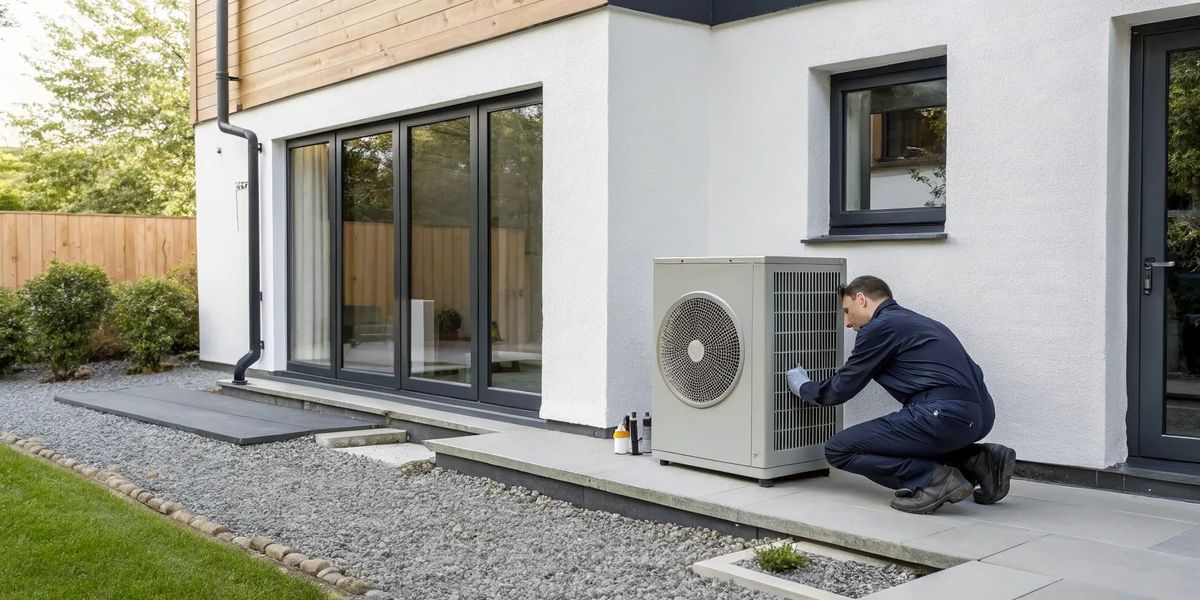
The Ultimate Guide to New Heat Pump Installation
The Bay Area is known for its unique microclimates; what works in the foggy Sunset District might not be ideal for sunny San Jose. This is where a heat pump truly shines. These versatile systems are perfectly suited for our moderate but varied weather, providing efficient cooling on warm days and reliable heating when the coastal chill sets in. Unlike older, separate furnace and AC units, a modern heat pump offers a streamlined, all-in-one solution that adapts to our specific climate needs. Choosing the right system and getting a quality new heat pump installation ensures you’re prepared for any weather our region throws your way. We’ll explore why these systems are a great match for local homes and how to select the best one for your neighborhood.
Key Takeaways
- Rethink your home comfort with one unit: A heat pump works as both an air conditioner and a heater by moving heat instead of creating it, making it a highly efficient, year-round solution that's perfect for the Bay Area.
- Your installer choice is as important as the unit: A professional installation is essential for efficiency and longevity. A certified technician will correctly size your unit, protect your warranty, and ensure your system performs at its peak from the start.
- Make your investment pay off for years: To get the most from your heat pump, look for local rebates to lower the initial cost. Then, protect your investment with simple DIY maintenance and annual professional tune-ups to ensure long-term savings and reliability.
What Is a Heat Pump and How Does It Work?
If you’re looking for an all-in-one solution for your home’s comfort, a heat pump is a fantastic option to consider. Think of it as a two-way temperature mover. Instead of generating heat like a traditional furnace, a heat pump works by transferring it. In the summer, it pulls heat from inside your home and moves it outside, acting just like an air conditioner. In the winter, it reverses the process, extracting heat from the outside air (yes, even when it’s cold!) and bringing it inside to warm your home.
This method of transferring heat rather than creating it makes heat pumps incredibly energy-efficient. A brand new heat pump can be an essential part of your home’s HVAC system, and with an expert installation, it can keep your home comfortable for many years. Because they handle both heating and cooling, they can simplify your setup by replacing two separate pieces of equipment with one smart, efficient unit. The U.S. Department of Energy provides a great overview of how heat pump systems operate if you want to learn more about the mechanics.
Heat Pumps vs. Traditional HVAC
So, how does a heat pump stack up against a traditional furnace and air conditioner? The biggest difference is that a heat pump does the job of both. Instead of having a separate AC for summer and a furnace for winter, a single heat pump unit handles your comfort all year round. This is especially practical for homes in moderate climates like the Bay Area, where a heat pump can easily manage both heating and cooling needs without requiring a backup furnace. A professional installation is the key to making sure your system performs well and delivers on its energy-saving promise from day one.
Key Benefits for Bay Area Homes
For homeowners in the Bay Area, modern heat pumps offer some serious advantages. Today’s models, especially "inverter" types, are far more advanced than older versions and work very efficiently even on cooler days. This means you can enjoy significant savings on your energy bills while also reducing your home's carbon footprint, a win-win for your wallet and the environment. When you're shopping, you'll see efficiency ratings like SEER2 for cooling and HSPF2 for heating. While units with higher ratings may have a larger upfront cost, they save you more money on energy bills over time, making them a smart long-term investment for your home.
Exploring Your Heat Pump Options
Once you decide a heat pump is right for you, the next step is choosing the specific type. This isn’t a one-size-fits-all decision; the best system depends on your home’s layout, your property, and your budget. Understanding the differences will help you have a more productive conversation with your HVAC technician and feel confident in your final choice. Let's walk through the main heat pump options available for your home.
Air-Source Heat Pumps
This is the most common type of heat pump you'll find in homes across the country, and for good reason. Air-source heat pumps work by transferring heat between your house and the outside air. In the winter, they pull heat from the outdoor air to warm your home, and in the summer, they reverse the process to cool it down. The U.S. Department of Energy notes that modern air-source heat pumps are a versatile and efficient choice, especially in moderate climates like the Bay Area. They are relatively straightforward to install and offer a great balance of performance and value.
Ground-Source (Geothermal) Heat Pumps
Ground-source, or geothermal, heat pumps are the heavy hitters of energy efficiency. Instead of using the outside air, they use the stable temperature of the earth to transfer heat. A series of pipes, called a loop, is buried in your yard to make this happen. According to the U.S. Environmental Protection Agency, geothermal heat pumps can be up to 600% more efficient than traditional heating systems. While the initial installation is more involved and costly, the long-term energy savings can be massive, making them a fantastic investment for homeowners planning to stay in their homes for years.
Ductless Mini-Split Heat Pumps
Have an older home without ductwork, a new addition, or a garage you want to heat and cool? A ductless mini-split heat pump is your perfect solution. These systems consist of an outdoor unit connected to one or more indoor units mounted on the wall or ceiling. This setup allows you to create different temperature "zones" in your home, so you only heat or cool the rooms you're using. As noted by Energy Star, ductless systems are highly efficient and give you incredible flexibility and control over your home's comfort.
Water Source Heat Pumps
A less common but powerful option is the water-source heat pump. This system functions similarly to a geothermal unit, but instead of using the ground, it uses a body of water like a pond, lake, or well to transfer heat. If your property has access to a suitable water source, these systems can be incredibly effective. The U.S. Department of Energy explains that water-source heat pumps are very efficient because water temperatures tend to be more stable than air temperatures throughout the year. They are a specialized choice but can provide excellent results in the right setting.
What to Consider Before Installing a Heat Pump
Choosing the right heat pump is about more than just picking a brand. It’s about finding a system that fits your home, your lifestyle, and the unique Bay Area climate. Several key factors come into play, from the size of the unit to the condition of your existing ductwork. Thinking through these details ahead of time ensures your new system will run efficiently and keep you comfortable for years to come. A professional home assessment is the best way to get a clear picture, but here are the main points to consider as you begin your research.
Sizing Your Unit for Your Home
It’s easy to think bigger is better, but when it comes to heat pumps, the right size is what matters most. An oversized unit will cycle on and off too frequently, wasting energy and failing to properly dehumidify your home. A unit that’s too small will run constantly without ever reaching your desired temperature. A professional heat pump installation starts with a "Manual J Load Calculation." This isn't just about square footage; it’s a detailed analysis of your home’s insulation, window sizes, ceiling height, and even the number of people living there to determine the perfect fit.
Understanding Energy Efficiency Ratings: SEER2 and HSPF2
When you look at heat pumps, you’ll see two important ratings: SEER2 and HSPF2. The Seasonal Energy Efficiency Ratio (SEER2) measures cooling efficiency, while the Heating Seasonal Performance Factor (HSPF2) measures heating efficiency. For both, a higher number means greater energy savings and lower utility bills over the life of the unit. Investing in a model with high ratings is one of the smartest ways to get the most out of your new heat pump. It’s a choice that pays you back every month.
Bay Area Climate Compatibility
The Bay Area is known for its microclimates, and your heat pump needs to be ready for whatever your specific neighborhood experiences. While our winters are milder than in other parts of the country, temperatures can still drop. Modern heat pumps are incredibly effective in our climate, but it’s worth considering a cold-climate model if you live in a chillier area. These units are designed to operate efficiently even when the temperature dips. As a local company, we know exactly what systems perform best across all the areas we serve.
Your Home's Existing Ductwork
Your heat pump can be the most efficient model on the market, but it won’t matter if your ductwork is leaky or poorly designed. Your ducts are the delivery system for all that comfortable air. Before installation, it’s essential to have a professional evaluate your existing ducts for leaks, blockages, and proper sizing. In some cases, repairs may be needed to ensure your new system performs at its peak. If your home doesn’t have adequate ductwork, a ductless mini-split system could be a fantastic alternative. We can help you explore your options for duct services.
Unit Placement and Noise Levels
The placement of both the indoor and outdoor units is a practical detail you don’t want to overlook. The outdoor unit needs good airflow and should be located where its sound won’t be a nuisance to you or your neighbors. It also needs to be easily accessible for future maintenance. The indoor unit, or air handler, should be placed in a central location to distribute air evenly throughout your home. Thinking about placement ahead of time ensures your system operates efficiently and quietly. If you have questions, feel free to contact us to discuss your home’s layout.
How Much Does Heat Pump Installation Cost?
Let’s talk about the budget. The cost of a new heat pump installation can range quite a bit, because the final price tag depends on your specific home, the type of system you choose, and the complexity of the job. Think of it less as an off-the-shelf purchase and more as a custom upgrade for your home.
While it’s a significant investment, a new heat pump is also an investment in your home’s comfort and energy efficiency. The best way to get a clear picture of the cost for your home is to get a quote from a trusted professional who can assess your unique needs.
Factors That Influence the Final Price
So, what goes into that final price tag? Several key factors play a role. The type of heat pump is a major one. A standard ducted system that uses your home's existing ductwork will have a different price point than a ductless mini-split system designed for homes without ducts. Geothermal systems, which use the stable temperature of the earth, are the most efficient but also require the largest upfront investment. The size of your home and the unit's efficiency rating also heavily influence the cost. A larger, more efficient unit will naturally cost more upfront but will save you more on energy bills down the line.
Finding Bay Area Rebates and Tax Credits
Here’s some good news for your wallet. Many federal, state, and local utility programs in the Bay Area offer rebates and tax credits to encourage homeowners to switch to energy-efficient systems. These incentives can significantly reduce the net cost of your heat pump installation. While higher-efficiency models might have a steeper initial price, the rebates combined with long-term energy savings often make them the most economical choice. A knowledgeable installer can be your best resource here, helping you identify all the programs you qualify for to make your new system more affordable.
Calculating Your Long-Term Savings
To understand the true value of a heat pump, you have to look beyond the initial installation cost. These systems are built to last, with an average lifespan of 12 to 15 years, and some can even reach 20 years with proper care. Over that time, the energy savings can really add up, especially in the Bay Area's climate. Regular professional maintenance is key to maximizing both the lifespan and the efficiency of your unit. When you get an estimate, ask your technician to help you calculate the potential long-term savings so you can see how quickly your investment can start paying for itself.
The Installation Process: A Step-by-Step Guide
Knowing what to expect on installation day can make the process feel much smoother. While every home is unique, a professional heat pump installation follows a clear, structured path to ensure your new system is safe, efficient, and perfectly suited to your space. From the initial assessment to the final walkthrough, each step is designed to give you peace of mind and a reliable heating and cooling solution for years to come. Here’s a look at what a quality installation from a team like ours involves.
Step 1: The Home Assessment
The first step is a thorough home assessment. A qualified technician will visit your home to get the lay of the land. This isn’t just a quick look; they’ll evaluate your existing ductwork, check your electrical panel’s capacity, and identify the best locations for the indoor and outdoor units. They will also measure your home, note its insulation levels, and consider factors like window placement and local Bay Area climate patterns. This detailed evaluation is essential for determining the correct size and type of heat pump, which is the key to maximizing energy efficiency and home comfort.
Step 2: Selecting Your Equipment
Once the assessment is complete, it’s time to choose your heat pump. Your technician will use the data from the assessment to perform what’s called a "Manual J Load Calculation." This industry-standard calculation goes far beyond simple square footage to determine your home's precise heating and cooling needs. It accounts for everything from ceiling height and insulation values to the number of people living in your home. Based on these results, your technician can recommend specific models that will perform optimally, helping you select the perfect equipment for your home and budget.
Step 3: Preparing the Installation Site
With your new heat pump selected, the installation team will prepare the site. This involves getting the area for the outdoor unit ready by ensuring it’s clean, level, and slightly elevated to allow for proper drainage and airflow. If you have an old HVAC system, the team will carefully disconnect and remove it. This includes safely handling and disposing of old materials like refrigerant, following strict environmental regulations. The crew will take care to protect your home and property throughout this process, laying down drop cloths and keeping their work area tidy.
Step 4: Installing the Indoor and Outdoor Units
Now it’s time to put the new components in place. The team will begin the heat pump installation by carefully setting the outdoor unit on the prepared pad and mounting the indoor unit, often called an air handler, in a utility closet, basement, or attic. The technicians work methodically to ensure both units are positioned securely and have adequate clearance for future maintenance. They take great care to protect your floors, walls, and belongings while they work, ensuring the only thing they leave behind is a perfectly installed new system.
Step 5: Connecting Electrical and Refrigerant Lines
With the units in place, the next step is to connect them. This is a critical phase that requires technical expertise. The technicians will run a set of copper refrigerant lines between the indoor and outdoor units, creating a closed loop for the refrigerant to circulate. They will also handle all the electrical work, which includes installing a new disconnect box and running wiring from your home’s main electrical panel to the heat pump. Finally, they’ll connect the low-voltage wires that allow your thermostat to communicate with the new system, giving you seamless control over your home’s climate.
Step 6: Testing and Final Walkthrough
The job isn’t done until your new system is proven to work flawlessly. The lead installer will perform a series of rigorous tests, checking the heating, cooling, and defrost cycles to confirm everything is operating according to the manufacturer’s specifications. This step is crucial for ensuring peak performance and validating your warranty. Once testing is complete, the technician will walk you through your new system, show you how to operate the thermostat, and answer any questions you have. They’ll also explain best practices for ongoing care, like how to schedule future professional tune-ups.
Common Mistakes to Avoid When Choosing a Heat Pump
A new heat pump is a significant investment in your home’s comfort and efficiency. Making the right choice from the start ensures you get the most out of it for years to come. Unfortunately, a few common missteps can lead to higher energy bills, poor performance, and a lot of frustration. By knowing what to watch for, you can feel confident in your decision and enjoy a comfortable home, no matter the season.
We’ll walk through the four biggest mistakes homeowners make when selecting a new heat pump and how you can easily sidestep them. From getting the size just right to taking advantage of local savings, a little knowledge goes a long way. With the right approach, you can find a heat pump system that’s perfectly suited for your Bay Area home.
Getting the Sizing Wrong
When it comes to heat pumps, bigger is definitely not better. An oversized unit will cycle on and off too frequently, failing to properly dehumidify your home and causing unnecessary wear and tear. A unit that’s too small will run constantly without ever reaching your desired temperature. The key is finding a system that is sized just right for your specific space.
A reliable HVAC professional will perform a "Manual J Load Calculation" to determine the perfect size. This isn't a simple guess based on square footage; it’s a detailed analysis of your home’s unique characteristics, including its insulation, window types, ceiling height, and even the number of occupants. This ensures your new system operates efficiently and keeps you comfortable. You can get a free estimate to start the process with a proper home assessment.
Overlooking Efficiency Ratings
Efficiency ratings tell you how much heating or cooling you get for every dollar you spend on energy. It’s easy to get lost in the alphabet soup of acronyms, but the two most important ones are SEER2 (Seasonal Energy Efficiency Ratio 2) for cooling and HSPF2 (Heating Seasonal Performance Factor 2) for heating. For both ratings, a higher number means greater efficiency.
While the highest-rated models can be expensive, you don’t always need the top-of-the-line unit to see significant savings. For many Bay Area homes, a heat pump with a SEER2 rating between 16 and 19 hits the sweet spot, offering a great balance of upfront cost and long-term energy savings. A professional can help you compare models and find the right balance for your budget.
Underestimating Professional Installation
A heat pump is a complex piece of equipment, and its performance depends entirely on proper installation. This is not a weekend DIY project. Attempting to install it yourself or hiring an unqualified handyman can lead to refrigerant leaks, electrical issues, and poor airflow. These mistakes can cost you thousands in wasted energy, lead to frequent breakdowns, and dramatically shorten the lifespan of your new unit.
To protect your investment and your warranty, always work with a licensed and certified team. Professional heat pump installation ensures every component, from the electrical wiring to the refrigerant lines, is connected safely and correctly. This guarantees your system runs at peak efficiency from day one.
Missing Out on Rebates
Many homeowners don’t realize they can significantly lower the cost of a new heat pump through rebates and tax credits. Utility companies and local organizations often offer incentives to encourage homeowners to switch to energy-efficient systems. Here in the Bay Area, programs like BayREN provide rebates that can save you hundreds or even thousands of dollars.
A knowledgeable local installer can be your best resource for finding these savings. They stay up-to-date on current programs and can help you with the application process. When you get a quote, be sure to ask about available rebates and financing options. Combining these incentives with your long-term energy savings makes a new heat pump an even smarter financial decision.
Why Professional Installation Is a Must
It can be tempting to tackle home improvement projects yourself, but installing a heat pump isn't like painting a room or putting together furniture. This is a complex job that involves electrical wiring, refrigerant lines, and precise calculations to ensure your system runs correctly. While you might save a few dollars on the initial setup, a DIY or improper installation can lead to much bigger costs and headaches down the road. Trusting a professional is the single best way to make sure your new system works efficiently and safely from day one.
Protect Your Safety, Warranty, and Investment
A heat pump is a major investment in your home's comfort, and you want to protect it. Professional installation is the key. The process requires specialized skills for handling electrical components and refrigerants, which can be hazardous if mishandled. A certified technician ensures everything is connected safely and according to code, giving you peace of mind.
Beyond safety, most manufacturers’ warranties are only valid if the unit is installed by a licensed professional. A DIY job could void your warranty before you even turn the system on, leaving you on the hook for any future repair costs. Ultimately, professional installation makes sure your heat pump performs at its best, lasts a long time, and remains a valuable, protected asset for your home.
The True Cost of an Improper Installation
The data is pretty surprising: an estimated 90% of all HVAC systems are installed incorrectly. This often happens when a system is the wrong size for the home or is wired poorly. While you might not notice these mistakes right away, they have serious consequences over time. Cutting corners during installation can lead to thousands of dollars in wasted energy, a system that struggles to keep you comfortable, and a much shorter lifespan for your new heat pump.
Instead of saving money, a poor installation just means you'll be spending more on high utility bills and frequent repairs. Getting the installation right from the start prevents these issues, ensuring your system runs efficiently and reliably for years to come. It’s about doing it right the first time to avoid paying for it over and over again.
How to Find a Qualified Heat Pump Installer
Finding the right person to install your new heat pump is just as important as choosing the right unit. A great installation ensures your system runs efficiently for years, while a poor one can lead to headaches and high energy bills. So, how do you spot a true professional? It comes down to knowing what credentials matter and asking the right questions to ensure your investment is in good hands.
Credentials to Look For
When you're vetting potential installers, start with the basics. A qualified contractor should be fully licensed, bonded, and insured. This is non-negotiable; it protects you and your home from any potential mishaps. Next, look for a company with a proven track record, especially with heat pump systems. These units have specific installation needs, so you want a team that specializes in them, not just a general handyman. Check for certifications from reputable organizations, which show a commitment to quality and ongoing training. Finally, look into their local reputation. A company with deep roots in the Bay Area and positive customer reviews is a strong indicator that you’re in good hands.
Questions to Ask Before You Hire
Once you have a shortlist of qualified contractors, it’s time to interview them. Don't be shy about asking detailed questions; a true professional will be happy to answer them. First, ask if they will perform a comprehensive home assessment to determine the correct size for your unit. They should also be able to explain the different efficiency ratings and help you choose the best model for your needs. Inquire about their process for handling local rebates and tax credits, as this can save you a significant amount of money. Always ask for a detailed, itemized quote in writing to avoid any surprises. A clear quote is the sign of a transparent and trustworthy business.
How to Maintain Your New Heat Pump
Your new heat pump is a fantastic investment in your home’s comfort and efficiency. To keep it running smoothly for years to come, a little bit of regular care goes a long way. Think of it like owning a car; you wouldn’t skip the oil changes and expect it to perform well. The same principle applies here. Most of these maintenance tasks are simple things you can do yourself to ensure your system operates at its best.
Taking these small steps helps maintain peak performance, keeps your energy bills low, and can even extend the lifespan of your unit. For everything else, having a trusted professional on your side is key. Here are the essential maintenance tips to protect your new heat pump and keep your home comfortable all year round.
Replace Filters Regularly
This is one of the easiest and most effective things you can do for your heat pump. A clogged or dirty filter forces the system to work harder to circulate air, which wastes energy and puts extra strain on the components. Changing your filters regularly (usually every 1 to 3 months, depending on the type) ensures your system runs efficiently. It also dramatically improves your home’s indoor air quality by trapping dust, pollen, and other particles, which is a huge plus for everyone in your household.
Keep the Outdoor Unit Clear
Your heat pump's outdoor unit needs space to breathe. Take a walk outside every few weeks to make sure the area around it is clear. Remove any leaves, twigs, grass clippings, or other debris that may have collected around the unit. You’ll want to maintain at least two feet of clearance on all sides. This simple habit ensures proper airflow, which is essential for the heat pump to effectively transfer heat. A blocked unit can’t do its job well and will see a drop in efficiency.
Check Your Ductwork
Your ducts are the highways that deliver conditioned air throughout your home. If those highways have leaks, gaps, or poor connections, a significant amount of that precious warm or cool air can escape into your attic or crawl spaces. This forces your heat pump to run longer to reach your desired temperature, wasting energy and money. While you can do a visual inspection for obvious tears, a professional can perform a more thorough assessment. If you suspect an issue, our duct services can help seal and repair your system for maximum efficiency.
Schedule Professional Tune-Ups
While DIY tasks are helpful, nothing replaces an annual professional tune-up. During a service visit, a certified technician can inspect the electrical components, check refrigerant levels, clean the coils, and identify small issues before they turn into major, expensive problems. Scheduling routine maintenance is the single best way to ensure your heat pump operates safely, efficiently, and reliably for its entire lifespan. It protects your warranty and gives you peace of mind knowing your system is in expert hands.
Related Articles
- Heat Pump Services - Call Today - Ortiz Heating and Air
- Key Factors to Consider When Installing a Ductless HVAC System - Ortiz Heating and Air
- Choosing Between HVAC Repair and Installation - Ortiz Heating and Air
- The Benefits of Professional HVAC Installation and What to Expect - Ortiz Heating and Air
- Energy-Efficient HVAC Solutions for Cost Savings and Environmental Imp - Ortiz Heating and Air
Frequently Asked Questions
Is a heat pump really effective in the Bay Area's climate? Absolutely. Modern heat pumps are a perfect match for the Bay Area's moderate weather. They are incredibly efficient at both heating and cooling, so they can easily handle our cool, damp winters and our warm, dry summers. Because our temperatures rarely drop to extreme lows, a heat pump can operate at peak efficiency almost all year, providing consistent comfort and significant energy savings compared to a traditional furnace and air conditioner setup.
My house is old and doesn't have ducts. Can I still get a heat pump? Yes, you have a great option available. Ductless mini-split heat pumps are designed specifically for homes without existing ductwork. These systems use a compact outdoor unit connected to one or more indoor units that can be mounted on a wall or ceiling. This allows you to heat and cool individual rooms or zones, giving you flexible control over your home's comfort without the need for a major renovation to install ducts.
How much maintenance does a heat pump actually need? Maintaining your heat pump is pretty straightforward. On your own, you should plan to change the air filters every one to three months and keep the area around the outdoor unit clear of leaves and debris. Beyond that, it's essential to schedule a professional tune-up once a year. This annual service ensures a technician can check refrigerant levels, clean internal components, and make sure everything is running safely and efficiently, which protects your investment for the long haul.
How long does the installation process usually take? A standard heat pump installation in a home with existing ductwork can typically be completed in a single day. If the project is more complex, such as a ductless mini-split installation with multiple indoor units or a system that requires significant ductwork modifications, it might take two to three days. A professional installer will give you a clear timeline after assessing your home so you know exactly what to expect.
Are the energy savings from a heat pump really worth the upfront cost? For most homeowners, the answer is a definite yes. While the initial investment for a heat pump can be higher than a traditional furnace, the long-term savings on your utility bills are substantial. These systems are so efficient that the monthly energy savings, combined with available local rebates and tax credits, often help the system pay for itself over its lifespan. It's an investment in lowering your home's energy consumption and monthly expenses.