
Get practical tips for maintenance air conditioner unit care. Learn easy steps to keep your AC running efficiently and avoid costly repairs at home.
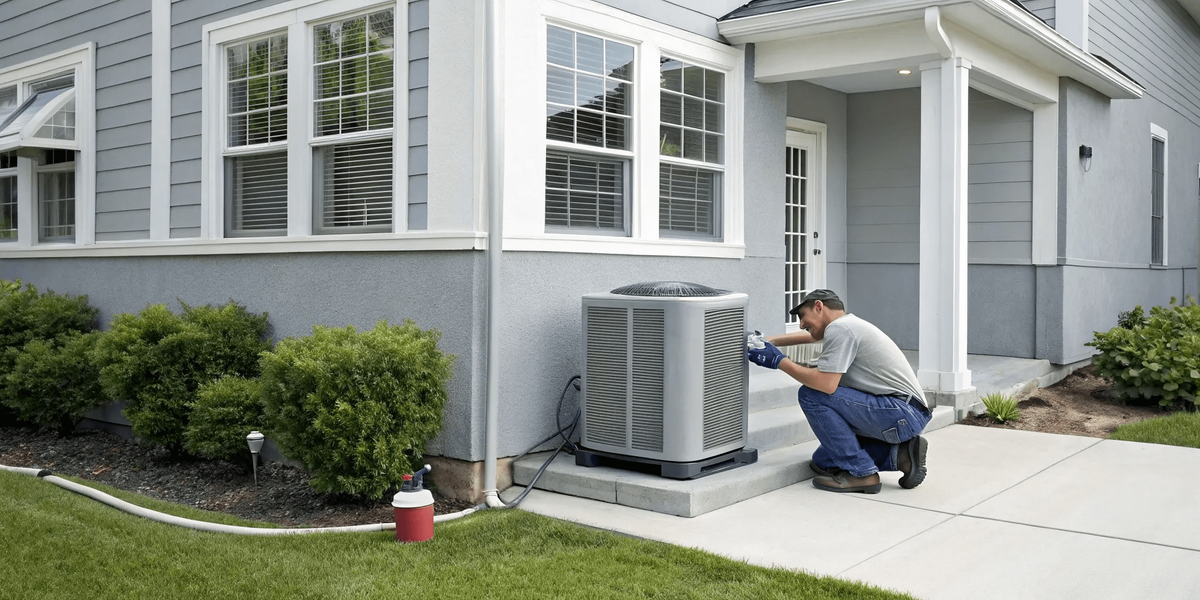
Maintenance Air Conditioner Unit: A Homeowner's Guide
That first surprise heatwave in the Bay Area always seems to arrive without warning. One day it’s mild, and the next you’re scrambling to get the AC running, only to find it’s blowing warm air or making a strange noise. Waiting until you’re desperate for cool air to discover a problem is a stressful and often expensive situation. A proactive approach is always better. By following a simple, year-round schedule for the maintenance air conditioner unit, you can ensure your system is always ready to perform when you need it most. This guide breaks down the essential tasks for every season, helping you stay ahead of problems and keep your home comfortable.
Key Takeaways
- Handle the basics, but leave complex jobs to a pro: Your most important tasks are changing the air filter regularly and keeping the outdoor unit clear of debris; a certified technician should always handle annual tune-ups, electrical work, and refrigerant checks.
- Skipping maintenance costs more in the long run: Neglecting your AC leads to higher energy bills, weaker cooling, and a greater risk of expensive system failures, which far outweighs the cost of a yearly service call.
- A simple seasonal schedule prevents surprises: Schedule professional service in the spring, check your filter monthly during the summer, and protect your outdoor unit in the fall to keep your system reliable and efficient all year.
Your Essential AC Maintenance Checklist
Keeping your air conditioner running smoothly is one of the most important things you can do as a homeowner, especially when those warm Bay Area days arrive. A well-maintained AC unit not only keeps you comfortable but also runs more efficiently, saving you money on energy bills and helping you avoid costly, unexpected breakdowns. But where do you even start? It can feel like a complex piece of machinery, but a lot of its basic care is straightforward.
Think of this checklist as your guide to annual AC wellness. We’ve broken down the most critical maintenance tasks into simple, actionable steps. Some of these are easy DIY jobs that anyone can tackle in a few minutes, while others require the specialized tools and safety training of a professional technician. By understanding the difference, you can confidently handle the basics yourself and know exactly when to schedule a professional service call.
Regular maintenance is the key to extending the life of your system and ensuring it performs at its best year after year. Neglecting these simple tasks can lead to reduced cooling power, higher utility costs, and even premature system failure. Following this guide will help you protect your investment and ensure your home remains a cool sanctuary all summer long. Let's walk through the essentials.
Keep Your Filters Clean
This is the number one rule of AC care. Your air filter is the first line of defense, trapping dust, pollen, and other particles before they can get into your system. When it gets clogged, it forces your AC to work much harder to pull in air, which wastes energy and drives up your bills. A dirty filter can also lead to poor indoor air quality and cause dust to build up on sensitive internal parts, leading to bigger problems down the road. Make it a habit to check your filter every month during the cooling season. If it looks dirty, clean or replace it. It’s a simple five-minute task that pays off big time.
Maintain Your AC Coils
Your AC has two sets of coils that work together to cool your home: the evaporator coil inside and the condenser coil outside. Even with a clean filter, the indoor evaporator coil can collect dirt over time, which makes it harder for it to absorb heat from your air. This is a delicate component that’s best left for a professional cleaning during an annual tune-up. You can, however, help your outdoor condenser coil. This unit gets dirty from dust, leaves, and grass clippings. Gently rinse it with a garden hose (don't use a pressure washer!) and trim back any plants or shrubs to ensure there are at least two feet of clear space around it for proper airflow. This helps your system release heat effectively.
Verify Refrigerant Levels
Refrigerant is the substance that actually cools the air, and your AC is designed to run with a very specific amount. If the level is too low, it usually means there’s a leak, and your system won't cool properly. If it’s too high, it can damage the compressor, which is the heart of your AC unit. Checking and handling refrigerant requires special tools and training to do it safely and accurately. This is definitely not a DIY job. During professional air conditioning services, a technician will check the refrigerant levels and pressures to make sure everything is operating exactly as it should. If they find a leak, they can repair it and recharge the system correctly.
Inspect Electrical Parts
Just like any major appliance, your air conditioner relies on a network of electrical connections, capacitors, and motors to run. Over time, vibrations can loosen connections, and parts can wear out. A faulty electrical component isn't just an efficiency issue; it can be a serious safety hazard and may prevent your AC from starting at all. During professional maintenance, a certified technician will inspect and tighten all electrical connections, test capacitors, and lubricate motor parts. This preventative check ensures your system runs safely and reliably, catching small electrical issues before they can turn into major, expensive repairs. It’s a critical step that gives you peace of mind.
How Often Should You Change Your Air Filter?
One of the simplest yet most important tasks in home maintenance is changing your HVAC air filter. It’s a small step that has a huge impact on your system’s efficiency, your energy bills, and your home’s air quality. A clean filter allows air to flow freely, while a clogged one forces your system to work much harder to cool or heat your home. This extra strain can lead to expensive repairs and a shorter lifespan for your unit.
So, what’s the magic number? The truth is, there isn’t a single schedule that fits every home. How often you need to change your filter depends on your lifestyle and environment. Factors like having pets, family members with allergies, or living in an area with a lot of dust can mean you’ll need to swap it out more frequently. Think of it less as a rigid rule and more as a routine tailored to your home’s specific needs. Following a consistent schedule is a core part of any good HVAC maintenance plan and is essential for maintaining healthy indoor air quality.
Check Filters Monthly During Peak Season
During the Bay Area’s warmest summer months and chilliest winter days, your HVAC system is working its hardest. This constant use means it’s pulling more air, and therefore more dust and debris, through the filter. To keep up, you should get in the habit of checking your air filter at least once a month during these peak seasons. The Department of Energy recommends checking filters every one to two months when your system is in heavy use. A quick visual inspection is all it takes. If the filter looks gray and clogged with dust, it’s time for a change. This simple monthly check ensures your system runs efficiently when you need it most.
Follow a Seasonal Replacement Schedule
For the milder parts of the year when you’re not running your AC or heater constantly, you can typically stretch the time between filter changes. For the average household without pets or allergy concerns, replacing the filter every 90 days is a good rule of thumb. However, always check the manufacturer's recommendation for your specific filter. Some higher-efficiency pleated filters are designed to last up to six months or even a year, as HVAC experts at Carrier note. If you have furry pets, family members with respiratory issues, or live near a high-pollen area, you’ll want to stick to a more frequent schedule, likely every 30 to 60 days.
Know the Warning Signs of a Clogged Filter
Sometimes your HVAC system will tell you exactly when it’s time for a filter change. If you notice that your home isn’t cooling down as quickly as it used to, or if the system seems to be running constantly without shutting off, a clogged filter is the most likely culprit. Other red flags include a dusty smell when the system kicks on, reduced airflow from your vents, or even ice forming on your AC coils. These are all signs that the filter is so blocked that it’s restricting airflow and straining the system. If you spot any of these issues, check your filter first. If a new filter doesn’t solve the problem, it’s time to schedule an HVAC service call to have a professional diagnose the issue.
Why Is Professional AC Maintenance Worth It?
Thinking of professional AC maintenance as just another expense is a common mistake. It’s actually an investment in your home’s comfort, efficiency, and long-term financial health. A trained technician can spot and fix minor issues before they turn into major headaches, ensuring your system runs smoothly when you need it most. From extending the life of your unit to keeping your energy bills in check, the benefits of a yearly tune-up far outweigh the cost. Let’s look at exactly why scheduling that service call is one of the smartest decisions you can make as a homeowner.
Help Your AC Unit Last Longer
Your air conditioner is one of the most expensive appliances in your home, and you want it to last as long as possible. Just like a car, your AC system needs regular check-ups to perform at its best. With consistent professional care, a standard air conditioner can last 15 to 20 years, a significant increase from the 10-year lifespan of a neglected unit. An annual maintenance appointment ensures that all components are clean, lubricated, and working correctly, which reduces wear and tear and helps you get the most out of your investment for years to come.
Lower Your Energy Bills
An air conditioner that struggles to run costs you more money every month. Over time, dust and debris build up on coils and filters, forcing the system to work harder to cool your home. This inefficiency shows up directly on your utility bill. During a maintenance visit, a technician cleans these critical parts and ensures the unit is running at peak efficiency. A well-maintained system uses less energy to produce the same amount of cool air, leading to noticeable savings on your cooling costs throughout the summer.
Prevent Expensive Breakdowns
There’s nothing worse than your AC giving out during a Bay Area heatwave. Regular maintenance is your best defense against unexpected and costly breakdowns. A technician can identify worn-out parts, potential electrical issues, or low refrigerant levels before they cause a complete system failure. Addressing these small problems early is much more affordable than paying for emergency repairs and the potential damage a malfunctioning unit can cause. It provides peace of mind, knowing your system is reliable when temperatures start to climb.
Keep Your Warranty Valid
Did you know that skipping annual maintenance could void your AC unit’s warranty? Many manufacturers require proof of regular service from a licensed professional to honor their warranty agreements. If your system breaks down due to a problem that could have been prevented by a routine check-up, the manufacturer may refuse to cover the cost of the repair. Scheduling yearly HVAC service calls not only keeps your system in top shape but also protects you financially by ensuring your warranty remains active. It’s a simple step that safeguards you from major out-of-pocket expenses.
The Real Cost of Skipping AC Maintenance
It’s easy to put off AC maintenance. When your system seems to be working just fine, scheduling a tune-up can feel like an unnecessary expense. But thinking of maintenance as a cost is a mistake; it’s actually an investment. Skipping your annual service might save you a little money today, but it almost always leads to bigger, more expensive problems down the line. The real cost isn’t just measured in dollars, but also in your comfort, your time, and even the quality of the air you breathe inside your home.
Think of it like the regular oil changes your car needs. You wouldn’t drive your car for years without one and expect it to run smoothly. Your AC unit is a complex machine that works hard, especially during our warm Bay Area summers. Without regular care, its efficiency drops, parts wear out faster, and you’re left dealing with the consequences. From a system that can’t keep up with a heatwave to a sudden, complete breakdown on the hottest day of the year, the effects of neglect can really disrupt your life. A consistent maintenance schedule is the best way to keep your system reliable and your home comfortable.
Weak Cooling and Poor Performance
Have you ever felt like your AC is running constantly but your home never gets truly cool? That’s a classic sign of a neglected system. Over time, dust and debris build up on filters and coils, which restricts airflow and makes it much harder for your AC to do its job. According to the Department of Energy, a system that isn't maintained won't work as well and will use more energy to cool your home. Instead of crisp, cool air, you get weak, lukewarm air and hot spots throughout the house. Regular cleaning and tune-ups ensure your system can perform at its best, keeping you comfortable when you need it most.
Unexpectedly High Energy Bills
A struggling air conditioner doesn't just perform poorly; it also becomes an energy hog. When parts are dirty or worn, your system has to work overtime to reach the temperature you’ve set on the thermostat. All that extra effort translates directly into higher electricity consumption, which you’ll see reflected in your monthly utility bills. What starts as a small dip in efficiency can quickly lead to a significant spike in your energy costs over a single cooling season. Investing in professional air conditioning services for maintenance helps your system run as efficiently as possible, keeping your home cool without wasting energy and money.
Costly System Failures
Small, preventable issues are often the root cause of major, expensive breakdowns. A clogged drain line, a failing capacitor, or low refrigerant levels might not seem like a big deal at first, but if left unaddressed, they can cause a domino effect that leads to catastrophic failure. Many system failures that homeowners hope are covered by warranty are actually denied due to a lack of maintenance. An emergency repair call in the middle of a heatwave is not only stressful but also far more expensive than a planned maintenance visit. Regular check-ups catch these problems early, saving you from the headache and high cost of a complete system meltdown.
Worse Indoor Air Quality
Your AC system does more than just cool your home; it also circulates the air you and your family breathe every day. When the system is dirty, it can become a breeding ground for mold, bacteria, and other allergens. A clogged filter can’t effectively trap dust, pollen, and pet dander, allowing these particles to be spread throughout your home. This can aggravate allergies and asthma and reduce the overall freshness of your indoor air. Prioritizing routine maintenance is a simple yet effective way to support better indoor air quality and create a healthier living environment for everyone inside.
DIY AC Maintenance Tasks You Can Safely Handle
While your annual professional tune-up is non-negotiable for keeping your system in top shape, there are a few simple tasks you can handle yourself. Think of these as the small, regular check-ins that keep your AC running smoothly between expert visits. Performing these tasks can improve efficiency, lower your energy bills, and help you spot potential issues before they become major problems. Before you start any maintenance, always turn off the power to your AC unit at the main breaker box for safety.
Clean the Outdoor Unit
Your outdoor unit, or condenser, works hard to release heat from your home. Over time, it can get covered in dirt, grass clippings, and leaves, which forces it to work harder. To clean it, start by clearing away any large debris stuck to the outside. Then, use a garden hose on a gentle setting to spray the fins from the inside out, washing away any built-up grime. Never use a pressure washer, as the high-powered stream can easily bend the delicate fins. A clean condenser allows for better airflow and more efficient air conditioning performance.
Clear Away Debris
Proper airflow is critical for your air conditioner’s health. Take a walk around your outdoor unit and make sure there’s at least two feet of clear space on all sides. Trim back any encroaching shrubs, weeds, or overhanging tree branches. This buffer zone ensures your system can pull in enough air to function correctly and disperse heat effectively. It’s a simple step that prevents the unit from overheating and struggling to cool your home, especially during those warm Bay Area summers. Keeping this area clear also makes it easier for HVAC technicians to service the unit.
Straighten Condenser Fins
The metal fins on your outdoor unit are fragile and can easily get bent by things like hail, stray rocks from a lawnmower, or even just accidental bumps. Bent fins block airflow and reduce your system's efficiency. You can gently fix them using a fin comb, an inexpensive tool available at most hardware stores. Simply run the comb through the fins in the same direction they are oriented, being careful not to apply too much pressure. According to the U.S. Department of Energy, keeping these fins straight is a key part of regular maintenance.
Unclog the Condensate Drain Line
Your AC doesn't just cool the air; it also removes humidity. That moisture is collected and funneled outside through a condensate drain line. This line can get clogged with algae and sludge, causing water to back up and potentially damage your home. You can help keep it clear by locating the drain line outside (usually a PVC pipe near your condenser unit) and using a wet/dry vacuum to suck out any blockages. Pouring a cup of distilled vinegar down the line every few months can also help prevent buildup. If you notice water pooling around your indoor unit, it could signal a stubborn clog that needs professional AC repair.
When to Call an HVAC Professional
While handling some basic AC maintenance tasks yourself is a great way to keep your system in good shape, certain jobs require an expert's touch. Knowing when to step back and call an HVAC professional is key to preventing bigger problems and ensuring your safety. Professionals have the specialized tools, training, and experience to diagnose complex issues and handle potentially hazardous components like electrical wiring and refrigerant. If you ever feel unsure about a task or notice something that seems off, it’s always best to get a professional opinion. A quick service call can save you from costly repairs and give you peace of mind that your system is running correctly and safely.
For Your Annual Tune-Up
Think of an annual tune-up as a yearly check-up for your air conditioner. Just like you see a doctor for preventative care, your AC needs a professional to inspect it and make sure everything is working as it should. We recommend scheduling professional maintenance once a year, ideally in the spring before the Bay Area heat sets in. During this visit, a technician will clean internal components, check electrical connections, test system controls, and ensure your AC is ready for the demands of summer. This proactive step helps your system run more efficiently, extends its lifespan, and catches small issues before they become major headaches.
For Complex Electrical and Refrigerant Work
When it comes to your AC’s electrical system and refrigerant, it’s time to call in the pros. These components are not only complex but can also be dangerous to handle without the right training and equipment. A professional has the expertise to safely test capacitors, inspect wiring, and manage refrigerant levels, which are regulated by the EPA. Attempting these tasks on your own can lead to personal injury, damage to your system, or an expensive mistake. If you suspect an electrical issue or a refrigerant leak, your safest bet is to schedule professional repairs right away.
When You Spot These Warning Signs
Your air conditioner will often give you clues when something is wrong. If you notice any of the following warning signs, it’s a clear signal that you need to call a professional for help:
- It’s not cooling properly: If the air coming from your vents feels weak or isn't cold, there could be a number of issues, from a refrigerant leak to a failing compressor.
- It runs constantly: An AC unit that never seems to turn off is working too hard, which can lead to high energy bills and a system breakdown.
- It’s short cycling: Does your AC turn on and off every few minutes? This is called short cycling and it puts major stress on your system.
- You see ice forming: Ice on the copper lines or coils is a definite red flag that indicates a problem with airflow or refrigerant.
Common AC Maintenance Mistakes to Avoid
Even with the best intentions, it’s easy to overlook a few key maintenance steps that keep your air conditioner running efficiently. These common missteps can lead to higher energy bills, reduced comfort, and unnecessary strain on your system. By avoiding these simple mistakes, you can help your AC perform its best all summer long. It’s all about working smarter, not harder, to keep your home cool and comfortable. Let’s walk through a few things you’ll want to keep an eye on.
Forgetting to Check Your Thermostat
It might sound basic, but your thermostat is the brain of your cooling system. An incorrect setting can cause your AC to run constantly or cycle on and off too frequently, which wastes energy and puts extra wear on the components. Make sure your thermostat is set to "cool" and the fan is on "auto," not "on." The "on" setting keeps the fan running even when the AC isn't cooling, which can pull humid air back into your home. For even better control, consider a smart thermostat that can learn your schedule and adjust temperatures automatically. If your thermostat seems off or unresponsive, it might be time for an HVAC service call.
Ignoring Your Ductwork
Your ducts are the highways that deliver cool air throughout your home. If those highways have potholes in the form of leaks, cracks, or poor connections, a significant amount of that precious cool air can escape into your attic, crawlspace, or walls. This forces your AC system to work much harder to cool your living spaces, driving up your energy bills. During a professional tune-up, a technician can inspect your ductwork for leaks and seal them properly. Our duct services ensure that the air you're paying to cool actually reaches the rooms where you need it most, improving both efficiency and comfort.
Skipping Seasonal Prep
Just like you’d prepare your car for a long road trip, your AC needs a little prep work before it takes on the summer heat. A common mistake is waiting until the first heatwave to turn on the system, only to find out it isn't working correctly. Getting ahead of the season is key. At the start of spring, take a moment to clear away any leaves or debris that have collected around your outdoor unit over the winter. Most importantly, schedule a professional tune-up. An annual maintenance visit from an HVAC technician in the spring ensures your system is clean, inspected, and ready for peak performance before you truly need it.
A Simple AC Maintenance Schedule for Every Season
Keeping your air conditioner in top shape isn’t a one-and-done task; it’s a year-round commitment that follows the rhythm of the seasons. Thinking about your AC’s needs throughout the year helps you stay ahead of potential problems and ensures you’re always ready for a Bay Area heatwave. By breaking down maintenance into a simple seasonal schedule, you can make the process feel less overwhelming and more routine. This approach keeps your system running efficiently, extends its lifespan, and gives you peace of mind, no matter the weather.
Spring: Prep for the Heat
Think of spring as your AC’s pre-season training. Before the temperatures start to climb, you want to make sure your system is ready for the demands of summer. The most important step is to schedule an annual professional service with a qualified HVAC technician. An expert can inspect, clean, and tune up your system to catch any small issues before they become major headaches. Early spring is the perfect time for this, as you’ll beat the summer rush and ensure your unit is running at peak efficiency from the very first hot day. You can also do a quick visual check of your outdoor unit to ensure it’s clear of any debris that accumulated over the winter.
Summer: Keep Things Running Smoothly
Once summer arrives, your AC is working hard. Your job is to help it run as efficiently as possible. The easiest and most effective task is checking your air filter every month or two. A dirty filter restricts airflow, forcing your system to work harder and driving up your energy bills. You should also keep an eye on the outdoor unit. Make sure to clear away any leaves, grass clippings, or branches that could block airflow. According to Carrier, you can gently rinse the coil fins with a hose to remove dirt. Just be sure not to use a power washer, as the high pressure can cause damage.
Fall: Prepare for the Off-Season
As the weather cools down, it’s time to get your AC ready for its winter hibernation. The main goal is to protect your outdoor unit from the elements. The Department of Energy suggests covering the condenser unit to shield it from falling leaves, ice, and debris throughout the winter. A breathable, waterproof cover works best, as it prevents moisture from getting trapped inside, which could lead to rust or mold. This is also a great time to shift your focus to your home’s heating. Ensuring your furnace or heat pump is ready for winter will ensure a seamless transition from cooling to heating.
Related Articles
- Importance of Regular Maintenance
- Spring Is Coming! Learn Maintenance Tips For Your HVAC System
- Preventive Measures to Keep Your Residential HVAC System in Good Condition
- How Regular HVAC Maintenance Can Prevent Costly Repairs
- The Importance of Regular HVAC Maintenance for Homes and Businesses
Frequently Asked Questions
How often should I schedule professional AC maintenance? We recommend having a professional technician service your air conditioner once a year. The best time to do this is in the spring, before the warm weather really kicks in. This ensures your system is clean, efficient, and ready to handle the summer heat, and it helps you catch any small issues before they turn into major problems during a heatwave.
What is the single most important maintenance task I can do myself? Without a doubt, it's regularly checking and changing your air filter. A clogged filter is the number one cause of poor performance and system strain. It forces your AC to work much harder, which wastes energy and can lead to damage. Checking it once a month during peak cooling season is a simple, five-minute habit that makes a huge difference.
My AC is making a strange noise. Should I be concerned? Yes, you should pay attention to any new or unusual sounds. Your AC should operate with a consistent, low hum. If you hear grinding, squealing, or loud banging noises, it's a clear sign that a component is failing or has come loose. It's best to turn the system off to prevent further damage and call a professional for a diagnosis.
Is it really necessary to clean the area around my outdoor unit? Absolutely. Your outdoor unit needs plenty of space to breathe so it can effectively release heat from your home. When leaves, grass clippings, or overgrown shrubs block the unit, it restricts airflow. This forces the system to work harder, reduces its efficiency, and can even cause it to overheat on very hot days.
Can skipping one year of professional maintenance really cause that much harm? It certainly can. Skipping even one annual tune-up means small issues, like loose electrical connections or a slow refrigerant leak, go unnoticed. These problems don't fix themselves; they get worse. This leads to a less efficient system that costs more to run and puts you at a much higher risk of a sudden and expensive breakdown when you need your AC the most.