
If your heater is not working in house, try these simple troubleshooting steps before calling a technician to restore warmth and comfort to your home.
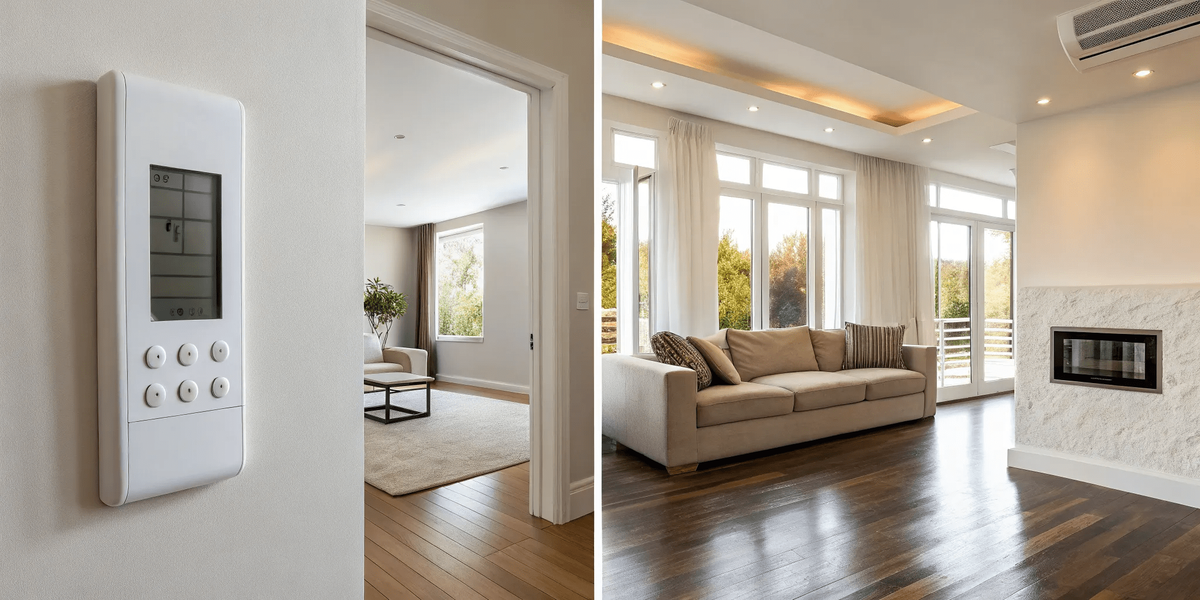
Heater is Not Working in House: A Troubleshooting Guide
The moment you realize your heater is not working in house, one of the first thoughts is often about the potential cost. An unexpected repair can put a strain on any budget, but what if you could avoid that expense altogether? Many service calls for heating issues end up being for problems that homeowners could have easily fixed themselves. This guide is designed to save you time and money by showing you exactly what to check first. By following these simple troubleshooting steps, you can rule out the most common issues and potentially get your system running again without spending a dime on a professional visit.
Key Takeaways
- Troubleshoot Simple Fixes First: You can often solve heating problems yourself by checking the thermostat settings and batteries, resetting the circuit breaker, and replacing a clogged air filter before making a service call.
- Recognize Serious Warning Signs: Don't ignore symptoms like loud noises, cold air from vents, or a yellow pilot light; these are clear indicators that your system needs professional attention to prevent further damage and ensure safety.
- Prioritize Annual Maintenance: Regular professional tune-ups are the key to preventing unexpected failures, as this proactive step improves your heater's efficiency, extends its lifespan, and catches minor issues before they turn into expensive repairs.
Heater Not Working? Try These Simple Fixes First
When your heater suddenly stops working, it’s easy to assume the worst. That sinking feeling of a cold house and the thought of an unexpected repair bill can be stressful. But before you reach for the phone to call a technician, take a deep breath. Many common heating issues have surprisingly simple solutions that you can handle yourself in just a few minutes. Walking through a few basic troubleshooting steps can often get your heat back on without any professional help, saving you time, money, and the discomfort of a chilly home.
These checks are easy for any homeowner to perform and address the most frequent reasons a heater might fail to turn on. From a dead thermostat battery to a tripped breaker, the fix might be easier than you think. Think of this as your first line of defense. By ruling out these simple issues first, you can either solve the problem immediately or provide valuable information to a technician if you do need to make a call. We'll walk you through checking your thermostat, inspecting the power supply, changing the air filter, and resetting the furnace. Taking these steps can help you feel more in control and informed about your home's heating system.
Check Your Thermostat and Batteries
Think of your thermostat as the command center for your heating system. If it isn't set correctly, it won't tell your heater to turn on. First, make sure it's set to "heat" or "auto" and that the temperature is set higher than the current room temperature. It sounds basic, but it’s a surprisingly common oversight. If the settings are correct, check the batteries. Many digital thermostats will flash a low-battery icon, but others don't give much warning. Swapping in a fresh pair of batteries is a quick and easy fix that often solves the problem right away.
Inspect the Circuit Breaker and Power Switch
Your heater needs electricity to function, even if it runs on gas. A tripped circuit breaker is a frequent reason for a system to suddenly shut down. Head to your home's main electrical panel and look for a breaker switch that is in the "off" or middle position. Flip it completely off and then back on to reset it. Most furnaces also have a dedicated power switch, which usually looks like a standard light switch located on or near the unit. Make sure this hasn't been accidentally turned off. If the breaker trips again, it’s time to call for professional repairs.
Change the Air Filter
A dirty air filter is one of the most common causes of heating problems. When the filter gets clogged with dust and debris, it restricts airflow to your furnace. This can cause the system to work harder, overheat, and eventually shut itself down as a safety measure. Check your filter and if you can't see light through it, it's time for a new one. As a general rule, you should change your filters every one to three months to keep your system running efficiently. This simple task is a key part of routine maintenance that protects your entire HVAC system.
Reset Your Furnace
Sometimes, your furnace just needs a quick reboot to clear a minor glitch or error code. You can perform a hard reset by turning off the power to the unit. Go to your circuit breaker and flip the switch connected to your furnace to the "off" position. Wait for about a minute before turning it back on. This allows the internal components to fully reset. After you restore power, your thermostat should reconnect with the system, and your heater may start working again. If this doesn't solve the issue, it’s best to schedule an HVAC service call to diagnose the underlying problem.
Why Isn't My Heater Working?
If you’ve worked through the simple fixes and your home is still cold, it’s time to look at some of the most common culprits behind a heater breakdown. These issues are a bit more complex and often point to a specific part of your HVAC system that needs attention. Understanding what might be wrong can help you decide if it’s something you can handle or if it’s time to call in a professional.
Faulty Pilot Light or Ignition
For those with a gas furnace, the pilot light or electronic ignition is what sparks the flame that heats the air. If this component fails, your furnace can’t produce heat. You can check if the pilot light is out by looking for a small, steady blue flame. Many furnaces have instructions printed on the unit for safely relighting it. However, if the pilot light won't stay lit or if you have an electronic ignition that clicks but never starts, it often signals a deeper problem, like a faulty thermocouple or a clogged gas line. These issues require professional heating repairs to ensure they are fixed safely and correctly.
Clogged Vents or Ductwork
Your heater can work perfectly, but if the warm air can’t get to you, your house will stay chilly. Blocked airflow is a frequent and often overlooked problem. Take a walk through your home and check that all air vents are open and not obstructed by furniture, rugs, or curtains. Even a single blocked vent can disrupt the pressure balance in your system and reduce efficiency. Over time, dust and debris can also build up inside your air ducts, severely restricting airflow. If your rooms feel stuffy or some are much colder than others, professional duct services might be needed to clear the pathways and restore proper circulation.
Worn-Out Mechanical Parts
Your heating system is a complex machine with many moving parts, and just like any machine, those parts can wear out. Components like the blower motor, belts, and bearings can fail after years of service. You might hear strange noises, such as squealing, grinding, or banging, which are often tell-tale signs of a mechanical problem. While these sounds can be alarming, they provide important clues about what’s wrong. Attempting to fix these internal parts without proper training is risky and can lead to more damage. A qualified technician can diagnose the noise, identify the failing component, and replace it to get your system running smoothly again.
Gas Supply Problems
A gas furnace can’t do its job without a steady supply of fuel. First, check the gas valve near your furnace to make sure it’s in the "on" position; the handle should be parallel to the gas pipe. Sometimes, this valve can be accidentally turned off during other household maintenance. It’s also possible that the gas supply to your entire home has been interrupted. The most critical thing to remember is safety. If you ever smell gas, do not touch any light switches or electronics. Leave your home immediately and call your gas utility company from a safe distance. Never try to fix a suspected gas leak yourself.
Thermostat Malfunctions
The thermostat acts as the brain of your heating system, telling it when to turn on and off. If it malfunctions, your heater won't get the right commands. Beyond dead batteries, the thermostat itself can fail. Its wiring can become loose, or its sensors can lose calibration, causing it to read the room temperature incorrectly. You might notice your heater running constantly or not turning on at all, even when you adjust the settings. If you suspect the thermostat is the problem, a professional can test it and determine if it needs to be repaired or replaced. Scheduling an HVAC service call can quickly resolve these communication breakdowns.
When to Call a Professional HVAC Technician
While you can handle some minor heater issues on your own, certain problems require an expert touch. Trying to fix complex mechanical or electrical problems without the right training can be dangerous and might even lead to more expensive damage. Your heating system is a complicated piece of equipment, and knowing when to step back and call for help is key to keeping it running safely and efficiently. If you’ve gone through the basic troubleshooting steps and are still left in the cold, it’s time to bring in a professional.
Ignoring persistent problems won’t make them go away. In fact, it usually makes them worse. What starts as a small, fixable issue can quickly turn into a complete system breakdown, leaving you with a much bigger bill and a very cold house. Signs like strange noises, cold air from the vents, or a system that just won’t stay on are your heater’s way of telling you it needs professional attention. A certified technician has the specialized tools and knowledge to diagnose the root cause accurately and perform safe, effective heating repairs.
You Hear Strange Banging or Squealing Noises
Your heater should operate relatively quietly. If you start hearing loud banging, squealing, or grinding sounds, don't ignore them. A loud bang when the system kicks on could signal a clogged burner, which can be a serious issue. Squealing often points to a problem with the blower motor or a belt that’s about to fail. These aren't just annoying sounds; they're warnings that a component is loose, broken, or under strain. Turning up the TV to drown out the noise can lead to a complete system failure, so it’s best to call a technician to investigate.
The Heater Blows Cold Air
There’s nothing more frustrating than your heater running only to push cold air through the vents. If you’ve already checked your thermostat settings and changed the filter, the problem is likely more complex. This issue can stem from several causes, including an extinguished pilot light, a problem with the gas supply, or even leaky ductwork that’s pulling in cold air from your attic or crawlspace. A professional can safely inspect the gas valve and ignition system to find the source of the problem and get warm air flowing again.
The System Constantly Turns On and Off
Does your heater turn on for a few minutes, shut off, and then repeat the cycle over and over? This is known as short cycling, and it’s a major red flag. Not only does it drive up your energy bills, but it also puts excessive wear and tear on your system’s components, shortening its lifespan. Short cycling can be caused by a malfunctioning thermostat, an oversized furnace, or a clogged filter restricting airflow and causing the system to overheat. If a new filter doesn’t solve it, you’ll need a pro to diagnose the underlying cause.
The Pilot Light Is Yellow or Flickering
If you have a gas furnace, take a look at the pilot light. A healthy pilot light should be a steady, blue flame. If you see a flame that is yellow, orange, or flickering, it’s a sign of a ventilation problem. This could mean the system isn’t getting enough oxygen, which can lead to the production of carbon monoxide, a colorless, odorless gas that is extremely dangerous. A cracked heat exchanger can also release harmful gases into your home. This is an emergency, and you should schedule an HVAC service call right away.
Your Energy Bills Suddenly Spike
Your utility bills can be a great indicator of your HVAC system’s health. If you notice a sudden, unexplained spike in your gas or electric bill, your heater is likely the culprit. As parts wear out or the system gets clogged with dirt, it has to work much harder to heat your home. This inefficiency means it consumes more energy to do the same job, costing you money. A professional maintenance visit can identify what’s causing the energy drain and restore your system’s efficiency.
What to Do If You Smell Gas
A gas leak is a serious emergency that requires immediate action. Natural gas is colorless and odorless, so utility companies add a chemical called mercaptan to give it a distinct "rotten egg" smell. If you notice this odor in your home, don't panic. Instead, follow these critical safety steps to protect yourself and your family. Your quick and calm response can make all the difference. Remember, these are not suggestions; they are essential actions to ensure everyone's safety. Never hesitate or second-guess yourself if you suspect a leak.
Evacuate Immediately
The absolute first thing you must do is get everyone out of the house. This isn't the time to grab personal belongings or make a phone call from inside. Your top priority is to move every person and pet to a safe location outdoors, a good distance away from the building. As you leave, keep the door open to help ventilate the house. Once you are safely outside, do a quick headcount to make sure everyone is accounted for. It's critical that you instruct everyone not to re-enter the home for any reason until a professional has inspected the property and declared it safe.
Avoid All Flames and Sparks
A single spark can ignite natural gas, so it's crucial to avoid creating one. As you leave, do not turn any lights or electronics on or off. Don't use your cell phone, unplug appliances, or even use a flashlight inside the house, as any of these actions can create a small electrical spark. Extinguish any open flames like candles or cigarettes immediately. You should also avoid starting your car if it's parked in an attached garage or very close to the house, as the engine can create a spark. Your only focus should be on getting outside safely without touching any switches or electrical devices.
Call for Help from a Safe Location
Once you are safely outside and far from your home, it's time to call for help. Use your cell phone or a neighbor's phone to call 911 first, then your local gas utility's emergency line. In the Bay Area, you can find PG&E's gas emergency contact information online to report the leak. Clearly state that you smell gas and provide your address. Emergency responders and utility technicians will be dispatched to handle the situation. Do not go back inside your home until they have inspected the property and given you the official all-clear.
Don't Try to Fix It Yourself
Under no circumstances should you attempt to find or fix a gas leak on your own. It might be tempting to try and locate the source or turn off a valve, but this is extremely dangerous. Gas lines and heating systems are complex, and tampering with them without proper training can easily make the leak worse or cause an ignition. Your only job in this situation is to get to safety and call the experts. Once the utility company has addressed the immediate danger and shut off the gas, a certified technician can perform the necessary heating repairs to safely restore your system.
How Regular Maintenance Prevents Heater Problems
Think of your heater like a car. You wouldn't drive it for years without an oil change or a tune-up, right? The same principle applies to your home’s heating system. Waiting for a problem to pop up on the coldest day of the year is a recipe for stress and expensive emergency repairs. Regular maintenance is the single best thing you can do to keep your heater running reliably and efficiently all winter long. It’s a proactive step that addresses small issues before they become big, costly headaches, from improving energy efficiency to extending the life of your entire system.
An annual service appointment is more than just a quick look-over. It’s a comprehensive check-up where a professional technician cleans, inspects, and tunes your system for optimal performance. This proactive approach helps you avoid the inconvenience of a sudden breakdown and can save you a significant amount of money on both energy bills and future repairs. By investing a little in preventative care, you ensure your heater is safe, effective, and ready to handle whatever the Bay Area winter brings. It’s about peace of mind, knowing your home will stay warm and comfortable when you need it most, without any surprise failures.
Catch Issues Early with Annual Inspections
An annual inspection is like a yearly physical for your heater. During a professional maintenance visit, a technician can spot small issues, like frayed wires or minor leaks, before they turn into major system failures. Catching these problems early prevents them from causing a chain reaction that could damage other components. It also ensures your system is operating safely, with no risk of carbon monoxide leaks or other hazards. A trained eye can identify wear and tear that you might miss, giving you a clear picture of your heater’s health and addressing potential concerns before they leave you in the cold.
Improve Efficiency with Regular Cleaning
Over a year of operation, dust, dirt, and debris can build up inside your heating system, especially on key components like the blower, coils, and burners. This buildup forces your heater to work much harder to circulate warm air, which consumes more energy and drives up your utility bills. During a maintenance appointment, a technician will thoroughly clean these parts. A clean system runs more smoothly and uses less power to heat your home. This not only saves you money every month but also helps your HVAC heating system perform its job more effectively, providing consistent and reliable warmth.
Extend Your HVAC System's Lifespan
A new heating system is a major investment, so you want it to last as long as possible. Regular maintenance is the key to extending its lifespan. When your heater is clean and properly tuned, its components don’t have to work as hard, which reduces daily wear and tear. This means fewer breakdowns and a longer operational life for the entire unit. By preventing small issues from becoming catastrophic failures, you can avoid costly emergency repairs and delay the need for a full system replacement. Consistent care keeps your heater in peak condition, protecting your investment for years to come.
Get Expert Heating Help in the San Francisco Bay Area
When DIY Fixes Aren't Enough
So, you’ve checked the thermostat, replaced the filter, and confirmed the power is on, but your house is still cold. It’s frustrating when you’ve done all the basic troubleshooting and the heat still won’t kick on. While it’s great to be proactive, some heating problems require a trained eye and specialized tools. If you’ve gone through the simple fixes and are still left in the cold, it’s a clear sign that a deeper issue is at play. Continuing to tinker with the system could potentially cause more damage. This is the point where it’s best to call a professional for heating repairs to diagnose and solve the problem safely and correctly.
Our Heating Repair and Maintenance Services
Keeping your heating system running safely and efficiently is our top priority. Gas appliances, in particular, need proper care to ensure they are well-ventilated and functioning correctly. Our team provides thorough HVAC heating services to address everything from minor glitches to major breakdowns. We also believe in preventing problems before they start. With our routine maintenance plans, we can help you avoid unexpected failures by cleaning components, checking for worn-out parts, and making sure your entire system is ready for the colder months. Think of it as a regular check-up for your home’s comfort system.
Why Choose Ortiz Heating and Air Conditioning
When you need a reliable HVAC partner in the Bay Area, you want a team with a proven track record. As a local, family-owned business with over 25 years of experience, we understand the unique heating needs of San Francisco homes. Our commitment to quality service is reflected in our Diamond Certified and BBB ratings. We believe in building trust with our customers through honest work and transparent communication. Choosing us means you’re not just getting a quick fix; you’re investing in the long-term health and efficiency of your heating system. If you’re ready for a solution, get a free estimate from our friendly team today.
Related Articles
- Signs Your Home's HVAC System Needs Repair
- Heating Season Around The Corner
- How Often Should You Replace Your Heating System?
- Preventive Measures to Keep Your Residential HVAC System in Good Condition
- Common Signs Your HVAC System Needs Repair and How to Address Them
Frequently Asked Questions
I tried all the simple fixes, but my heater is still off. What's next? If you've already checked the thermostat, circuit breaker, and filter with no success, the problem is likely an internal component. This could be anything from a faulty ignition system to a worn-out blower motor. At this stage, it's best to stop troubleshooting on your own to avoid causing further damage. The next step is to schedule a service call with a qualified technician who has the tools to diagnose the specific issue safely and accurately.
How often should I really change my air filter? The one-to-three-month rule is a solid guideline, but the best frequency really depends on your household. If you have pets that shed, family members with allergies, or live near a high-traffic area, you should check your filter every month. A simple test is to hold it up to a light. If you can't see the light passing through it, it's definitely time for a new one.
Is it safe for me to relight my furnace's pilot light? While some older furnaces have instructions printed on the unit for relighting the pilot, it's a task that requires caution. If the pilot light doesn't ignite on the first or second try, or if it won't stay lit, you should stop immediately. This often indicates a problem with a safety component like the thermocouple or an issue with the gas supply. For your safety, it's always the right call to have a professional handle it.
My heater is running, but it's only blowing cold air. What could be the cause? This is a frustrating problem with a few potential causes. First, check that your thermostat's fan setting is on "auto," not "on," as the "on" setting will circulate air constantly, even when the furnace isn't heating. If that's not the issue, it could be a clogged filter causing the furnace to overheat and shut off its burners as a safety measure. More complex causes include an issue with the gas supply or an extinguished pilot light.
What's the real benefit of scheduling annual maintenance if my heater seems to be working fine? Think of annual maintenance as preventative care that saves you money and stress in the long run. A heater that seems fine can still have dirty components or wearing parts that make it work harder, which quietly increases your energy bills. A professional tune-up cleans and inspects the entire system, catching small problems before they become surprise breakdowns on a cold night. This keeps your system running efficiently, ensures it's operating safely, and helps extend its lifespan.