Furnace maintenance keeps your home safe, efficient, and warm. Get practical tips and a complete checklist for reliable heating all season long.
Furnace Maintenance: A Complete Homeowner's Guide
Have you ever heard a strange bang or rattle coming from your vents? Or noticed that some rooms are toasty while others stay stubbornly chilly? These aren't just random quirks; they're signals your furnace is sending to let you know it needs attention. Ignoring these clues can lead to a complete system failure, leaving you without heat when you need it most. Understanding what these signs mean is key to preventing a small issue from becoming a major problem. Regular furnace maintenance is the best way to catch these issues early, ensuring your system runs smoothly and quietly, just as it was designed to.
Key Takeaways
- Prioritize annual maintenance for key benefits: A yearly professional tune-up is the best way to ensure your furnace operates safely, uses less energy (which saves you money), and lasts as long as possible.
- Handle simple DIY tasks but leave the rest to experts: You can keep your system running well by changing the filter and clearing the area around the unit, but a certified technician should perform the annual deep clean and safety checks, preferably in the fall.
- Act on warning signs immediately: Don't ignore clues like strange noises, inconsistent heating, or a yellow pilot light; these are your furnace's way of asking for help, and a quick professional response can prevent a costly emergency.
Why Is Furnace Maintenance So Important?
Thinking about your furnace probably isn't at the top of your to-do list, especially when it seems to be working just fine. We get it. Life is busy, and as long as warm air is coming out of the vents, it’s easy to adopt an “out of sight, out of mind” attitude. However, treating furnace care as a reactive task, only calling for help when something breaks, can lead to bigger headaches down the road. It often means dealing with chilly nights, unexpected costs, and potential safety issues.
Proactive furnace maintenance is one of the most effective ways to ensure your home remains a comfortable and safe haven throughout the cooler months. It’s a simple, preventative measure that pays for itself in multiple ways. Think of it as an annual wellness check for one of your home’s most vital systems. By investing a little time and effort now, you can avoid the stress of a mid-winter breakdown and keep your system running smoothly for years to come. Let's explore the three most important reasons why scheduling that service call is a non-negotiable part of responsible homeownership.
Keep Your Home Safe
Your furnace is a powerful appliance that burns fuel to create heat, and it needs to be handled with care. Over time, parts can wear out, connections can loosen, and tiny cracks can form in the heat exchanger. A professional maintenance check includes a thorough safety inspection to catch these potential hazards before they become emergencies. Our technicians look for issues like gas leaks or carbon monoxide seepage, which can be incredibly dangerous for your family. They also check for faulty electrical components that could create a fire risk. Regular HVAC heating service ensures your system is running exactly as it should, giving you the peace of mind that comes from knowing your home is safe and warm.
Lower Your Energy Bills
A furnace that has to work overtime to heat your home will send your energy bills climbing. Throughout the year, dust, dirt, and other debris can clog filters and build up on internal components like the blower wheel and burners. This buildup forces the system to run longer and harder to reach the temperature on your thermostat, wasting energy in the process. During a maintenance visit, a technician cleans these critical parts, allowing your furnace to operate at peak efficiency. A clean, well-tuned furnace uses less energy to do its job. This simple act of scheduling an annual maintenance appointment can lead to noticeable savings on your monthly utility costs, making it an investment that truly pays off.
Extend Your Furnace's Lifespan
A new furnace is a significant investment, so you want to make it last as long as possible. Just like regular oil changes help your car's engine run for years, annual maintenance does the same for your furnace. During a service visit, technicians can spot and fix small issues, like a worn-out belt or a struggling motor, before they cause a major system failure. Addressing these minor problems early prevents cascading damage and reduces strain on the entire system. This proactive care can add years to its operational life. With proper attention, many furnaces can last 15 to 20 years, saving you from the cost and hassle of a premature installation.
Is Your Furnace Trying to Tell You Something?
Your furnace usually gives you hints before it stops working completely. Think of it like a check engine light for your home’s heating system. Paying attention to these subtle (and sometimes not-so-subtle) clues can help you catch small issues before they turn into major, expensive headaches. When your furnace starts acting up, it’s sending a message that it needs attention. Ignoring these signs can lead to a complete breakdown, often during the coldest days of the year when you need it most.
Learning to recognize these warning signs is one of the best things you can do as a homeowner. From strange sounds to inconsistent temperatures, your furnace communicates its health in various ways. Understanding what these signals mean will help you know when to perform simple DIY tasks and when it’s time to call in a professional. A quick response can often save you from a chilly home and a costly emergency HVAC service call. Let’s walk through some of the most common signs that your furnace needs a little help.
Uneven or Insufficient Heating
Have you noticed that you need a sweater in the living room but feel too warm in the bedroom? If some rooms are toasty while others feel chilly, your furnace is likely struggling to distribute heat evenly. This is a classic sign that something is off. It could be as simple as blocked or dirty air ducts, or it might point to a more significant problem with the furnace itself. An aging system can also lose its ability to push warm air effectively throughout your entire home. A professional maintenance check can pinpoint the cause and restore balanced, comfortable heat to every room.
Strange Noises and Odors
Your furnace should operate quietly in the background. If you suddenly start hearing loud banging, rattling, or high-pitched screeching, don't ignore it. These sounds are not normal and often signal a mechanical problem, like a loose part or a failing motor. Similarly, pay attention to any unusual smells. A musty odor could mean there’s mold in your ductwork, while a burning smell can indicate a serious electrical or mechanical issue. If you notice these signs, it’s best to schedule a professional inspection for repairs right away to ensure your system is safe to operate.
Yellow Pilot Light or Short Cycling
If you have a gas furnace, take a quick look at the pilot light. It should always be a steady, blue flame. If you see a yellow or flickering flame, it’s a major red flag. This often means the furnace isn't burning the gas completely, which can create a dangerous carbon monoxide leak. Another symptom to watch for is "short cycling," which is when the furnace turns on and off frequently instead of completing a full heating cycle. This indicates an underlying problem that is causing your system to overheat or malfunction. Both of these issues require immediate attention from an HVAC heating expert.
Sudden Spikes in Your Energy Bills
Your utility bills can tell you a lot about your furnace's health. If you notice a sudden and unexplained spike in your gas or electric bill, your furnace may be the culprit. As furnaces age or develop problems, they lose efficiency and have to work much harder to heat your home. This extra effort consumes more energy, driving up your costs. While many factors can affect your energy usage, a struggling furnace is a common cause. An inspection can determine if a simple tune-up is needed or if it’s time to consider a more efficient installation.
How Often Should You Schedule Furnace Maintenance?
Knowing how often to service your furnace is key to keeping it running smoothly for years to come. The simple answer is that you should have your furnace checked by a professional at least once a year. Think of it like an annual check-up for your home’s heating system. This yearly appointment is your best defense against unexpected breakdowns and high energy costs. But timing is everything. Scheduling your service at the right time of year not only prepares you for the cold but can also make the process much easier.
The Best Time of Year for Service
The best time to schedule your annual furnace tune-up is in the late summer or early fall. Getting it done before the Bay Area’s colder, wetter weather arrives means you won’t be left scrambling when the first chill hits. This proactive approach ensures your system is clean, efficient, and ready to work the moment you need it. Plus, scheduling during the off-season is often more convenient, as technicians have more flexible availability. A yearly maintenance visit is a small investment that provides peace of mind all winter long, ensuring your home stays warm and comfortable without any last-minute surprises.
The Risks of Skipping Annual Maintenance
Putting off your annual furnace service might seem like a way to save a little money, but it often leads to bigger costs down the road. Regular maintenance helps protect your home from dangers that can arise from a faulty furnace, like gas or carbon monoxide leaks. It also allows a technician to find and fix small issues before they turn into major problems. A worn-out part or a clogged filter can force your system to work harder, driving up your energy bills and causing unnecessary strain. Eventually, that minor issue can lead to a complete system failure, leaving you with the headache of unexpected and often expensive repairs on the coldest day of the year.
Your Complete Furnace Maintenance Checklist
A thorough furnace maintenance visit covers your system from top to bottom, ensuring everything is safe, clean, and working efficiently. While some tasks are simple enough for homeowners to handle, many of the most critical checks require the tools and expertise of a trained technician. This checklist breaks down what a comprehensive tune-up should include, so you know what to expect and how to keep your system in great shape between professional visits. Think of it as a complete physical for your home’s heating system.
Check and Replace the Air Filter
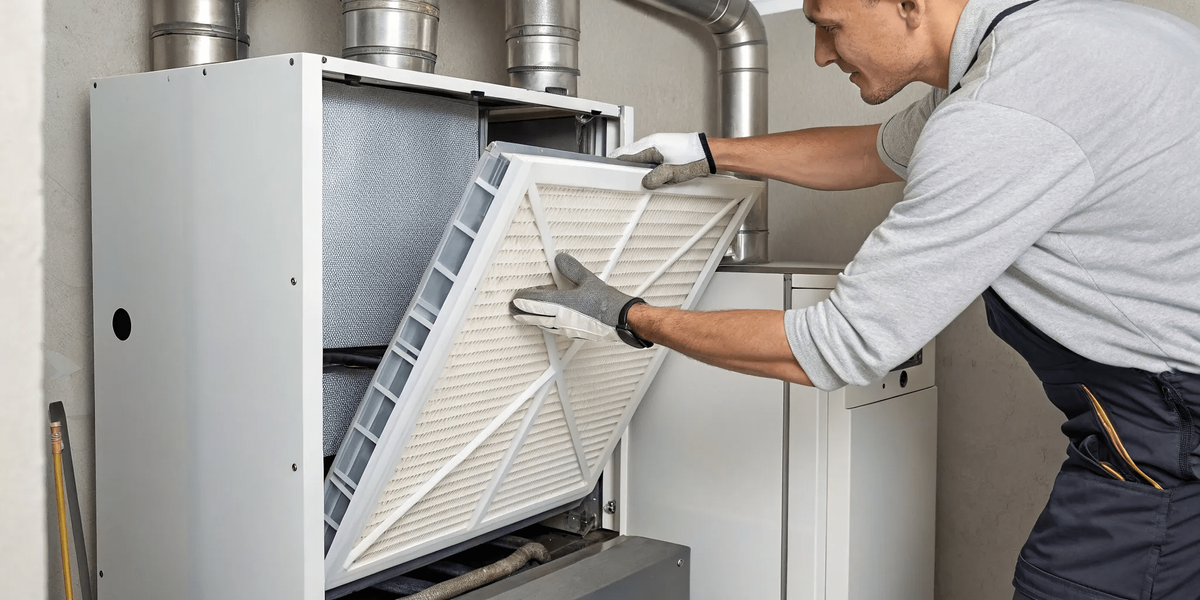
Your furnace’s air filter is its first line of defense, trapping dust, pollen, and other particles before they can enter your HVAC system and your home’s air. A clogged filter forces your furnace to work harder, reducing efficiency and driving up your energy bills. It can also lead to poor airflow and system overheating. Plan to check your filter monthly and replace it every one to three months, or more often if you have pets or allergies. This simple step is one of the best things you can do to maintain good indoor air quality and keep your furnace running smoothly.
Inspect and Test the Thermostat
The thermostat is the command center for your heating system, so it’s important to make sure it’s communicating correctly. A faulty thermostat can lead to inefficient heating cycles, uncomfortable temperature swings, or a furnace that won’t turn on at all. During a check, you or a technician should confirm the settings are correct and that the furnace responds properly when you adjust the temperature. If you have a digital model, it’s a good habit to replace the batteries once a year to prevent it from dying when you need it most. This small step ensures you have reliable control over your home’s comfort.
Clean the Burners and Heat Exchanger
Inside your furnace, the burners create the flame, and the heat exchanger transfers that heat into the air that warms your home. Over time, soot and debris can build up on the burners, leading to inefficient combustion and wasted fuel. A technician will clean the burners and ignitor to ensure a clean, strong flame. They will also inspect the heat exchanger, a critical component that separates combustion gases from your breathing air. A crack in the heat exchanger can leak carbon monoxide into your home, which is why this check is essential for your family’s safety and a core part of professional HVAC heating service.
Check for Gas and Carbon Monoxide Leaks
Safety is the top priority during any furnace maintenance appointment. A technician will use specialized tools to inspect the gas line connections for any potential leaks, ensuring the fuel supply is secure. They will also perform a thorough inspection for carbon monoxide (CO), an odorless, colorless gas that can be deadly. As mentioned, a cracked heat exchanger is a primary cause of CO leaks, but problems with the venting system can also be a source. Having a professional perform these safety checks annually gives you peace of mind that your system is operating safely and not putting your household at risk.
Inspect the Blower Motor and Belt
The blower motor is the powerhouse that pushes warm air through your ductwork and into every room. If it isn’t working correctly, you’ll experience weak airflow and uneven heating. During a maintenance visit, a technician will clean the blower components, which can get caked with dust and restrict airflow. They will also inspect the motor for signs of wear, check electrical connections, and lubricate moving parts to reduce friction and prevent overheating. This is a key part of a professional maintenance plan that keeps your system running efficiently and helps you avoid a sudden breakdown on a cold day.
Clear and Inspect the Flue and Venting System
Your furnace produces exhaust gases during combustion, and the flue pipe is responsible for safely venting them out of your home. A blocked or leaky flue can cause dangerous gases, including carbon monoxide, to back up into your living space. A technician will inspect the entire venting system for obstructions, corrosion, or loose connections. They will also check the surrounding ductwork to ensure there are no leaks that could compromise your system’s efficiency. Proper venting is non-negotiable for safety, and a professional can ensure your duct services and flue are in perfect working order.
Test Safety Controls and Shutoffs
Modern furnaces are equipped with several safety controls designed to automatically shut the system down if a problem is detected. These include high-limit switches that prevent overheating and pressure switches that monitor the venting system. However, these components can fail over time. During a professional tune-up, a technician will test each of these safety features to confirm they are functioning correctly. This verification step ensures that your furnace’s built-in protections are ready to act if needed, providing a critical layer of security for your home and family.
Keep the Area Around Your Furnace Clear
This is a simple but crucial task every homeowner should manage. Your furnace needs adequate space for air circulation to operate safely and efficiently. Storing boxes, furniture, or other items too close to the unit can create a serious fire hazard and restrict the airflow it needs for proper combustion. Make sure to keep the area around your furnace clear, maintaining at least three feet of open space on all sides. You should also avoid storing flammable materials like paint, gasoline, or cleaning supplies anywhere in the same room as your furnace. It’s an easy way to prevent accidents and help your system breathe.
DIY Furnace Maintenance: What Can You Do Yourself?
While a comprehensive furnace tune-up is a job for a certified professional, there are a few simple tasks you can handle yourself to keep your system running efficiently between service appointments. Think of it as the basic upkeep that prevents small issues from becoming big headaches. Taking on these small maintenance steps can help improve your system's performance, maintain good air quality, and give you a better understanding of how your furnace works. It’s empowering to know you’re playing an active role in your home’s comfort and safety. Just remember that your safety is the top priority, so it's crucial to know which tasks are safe to tackle and when it's time to call in an expert.
Essential Safety Precautions
Before you even think about opening a panel or touching any part of your furnace, your first and most important step is to turn off the power. This isn't just a suggestion; it's a critical safety measure to prevent electrical shock or injury. You can do this by switching the thermostat to the "Off" position. For complete safety, you should also shut off the power at the furnace's dedicated power switch (it often looks like a standard light switch on or near the unit) or at your home's main breaker panel. This ensures the furnace won’t unexpectedly kick on while you’re working. Never attempt any maintenance, not even changing a filter, without confirming the power is completely disconnected.
Safe DIY Maintenance Tasks
Once the power is off, there are a few straightforward tasks you can perform. The most impactful one is changing your air filter, which you should do every one to three months. A clogged filter restricts airflow, forcing your furnace to work harder and driving up your energy bills. A clean filter is also key to maintaining your home's indoor air quality.
Next, take a moment to clean the area around your furnace. Keep it free of dust, clutter, and any flammable items. You can use a vacuum with a brush attachment to gently clean dust and debris from the exterior of the unit and the visible burner and blower compartments. After you've finished cleaning, you can briefly restore power to check the burner flame. A healthy flame should be a steady blue. If you see a flickering, yellow flame, turn the furnace off immediately, as this indicates a problem that requires professional furnace repairs.
Common DIY Mistakes to Avoid
Knowing what not to do is just as important as knowing what to do. The biggest mistake homeowners make is attempting repairs that go beyond their expertise. Anything involving the gas line, electrical components, or internal mechanical parts should be left to a trained technician. Trying to fix these yourself can be dangerous and may void your warranty.
Another common oversight is simply forgetting to change the air filter regularly. It seems small, but a dirty filter is one of the leading causes of furnace inefficiency and breakdowns. Finally, never ignore clear warning signs. If you notice strange noises, persistent odors, or a yellow pilot light, don't assume it will fix itself. These are your furnace's way of telling you something is wrong, and it's time to schedule a professional service call before a minor issue becomes a major expense.
What Does a Professional Maintenance Visit Include?
While DIY tasks are great for upkeep, they can’t replace the thoroughness of a professional tune-up. When you schedule a visit with a certified technician, you’re getting a comprehensive service designed to keep your system safe, efficient, and reliable. A pro has the tools and training to access, clean, and test components that are out of reach for the average homeowner. They follow a detailed process to ensure every part of your furnace is working as it should. Here’s a closer look at what you can expect during a professional maintenance appointment.
Safety Inspections and Pressure Adjustments
Your family's safety is the top priority. A technician will start by performing critical safety checks. This includes testing all safety features and monitoring the flue draft to make sure dangerous gases, like carbon monoxide, are being vented properly outside your home. They will also check and adjust the gas pressure if needed. An incorrect gas pressure can lead to inefficient heating, damage to the furnace, and even safety hazards. This part of the inspection ensures your furnace isn't just running, but running safely for everyone in your household.
Thorough Cleaning and Lubrication
Over a season of use, dust and debris build up on internal components you can’t easily reach. A technician will perform a deep clean on parts like the burners and the blower assembly, which is essential for efficient airflow and heat transfer. They will also lubricate all moving parts to reduce friction, which prevents wear and tear and helps your system run more quietly. This detailed cleaning is more than just cosmetic; it directly impacts your furnace's performance and can extend the life of your HVAC heating system.
Ductwork and Venting Checks
Your furnace is only one part of a larger system. A technician will also inspect the supporting infrastructure. This includes checking the heat exchanger for any cracks or corrosion, which could lead to a carbon monoxide leak. They’ll also inspect the flue pipe (the exhaust) and visible sections of your air ducts to ensure there are no blockages or leaks that could compromise efficiency and air quality. This holistic approach ensures the entire system, from the furnace to the vents, is working together correctly. If issues are found, we can provide expert duct services.
Performance Testing and Adjustments
After the cleaning and inspections are complete, the technician will run your furnace through a full cycle. This allows them to test its performance in real time. They will check the heating temperatures to ensure they are within the manufacturer's specifications and confirm that the furnace shuts down correctly if a fault is detected. They will also test the thermostat’s calibration to make sure it’s communicating properly with the furnace. This final step confirms that the tune-up was successful and that your system is ready for the season, helping you avoid unexpected HVAC service calls later.
How to Budget for Furnace Maintenance
Thinking about furnace maintenance costs can feel like another chore, but planning for it is one of the smartest moves a homeowner can make. A little budgeting turns this essential task into a manageable expense, helping you avoid the stress of a sudden breakdown and a hefty repair bill. It’s all about being proactive. By treating your annual HVAC heating service as a predictable part of your budget, you protect your investment and keep your family comfortable. Here are a few simple ways to plan ahead.
Create a Dedicated Maintenance Fund
One of the easiest ways to prepare for furnace costs is to create a dedicated maintenance fund. Think of it as a small savings account just for your home’s upkeep. By setting aside a small amount each month, you build a cushion to cover your annual tune-up without stress. This simple habit changes the game. When it’s time for your service, the money is already there. Plus, if an unexpected issue does pop up, you’ll have funds ready to handle minor repairs before they become major headaches.
Consider an Annual Maintenance Plan
For homeowners who love a "set it and forget it" approach, an annual maintenance plan is a fantastic option. Many HVAC companies, including us at Ortiz, offer service agreements that bundle your yearly tune-up at a predictable price. These plans often come with perks like priority scheduling and discounts on parts or repairs. It takes the guesswork out of budgeting and ensures you never miss a crucial service appointment. An annual maintenance plan is an investment in consistency, efficiency, and peace of mind.
Schedule Service During the Off-Season
Timing is everything when scheduling your furnace maintenance. The best time for a tune-up is during the fall, before the Bay Area's colder weather arrives. HVAC technicians are busiest during the first cold snap of winter and the first heatwave of summer. By scheduling your service during the milder "shoulder seasons," you can often find more flexible appointment times. Planning ahead ensures your furnace is in peak condition when you need it most, so you can get a quote and book your appointment without the rush.
When to Call a Professional
While DIY maintenance is great for keeping your furnace in good shape, some problems require a trained eye. Knowing when to step back and call for help is just as important as knowing how to change a filter. Certain issues can signal a serious safety hazard or a complex mechanical failure that’s best left to a certified technician. If you notice any of the warning signs below, don't hesitate to schedule a professional service call. It’s always better to be safe and ensure your system is running correctly.
Warning Signs That Need an Expert
Your furnace will often give you clues when something is wrong. If your home just isn't getting warm, or you notice strange noises like banging or screeching, it's time to call for professional repairs. A sudden jump in your energy bills is another sign that your furnace is working too hard and losing efficiency. Pay close attention to unusual smells, especially a rotten egg odor, which could indicate a gas leak. Another major red flag is a yellow pilot light instead of a crisp blue one, as this can signal a carbon monoxide issue. These aren't just performance problems; they are serious safety concerns that need immediate attention from an expert.
Repair vs. Replace: How to Decide
Facing a significant repair bill can leave you wondering if it’s better to fix your current furnace or invest in a new one. A helpful guideline is the "$5,000 rule." If a repair is estimated to cost $5,000 or more, replacing the unit is often the more financially sound decision in the long run. A new furnace will be more energy-efficient, which saves you money on monthly bills, and it comes with a fresh warranty. While it’s a bigger upfront cost, a new installation can prevent the headache of recurring repairs on an aging system and give you reliable, efficient heating for years to come.
Related Articles
- Importance of Regular Maintenance
- How Regular HVAC Maintenance Can Prevent Costly Repairs
- Preventive Measures to Keep Your Residential HVAC System in Good Condition
- Why It's Important to Regularly Clean Your Heating System
- The Importance of Regular HVAC Maintenance for Homes and Businesses
Frequently Asked Questions
Is furnace maintenance really necessary every single year? Yes, it truly is. Think of it as preventative care for one of your home's most important systems. An annual service call allows a technician to catch small issues before they turn into major breakdowns, ensuring your furnace runs safely and efficiently. This simple yearly check-up helps you avoid surprise repairs, keeps your energy bills in check, and gives you confidence that your heat will work when you need it most.
What's the biggest risk if I skip a year of maintenance? The most significant risk involves your family's safety. During a tune-up, a technician inspects for dangerous issues like carbon monoxide leaks or faulty electrical connections, which you might not notice otherwise. Skipping a year also means your furnace will likely run less efficiently, leading to higher utility bills. You also increase the chance of a sudden system failure, which often happens during the coldest days when you rely on your furnace the most.
Can I just do the maintenance myself instead of hiring someone? While you can and should handle simple tasks like changing the air filter and keeping the area around the furnace clear, a professional tune-up is far more comprehensive. A certified technician has the specialized tools and training to safely clean internal components, check gas pressure, and test critical safety controls. These are complex tasks that are best left to an expert to ensure your system is operating correctly and safely.
How do I know if my furnace needs a repair or if it's time for a new one? This is a common question, especially with older systems. A good guideline is to consider the age of your furnace and the cost of the repair. If your furnace is over 15 years old and requires frequent, costly fixes, replacement is often the more sensible long-term choice. A new system will be more energy-efficient and reliable, saving you money on future repairs and monthly bills.
When is the best time of year to get my furnace serviced? The ideal time to schedule your annual furnace maintenance is during the late summer or early fall. Getting it done before the cold weather sets in ensures your system is ready to go from day one. Technicians are also typically less busy during this "shoulder season," which means you'll likely have more flexibility when booking your appointment and can avoid the rush.