
Get clear answers on AC tune up cost, what’s included in a professional service, and how regular maintenance can help you save money and avoid repairs.
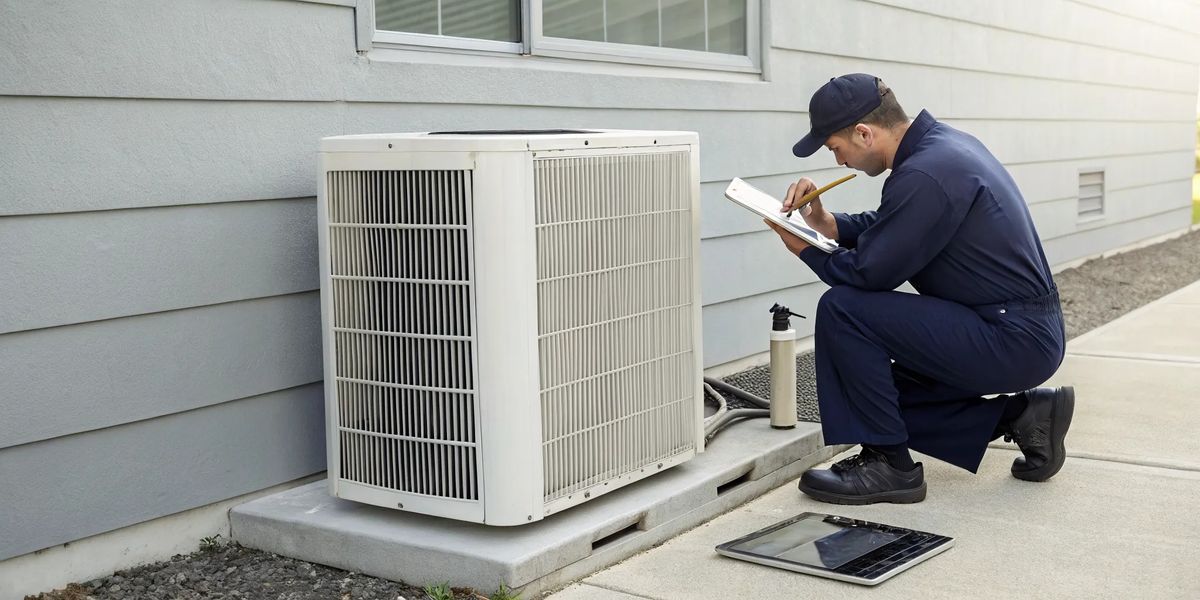
AC Tune Up Cost: What Are You Really Paying For?
Nothing ruins a perfect summer day faster than an air conditioner that suddenly stops working. The silence is quickly followed by a wave of dread as you think about the sweltering heat and the potential for a huge repair bill. This is the exact scenario that annual AC maintenance is designed to prevent. By understanding the average ac tune up cost, you can proactively invest in your system's health and reliability. This single service call is your best defense against surprise breakdowns, ensuring your home stays a cool, comfortable retreat all season long. It’s a small price to pay for the peace of mind that comes with knowing your AC is ready for anything.
Key Takeaways
- Think of a tune-up as preventative care for your budget: Spending a small amount on annual maintenance helps you avoid surprise breakdowns and expensive emergency repairs that often cost much more.
- A well-serviced AC unit directly lowers your energy bills: By cleaning essential parts and ensuring everything runs correctly, a technician helps your system use less power to cool your home, extending its lifespan in the process.
- Schedule your service in the spring to beat the summer rush: Booking your tune-up before the first heatwave ensures your AC is ready when you need it most and gives you more flexibility when choosing an appointment time.
What's the Real Cost of an AC Tune-Up?
When you start looking into an AC tune-up, one of the first questions you'll have is about the price. Generally, you can expect a professional tune-up to cost somewhere between $70 and $200. The national average hovers around $120, but this number can shift depending on your specific unit and where you live. For systems that are more complex or haven't seen a technician in a while, a more comprehensive service might run higher.
Think of this cost not as just another household expense, but as a direct investment in your home’s comfort and your AC system's health. A well-maintained unit runs more efficiently, keeps you cooler, and is less likely to break down when you need it most. The final price tag is influenced by a few key things, like the age and type of your system and whether any extra parts or repairs are needed. Understanding what goes into the service helps clarify what you're really paying for: peace of mind and a smoothly running air conditioner.
How Bay Area Prices Compare
Here in the Bay Area, the cost of living can influence service prices, but the value of preventative maintenance remains incredibly high. Spending between $100 and $150 on an annual tune-up can routinely save you from facing emergency repairs that could cost anywhere from $500 to $2,000. It’s tempting to go with the cheapest quote you can find, but that isn’t always the smartest move. A suspiciously low price might mean a rushed job or an incomplete inspection, which could leave underlying problems unfixed. Investing in a quality tune-up from a trusted local professional is the best way to protect your system and ensure it's ready for our unique microclimates.
What Are You Actually Paying For?
When you schedule a tune-up, you're paying for expertise and prevention. A trained technician does more than just look at your AC unit; they fine-tune it for optimal performance. This service helps your system run more efficiently, which can lower your energy bills and extend the unit's lifespan. Regular maintenance is also your best defense against unexpected, expensive breakdowns on a hot summer day. You're essentially paying for the peace of mind that comes from knowing your AC is in great shape and ready to handle the heat, saving you stress and money down the road. It's an investment in your family's comfort and your home's reliability.
What Does a Standard Tune-Up Include?
A standard tune-up is a thorough check-up for your cooling system. A professional technician will perform several key tasks to make sure everything is working correctly. This typically includes replacing dirty air filters for better air quality, cleaning the indoor and outdoor coils to ensure proper heat exchange, and checking the refrigerant levels to make sure your system is cooling effectively. They will also inspect all the electrical components and connections for safety and performance. These essential steps are part of a comprehensive air conditioning service that keeps your unit running reliably and efficiently all season long.
What Factors Change the Final Price?
While most HVAC companies have a standard rate for a tune-up, the price on your final invoice can sometimes look a little different. This isn't a bait-and-switch; it's because every home and HVAC system is unique. Several legitimate factors can influence the total cost of service, from the type of air conditioner you have to how easy it is for a technician to access it. Understanding these variables can help you get a clearer picture of what to expect and why the price might change. Let's break down the key elements that can affect the cost of your AC tune-up.
Your System's Age, Type, and Size
The specific details of your air conditioner play a big role in the tune-up cost. An older unit might require more time and care to service, especially if its parts are becoming obsolete. The type of system matters, too. A standard central air conditioner tune-up is typically straightforward, but a ductless mini-split system is more complex. Since mini-splits have multiple indoor units connected to one outdoor unit, each component needs individual attention, which increases the service time and cost. Similarly, a larger, more powerful AC unit that cools a bigger space will naturally take longer to inspect and clean than a smaller one, affecting the final price of your air conditioning services.
Maintenance History and Unit Accessibility
How you've cared for your AC unit in the past directly impacts the cost of a tune-up today. If it's been several years since your last service, your system will likely have more accumulated dirt and grime, and a higher chance of underlying issues. This means the technician will need to spend more time on cleaning and inspection, which can raise the price. Another practical factor is accessibility. If your outdoor unit is tucked away in a hard-to-reach corner or the indoor unit is in a cramped attic, the job becomes more difficult and time-consuming. This extra labor can add to the overall cost. Regular maintenance helps keep these costs down over time.
The Cost of Extra Repairs or Parts
It’s important to remember that a tune-up is a preventative service, not a repair call. Its goal is to clean, inspect, and optimize your system to prevent future problems. During the inspection, a technician might find a part that's worn out or failing, like a weak capacitor or a frayed wire. If a component needs to be replaced, the cost of that part plus the labor to install it will be added to your bill. A trustworthy technician will always stop and discuss any necessary repairs with you first, explaining the issue and providing a clear cost breakdown before moving forward. You should never be surprised by extra charges on your final invoice.
What's on a Professional AC Tune-Up Checklist?
When you schedule a professional AC tune-up, you’re getting much more than a quick glance at your system. A trained technician follows a detailed checklist to inspect, clean, and adjust every critical part of your air conditioner. This process is designed to catch small issues before they become expensive problems, ensure your unit is running safely, and keep it operating at peak efficiency. Think of it as a comprehensive health check-up for your home’s cooling system.
While the exact steps can vary, any thorough HVAC maintenance service will cover the essentials. The technician will examine both the indoor and outdoor units, testing performance, cleaning key components, and making sure everything is in good working order for the season ahead. This systematic approach helps guarantee that no detail is overlooked, giving you peace of mind that your AC is ready to handle the Bay Area heat. Let’s walk through what a professional checklist typically includes.
Clean Coils and Replace Air Filters
Two of the most important parts of your AC unit are the evaporator and condenser coils. These coils work together to absorb heat from inside your home and release it outside. Over time, they get covered in dust and grime, which forces your system to work much harder to cool your space. A technician will thoroughly clean these coils, which can immediately improve efficiency and lower your energy bills. They will also replace your air filter, a simple but vital task that improves airflow and protects your home’s indoor air quality.
Inspect Electrical Components and Connections
Your air conditioner relies on a complex system of electrical components to function correctly and safely. During a tune-up, a technician will inspect all the electrical connections, tightening any that are loose and checking for signs of wear or corrosion on wires. They’ll also test critical parts like capacitors and relays to ensure they are working properly. This safety check is crucial because faulty wiring is not only a common cause of AC breakdowns but can also pose a serious fire hazard. Identifying these issues early can prevent unexpected and costly repairs.
Check Refrigerant Levels and Performance
Refrigerant is the substance that flows through your AC system to cool the air. If the level is too low, your air conditioner can’t cool your home effectively. It’s a common misconception that refrigerant gets "used up" like gas in a car. Low refrigerant almost always means there’s a leak somewhere in the system. A technician will check the refrigerant levels to make sure they match the manufacturer’s specifications. If they’re low, they will identify and repair the leak before recharging the system, restoring your unit’s cooling power and efficiency. This is a key part of our air conditioning services.
Calibrate the Thermostat for Accuracy
Your thermostat is the brain of your entire HVAC system, telling your air conditioner when to turn on and off. If it isn’t calibrated correctly, it can’t accurately read the room’s temperature. This might cause your AC to run longer than necessary or shut off too soon, leaving you uncomfortable and wasting energy. During a tune-up, a technician will test your thermostat to ensure it’s functioning properly and communicating correctly with the AC unit. This simple adjustment ensures your system maintains a consistent temperature, keeping you comfortable without unnecessary energy use.
Is an Annual AC Tune-Up Worth the Cost?
When you’re looking at your home budget, it’s smart to question every expense. So, is an annual AC tune-up really worth the money? The short answer is a resounding yes. Think of it less as a cost and more as an investment in your home’s comfort, efficiency, and long-term health. A small, predictable expense for routine maintenance can help you avoid much larger, unexpected bills down the road. It’s one of those simple preventative steps that pays for itself many times over, not just in money saved but also in peace of mind.
Regular tune-ups keep your system running smoothly, which means you’re not just paying for a technician to look things over. You’re paying for the confidence that your AC will work when you need it most, especially during those Bay Area heatwaves. It’s about ensuring your home remains a comfortable sanctuary all summer long. This proactive approach also helps your system operate more efficiently, which translates directly to lower energy bills each month. An annual check-up is your best defense against sudden, costly breakdowns that always seem to happen at the worst possible time. In the following sections, we’ll explore exactly how this single service call protects your budget, extends the life of your equipment, and keeps your home consistently cool and comfortable.
Lower Your Energy Bills
A well-maintained air conditioner is an efficient air conditioner. Over time, dust and debris build up on coils, filters get clogged, and parts can become worn. This forces your system to work harder to cool your home, which uses more electricity and drives up your monthly bills. An annual tune-up addresses these issues, ensuring your AC operates at peak performance. By cleaning components and calibrating your system, a technician helps it provide consistent comfort while using less energy, which is a direct win for your wallet.
Help Your AC Unit Last Longer
Your air conditioning system is a major investment, and you want it to last as long as possible. Just like regular oil changes for your car, annual AC tune-ups are crucial for extending the lifespan of your unit. During a service visit, a technician can spot and fix minor issues before they turn into major problems that cause serious damage. This preventative care reduces wear and tear on critical components, helping you delay the significant cost of a full system installation for as long as possible.
Avoid Surprise Breakdowns and Repairs
There’s never a good time for your air conditioner to break down, but it almost always seems to happen during the hottest days of the year. An unexpected failure is not only uncomfortable but can also be incredibly expensive. Emergency repairs can easily run into hundreds or even thousands of dollars. Investing in a tune-up is a far more economical choice. A technician can identify potential problems, like worn-out parts or low refrigerant, and address them before they lead to a system-wide failure, saving you from a costly and stressful emergency.
Keep Your Home Consistently Comfortable
An AC unit that’s struggling will have a hard time keeping your home evenly cool. You might notice some rooms are warm while others are chilly, or that the system runs constantly without ever reaching the temperature on the thermostat. An annual tune-up ensures your system is running as it should, delivering reliable and consistent cooling throughout your entire home. It also improves your indoor air quality by cleaning components and replacing filters, which helps remove dust, pollen, and other allergens from the air you breathe.
When Should You Schedule an AC Tune-Up?
Knowing when to schedule your AC tune-up is just as important as knowing why you need one. Timing your service correctly can save you from sweaty summer days and unexpected repair bills. Think of it as preventative care for your home's cooling system. By planning ahead, you ensure your AC is ready to handle the Bay Area heat when you need it most. Let's look at the best time to book your appointment and what to look for in a technician.
The Annual Service Guideline
The golden rule for AC maintenance is to schedule a professional tune-up once a year. This annual check-in is the best way to keep your system running efficiently and reliably. During a tune-up, a technician can spot and fix minor issues before they turn into major headaches, like a full system breakdown in the middle of July. Regular HVAC maintenance not only keeps your home comfortable but also helps extend the life of your unit, protecting your investment for years to come. It’s a simple step that offers significant peace of mind.
Why Spring Is the Best Time for a Tune-Up
While an annual tune-up is the goal, scheduling it during the spring is the smartest move. Getting your AC serviced before the summer heat arrives means you’re preparing it for its busiest season. You’ll also have an easier time booking an appointment, as HVAC technicians aren't as busy with emergency calls. A spring tune-up ensures your system is clean and optimized to run at peak efficiency, which can help lower your energy bills when temperatures start to climb. By taking care of your air conditioning service early, you can relax all summer knowing your system is ready to perform.
How to Choose the Right Technician
While it might be tempting to try a DIY tune-up, most maintenance tasks are best left to a professional. Attempting complex repairs yourself can often lead to more significant damage and may even void your system’s warranty. When looking for a technician, choose a company that is licensed, insured, and has a proven track record in your community. Checking for certifications and reading customer reviews can tell you a lot about their commitment to quality. Finding a trusted, local expert ensures the job is done right, giving you confidence that your AC is in good hands.
Related Articles
- Spring Is Coming! Learn Maintenance Tips For Your HVAC System
- Importance of Regular Maintenance
- Preventive Measures to Keep Your Residential HVAC System in Good Condition
- How Regular HVAC Maintenance Can Prevent Costly Repairs
- Tips for Maximizing HVAC Efficiency and Extending the Lifespan of Your System
Frequently Asked Questions
How often do I really need to schedule an AC tune-up? For most homes, an annual tune-up is the sweet spot. Think of it like a yearly physical for your cooling system. Skipping a year might seem harmless, but it allows dust and grime to build up and small issues to go unnoticed, which can lead to lower efficiency and a higher risk of a breakdown. Sticking to a yearly schedule is the best way to keep your AC running smoothly and protect your investment.
What happens if the technician finds a bigger problem during the tune-up? This is a common concern, but a professional technician's goal is to inform you, not to pressure you. If they discover a worn-out part or a potential issue, they will stop, explain the problem clearly, and provide you with a detailed quote for the repair. You will always have the final say before any additional work is done, so you'll never be surprised by unexpected charges on your bill.
Is a tune-up the same thing as a repair call? No, they serve two very different purposes. A tune-up is a proactive service designed to prevent problems through cleaning, inspection, and optimization. A repair call, on the other hand, is a reactive service to fix something that has already broken. Investing in a preventative tune-up is the best way to avoid the stress and higher cost of an emergency repair call later on.
Can I just do some of these maintenance tasks myself? While homeowners can and should handle simple tasks like changing the air filter regularly, a full tune-up is best left to a trained professional. The service involves checking electrical components, handling refrigerant, and cleaning internal parts that require specialized tools and knowledge. A professional ensures the job is done safely and correctly, which protects your system's warranty and performance.
Why does the final price of a tune-up sometimes change? The initial price range covers a standard service, but the final cost can be influenced by your specific system. Factors like the age and type of your unit (a ductless mini-split is more complex than a central AC), its maintenance history, and how easy it is to access can affect the time and labor involved. Any necessary replacement parts would also be an additional cost, which should always be approved by you first.