
Get clear answers on 24 hour HVAC repair—what it covers, when to call, and how to find a reliable emergency technician for your home or business.
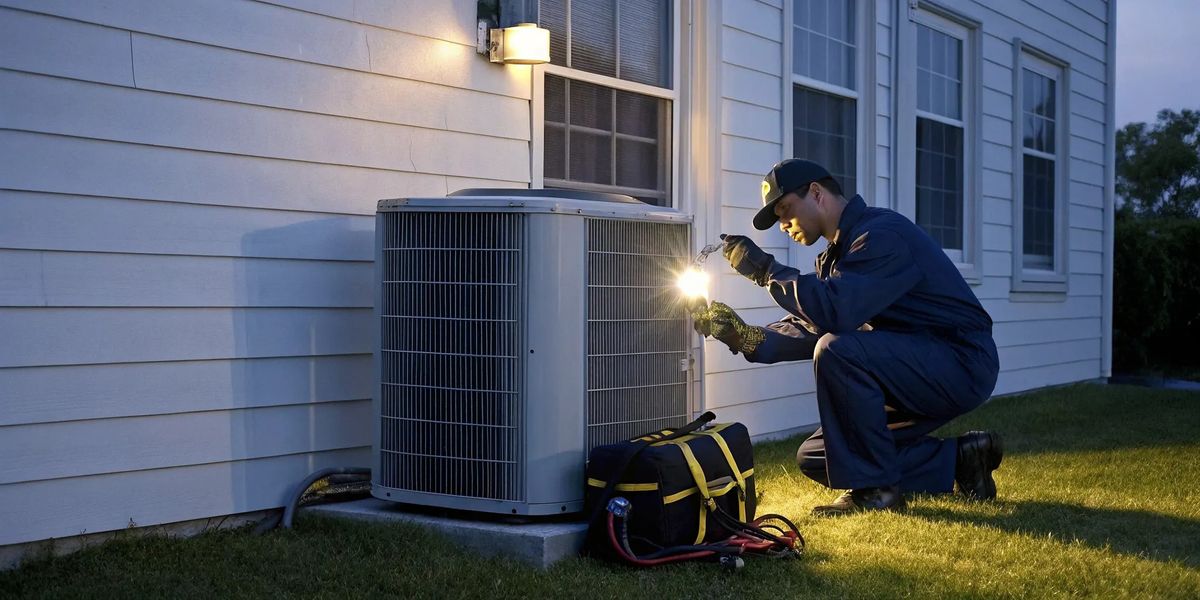
24 Hour HVAC Repair: What It Is & When to Call
Your home's heating and cooling system is about more than just comfort; it’s about safety. While a noisy air conditioner might just be an annoyance, other issues can pose a serious threat to your family. A gas leak from a furnace or an electrical short in your AC unit are non-negotiable emergencies that require immediate action. This article will help you identify the critical warning signs that signal a genuine danger. We’ll explain exactly when to evacuate your home and when to make that urgent call for 24 hour hvac repair, giving you the knowledge to protect what matters most.
Key Takeaways
- Prioritize safety to know when to call: A gas leak, burning smell, or total system failure during extreme weather are true emergencies that require an immediate call. For less critical issues, like reduced airflow or minor noises, you can schedule a service for the next business day.
- Understand what emergency service covers: An emergency call comes with a premium fee for 24/7 availability, but a professional will be transparent about the costs for labor and parts. The goal is to quickly diagnose the issue, ensure your home is safe, and restore function.
- Use maintenance as your best defense: The most effective way to avoid a crisis is through prevention. Scheduling regular maintenance is a small investment that helps catch problems early, preventing the stress and higher cost of an unexpected breakdown.
When to Make That Emergency HVAC Call
It’s the middle of the night, and something is clearly wrong with your heater or air conditioner. Your first thought might be to panic, but your second is probably, "Is this an emergency?" Knowing the difference between a problem that needs immediate attention and one that can wait until morning can save you a lot of stress and money. Some HVAC issues pose a direct risk to your family’s safety, making a 24-hour repair call necessary. Others, while frustrating, are simply inconvenient and can be handled during regular business hours without the added cost of an after-hours fee.
So, how do you tell the difference? We'll walk through the specific signs that signal a true emergency versus a routine issue. This guide is designed to help you assess the situation with confidence, so you can make the right decision for your home, your budget, and your peace of mind. Understanding these distinctions will help you know exactly when to pick up the phone for help and when it’s perfectly fine to wait.
Call Immediately: Life-Threatening Issues
Some HVAC problems are non-negotiable emergencies that require immediate action. If you smell gas near your furnace or other appliances, treat it as a serious threat. Your first step is to turn off the system, open your windows to ventilate the area, and get everyone out of the house. Once you are safely outside, call for emergency help.
Another critical warning sign is a burning smell, like hot plastic or wiring. This often points to an electrical failure within your unit, which is a significant fire hazard. If you notice this odor, shut down your HVAC system at the breaker box immediately. These situations are exactly what 24-hour HVAC repairs are for, as waiting could have dangerous consequences.
Call Soon: Urgent (But Not Dangerous) Problems
Not every urgent issue is life-threatening, but some problems still demand a quick response to protect your home and comfort. For instance, if your air conditioner fails during a Bay Area heatwave or your heater gives out on a frigid winter night, your home can quickly become unsafe, especially for children or elderly family members. In these cases, you should call for an emergency service.
Loud, sudden noises like banging, scraping, or screeching are also cause for an immediate call. These sounds usually mean a mechanical part has broken or come loose. Letting the system continue to run can cause a chain reaction of damage, turning a relatively simple fix into a costly replacement. Turning the system off and scheduling an HVAC service call can prevent further issues.
When You Can Wait Until Morning
Thankfully, many HVAC issues don't require an after-hours emergency call. If your system is still running but just not performing as well as it used to, it’s perfectly fine to wait and schedule an appointment. Signs like lukewarm air, weak airflow from your vents, or a unit that seems to be running longer than usual are problems that can be addressed during normal business hours.
These less critical issues, while annoying, don't pose an immediate danger. Scheduling a visit allows a technician to diagnose the problem without the added pressure and cost of an emergency fee. In fact, addressing these minor performance drops with regular maintenance is the best way to prevent them from turning into a major breakdown down the road.
What Does "24-Hour Repair" Really Mean?
When your heat gives out on a chilly Bay Area night or your AC stops during a heatwave, seeing "24-hour repair" on a website feels like a lifeline. But what does it actually mean? It means that no matter the time, day or night, you can call and have a professional technician dispatched to help. The goal of an emergency service is to address urgent problems that can’t wait for regular business hours.
While it guarantees a response, it’s helpful to understand what the process looks like from the moment you call. An emergency visit is focused on diagnosing the immediate issue, ensuring your home is safe, and getting your system back to a stable condition as quickly as possible. It’s about providing a swift, effective solution when you need it most.
What's Covered in an Emergency Call
An emergency call is designed for those unexpected, critical failures. Think of a furnace that won't turn on in the middle of winter or an air conditioner that dies during a record-breaking summer day. These are situations where waiting isn't just uncomfortable; it can be unsafe. When you make that call, you’re getting access to a technician who can address the problem right away.
The primary goal is to get your system running safely again. This could mean a complete repair on the spot or a temporary fix to restore basic function until a more complex part can be ordered. Companies offering emergency HVAC service calls are equipped to handle urgent issues around the clock, ensuring you aren't left stranded in extreme weather.
Finding the Root of the Problem
Once the technician arrives, their first job is to play detective. They need to find the root cause of the failure. This diagnostic step is crucial because it ensures the right repair is made and helps prevent further damage to your system. A qualified technician will perform a thorough inspection to accurately identify the problem, whether it’s a faulty wire, a refrigerant leak, or a failed motor.
Taking quick action by calling a professional protects your home and family from potential hazards. The technician will explain their findings so you understand what went wrong and what’s needed to fix it. This initial assessment is a key part of the comprehensive services a reliable HVAC company provides, even in an emergency.
Understanding Parts, Labor, and Exclusions
It’s important to have realistic expectations about what an emergency visit entails, especially regarding cost and parts. Because these calls happen outside of normal hours, emergency repairs typically come at a premium. This often includes a higher service fee to cover the technician's immediate dispatch. Reputable companies will always be upfront about their pricing.
While technicians carry a wide range of common parts in their vehicles, they may not have a specific or rare component at 2 a.m. If a special part is needed, the technician will focus on making a temporary repair to ensure your system is safe and functional. They will then schedule a follow-up visit to complete the permanent fix. Before any work begins, don't hesitate to ask for a clear explanation of the costs so you can get a quote and avoid surprises.
Breaking Down the Cost of an Emergency Call
Let’s be honest: when your HVAC system fails at an inconvenient time, one of your first thoughts is probably, “How much is this going to cost?” It’s a valid concern. Emergency services are different from scheduled appointments, and understanding the bill can help you feel more in control during a stressful situation. The price reflects not just the repair itself, but the ability to get a certified professional to your door, day or night.
The final cost of an emergency call is made up of a few key components. Knowing what they are can demystify the invoice and help you see the value you’re receiving. From after-hours premiums to the price of specific parts, here’s a clear breakdown of what to expect when you make that urgent call.
After-Hours Fees and Premiums
When you request an emergency HVAC service call outside of standard business hours, you’re asking a technician to leave their family or interrupt their personal time to help you. Because of this, most companies have an after-hours fee or a premium labor rate. This isn't about price gouging; it’s about fairly compensating a skilled professional for their immediate availability and expertise.
These higher costs cover the urgency of the situation and potential overtime pay for the technician. Think of it like rush shipping for a package you need immediately. The extra fee ensures that a qualified expert is available to solve your problem right away, preventing further damage to your home or restoring comfort when you need it most.
How Labor and Parts Are Billed
Your final invoice will typically have two main categories: labor and parts. The labor charge covers the technician's time and skill, but it’s more than just their hourly wage. The rate you see on the bill helps cover the company’s overhead, including insurance, vehicle maintenance, and administrative support. This ensures the business can continue to provide reliable service to the community.
Parts are billed separately. If your system needs a new capacitor, motor, or refrigerant, the cost of that specific component will be added to the invoice. Prices for parts can vary significantly depending on the type of repair needed. A good technician will always explain what parts are required and why before installing them, so you’re never left in the dark about the work being done.
What Influences Your Final Bill
The hourly rate on an invoice doesn't just go into the technician's pocket. A technician who is paid $25 per hour might actually cost the business closer to $90 per hour when you factor in all the background expenses. These costs include taxes, workers' compensation, liability insurance, health benefits, and investments in company vehicles and specialized tools.
When you hire a reputable company like Ortiz, you’re paying for more than just a single repair. You’re paying for the peace of mind that comes with a licensed, insured, and highly trained professional who is backed by a company with decades of experience. Our About page highlights our commitment to quality, which is reflected in every service call we make.
Smart Questions to Ask Before Work Begins
Feeling empowered during an emergency call starts with asking the right questions. Before a technician begins any work, don’t hesitate to get clarity on the costs. A trustworthy professional will be happy to explain their pricing. You can ask, "Is there a flat-rate fee to diagnose the problem?" or "Can you explain your after-hours labor rate?"
It’s also wise to ask for an estimate after the initial diagnosis but before the repair starts. This gives you a clear idea of the potential total cost. Instead of just focusing on the hourly rate, remember what you’re getting for your money: a trained and certified expert, a warranty on the work, and the security of 24/7 service. You can always get a quote to understand our transparent pricing.
How to Find a Trustworthy 24-Hour HVAC Pro
When your HVAC system fails in the middle of the night, the last thing you want to do is scramble to find a reliable technician. The stress of the situation can make it easy to overlook red flags. Knowing what to look for ahead of time will help you choose a professional you can count on, even when you’re in a hurry. A trustworthy pro not only fixes the immediate issue but also gives you peace of mind.
Check for Licenses, Certifications, and Insurance
First things first, always confirm that any technician you consider is licensed and insured. A license is your proof that they’ve met the state’s training and competency standards. It’s not just a piece of paper; it’s an assurance of their expertise. Insurance is equally important because it protects you from any liability if an accident happens on your property during the repair. A reputable company will be transparent about their credentials. For example, we proudly display our Diamond Certified and BBB certifications because we believe in accountability and high-quality work. Don’t be afraid to ask for this information upfront; a trustworthy professional will have it ready.
Key Qualities of a Great Emergency Tech
Beyond the paperwork, a great emergency technician has a specific set of skills. They should be knowledgeable enough to work on all major HVAC brands and models, not just one or two. Look for someone who can diagnose problems quickly and explain the situation clearly, without relying on confusing technical jargon. A true professional will walk you through the necessary HVAC repairs and answer your questions patiently. They understand you’re in a stressful situation and should offer solutions, not more confusion. Their goal is to get your system running safely and efficiently, so you can get back to your life.
Debunking Emergency Service Myths
One common myth is that every HVAC issue is an emergency. While some problems are certainly urgent, it’s important to know when to make that emergency call. A strange rattling sound might be concerning, but it may not require a 2 a.m. visit. However, a complete system shutdown during a heatwave or a suspected gas leak absolutely does. Understanding the difference helps you make informed decisions, prevent further damage, and avoid unnecessary after-hours fees. Knowing when to call for emergency help keeps your home safe and your system protected without causing needless panic.
How to Prepare for Your Service Call
Once you’ve decided to make the call, a little preparation can make the entire process go much smoother. Before the technician arrives, try to clear a path to your indoor and outdoor HVAC units. If it’s safe to do so, remove any clutter, furniture, or yard debris that might be in the way. Also, take a moment to jot down what you’ve observed: When did the problem start? Are there any strange smells or sounds? Having this information ready helps the technician diagnose the issue faster. When you’re ready, get in touch with a professional who can get your system back on track.
Can Regular Maintenance Prevent an Emergency?
The short answer is a resounding yes. While we’re always here for you in a crisis, the best way to handle an HVAC emergency is to prevent it from happening in the first place. Think of regular maintenance as proactive care for one of your home’s most important systems. It’s the difference between a calm, scheduled check-up and a frantic, middle-of-the-night phone call. According to the U.S. Department of Energy, neglecting your system can lead to costly repairs and replacements. Investing in a consistent maintenance plan is the single most effective step you can take to ensure your system runs smoothly, efficiently, and reliably, saving you a lot of stress and money down the road.
What to Expect from a Maintenance Plan
So, what does a professional maintenance visit actually look like? It’s much more than a quick glance. Think of it as a comprehensive health check-up for your HVAC system. A certified technician will perform a series of detailed inspections and tune-ups. Following best practices from organizations like ASHRAE, this includes cleaning coils, checking refrigerant levels, testing electrical connections, and inspecting all moving parts for wear and tear. This thorough process ensures your system is running at peak efficiency. It also allows a technician to spot a small, easy-to-fix issue, like a frayed wire or a minor leak, before it can snowball into a major system failure that leaves you without heat or air conditioning.
Simple Checks That Save You Money
Between professional service visits, there are a few simple things you can do to keep your system happy and your energy bills in check. The most important one is regularly changing your air filters. A clogged filter forces your HVAC system to work much harder to circulate air, which wastes energy and puts extra strain on its components. The EPA also suggests that homeowners can save money by keeping vents and registers clear of furniture or drapes and checking for obvious air leaks around windows and doors. These small habits take just a few minutes but can make a big difference in your system’s performance and your home’s overall indoor air quality.
The Link Between Prevention and Lower Costs
It’s easy to see the connection between a well-maintained system and peace of mind, but the financial benefits are just as compelling. The predictable cost of a maintenance plan is minor compared to the sudden, significant expense of an emergency repair. In fact, studies have shown that regular maintenance can reduce energy costs by a substantial margin and help you prevent emergency repairs that are almost always more expensive. When you invest in preventative care, you’re not just buying reliability; you’re making a smart financial decision that pays for itself through lower utility bills, fewer repair calls, and a longer lifespan for your HVAC system. Ready to get ahead of the game? You can always get a quote for a maintenance plan.
Your Bay Area Partner for 24-Hour HVAC Repair
When your heating or cooling system fails, you don’t have time to guess who to call. You need a reliable, local team that will show up quickly and get the job done right. At Ortiz Heating and Air Conditioning, we understand the stress of an HVAC emergency. That’s why we’re committed to being the partner you can count on, day or night, to restore comfort and safety to your home or business.
Why Bay Area Residents Trust Ortiz
When your HVAC system breaks down, especially during a heatwave or cold snap, you need more than just a quick fix; you need peace of mind. For over 25 years, our team has been dedicated to serving the Bay Area community. We believe that getting help quickly is essential, not just for your immediate comfort, but to prevent small issues from turning into major, expensive repairs. Our Diamond Certified and BBB ratings reflect our deep commitment to quality work and customer satisfaction. We’re not just a service provider; we’re your neighbors, and we’re here to ensure your home remains a safe and comfortable haven, no matter what the weather outside is doing.
Our Emergency Service Areas
There’s nothing more frustrating than finding a great company only to learn you’re outside their service area. We want to make it easy for you. Our emergency HVAC repair team is on call 24/7 for homes and businesses throughout the San Francisco Bay Area. This includes the San Francisco Peninsula, the East Bay (covering both Alameda and Contra Costa Counties), and many surrounding neighborhoods. If you’re unsure whether you fall within our range, you can always check our detailed list of the areas we serve. Our goal is to provide prompt, reliable emergency assistance to as many of our neighbors as possible, ensuring you’re never left in the cold (or the heat) for long.
How to Get Help Now
If you suspect you have an HVAC emergency, the most important thing to do is act quickly and safely. While it might be tempting to try a DIY fix, HVAC systems are complex and can be dangerous to work on without proper training and tools. You could risk personal injury or cause even more damage to your unit. Instead, the best course of action is to call a professional right away. If you notice your system has completely stopped working, is making loud, unusual noises, or you smell something burning, don't wait. Contact our team immediately. We’ll ask a few simple questions to understand the situation and dispatch a certified technician to help.
Related Articles
- Signs Your Home's HVAC System Needs Repair
- Common Signs Your HVAC System Needs Repair and How to Address Them
- How Regular HVAC Maintenance Can Prevent Costly Repairs
- Choosing the Right HVAC Repair Company for Your Needs
- Signs It's Time for a New HVAC Installation
Frequently Asked Questions
What are the absolute "must-call-now" signs for an HVAC emergency? If you smell gas, your first priority is to get everyone out of the house, then call for emergency help from a safe location. Another critical sign is a burning smell, which could indicate a dangerous electrical problem. In that case, turn off your system at the breaker box and call a professional immediately. These issues are serious safety threats and are not worth waiting on.
Why does an emergency HVAC call cost more than a regular one? Emergency calls typically include an after-hours fee because you are requesting a certified technician to come to your home immediately, often outside of standard business hours. This premium compensates the technician for their urgent availability and expertise. It ensures that a professional is available to restore safety and comfort to your home at any time, day or night.
My AC is running but blowing warm air. Should I make an emergency call? While frustrating, this usually isn't a middle-of-the-night emergency unless extreme heat poses a health risk to someone in your home. If the situation is not dangerous, it's often better to turn the system off to prevent further damage and schedule a service call for the next business day. This will fix the problem without the added cost of an after-hours premium.
Can I really avoid emergencies with regular maintenance? Yes, professional maintenance is the single best way to prevent unexpected breakdowns. During a tune-up, a technician can spot and fix small issues, like worn-out parts or minor leaks, before they cause your entire system to fail. It’s a proactive step that keeps your system running reliably and helps you avoid the stress and higher cost of an emergency repair.
What happens if the technician doesn't have the right part during a late-night call? Technicians carry a wide stock of common parts in their vehicles, but sometimes a specific component needs to be ordered. If this happens, the technician's goal is to perform a safe, temporary repair to get your system functioning until the correct part arrives. They will then schedule a follow-up visit to complete the permanent fix.