
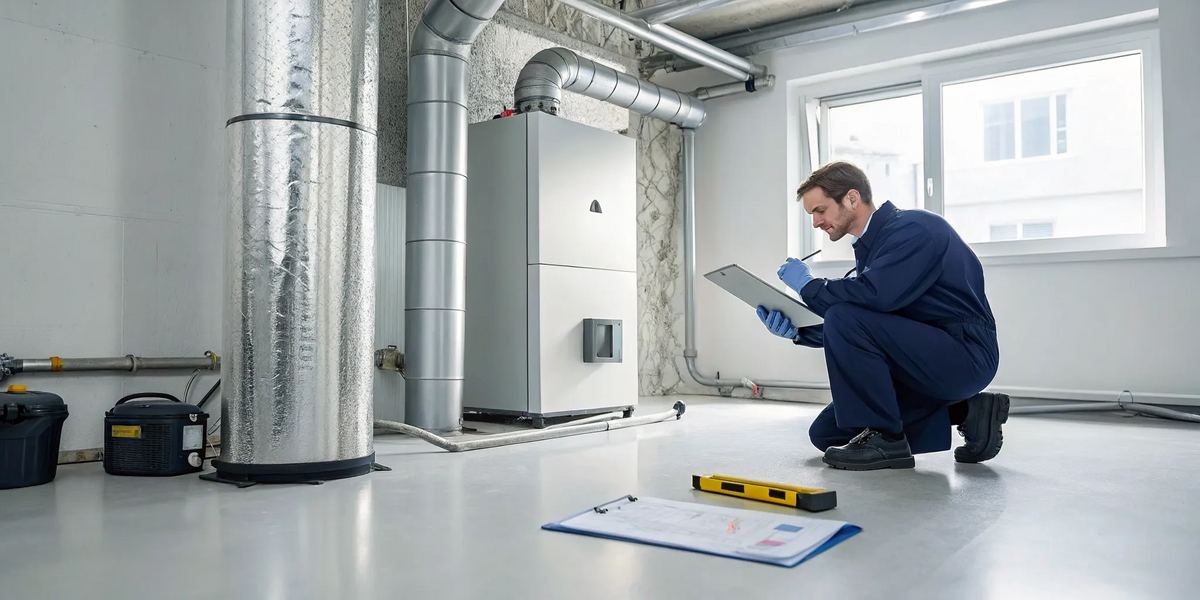
If you’re dealing with an older, unreliable furnace, you’ve probably faced the big question: should you pay for another repair or is it finally time to replace the whole system? It’s a major decision, and the right answer depends on more than just the immediate furnace repair cost. You also need to consider your unit's age, its energy efficiency, and how frequently it breaks down. Pouring money into an aging system isn't always the smartest financial move. We’ll walk you through the "50% rule" and other key considerations to help you decide whether to repair or replace, ensuring you make a choice that benefits your home and your budget for years to come.
Key Takeaways
Costs vary based on the problem: Furnace repair prices are not fixed; they depend on the specific part that needs fixing, the age of your unit, and whether you need emergency service. A minor fix like a flame sensor is much less expensive than a major one like a heat exchanger.
Know when to repair versus replace: Use the 50% rule as a guide. If a repair costs half as much as a new furnace, especially on a system over 15 years old, replacement is usually the more sensible long-term investment.
Prevention is your best strategy: You can avoid many expensive, unexpected repairs by scheduling annual professional maintenance and consistently changing your air filters. These simple actions keep your system running efficiently and help catch small issues before they become major problems.
How Much Does Furnace Repair Cost?
When your furnace stops working, one of the first questions that comes to mind is, "How much will this cost to fix?" The answer isn't always straightforward, as the price depends on what’s wrong with the unit. Furnace repair costs can range from a minor fix to a major component replacement. Understanding the potential expenses can help you budget accordingly and make an informed decision. Let's break down the typical costs for common repairs and explain how the timing of your service call can affect the final bill.
Price Ranges for Common Repairs
On average, most homeowners in the Bay Area spend between $300 and $1,200 for a furnace repair. However, the full spectrum of costs can be anywhere from $150 for a simple fix to over $3,000 for a complex job. For example, a common issue like replacing a faulty ignitor might only set you back $150 to $300. On the other hand, a more serious problem, like a cracked heat exchanger or a failed blower motor, can see costs climb from $1,000 to $3,500. These bigger jobs require more labor and expensive parts, which is reflected in the price. Getting a professional diagnosis is the only way to know for sure what kind of furnace repairs you need.
Emergency vs. Scheduled Service Costs
If your furnace breaks down in the middle of a cold night or over a weekend, you’ll likely need an emergency service call, which costs more than a standard appointment. You can expect to pay between two to three times the normal rate for after-hours help. Emergency service often runs from $150 to $600 or more, just for the visit. This is because technicians are called in outside of their regular hours. Whenever possible, it’s always more cost-effective to schedule HVAC service calls during normal business hours. If the issue isn't an immediate safety risk, waiting until the next business day can save you a significant amount of money.
What Affects the Cost of Furnace Repair?
When your furnace stops working, especially on a chilly Bay Area night, your first thought is probably about the repair bill. The truth is, there’s no single price tag for a furnace fix. The final cost depends on a mix of factors, from the type of furnace warming your home to how quickly you need a technician at your door. Understanding these variables can help you make sense of your repair estimate and feel more confident about the process. Let's walk through the main things that influence the cost of getting your heat back on.
Your Furnace's Type and Age
The kind of furnace you have is a major factor in the repair cost. Generally, gas furnaces are more complex and can be more expensive to fix than their electric counterparts. An issue with an electric furnace might run you a few hundred dollars, while a similar problem on a gas unit could be significantly more. Age also plays a big role. If your furnace is over 15 years old, finding replacement parts can be a challenge, which often drives up the cost. Our team is experienced with all types of HVAC heating systems, old and new, so we can diagnose the problem accurately.
Complexity of the Repair and Part Costs
Not all furnace problems are created equal. A simple fix, like replacing a faulty ignitor, is a relatively quick and affordable job. However, a more serious issue, such as a cracked heat exchanger or a failed blower motor, involves more intensive labor and expensive parts, leading to a higher bill. The cost of the specific component needed is a large part of the final price. We always provide a clear breakdown of parts and labor before starting any repairs, so you know exactly what you’re paying for.
Your Location and Local Labor Rates
Where you live matters. Labor rates for skilled HVAC technicians vary by region, and costs in the San Francisco Bay Area can be higher than in other parts of the country. Most technicians charge an hourly rate for their work, which covers their expertise, training, and tools. At Ortiz, we’re proud to serve our local communities with transparent and fair pricing. We provide upfront estimates to ensure there are no surprises when you get the bill. You can see all the areas we serve throughout the Bay Area on our website.
The Urgency of the Service Call
If your furnace breaks down in the middle of a cold winter night or on a weekend, you’ll likely need an emergency service call. That immediate response comes at a premium. After-hours and holiday repairs can cost two to three times more than a standard appointment scheduled during regular business hours. While you can’t always predict a breakdown, this is why we recommend regular maintenance to catch small problems before they become urgent ones. When you do need us right away, our team is ready to handle your HVAC service calls promptly to get your home comfortable again.
Common Furnace Problems and Their Costs
When your furnace acts up, the first question is usually, "How much will this cost me?" The answer depends entirely on what’s wrong. Some fixes are quick and affordable, while others involve more complex parts and labor. To give you a clearer picture, let's break down some of the most common furnace problems and what you can generally expect to pay for each. These price ranges can help you feel more prepared when you schedule a service call.
Fixing Ignitors and Pilot Lights
If your furnace clicks on but never actually produces heat, a faulty ignitor or flame sensor could be the culprit. These small but essential parts are responsible for safely starting the combustion process. Because they work so hard each heating cycle, they can wear out over time. Luckily, this is a fairly standard repair. Replacing a flame sensor is one of the more affordable fixes, while a full ignitor replacement typically costs between $150 and $300. It’s a common issue our team handles, getting your heat back on quickly without a huge bill.
Repairing Blower Motors and Fans
The blower motor is the heart of your furnace’s distribution system, pushing warm air through the ducts and into your rooms. If you notice weak airflow, strange rattling or screeching sounds, or the system shutting off unexpectedly, the blower motor might be failing. This repair is more involved than an ignitor fix. Depending on the specific issue and the type of motor your furnace uses, the cost to replace a blower motor can range from $300 to $900, and sometimes more for high-efficiency models. Addressing this promptly is key to keeping your entire system running smoothly and efficiently.
Addressing Heat Exchanger and Gas Valve Issues
Some furnace problems are more serious than others, especially when they involve safety components like the heat exchanger or gas valve. The heat exchanger is vital because it transfers heat while keeping dangerous combustion gases out of your air. A crack can lead to a carbon monoxide leak, which is why this is a critical repair. Replacing a heat exchanger is one of the most expensive jobs, often costing $1,000 to $3,000. Similarly, a faulty gas valve, which controls the flow of fuel, can be a safety hazard. These furnace repairs can range from $200 to $1,200.
Solving Thermostat and Electrical Problems
Sometimes, the problem isn't with the furnace itself but with the components that control it. A malfunctioning thermostat can prevent your furnace from getting the right commands, leading to a cold house. A new thermostat replacement is a relatively simple fix, usually costing between $100 and $300. Electrical issues, like faulty wiring or a bad control board, can be trickier to diagnose and fix. These problems can disrupt the entire system and typically cost between $200 and $600 to resolve, depending on the complexity of the wiring and the parts needed.
Should You Repair or Replace Your Furnace?
Facing a major furnace issue brings up a big question: is it better to pay for another repair or invest in a completely new system? It’s a tough spot to be in, as both options involve a significant expense. The right choice depends on a few key factors, including the cost of the repair, the age of your furnace, and how reliable it’s been. Thinking through these points can help you make a confident decision that’s best for your home and your budget in the long run.
Understanding the 50% Rule
A helpful guideline many HVAC professionals use is the 50% rule. It’s pretty simple: if the cost of a repair is 50% or more of the cost of a brand-new furnace, replacement is usually the smarter financial move. For example, if a major repair will cost you $2,000 but a full furnace installation is priced around $4,000, you’re already halfway there. Pouring that much money into an older unit that might break down again soon often doesn’t make sense. A new system not only solves the immediate problem but also comes with a fresh warranty and the promise of reliability for years to come.
Considering Your Furnace's Age and Efficiency
How old is your furnace? Most furnaces have a lifespan of about 15 to 20 years. If yours is approaching or has passed that milestone, it’s living on borrowed time. Even if a repair seems manageable now, older systems are simply less efficient than modern ones. A new, high-efficiency furnace can significantly lower your monthly energy bills, and those savings can help offset the initial replacement cost over time. Think of it as an upgrade for your home’s comfort and your wallet. Investing in modern HVAC heating technology is an investment in long-term efficiency and peace of mind.
How Often Does It Break Down?
If you and your HVAC technician are on a first-name basis because of frequent breakdowns, it’s a clear sign your furnace is on its last legs. One repair might not break the bank, but the costs of multiple service calls add up quickly. An unreliable furnace is also a source of stress, especially when it fails during a cold snap. If your system needs constant attention and you’re tired of scheduling furnace repairs, it’s time to stop patching the problem and consider a permanent solution. A new furnace provides the dependability you need to keep your home warm and comfortable without worry.
How to Lower Your Furnace Repair Bills
Furnace problems can feel stressful, especially when you’re worried about the final bill. The good news is you have more control over repair costs than you might think. By taking a few proactive steps, you can catch small issues before they become expensive emergencies, extend the life of your furnace, and keep your home comfortable without breaking the bank. Here are some practical ways to manage your furnace repair bills.
Schedule Annual Maintenance
Think of annual maintenance as a check-up for your furnace. It’s the single best way to prevent major, costly breakdowns. During a professional tune-up, a technician inspects the entire system, cleans critical components, and makes minor adjustments to ensure everything is running safely and efficiently. This preventative care helps your furnace operate at peak performance, which can lower your monthly energy bills. More importantly, it allows a technician to spot and fix potential problems, like worn-out parts, before they fail and cause a system-wide shutdown. Scheduling regular furnace maintenance is a small investment that pays off by helping you avoid much larger repair costs down the road.
Change Filters and Perform DIY Checks
One of the easiest and most effective ways to protect your furnace is to change the air filter regularly. A dirty filter blocks airflow, forcing your system to work harder to heat your home. This extra strain can lead to overheating and cause expensive components, like the blower motor, to fail prematurely. Check your filter’s packaging for the recommended replacement schedule, which is typically every one to three months. Before you call for a repair, it’s also a good idea to perform a few simple checks yourself. Make sure your thermostat is set correctly and has fresh batteries. These quick steps could save you the cost of a service call for a simple fix.
Know Your Warranty Coverage
When was the last time you looked at your furnace’s warranty? If you can’t remember, it’s time to find those documents. Understanding your warranty coverage can save you a significant amount of money on repairs. Most manufacturer warranties cover the cost of replacement parts for a certain period, but they usually don't cover the labor costs for the installation. Knowing this ahead of time helps you budget for the repair and avoid surprises when the bill arrives. Keep in mind that most warranties require you to use certified technicians and approved parts for repairs. Having an unauthorized person work on your unit could void your coverage entirely, leaving you responsible for the full cost.
Choose the Right HVAC Contractor
When your furnace needs a repair, the contractor you choose makes all the difference. While it might be tempting to go with the cheapest option, hiring an unlicensed or inexperienced technician can lead to more problems. A qualified, professional contractor will diagnose the issue correctly the first time, ensuring you don’t pay for unnecessary parts or labor. They also perform the work safely, which is critical when dealing with gas and electrical systems. Using a certified professional like the team at Ortiz also helps keep your manufacturer’s warranty valid. When you need help, contact a trusted local expert who has a proven track record of quality and customer satisfaction.
Furnace Repair Myths That Cost You Money
When your furnace acts up, it’s easy to let common myths guide your decisions, which can often lead to bigger problems and higher costs. Believing that every repair is a budget-breaker or that a quick fix is always best can be a costly mistake. Let's clear up a few misconceptions so you can make smart, informed choices for your home and your wallet.
Myth: All Repairs Are Expensive
The fear of a massive bill can make anyone hesitate to call for help, but the idea that all furnace repairs are expensive is simply not true. Many common issues, like a malfunctioning thermostat or a dirty flame sensor, are relatively quick and affordable to fix. In fact, most furnace repairs fall into a manageable range, often between $300 and $500 for small to medium problems. Putting off a call for a minor issue can allow it to develop into a major system failure, which will definitely be more expensive. Timely furnace repairs are key to keeping costs down and ensuring your system runs safely.
Reality: Emergency Repairs Cost More
Waiting until your furnace completely breaks down in the middle of a cold snap might seem like you're saving money, but it's one of the most expensive ways to handle a problem. Emergency service calls, especially after hours or on holidays, come at a premium. You’ll pay extra for the convenience of immediate service. Scheduling a service call as soon as you notice an issue allows you to book an appointment during regular business hours, avoiding those extra fees. Being proactive not only saves you money but also saves you from shivering through a cold night while you wait for a technician.
Why a "Quick Fix" Isn't Always an Option
When faced with a repair bill, it’s tempting to go for the cheapest solution. However, a "quick fix" on an older furnace might just be a temporary patch. If your furnace is over 15 years old and the repair cost is more than half the price of a new unit, replacement is often the smarter financial move. Older systems can be inefficient, and sourcing obsolete parts can be difficult and costly. Investing hundreds of dollars into a unit that is likely to break down again soon isn't a good use of your money. A new furnace installation can provide reliable heating and lower energy bills for years to come.
How to Get an Accurate Repair Estimate
A furnace repair bill shouldn't be a complete surprise. While you can't predict exactly when a breakdown will happen, you can take steps to understand the costs involved and ensure you're getting a fair price. Being an informed homeowner is your best tool for feeling confident in your decision. It all starts with knowing what to expect from a professional estimate and what questions to ask. Let's walk through how to get a clear and accurate quote for your furnace repair.
What to Expect During a Diagnostic Visit
When a technician comes to your home, the first step is always a diagnostic visit. Think of this as a check-up for your furnace. Most professional companies charge an initial fee, typically between $50 and $200, just for this visit. This fee covers the technician's travel time, expertise, and the work involved in pinpointing the exact problem. It’s important to remember this is separate from the repair cost. Once they've identified the issue, they'll use their findings to build an accurate quote for the actual repair, which often includes an hourly labor rate of around $75 to $150. A thorough HVAC service call is the foundation for an honest estimate.
Key Questions to Ask Your HVAC Contractor
To feel confident you're getting a fair price, it’s smart to get estimates from a few different licensed HVAC companies. This helps you compare prices and get a feel for the typical cost of your specific repair. When a contractor gives you a quote, don't hesitate to ask for a detailed breakdown of the costs, including parts and labor. If one quote seems much cheaper or significantly more expensive than the others, it’s a good idea to ask why. A trustworthy technician will be happy to explain their pricing. Getting a second opinion can save you from overpaying or choosing a low-quality fix. Ready to compare? You can always get a quote to start the process.
Watch Out for These Pricing Red Flags
A few red flags can help you spot a potentially bad deal. First, be aware that emergency repairs outside of normal business hours can cost two to three times more. While sometimes unavoidable, it’s good to know this upfront. Another thing to consider is the 50% rule: if the cost of the furnace repair is more than half the price of a new furnace, replacement is often the smarter long-term investment. A reliable contractor will discuss both options with you, not just push for the most expensive fix. Be wary of vague estimates or high-pressure sales tactics. You should feel comfortable taking the time you need to review the quote and make the right decision for your home.
Related Articles
<a href="https://www.ortizheatingacinc.com/blog/what-to-expect-during-the-hvac-repair-process">Frequently Asked Questions</a>
Why do I have to pay a fee just for a technician to come out and look at my furnace? The initial service call or diagnostic fee covers the technician's time, expertise, and travel to your home. Think of it as paying for a professional diagnosis. This step is separate from the repair itself because it takes skill and specialized tools to accurately identify the root cause of the problem. Once the issue is found, the technician can give you a precise quote for the actual parts and labor needed for the fix.
Is it always more cost-effective to repair my furnace instead of replacing it? Not necessarily. While a repair has a lower upfront cost, it isn't always the smartest financial decision in the long run. If your furnace is over 15 years old and needs a major repair that costs 50% or more of a new unit's price, replacement is often the better investment. Pouring money into an aging, inefficient system can lead to more breakdowns and higher energy bills, costing you more over time.
How can annual maintenance actually save me money on furnace repairs? Think of annual maintenance as preventative care for your heating system. During a tune-up, a technician can spot worn-out parts or minor issues and fix them before they cause a major, expensive breakdown in the middle of winter. A well-maintained furnace also runs more efficiently, which helps lower your monthly energy bills. It’s a small investment that prevents you from facing much larger, unexpected repair costs.
Are there any furnace repairs I can safely do myself? While it's tempting to try a DIY fix to save money, most furnace repairs should be left to a certified professional for safety reasons. Your furnace involves electricity, gas lines, and combustion, which can be dangerous if handled incorrectly. You can, however, perform simple maintenance tasks like regularly changing your air filter and checking that your thermostat has fresh batteries. These small steps can sometimes solve the problem and save you the cost of a service call.
What is the single biggest factor that determines the final cost of a repair? The final cost is most influenced by the specific part that has failed and the amount of labor required to replace it. A simple fix like replacing a flame sensor is a relatively quick and affordable job. However, a more complex issue, such as replacing a cracked heat exchanger or a failed blower motor, involves more expensive components and significantly more time, which is reflected in a higher final bill.