
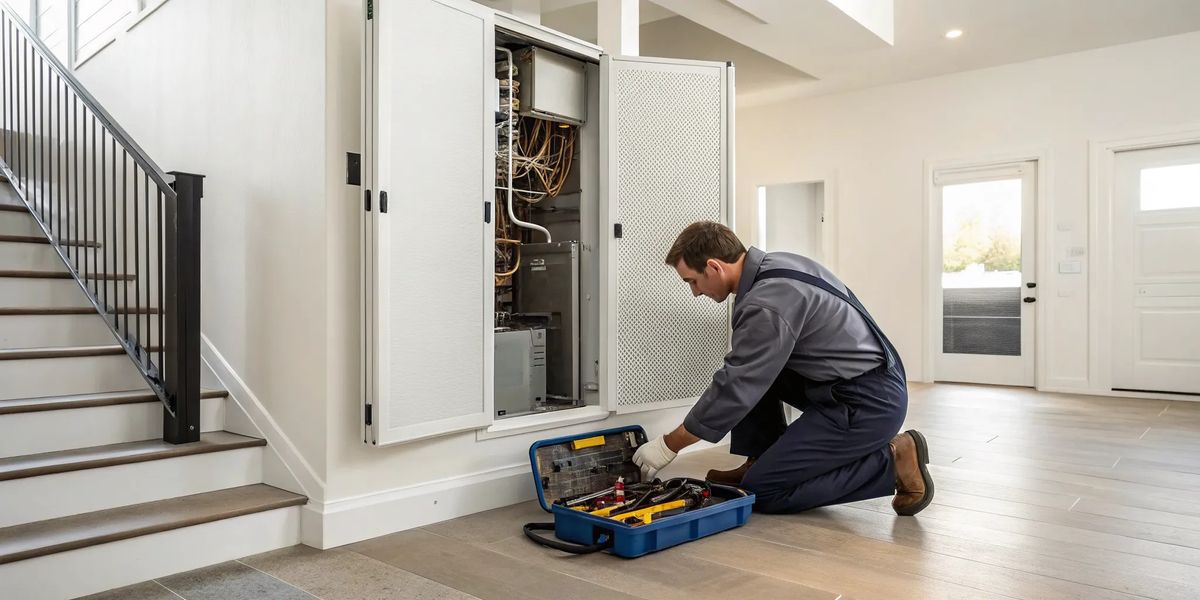
Your air conditioner usually communicates in subtle ways before it has a complete meltdown. That strange rattling noise you’ve been ignoring? The faint musty smell when it kicks on? These are not just quirks; they are your system’s way of asking for help. Learning to recognize these signs is the first step in preventing a minor issue from becoming a major, expensive breakdown. This article is your guide to understanding what your AC is trying to tell you. We’ll cover the most common sounds and smells that signal trouble, explain the most frequent types of home ac repair, and show you what to expect when you call a professional. You’ll learn how to spot problems early and when it’s time to get expert help.
Key Takeaways
Maintenance is your best defense: Combine easy DIY tasks, like changing filters and clearing debris, with a yearly professional tune-up to prevent expensive breakdowns and keep your system running smoothly.
Know when to call a professional: While checking your thermostat is safe, always call an expert for serious issues like refrigerant leaks, electrical problems, or a frozen unit. Attempting complex repairs yourself can be dangerous and often leads to bigger problems.
Repair or replace with confidence: Use the $5,000 rule (age of unit multiplied by the repair cost) to guide your decision. If the total is over $5,000, replacement is likely the smarter financial move, especially for older units with major component failures.
Signs Your AC Needs Repair
Your air conditioner is one of those things you don't think about until it stops working, usually on the hottest day of the year. But your AC often gives you little warnings before it completely gives out. Learning to spot these signs can help you catch problems early, preventing a small issue from turning into a costly breakdown. If you notice any of the following issues, it’s a good idea to pay attention and consider calling in a professional.
Is Your AC Blowing Warm Air?
This is one of the most obvious signs that something is wrong. When you expect a blast of cold air and get a puff of lukewarm or even warm air instead, your AC isn't doing its job. This problem won't fix itself. It often points to a bigger issue, like a refrigerant leak or a problem with the compressor, which is the heart of your system. Trying to ignore it can lead to more significant damage. A professional can diagnose the exact cause and get your home cool again. If your AC is struggling, it's time to schedule an air conditioning service call.
Hearing Strange Noises or Smelling Odors
Your air conditioner should operate with a consistent, low hum. If you start hearing new and unusual sounds, it's a cry for help. Grinding, squealing, or rattling noises often mean a part is loose, broken, or failing, which can cause a chain reaction of damage if left unchecked. Similarly, strange odors are a major red flag. A musty smell could indicate mold growing inside your unit or ductwork, while a burning smell points to a potentially dangerous electrical issue. Don't ignore these sensory warnings; turn off the unit and call for professional repairs right away to ensure your system is safe to operate.
Why Is My AC Turning On and Off So Much?
Does your AC cycle on for a few minutes, shut off, and then kick back on again shortly after? This is called short cycling, and it’s a sign of an inefficient system. It puts a lot of extra wear and tear on your AC's components and can cause your energy bills to spike. The cause could be something simple, like a clogged air filter that restricts airflow, or it could be more complex, like low refrigerant levels or a unit that’s too large for your home. While you can try changing the filter yourself, if the problem continues, it’s best to schedule an HVAC service call to get to the root of the issue.
Spotting Water Leaks or Ice Buildup
Water and electricity don't mix, so any sign of moisture where it shouldn't be is a cause for concern. If you see water pooling around your indoor air handler, it could mean the condensate drain line is clogged and backing up. This can lead to water damage and mold growth. Another sign to watch for is ice forming on the copper refrigerant lines of your outdoor unit. This often indicates a problem with airflow or low refrigerant. Ignoring these symptoms can lead to a frozen evaporator coil and a complete system shutdown. Regular maintenance can help prevent these issues, but if you see them, you need a pro to fix them.
What Are the Most Common AC Repairs?
When your air conditioner stops working on a hot day, it can feel like a major crisis. The good news is that most AC issues are not a complete mystery. Over our 25 years of serving the Bay Area, we’ve seen that most breakdowns fall into a handful of common categories. Understanding what these problems are can help you spot the signs early, communicate clearly with a technician, and get your home comfortable again faster. From simple electrical faults to more complex mechanical failures, knowing what to look for is the first step in getting things back to normal.
Many of these issues can be prevented with regular upkeep, but when something does go wrong, a professional diagnosis is key to a lasting fix. An experienced technician can pinpoint the exact cause, whether it's a worn-out part or a deeper system-wide problem. This ensures you're not just getting a temporary patch but a reliable solution. Below, we’ll walk through the most frequent air conditioning repairs we handle. This will give you a better idea of what might be happening with your system and why it’s so important to call for expert help when you notice something is off. Recognizing these common culprits can save you time, money, and a lot of stress.
Fixing Refrigerant Leaks
If your AC is blowing warm air or taking much longer than usual to cool your home, a refrigerant leak could be the culprit. Refrigerant is the chemical compound that flows through your AC system, absorbing heat from inside your home and releasing it outside. When levels are low due to a leak, your system can’t cool effectively. You might also hear a hissing sound or notice ice forming on the refrigerant lines. Simply adding more refrigerant isn't a solution; a certified technician needs to find and repair the leak first. Handling refrigerant requires special tools and training, making this a job strictly for the pros.
Dealing with Compressor Failure
The compressor is the heart of your air conditioner, responsible for pumping refrigerant through the system. When it fails, your AC won't cool at all. This is one of the most significant and expensive repairs an AC unit can have. A compressor can fail due to electrical problems, a refrigerant leak that wasn't fixed, or simply from age. If your AC unit is older, the cost of replacing the compressor can sometimes be close to the cost of a whole new system. In these cases, we can help you weigh the pros and cons of a major repair versus a full HVAC installation.
Repairing Electrical and Capacitor Issues
Sometimes, the reason your AC won't turn on has nothing to do with the cooling components and everything to do with electricity. Common electrical problems include a tripped circuit breaker, faulty wiring, or a malfunctioning thermostat. Another frequent issue is a failed capacitor. Capacitors are small, cylinder-shaped parts that give the motors in your AC the jolt of energy they need to start and run. They wear out over time, and when they do, your AC might hum but fail to kick on. Because of the risks involved, any electrical HVAC service call should be handled by a qualified technician.
Thawing Frozen Evaporator Coils
It might seem strange, but one of the most common signs of an AC problem is ice. If you see ice building up on the indoor evaporator coil or the outdoor refrigerant lines, something is wrong. This usually happens for two reasons: restricted airflow from a dirty air filter or low refrigerant levels. A frozen coil blocks air from passing through, which means your home won't get cool, and it can put serious strain on the compressor. You can turn the system off to let it thaw, but you’ll still need a professional to diagnose and fix the underlying cause to prevent it from happening again.
Unclogging Condensate Drain Lines
As your AC cools your home, it also removes humidity from the air. This moisture collects and is supposed to flow outside through a condensate drain line. Over time, this line can become clogged with algae, mold, and debris. When that happens, water backs up, potentially overflowing the drain pan and causing water damage to your ceilings, walls, or floors. You might notice water pooling around your indoor unit or a musty smell. Regular HVAC maintenance helps keep this line clear, but if you have a stubborn clog, a technician can flush the system to get it draining properly again.
Breaking Down AC Repair Costs
When your air conditioner suddenly quits on a hot day, one of the first questions that pops into your head is probably, "How much is this going to cost me?" It’s a valid concern, and the answer isn't always straightforward. The final price tag for an AC repair can vary quite a bit, depending on what’s wrong, what kind of system you have, and who you call for help.
Understanding the different factors that go into the cost can help you feel more prepared and confident when you make that service call. Let's break down what you can generally expect, from minor fixes to major component replacements, so you have a clearer picture of the potential investment in getting your cool air back.
Typical Costs for Common Repairs
On average, homeowners can expect an AC repair to cost around $750, with most repairs falling somewhere between $550 and $1,100. While that might sound like a lot, remember that many common fixes are much more affordable. For example, replacing a faulty thermostat or a worn-out capacitor can often be done for under $300.
On the other end of the spectrum are major component failures. The compressor, which is the heart of your AC system, is the most expensive part to fix or replace, with costs that can range from $1,500 to $3,500. Knowing this range helps you prepare for different scenarios, from minor tweaks to more significant AC repairs.
What Factors Influence the Final Price?
The final number on your invoice depends on a few key things. The specific problem, the age and type of your AC unit, and even the kind of refrigerant it uses all play a part. Labor is another big piece of the puzzle. Most technicians charge an hourly rate between $75 and $150, and a typical repair can take anywhere from one to three hours.
You can also expect an initial diagnostic fee, which allows the technician to thoroughly inspect your system and pinpoint the exact issue. Here’s a pro-tip: many professional companies will apply that fee toward the final cost if you decide to proceed with the repair. The best way to get a clear picture is to get a quote tailored to your specific situation.
How Your AC's Brand and Type Affect Cost
Not all air conditioners are created equal when it comes to repair costs. Central air systems and ductless mini-splits are more complex, so their repairs can be more involved. In contrast, window and portable units are usually cheaper to fix, but for a major problem, it often makes more sense to replace them entirely.
The brand of your unit matters, too. Some premium brands use specialized parts that can be more expensive to source, which can affect the repair cost. Our team has experience with a wide variety of air conditioning systems, so we can give you an accurate assessment and find the right parts for your unit, no matter the brand.
Repair or Replace? How to Make the Call
It’s the question every homeowner dreads when the AC sputters on a hot day: should I pay for another repair or is it finally time to replace the whole thing? Making the wrong choice can be costly, either by pouring money into a failing unit or by replacing a system that just needed a simple fix. It’s a tough spot to be in, but you don’t have to make the decision on a gut feeling alone.
The three biggest factors to consider are the age of your unit, the estimated cost of the repair, and how often you’ve had to call for service recently. An older system that needs frequent, expensive fixes is sending you a clear message. On the other hand, a single, inexpensive repair on a relatively new unit is a no-brainer. To help you find the sweet spot between a smart fix and a wise investment, here are a few guidelines to make the call with confidence.
Use the $5,000 Rule to Decide
When you’re weighing a repair bill against the cost of a new unit, a little math can bring a lot of clarity. A popular guideline in the HVAC industry is the $5,000 rule. To use it, simply multiply the age of your AC unit (in years) by the quoted repair cost. If the number you get is more than $5,000, replacement is generally the more economical choice. For example, if your 8-year-old unit needs a $700 repair, the total comes to $5,600, suggesting it’s time to start looking at new models. This simple calculation helps you see if you're putting too much money into an aging system.
When It Makes Sense to Repair
If your air conditioner is less than 10 years old and has been reliable, a repair is often the best path forward. Most AC issues don't require a total system overhaul. Minor problems like a faulty thermostat or a worn-out capacitor can often be fixed for under $300. Even more common repairs typically fall in the $550 to $1,100 range. Addressing these issues promptly not only gets your cool air flowing again but also prevents them from turning into bigger, more expensive breakdowns. If you're facing a relatively small bill, investing in professional AC repair services can easily extend the life of your current system for several more years.
When It's Smarter to Replace
Sometimes, a repair is just a temporary patch on a sinking ship. If your AC unit is over 12 years old and needs frequent fixes, it’s time to think about a replacement. The biggest red flag is a failed compressor. Since the compressor is the most expensive component, replacing it can cost between $1,500 and $3,500. When a repair bill starts approaching half the cost of a new unit, it’s smarter to put that money toward a modern, energy-efficient system. A new AC installation is a significant investment, but it pays off with lower energy bills, better performance, and the peace of mind that comes with a reliable warranty.
How Repairs Differ for Your AC System
Not all air conditioners are created equal, and the type of system you have in your home plays a big role in what a repair job looks like. Understanding the differences can help you know what to expect when you call a technician. From sprawling central air systems to compact ductless units, each has its own set of common issues and repair needs. Knowing a bit about your specific system can make the repair process feel less mysterious and help you have a more informed conversation with your HVAC pro. It also helps you understand why one type of repair might be quicker or more costly than another. Let's break down the most common AC systems we see in Bay Area homes and what makes their repairs unique.
Central Air Conditioning
If you have a central air conditioning system, you know it’s a complex workhorse that cools your entire home through a network of ducts. Because of their size and complexity, repairs can be a bit more involved. Common problems include refrigerant leaks, compressor failures, and thermostat glitches. The U.S. Department of Energy notes that many of these issues can be prevented with regular check-ups. Scheduling an annual air conditioning service call is one of the best things you can do to keep your system running efficiently and extend its life, helping you avoid a costly replacement down the road.
Ductless Mini-Splits
Ductless mini-split systems are becoming a popular choice for their energy efficiency and ability to cool individual rooms or zones. When it comes to repairs, the focus is often on the indoor and outdoor units. You might see issues like refrigerant leaks or fans that stop working correctly. It’s important to know that fixing these systems requires special tools and training. The Air Conditioning Contractors of America (ACCA) recommends that you always consult with a certified technician to ensure the job is done right. This isn't a DIY project, as improper handling can lead to bigger problems and void your warranty.
Heat Pumps
Heat pumps are fantastic dual-purpose systems, providing both heating and cooling for year-round comfort. This versatility can sometimes make repairs a little more complicated. Common issues often involve the reversing valve, which switches the unit between heating and cooling modes, or electrical problems. According to the U.S. Department of Energy, heat pump systems need consistent maintenance to work well, especially with the Bay Area’s fluctuating temperatures. A technician with experience in both heating and cooling is essential, as the right fix depends on which mode is having trouble.
Prevent Costly Repairs with Simple Maintenance
A little bit of prevention goes a long way, especially with your air conditioner. Taking a few simple maintenance steps throughout the year can help you avoid the stress and expense of major AC problems. Think of it as easy, proactive care that keeps your system running smoothly and your home comfortable when you need it most. These tasks don't require any special tools or expertise, just a few minutes of your time. By staying on top of these simple checks, you can catch small issues before they turn into costly repairs and extend the life of your air conditioning system.
Change or Clean Your Air Filters
This is one of the easiest and most effective things you can do for your AC. A dirty, clogged air filter restricts airflow, forcing your system to work harder to cool your home. This not only reduces efficiency and increases your energy bills, but it can also put unnecessary strain on the components, leading to premature failure. During the peak cooling season, make it a habit to check your filter once a month. If it looks dirty, replace it. A clean filter means your AC runs better, and it also improves your home's indoor air quality by trapping dust, pollen, and other allergens before they circulate.
Clear Debris from the Outdoor Unit
Your outdoor AC unit, the condenser, needs clear space to work properly. It pulls in air to release the heat absorbed from inside your home. If it's surrounded by leaves, grass clippings, dirt, or branches, it can't "breathe" effectively. Make it part of your regular yard work to take a quick walk around your outdoor unit and clear away any debris. We recommend keeping a two-foot clearance around the entire unit. Trim back any shrubs or branches that are getting too close, and you can even use a hose on a gentle setting to rinse away accumulated dirt from the fins. This simple step ensures proper airflow and helps prevent the system from overheating on those hot Bay Area days.
Check and Clean the Condensate Drain
Your AC doesn't just cool the air; it also removes humidity. That moisture is collected and funneled away through a condensate drain line. If this line gets clogged with algae or debris, water can back up, causing leaks inside your home and potentially shutting down your system. You can help prevent this by occasionally pouring a mixture of one part distilled vinegar and three parts water down the line to clear any buildup. Also, keep an eye out for standing water near your indoor unit or ice forming on the copper lines, as these can be signs of a clog or other air conditioning issues that need attention.
Schedule an Annual Professional Tune-Up
While DIY checks are fantastic, nothing replaces a professional inspection. An annual tune-up is your best defense against unexpected breakdowns. During a service visit, a certified technician will inspect electrical connections, lubricate moving parts, check refrigerant levels, and calibrate your thermostat to ensure everything is working in harmony. They can spot developing problems that aren't visible to the naked eye, clean internal components, and ensure your entire system is running safely and at peak efficiency. Scheduling regular maintenance not only helps prevent expensive repairs but also lowers your energy bills and can significantly extend the lifespan of your AC. It’s a small investment that delivers peace of mind all summer long.
Does Regular AC Maintenance Really Save You Money?
Let's get straight to it: yes, it absolutely does. Think of regular AC maintenance like the routine oil changes you get for your car. You do it to keep the engine running smoothly and avoid a catastrophic breakdown on the freeway. The same logic applies to your air conditioner. Regular maintenance helps prevent big problems, saves money on energy bills, and makes your unit last longer. It’s a proactive step that trades a small, predictable expense for the peace of mind that you won't be facing a huge, unexpected repair bill during a Bay Area heatwave. When your system is clean and all its parts are working correctly, it doesn't have to work as hard to cool your home, which is where the real savings come from.
Investing in consistent HVAC maintenance is one of the smartest things you can do as a homeowner. An efficient system uses less electricity, which directly translates to lower monthly costs. Over time, these savings can easily cover the cost of the maintenance visit itself. More importantly, a well-maintained AC is a reliable AC. It ensures your home stays comfortable when you need it most and helps you avoid the stress and expense of an emergency system failure. It’s not just about saving money; it’s about protecting your investment and your comfort for the long haul.
What's Included in a Professional Tune-Up?
A professional tune-up is much more than a quick glance at your AC unit. It’s a comprehensive health check for your entire cooling system. During a professional tune-up, technicians perform detailed tests on electrical parts, coolant levels, and airflow to ensure optimal performance. They will also clean condenser and evaporator coils, inspect the condensate drain to prevent clogs and water damage, and lubricate moving parts to reduce friction. This thorough process is designed to catch small issues before they can turn into major headaches, ensuring your system runs safely and efficiently all summer long.
The Real Cost of Skipping Maintenance
Skipping your annual tune-up might feel like you're saving a little money in the short term, but it often leads to much higher costs down the road. Don't wait for small issues to become big, expensive repairs. A simple problem, like a dirty filter or a clogged drain line, can force your system to work harder, leading to increased energy consumption and premature wear on major components. Fixing AC problems quickly can prevent bigger, more expensive issues later, such as your entire heating and cooling system breaking down. An emergency AC repair on the hottest day of the year will always cost more than a scheduled maintenance visit.
How Often to Schedule a Tune-Up
To keep your system running at its best, it is highly recommended to get your AC system checked once a year to maintain efficiency and prevent costly repairs. An annual tune-up is the industry standard. The best time to schedule this service is in the spring, before the summer heat arrives. This way, you can be sure your system is ready for the demands of the cooling season and you can get ahead of the busy summer rush for HVAC technicians. Making it a yearly habit ensures any potential problems are identified and addressed early, keeping your home cool and your system healthy for years to come.
What Makes an AC Brand Reliable?
When you’re facing a major repair or a full system replacement, the brand of your air conditioner suddenly becomes very important. But what exactly makes one brand more reliable than another? It’s not just about having a recognizable name. True reliability is a mix of sturdy construction, efficient performance, and strong company support. A dependable AC unit is one that keeps you comfortable without constant issues, runs efficiently to keep your energy bills in check, and is backed by a company that stands behind its product. It’s the difference between a system you can set and forget and one that causes you stress every summer.
Choosing a reliable brand from the start can save you a lot of money and frustration down the road. It means fewer unexpected breakdowns during a Bay Area heatwave and a longer lifespan for your entire system. When we help homeowners with a new AC installation, we always consider these long-term factors. Think of it as an investment in your home’s comfort and your own peace of mind. To help you sort through the options, let’s look at three key indicators of a trustworthy AC brand: energy efficiency ratings, warranty coverage, and straightforward maintenance needs. Understanding these will help you identify a quality unit that’s built to last.
Understanding Energy Efficiency and SEER Ratings
One of the clearest signs of a quality AC unit is its energy efficiency. This is measured by the Seasonal Energy Efficiency Ratio, or SEER. In simple terms, a higher SEER rating means the unit can cool your home more effectively while using less electricity. This is great for your wallet and the environment. The U.S. Department of Energy notes that a higher SEER rating leads to greater efficiency and lower utility bills. When comparing models, look for the yellow EnergyGuide label. A higher number there indicates a more reliable and cost-effective machine over its lifetime.
Checking the Warranty and Service Support
A manufacturer’s warranty tells you a lot about how much they believe in their own product. A reliable brand will offer a comprehensive warranty that covers parts, and sometimes labor, for several years. This coverage protects your investment and gives you confidence that the company will help if something goes wrong. Just as important is the availability of professional service. A great warranty is only useful if you can find certified technicians to perform the work. That’s why choosing a brand with a strong network of local pros for HVAC repairs is essential for quick and effective service when you need it most.
Knowing the Maintenance Requirements
Every air conditioner needs regular care to run its best, but reliable brands make this process as simple as possible. Their user manuals provide clear instructions for routine tasks like changing filters and cleaning coils. A well-designed unit is also easier for a professional to service. Brands that prioritize straightforward HVAC maintenance show that they’ve thought about the unit’s entire lifecycle. This focus on upkeep helps prevent small issues from turning into major, expensive problems, ensuring your system remains dependable for years to come.
DIY vs. Pro Repair: When to Call for Help
When your AC gives out on a hot day, your first instinct might be to roll up your sleeves and search for a quick fix online. While the DIY spirit is admirable, air conditioners are complex machines. Some issues are simple enough to troubleshoot on your own, but many require an expert to handle them safely and effectively. Knowing the difference can save you from a costly mistake, a voided warranty, or even a serious injury. Before you grab your toolbox, it’s important to understand which problems are safe to investigate and which are clear signs that you need to call a professional. This guide will help you distinguish between a simple fix and a job that’s best left to the experts.
The Dangers of DIY AC Repair
Tackling a major AC repair without proper training is risky. Your air conditioner uses high-voltage electricity and chemical refrigerants, both of which can be hazardous. A common DIY mistake is mishandling electrical components like capacitors, which can hold a powerful charge even when the power is off. Another significant danger is exposure to refrigerant, which can cause skin burns and is harmful if inhaled. Beyond personal safety, an incorrect repair can cause more extensive damage to your system, turning a minor issue into a complete system failure. If you notice strange burning smells, loud grinding noises, or your unit is freezing up, these are not symptoms to experiment with. They are urgent warnings that require a professional diagnosis.
Leave These Repairs to the Pros
Certain AC problems should always be handled by a certified technician. If you suspect a refrigerant leak, notice any electrical issues, or hear the compressor struggling to start, it’s time to put the phone down and call for professional AC repairs. These tasks require specialized tools and a deep understanding of how HVAC systems work. A qualified expert can accurately diagnose the root cause of the problem, explain your options clearly, and perform the repair safely. At Ortiz, we provide transparent pricing with no hidden fees and will always give you an honest assessment of whether it’s better to repair or replace your unit, ensuring you make the best decision for your home and budget.
Troubleshooting Steps You Can Safely Try First
Before you schedule a service call, there are a few simple things you can check that might solve the problem. First, look at your thermostat. Is it set to "cool" and at a temperature lower than the current room temperature? Next, check your home’s circuit breaker to see if the breaker connected to your AC has tripped. A clogged air filter is another common culprit, so check it and replace it if it’s dirty. Finally, head outside and make sure your outdoor unit is clear of any leaves, branches, or other debris that could block airflow. If you’ve tried these steps and your AC still isn’t working, it’s time to call for help.
How to Choose the Right AC Repair Service
When your air conditioner stops working on a hot day, your first instinct is to call the first company you find. But taking a few minutes to find the right professional can save you from overpaying for a shoddy repair. A reliable HVAC company will get the job done right the first time, giving you peace of mind and a cool, comfortable home. Choosing a service isn't just about getting the cold air back on; it's about ensuring the safety and efficiency of your system for years to come. A poor repair can lead to more frequent breakdowns, higher energy bills, and even safety hazards like electrical issues or refrigerant leaks.
That's why it's so important to vet any company before you let them into your home. You're looking for a partner in home comfort, not just a quick fix. A great AC repair service combines technical expertise with excellent customer care. They should be able to diagnose the problem accurately, explain it clearly, and offer a fair price for the solution. They should also be licensed, insured, and have a proven track record of satisfying customers in your community. Think of it as hiring any skilled professional; you want to see their credentials, understand their process, and feel confident in their ability to deliver. The following points will walk you through exactly what to look for.
Check for Licensing, Certifications, and Insurance
First things first, make sure the company is legitimate. A licensed and insured company protects you from liability if an accident happens on your property. Beyond that, look for technicians who are properly trained and certified. This ensures they have the expertise to handle any AC issue, from simple fixes to complex electrical problems. For example, we are proud to be a Diamond Certified company, which means we’ve passed a rigorous, independent review of our quality and customer service. Certifications like these are a clear sign that you’re dealing with true professionals who stand by their work.
Look for Transparent Pricing and Clear Communication
No one likes surprise fees. A trustworthy AC repair service will be upfront about its pricing. While they may charge a diagnostic fee to identify the problem, they should provide a clear, detailed estimate before any work begins. They should also explain the issue in plain language and outline your options. A good technician will give you an honest opinion on whether a simple repair is enough or if it’s more cost-effective in the long run to replace the unit. Always ask for a written quote to ensure everyone is on the same page.
Questions to Ask Before You Hire
Before you commit, it’s smart to ask a few questions to gauge a company’s professionalism. Don’t hesitate to ask if their technicians are certified, if they offer a warranty on parts and labor, or how soon they can get to your home. You should also confirm that they handle your specific type of AC system. While you can do some basic troubleshooting yourself, it’s critical to schedule a professional HVAC service call for major issues. Problems involving coolant, electrical components, burning smells, or loud noises should always be left to an expert.
Read Reviews and Check Their Local Reputation
What other customers have to say is incredibly valuable. Check online reviews on sites like Google, Yelp, and the Better Business Bureau. While a single bad review isn’t a dealbreaker, a pattern of negative feedback is a major red flag. Look for companies with a strong local reputation and consistently positive comments about their professionalism, timeliness, and quality of work. We encourage you to read our reviews to see what your Bay Area neighbors have to say about their experiences with our team. A company’s track record is often the best predictor of the service you’ll receive.
Related Articles
Common Signs Your HVAC System Needs Repair and How to Address Them
The Benefits of Hiring Professional HVAC Technicians for Repairs
Frequently Asked Questions
My AC is running, but it's not blowing cold air. What should I check before calling for help? Before you pick up the phone, there are a few simple things you can check. First, make sure your thermostat is set to "cool" and the temperature is set lower than the current room temperature. Next, take a look at your air filter; a dirty, clogged filter can severely restrict airflow and needs to be replaced. Finally, walk outside and ensure your outdoor unit isn't blocked by leaves, branches, or other debris. If you've checked these three things and your home still isn't cooling, it's time to call a professional, as the problem is likely more complex.
Why did my energy bill suddenly get so high? Could it be my AC? Yes, a sudden spike in your electricity bill is often one of the first signs that your air conditioner is struggling. When your AC has to work harder to cool your home, it uses a lot more energy. This could be caused by something as simple as a clogged air filter, or it could point to a more serious issue like low refrigerant or an aging compressor. An inefficient system runs longer and more frequently to do its job, which directly impacts your monthly costs.
Is it really worth repairing an AC unit that's over 10 years old? This is a great question, and it really depends on the situation. A good rule of thumb is to multiply the age of your unit by the estimated repair cost. If that number is over $5,000, replacement is often the smarter financial choice. For an older unit, you have to consider not just the cost of the current repair, but also the likelihood of future breakdowns and the energy savings you would gain from a new, more efficient model. If it's a minor, inexpensive fix, a repair can be worthwhile, but for a major component failure, investing in a new system is usually the better long-term decision.
What's the difference between a maintenance visit and a repair call? Think of it as proactive versus reactive care. A maintenance visit is a scheduled tune-up where a technician inspects, cleans, and calibrates your system to prevent problems from happening in the first place. The goal is to keep your AC running efficiently and extend its lifespan. A repair call, on the other hand, happens when something has already gone wrong. This is when you call a technician to diagnose and fix a specific issue, like a strange noise or a lack of cooling. Regular maintenance helps reduce the need for emergency repair calls.
How long does a typical AC repair take? The time it takes to fix an AC unit really depends on the problem. Many common issues, such as replacing a faulty capacitor or unclogging a condensate drain line, can often be diagnosed and fixed in just an hour or two. However, more complex jobs, like finding and sealing a refrigerant leak or replacing a major component like a compressor, will naturally take longer. A professional technician can give you a more accurate time estimate after they have diagnosed the specific issue with your system.