
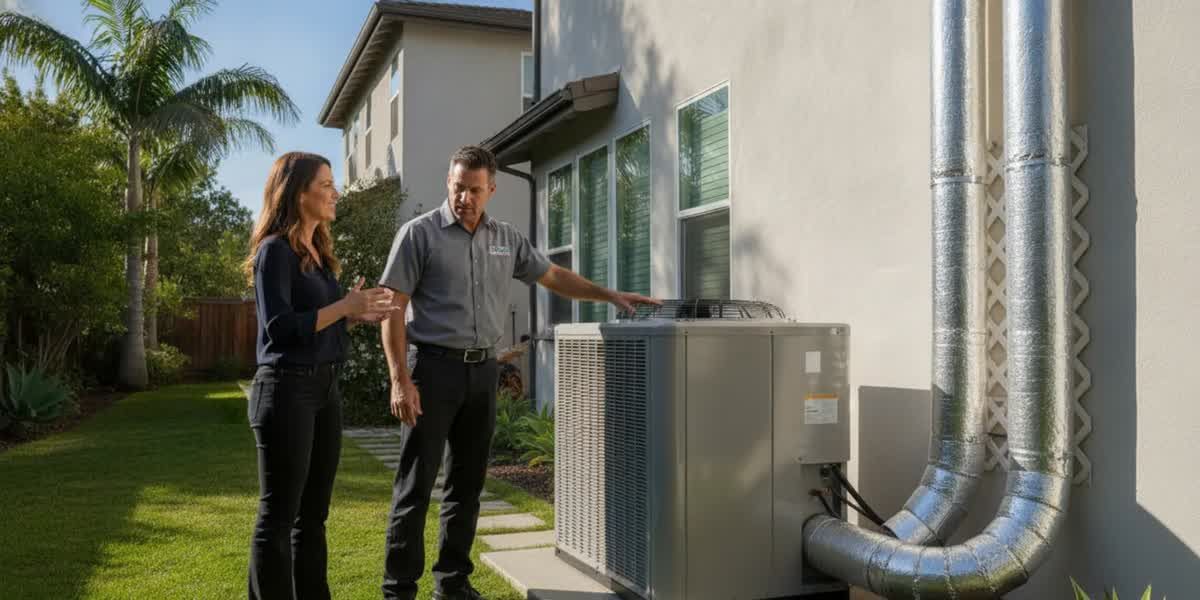
Choosing an HVAC contractor in Santa Clara is about more than comparing equipment names or selecting the first available appointment. A good decision starts with understanding what your home or business needs, then comparing proposals that explain how the work addresses those needs. This guide covers the questions to ask, what to look for during an assessment, and how to evaluate an installation plan before you approve it.
Explore HVAC installation options
What should you decide before contacting an HVAC contractor in Santa Clara?
Start by defining the problem or goal. Are you replacing a system that is failing, planning a new installation, improving comfort in a particular room, or trying to understand what options are possible? The answer affects what a contractor should assess and which recommendations are relevant. A replacement conversation may focus on existing equipment and building conditions. A new-system discussion may also involve where equipment can go, how air will reach each area, and what changes the project requires.
Write down what you notice and when it happens. Instead of saying only that a room is uncomfortable, record whether it feels warm in the afternoon, stays cool during heating, or changes when doors are closed. Note unusual cycling, noise, or a change in performance, without attempting to diagnose the cause. Share the equipment type if you know it, and take a photo of the model label only if it is safely accessible.
List the rooms and areas the system should serve.
Describe comfort concerns and when they occur.
Note prior repairs, maintenance, or changes to the building.
Identify whether your goal is replacement, a new system, repair, or a professional assessment.
For a business, describe operating hours, occupied areas, and spaces with distinct heating or cooling needs.
Think about what has changed since the current system was installed. A remodeled room, added insulation, changed occupancy, or a new work schedule may affect what you need now. If you expect a renovation or a change in how a commercial space is used, mention it early; a recommendation based on today's layout may not suit a near-term plan.
For a broad view of available work, review Ortiz's heating and cooling services. If your goal is to install or replace equipment, the HVAC installation page is a useful starting point.
How should a contractor assess your home or business?
A sound recommendation begins with the building, not a guess based only on the old equipment's size. The contractor should ask how the property is used, what comfort problems you experience, and which areas matter most. The assessment should give you room to ask questions and help the contractor identify information still needed before specifying a system.
For a home, that conversation may include the indoor and outdoor equipment, thermostat location, accessible ductwork, and the rooms you use most. In a small office or retail space, explain the hours when each area is occupied and whether one section has different needs. A meeting room used intermittently, for example, may call for a different discussion than a consistently occupied work area. You need not know the technical answer; your observations help define the problem.
Ask what the assessment includes and what remains unknown. Access restrictions, concealed conditions, or incomplete equipment information can limit what can be confirmed at an initial visit. A careful contractor should explain those limits rather than state assumptions as facts. Ask what additional inspection or information would resolve an open question, and whether that affects the scope or price of the proposal.
For a replacement, ask how the recommended capacity and configuration relate to the building. Simply copying the old system's size does not explain whether it suits current conditions. If rooms have been unevenly comfortable, ask how the plan accounts for them. A new unit alone may not resolve an airflow or distribution issue if that issue is outside the agreed scope.
When airflow or duct condition is part of your concern, ask whether the duct system needs attention alongside the equipment. Ortiz offers duct services. The appropriate work depends on the property's layout and condition; ask the contractor to connect each recommendation to an observed issue, rather than assuming every building needs the same treatment.
Which HVAC options should you compare?
Compare complete proposed solutions, not just the brand name or a headline capacity. Depending on the property, possible approaches may include a heat pump, a furnace and air conditioner, a ductless system, or another configuration. Each option has practical requirements. Ask the contractor to explain why a proposed system fits your building, what alternatives were considered, and what trade-offs matter to your goals.
System type and configuration
Ask whether the proposal serves the whole building or selected zones, and what equipment and controls are included. Existing ducts, available equipment locations, electrical and fuel connections, and the areas that need conditioning can influence what is practical. A system that works well for one home may not be a suitable match for another with different layout or infrastructure.
If you are considering a heat pump, ask how the proposed setup will provide heating and cooling throughout the areas you identified. Clarify whether it uses existing ducts, serves separate zones, or requires changes to the building. Ortiz provides heat pump services; discuss the proposed configuration and any site requirements rather than judging the option by its name alone.
Capacity and comfort goals
Ask how the contractor arrived at the recommended capacity and what property information informed the decision. Discuss rooms that have been difficult to heat or cool, how the building is occupied, and any planned changes. If two proposals recommend different capacities, ask both contractors to explain the assumptions behind their calculations. The goal is not to choose the larger number, but to understand how each recommendation addresses the building.
Controls, airflow, and indoor air concerns
Clarify what controls are included and whether the proposal addresses uneven airflow or indoor air concerns you raised. These are separate considerations from equipment capacity. A new system can leave a known comfort problem unresolved if the proposal does not address its likely source. Ask what outcome the contractor expects and how you will be able to tell whether the agreed work addressed the concern.
For indoor air concerns, name the issue you want to address and ask what each recommended product or service is intended to do. Ortiz describes indoor air quality options. A broad label does not explain the specific purpose or promise a particular result, so ask for a plain-language explanation tied to your concern.
How can you compare contractor proposals fairly?
Request proposals based on the same project goals and property information. A lower total may reflect a different system, omitted work, or different assumptions. Before concluding that one proposal costs less for the same result, compare its scope line by line. If a detail is absent, ask whether it is included, excluded, or still to be determined.
Equipment: Confirm the system type, model or product details provided, and main components. Ask whether the proposal includes one system or separate equipment for different zones.
Removal and installation: Check whether removing existing equipment, setting the new system, connecting it, and starting it up are described. Ask how the contractor will confirm the work is complete.
Air distribution: Look for any stated duct, register, or airflow work. If no changes are proposed, ask whether the existing setup is expected to support the new system and why.
Controls: Identify thermostats and other controls included. Ask where they will be located and whether any separate zones are part of the plan.
Site conditions: Ask what access, electrical, drainage, or other conditions the proposal assumes. Find out how an unexpected condition will be documented and approved before extra work proceeds.
Schedule: Request the expected work sequence and appointment window. Ask what may affect timing, what access is needed, and whether the property can be occupied during the work.
Warranty information: Request written details about applicable manufacturer and workmanship coverage, including registration or maintenance requirements. Do not assume two proposals offer identical coverage.
Permits and exclusions: Ask whether permits or other requirements apply to this specific project and which party handles them. List work that is not included so there are fewer surprises.
Price and payment: Review the written total and payment terms. Ask which changes require your approval and how any scope change will be priced and recorded.
A simple comparison sheet can help. Put each contractor's answer beside the same question: equipment and capacity, work included, duct or control changes, schedule, exclusions, warranty details, and total. Mark unknowns as questions instead of treating silence as confirmation. For instance, if one estimate mentions removal and another does not, ask the second contractor to clarify before comparing totals.
For new equipment installation or replacement, Ortiz offers free estimates. This applies to installation and replacement planning, not repair diagnostics. A diagnostic fee may apply for repair service; ask for the terms before scheduling. The request-a-quote page is available for installation discussions.
What qualifications and service details should you verify?
Before approving work, verify that the contractor is appropriately licensed for the project and ask who will perform and oversee it. In California, check license status through the state contractor licensing board. Ask for the license information and confirm it independently rather than relying only on a logo, directory listing, or verbal assurance. Match the license information to the business you are hiring.
Clarify who your point of contact will be, how questions are handled during the project, and what follow-up support is available. Ask how the contractor will communicate if the site conditions differ from the proposal. A clear process means you know who can explain a change and when you will be asked to approve it.
Ortiz is a Carrier Authorized Dealer and serves Bay Area residential and light commercial customers. You can learn more on the company's About page. Dealer status may help explain equipment access, but it should not replace a written scope and a discussion of how the system fits your building.
When researching a contractor, look for consistent business identity and service details across its website and independent listings. The Diamond Certified company profile identifies Ortiz Heating and Air Conditioning. Use such a profile as one part of your review, alongside license verification, clear project documentation, and answers to your questions.
What should Santa Clara businesses consider?
Commercial spaces can have different demands from a residence. A small office, retail space, or other light commercial property may have varying schedules, occupancy, and comfort requirements across rooms. Explain when each area is used and whether equipment or activities affect its heating and cooling needs. If a front area is open to customers while back rooms are used intermittently, say so; the contractor needs to understand the actual use, not only the floor plan.
Ask the contractor to state which areas and operating conditions the proposed system is designed to serve. If the project may affect employees, customers, deliveries, or business operations, discuss access and work sequencing before setting a start date. Ask which activities may require a temporary interruption and what decisions you need to make before work begins. These details help you plan operations without assuming every installation follows the same schedule.
For a business comparing options, make a short list of operating priorities. You might need to maintain comfort in occupied rooms during business hours, limit disruption to a customer-facing area, or plan work around a slower period. Share which priorities are essential and which are flexible. For specific commercial needs, review commercial HVAC services and describe the property when you inquire.
How can you prepare for an installation consultation?
A little preparation makes the conversation more focused. Gather available equipment details, note comfort issues, and identify the areas that matter most. If you have previous proposals, repair records, or maintenance information, keep them nearby. You do not need a complete file to start; the purpose is to share useful context, not to diagnose the system yourself.
Write down the outcome you want. Separate must-haves, such as addressing an uncomfortable room, from preferences, such as a particular control style.
List the rooms and how they are used. Include hours of use, changes in occupancy, and any areas with different comfort needs.
Gather what you know about existing equipment. Include age or model details only if available; do not guess when information is missing.
Identify access and project constraints. Mention planned construction, limited equipment access, pets, business hours, or other practical issues.
Prepare questions about system type, sizing, scope, timeline, and written warranty terms. Ask the contractor to explain unfamiliar terms.
Request the recommendation and scope in writing. Take time to review it and clarify differences before approving work.
During the visit, take notes under three headings: what the contractor observed, what the contractor recommends, and what still needs confirmation. This simple separation helps prevent a possibility from being mistaken for a confirmed condition. If the recommendation changes after an additional inspection, ask for an updated written scope so everyone is evaluating the same plan.
Ortiz serves communities across the Bay Area, including the San Francisco Bay Area, the San Francisco Peninsula, and the East Bay. To confirm whether your Santa Clara project fits the service area and discuss the next step, use the contact page.
How do you make the final decision?
Choose the proposal that explains the system and scope clearly, reflects the needs you described, and makes costs, assumptions, and follow-up responsibilities understandable. A useful proposal should let you answer basic questions: What is being installed? Which areas will it serve? What work is included? What conditions could change the scope? Who will explain those changes?
Do not base the decision on brand recognition or the lowest initial amount alone. Consider whether each contractor listened to your priorities, explained how the recommendation fits the property, and answered questions without treating an estimate as a final answer to unresolved site conditions. If two options differ, ask each contractor to explain the practical effect of the difference. For example, compare whether a control or duct change is included and what concern that work addresses.
Before approving the work, read the written proposal again and confirm any verbal clarification appears in the document. Check the equipment details, included and excluded work, payment terms, and process for approving changes. Keep a copy of the accepted scope and any related documents so you can refer to what was agreed during the project.
Request an installation estimate
Frequently Asked Questions
How many HVAC proposals should I compare?
There is no fixed number that suits every project. Comparing more than one written proposal can help you understand differences in equipment and scope, provided each contractor is responding to the same goals and property information. If proposals are difficult to compare, ask each contractor to clarify the same open questions.
Does the old system's size determine the replacement size?
Not by itself. Ask the contractor to explain how the recommended capacity relates to the building, its use, and your comfort needs. If the proposed size differs from the old system, ask what information led to the recommendation.
Are repair diagnostics free?
No. Free estimates apply to adding or replacing new equipment. A service call for repair includes a diagnostic fee; ask about the terms when arranging the visit.
What should I bring to an installation consultation?
Bring available equipment information, notes about comfort concerns, past repair or maintenance records, and a list of questions. If you have a floor plan or previous proposal, it may help describe the property and project. You can still have a useful conversation if some details are unknown.
Can a contractor help with both residential and business HVAC?
Ortiz serves residential customers and light commercial businesses. Describe the property, the areas to be conditioned, and how the space is used so the appropriate project scope can be discussed.
Plan your next step
A good contractor conversation should leave you with a clear explanation of the proposed system, why it fits the property, and what the work includes. Prepare your questions, compare written scopes carefully, and contact Ortiz to discuss an installation or replacement plan for your Santa Clara property.