
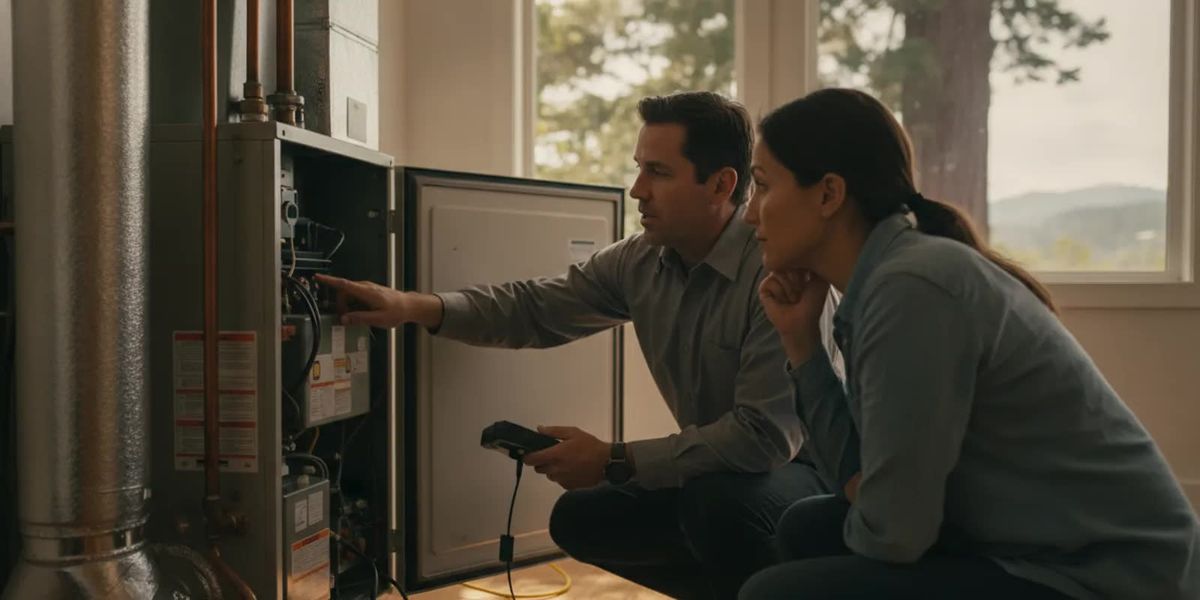
Choosing an hvac contractor redwood city starts with understanding what your property needs and how a contractor will assess it. A repair, replacement, and new installation call for different questions, costs, and planning. Compare the quality of the assessment, clarity of the proposed work, relevant experience, and communication rather than relying on one price or promise.
What work do you need an HVAC contractor to handle?
Before calling, describe the project in practical terms. Note the equipment involved, what you observed, when the concern began, and how it affects comfort or operations. For a planned replacement, list the rooms served, equipment you have, and the conditions that led you to consider a change. This gives each contractor a consistent starting point and makes it easier to compare what they recommend.
Different jobs require different assessments. Ortiz provides HVAC repair services, installation services, and commercial HVAC services. Define which kind of help you are seeking before comparing proposals.
Repair: Describe symptoms such as unusual sounds, weak airflow, or rooms that do not reach a comfortable temperature. Say when the issue occurs and whether it is constant or intermittent. Note any recent change, such as a new noise or a room becoming uncomfortable, but do not attempt to diagnose the cause yourself.
Replacement: Gather equipment age and model details if accessible. List recurring comfort concerns and prior repairs, without assuming the old system's size is right for a new one. Consider what you want the next system to address, such as uneven rooms or controls that are difficult to use.
New installation: Explain which areas need heating or cooling, how the space is used, and what infrastructure is already in place. Mention any remodel or planned room changes that could affect the design.
Maintenance: Ask which equipment and tasks are covered and whether a separate diagnostic visit is needed for a reported fault. Routine maintenance and troubleshooting a specific failure are not necessarily the same visit.
Business project: Explain operating hours, occupied areas, access constraints, and periods when work would cause difficulty. Identify the person who can approve work or schedule adjustments.
Be specific without trying to prescribe the solution. For example, âthe upstairs bedroom is warmer in the afternoonâ is more useful than âI need a larger air conditioner.â A clear symptom lets the contractor investigate the cause before proposing a change.
How should a contractor assess your Redwood City property?
A recommendation should follow an assessment, not a guess based only on the old unit's label or the homeowner's first description. Building layout, room use, windows, insulation, duct condition, exposure, and controls can all affect what solution makes sense. Two properties on the same street may have different needs, and the same system may not suit a home after an addition or a change in how rooms are used.
Ask what the contractor will inspect and how those observations inform the proposed work. For an installation or replacement, discuss capacity, rooms served, existing ducts, controls, and any comfort imbalances. A contractor should be able to explain the reasoning in clear terms and identify assumptions that still need checking. If a recommendation depends on access to an area or information not yet available, ask that it be stated plainly.
When comparing contractors, listen for a connection between finding and recommendation. If the concern is weak airflow in one room, ask what the contractor will check before recommending equipment replacement. If the concern affects the whole home, ask how the assessment will distinguish an equipment issue from a distribution or control issue. These questions do not require you to know the technical answer; they help you understand the process.
If you are considering a heat pump, ask how the contractor evaluates both heating and cooling needs, existing infrastructure, and room-by-room comfort. Ortiz offers heat pump services; use a consultation to understand whether that system type fits the project rather than treating it as a default choice.
For a repair, share the symptoms and history, but leave diagnosis to the technician. Ask what was observed, what repair is recommended, and whether uncertainty remains. A repair diagnostic is distinct from an installation estimate. Do not assume a repair visit or diagnostic is free; ask about applicable fees and what the visit covers when booking.
Which qualifications and experience should you verify?
Check that the contractor is properly licensed for the work. California homeowners can look up a contractor through the Contractors State License Board. Confirm the business identity and license details, and ask whether permits may apply to your project and who will coordinate them. If the work involves more than one trade, clarify how responsibilities are divided and who is your point of contact.
Also ask about experience related to your specific equipment and scope. A contractor may perform repairs, residential replacements, and light commercial work, but that does not remove the need to discuss the system and building in front of you. Ortiz Heating and Air Conditioning serves residential and light commercial customers in the Bay Area. Its company background provides additional context.
Clarify who will perform the work, who supervises it, and who will answer questions if conditions differ from what the initial assessment suggested. Ask whether subcontractors are involved and how changes to scope are reviewed. Specific answers are more useful than broad assurances. You can also ask how the contractor documents the completed work and what information you will receive at handoff.
Reviewing customer feedback may help you identify topics to ask about, such as communication or follow-through. It is one input, not a substitute for a written proposal, license verification, or direct answers about your project. You can read Ortiz customer reviews as one part of your own evaluation.
What should a written proposal include?
A written proposal should let you understand the planned work, what it costs, and what it does not cover. It should make assumptions visible, so you can compare it with another proposal on a fair basis. Request clarification before accepting language that is vague or incomplete.
Work scope: Identify the equipment or components to be repaired, installed, or replaced, and describe the main tasks. For a repair, make sure the proposed action is tied to the diagnosis.
Equipment: For a replacement, name the proposed equipment and capacity, and explain why the recommendation suits the property. If more than one option is presented, ask what changes between them.
Ducts and related work: State whether duct changes, controls, electrical coordination, or other tasks are included or excluded. Confirm how the proposal treats existing conditions that cannot be evaluated until work begins.
Permits and inspections: Say whether they apply, who handles them, and how they fit into the project schedule. Do not assume an item is included simply because the proposal describes a complete job.
Price and payment: Review the total and payment terms. Ask what conditions could change the price and how additional work is described, priced, and approved before it proceeds.
Schedule: Ask for the expected start and duration, plus known factors that could affect timing. Clarify how you will be notified if a delay occurs.
Warranty: Request written information about equipment and labor coverage and how to make a claim. Ask whether separate terms apply to different components.
Cleanup and handoff: Ask what the crew will remove, what operating guidance you will receive, and what documentation will be provided.
Ortiz offers estimates for installation or adding equipment. That does not mean repair diagnostics or repair estimates are free. If your project includes repair work, ask directly about the diagnostic fee and what the visit covers before scheduling.
How can you compare contractors fairly?
First make sure each proposal addresses the same problem and a comparable scope. A lower total may leave out duct work, permits, controls, or other tasks. A higher proposal may include a more complete scope, or it may include an option you do not need. Ask contractors to explain differences in writing and avoid comparing bottom-line prices until you understand what each includes.
Compare the assessment behind the recommendation
Ask each contractor what they observed and how that led to the repair or system recommendation. For a replacement, find out how capacity was determined and whether the rooms and duct system were considered. For a repair, ask which finding supports the proposed work and whether other concerns should be addressed now or monitored later. A proposal that explains its reasoning is easier to evaluate than one that simply names a product or task.
Compare the scope line by line
Read proposals side by side. Look for equipment, labor, duct changes, controls, permits, disposal, and stated exclusions. If one proposal includes a task another omits, ask whether it is unnecessary, deferred, or outside that contractor's quote. Do not assume an omitted task is included in a general phrase such as complete installation. Write down the answer beside the relevant line so the comparison remains clear.
Compare communication and accountability
Find out who your point of contact will be, how schedule changes are communicated, and who can approve a change in scope. Put important commitments in the proposal or follow-up correspondence. Ask how the contractor will reach you if a concealed condition changes the plan, and whether work will pause until you approve the change.
Compare full terms, not only price
Ask whether the written total covers all described work and what conditions might change it. Confirm payment timing, warranty terms, and the approval process for additional work. If an allowance or optional item appears, ask what it means and how the final amount will be determined. Avoid relying on a verbal assurance that does not appear in the documents.
For example, suppose one contractor proposes equipment replacement and another proposes replacement plus duct adjustments. Rather than assuming either is better, ask both to explain what the existing ducts require and whether the same rooms and controls are covered. Then request a revised scope if necessary. A useful comparison identifies the reason for each difference, not just the dollar amount.
Which questions should you ask before approving HVAC work?
Use the same questions with each contractor so you can compare answers. A useful response should refer to your property and the actual proposed work.
What did you observe during the assessment, and how does that support your recommendation?
What exactly is included and excluded in the scope?
For a replacement, how did you determine capacity and account for the rooms and ducts?
Are permits or inspections applicable, and who will coordinate them?
Who will perform and supervise the work?
What is the expected schedule, and how will changes be communicated?
For a repair diagnostic, what fee applies and what does the visit include?
Which warranties apply, and where can I review their terms?
How will you document and get approval for additional work?
What should I expect at handoff, including operating instructions and records?
After each conversation, take a few minutes to record the contractor's answers. Note what was inspected, the main recommendation, any unresolved question, and what the written proposal promises. This simple record helps when proposals use different terms or arrive several days apart. If your household or business has more than one decision-maker, share the same notes so everyone is comparing the same details.
How can you prepare for a contractor consultation?
Preparation helps make a visit more productive. Write down what you have noticed and when it happens. If equipment labels are safely visible, record model details or take a photo. Do not remove panels or attempt repairs to gather information. Make a room list, noting where comfort feels uneven and whether the pattern changes at different times of day.
For a replacement conversation, gather records of prior repairs or system changes if you have them. Think about whether room use or occupancy has changed, whether a remodel is planned, and what comfort issues matter most. You do not need to decide on equipment before the visit; sharing facts gives the contractor a starting point and lets you evaluate the assessment.
A practical preparation checklist can be short:
Write one or two sentences describing the problem or goal.
List rooms affected and whether the issue changes with time or weather.
Collect accessible equipment information and previous service records.
Note access limitations, pets, work schedules, or areas that need special care.
Prepare questions about scope, fees, permits, warranty, and timing.
Choose who will attend and who can approve the work.
For businesses, identify operating hours, areas that must remain open, access rules, and a contact authorized to discuss the project. If work affects several rooms or tenants, list those constraints so the proposal can address sequencing and communication. A small office might ask whether work can be arranged outside its busiest hours; the contractor can then say whether that approach is practical for the system and scope.
Before scheduling, verify that the contractor serves your area and property type. Ortiz lists its San Francisco Peninsula service area and broader areas served. You can also review its services overview to identify the relevant conversation.
What should businesses consider when selecting a contractor?
In an office, retail space, or other light commercial property, a system interruption can affect staff, customers, and daily operations. Explain how the building is used, its occupied hours, and any equipment or processes that depend on stable conditions. Ask how the work can be sequenced and which spaces may be unavailable while it is underway.
Confirm that the contractor understands access requirements and the system involved. Discuss who will coordinate with the building contact, how work areas will be maintained, and how unexpected conditions will be raised. A written communication plan is helpful when a tenant, owner, facilities contact, and contractor all need to stay informed. Include a clear way to approve changes so no one assumes another person has authorized additional work.
For a business replacement, ask the contractor to distinguish between immediate needs and optional improvements. Request clarity on what can be completed in one visit or phase and what would require later work. This does not mean every project can be staged; it gives you a basis for planning disruption and approvals. If the property has multiple zones, ask which spaces may be affected at each stage and whether staff must prepare or relocate equipment.
Residential and light commercial proposals may differ in scheduling and coordination, but the same basic review applies: verify the assessment, understand the scope, confirm responsibility, and get terms in writing. Ortiz's commercial HVAC information can help you identify the relevant service discussion.
How do you make a confident final choice?
Choose a contractor whose assessment makes sense, whose qualifications you have checked, and whose written scope and terms you understand. A proposal should give you enough detail to see what you are authorizing, not pressure you to decide before your questions are answered. If a statement is unclear, ask for a written explanation and compare the revised scope with other offers.
For a repair, weigh the diagnosis and proposed action against the symptom and your priorities. For an installation, focus on the fit between the property assessment, equipment recommendation, and work included. A consistent process makes it easier to identify what matters even when proposals differ in format.
Ortiz Heating and Air Conditioning serves Bay Area residential and light commercial customers. To discuss your needs or ask about an appropriate next step, use the contact page. The estimate request page is available for equipment installation or replacement estimates; repair diagnostics are handled separately.
Frequently Asked Questions
How many HVAC contractors should I compare?
There is no single number that fits every project. Comparing written proposals from more than one contractor can help reveal differences in scope and assumptions. The comparison is useful only if each contractor considers the same project and property concerns.
Should I choose the lowest proposal?
Not on price alone. First compare the scope, equipment or repair details, permits, schedule, payment terms, and warranties. Ask about exclusions and allowances before deciding whether the totals represent comparable work.
Can a contractor recommend an installation without visiting?
A preliminary conversation can clarify the project, but an installation recommendation should be based on information about the actual property and its needs. Ask what has been assessed and what remains uncertain before relying on a proposed system.
Are HVAC repair estimates free?
Do not assume so. A repair may involve a paid diagnostic visit. Ask about the fee and what the visit covers when scheduling. Free estimates apply to adding or replacing equipment, not repair diagnostics.
What should I do if proposals do not match?
Ask each contractor to explain differences in scope, assumptions, and recommended work. Request written clarification, then compare the proposals again on the same basis before approving a project.
Request an equipment installation estimate
Taking time to define the work, check qualifications, and review written terms can help you choose an HVAC contractor with greater confidence for your Redwood City property.