
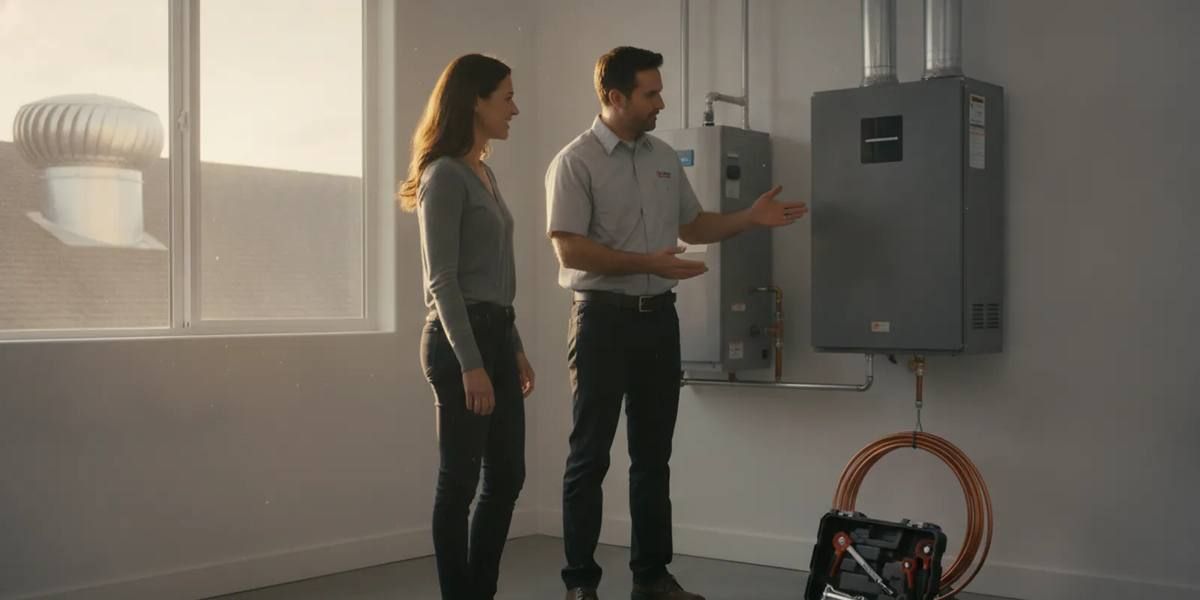
Choosing an hvac contractor pleasanton homeowners can rely on means looking beyond who can arrive first. A strong choice depends on whether the contractor understands your building, explains the work, and provides a written scope that matches your needs. These steps help you compare options for a new system, repair, replacement, or comfort concern with more confidence.
What should a Pleasanton HVAC contractor be able to do?
Begin by matching the contractor's capabilities to your project. Replacing a furnace or air conditioner, installing a heat pump, diagnosing a fault, correcting uneven airflow, and maintaining existing equipment are related but distinct jobs. Ask what the contractor will assess and how that assessment leads to a recommendation. A clear explanation is more useful than a general promise that one system will solve every concern.
For replacement or new installation, the discussion should account for the existing equipment, layout, ducts, controls, comfort complaints, and how the building is used. A proposal should identify the recommended equipment and the installation scope, not simply name a model. Ortiz serves residential and light commercial customers across the Bay Area with installation, heating, air conditioning, heat pump, duct, and maintenance services. Review the HVAC service options to identify the right project category.
For repair, diagnosis comes first. Ask what was checked, what condition was found, and what the proposed work is meant to correct. A repair diagnostic is not an installation estimate. Free estimates apply to adding or replacing equipment, not repair diagnostics. Clarify any service-call or diagnostic charge before scheduling.
How can you check a contractor's qualifications?
Before arranging work, ask for the contractor's license number and verify that the license applies to the work involved. Use California's Contractors State License Board license lookup to check public license information and confirm that the name on the proposal matches the business you are hiring. You can also ask who will perform and supervise the work, how questions will be handled on site, and who you contact if an issue comes up after the visit.
Installation may involve equipment placement, electrical and duct connections, startup, controls, and an explanation of system operation. You should know who is responsible for coordinating those parts and documenting any agreed changes. A confident contractor should be able to explain the sequence without making the conversation needlessly technical.
Ask about experience with your type of property and equipment. A contractor should not claim that one brand or system fits every building. Ortiz is a Carrier Authorized Dealer and services major manufacturers, including Lennox, Trane, and Mitsubishi Electric. That background can inform a discussion, but the recommendation still needs to reflect your actual needs, the building, and the work that is actually required. Learn more about the company through its company information.
What should you compare in an HVAC proposal?
Compare assumptions and included work, not only the final figure. Proposals may differ because the equipment, site conditions, and scope differ. Ask each contractor to describe these points in writing:
Equipment: Which system and major components are included? Are there alternatives, and what are the practical differences?
Work: Does the scope cover removal, installation, connections, startup, testing, and cleanup?
Existing conditions: How will duct, electrical, access, or other hidden issues be discussed and approved if discovered?
Controls: Does the plan address thermostat compatibility and basic operating instructions?
Warranty: What manufacturer coverage applies, and what workmanship terms are provided in writing?
Timing: What is the expected schedule, and how will changes or delays be communicated?
Payment and revisions: How are additions to the agreed scope documented and approved?
Ortiz offers free estimates for equipment installation and replacement. Ask for a written proposal that identifies the equipment, work, and assumptions so you can compare it fairly with other options. A clearly defined scope helps reduce confusion between the estimate and the completed work. For an installation project, explore HVAC installation services.
What does a complete installation scope look like?
A useful scope tells you what happens before, during, and after the equipment is placed. It may identify removal of the old system, delivery, placement, connections, duct or control changes, startup, cleanup, and operating instructions. It should also state what is not included or what depends on an inspection. This distinction matters because two proposals can use similar equipment names while covering different amounts of labor and preparation.
For example, if an existing thermostat or duct connection is not suitable for the proposed system, the proposal should explain how that condition will be handled. If access is tight, ask whether the contractor has considered the route for removing old equipment and bringing in the new equipment. Questions like these turn a short sales document into a practical plan.
How do Pleasanton's conditions affect HVAC planning?
Local weather is only one part of comfort. A home exposed to strong afternoon sun may feel different from a shaded property, while room arrangement, insulation, window area, duct condition, and occupant schedules also influence how a system performs. When you speak with a contractor, describe where discomfort occurs and at what times. That information helps focus the evaluation on the building rather than on a generic regional assumption.
For example, if an upstairs bedroom becomes uncomfortable late in the day while the rest of the home feels fine, note the time, thermostat setting, and whether the issue persists with doors open or closed. If several rooms are affected, describe their locations and whether airflow seems weak. These observations do not diagnose the cause, but they give the contractor useful context to investigate.
Ask whether the contractor will assess airflow and ductwork when uneven temperatures are part of the problem. Possible causes can include duct condition, airflow balance, controls, or equipment performance. The appropriate next step depends on findings; replacing equipment may not address a duct issue. Learn about duct services if that is part of your concern.
Should you repair or replace the system?
No single age or symptom automatically makes replacement the right decision. Consider the system's condition, repair history, ability to maintain comfort, and the scope of the current fault. Ask for a clear explanation of the repair option and, if replacement is relevant, the reasons to consider it. You should understand the alternatives before committing to a major purchase.
When repair may fit
Repair may be appropriate when the contractor identifies a specific fault that can be corrected and the remaining equipment is in suitable condition. Ask what the repair addresses, whether any related conditions remain, and what signs would warrant another evaluation. Do not treat a repair conversation as an automatic reason to replace the whole system.
When replacement deserves discussion
Replacement may merit consideration when problems recur, comfort remains poor, or the equipment's condition makes continued repair less attractive. Ask the contractor to distinguish observed facts from estimates about future performance. A reasoned comparison should describe the immediate repair path and the replacement scope, not rely on pressure or a single broad claim.
Ortiz's HVAC repair information and installation information can help you identify which discussion to request. If considering a heat pump, ask how it would provide heating and cooling, what changes are required at your property, and whether existing ducts can be used. See heat pump services for more about that system option.
How do system options compare?
Do not compare equipment by label alone. Compare how each option addresses your building and priorities, and ask the contractor to make tradeoffs explicit. For a replacement discussion, the central options may be repairing existing equipment, replacing like-for-like, or considering a different system arrangement.
Repair existing equipment
This path focuses on the diagnosed fault and retains the current system. It may involve less change to the property, but it does not necessarily resolve unrelated comfort or airflow concerns. Ask what the repair will and will not change, and whether the contractor found other conditions worth monitoring.
Replace with a similar system
A similar system can preserve a familiar layout, but equipment should still be selected for the building and its actual requirements. Confirm whether existing ducts, controls, and connections are suitable or need modification. A replacement proposal should state what carries over and what changes.
Consider a different configuration
A heat pump or another configuration may be worth discussing if your goals include changing how heating and cooling are delivered. The contractor should explain equipment placement, duct compatibility, controls, and the work needed at the property. The option is not automatically better; compare the complete scope and how it fits your use.
Ask for the same information for each option: what problem it addresses, work included, assumptions, items not included, and follow-up documentation. That makes comparison more concrete than weighing a short product description against a price alone.
What questions help you choose between contractors?
Use a consistent set of questions so the answers can be compared fairly:
What will you inspect or measure before recommending equipment or work?
What assumptions are you making about the ducts, controls, access, and existing equipment?
Who will do the work, and who oversees it?
What is included in the written scope, and how are unexpected changes approved?
How will you confirm operation after installation?
What equipment documents and operating instructions will I receive?
Who should I contact with a question after the job?
Listen for clarity about uncertainty and limitations, not just benefits. A useful answer explains why an option fits, what alternatives exist, and what remains unknown until inspection. If the contractor cannot explain a recommendation in plain language, ask for clarification before approving work.
What should businesses consider?
Small offices and retail spaces may have operating hours, customer areas, and equipment loads unlike a home. Explain when the space is occupied, which areas need reliable comfort, and whether work must be coordinated around business activity. Ask the contractor to identify the equipment and areas covered by the proposal, the expected work sequence, and how access or disruption will be handled.
For example, an office that is empty on weekends may have different scheduling priorities from a shop that serves customers throughout the day. Share hours, tenant or staff access requirements, and any rooms that need special attention. Ortiz serves light commercial customers; review commercial HVAC services and describe the property's use when requesting an evaluation.
Businesses should also ask how the work will affect employees, customers, inventory, or adjacent tenants. A written sequence can identify when equipment will be unavailable and which areas need access. If several units serve separate zones, ask whether the proposal covers all of them or only the unit showing a problem. Clear boundaries help a business plan around the work and avoid assuming that an unlisted area is included.
How should you prepare for a contractor visit?
Gather a few practical details before the appointment. Note the equipment type if you know it, when the issue started, which rooms are affected, and any recent changes to the building. Keep service records or previous proposals nearby if available. Make access possible to the thermostat, indoor equipment, and outdoor unit, and mention access constraints in advance.
For an installation conversation, list your priorities in order. They might include more even temperatures, quieter operation, addressing a specific room, or coordinating with renovation work. You do not need to know the technical solution in advance; observations and priorities help the contractor evaluate relevant options.
At the visit, write down the proposed next steps and any questions that need follow-up. If a recommendation depends on a condition that cannot be confirmed immediately, ask how it will be verified and whether it changes the scope. Before authorizing work, make sure the written proposal reflects the final agreement.
What should you record after the visit?
Save the proposal, equipment description, questions, and any later revisions together. Note the date of the conversation and which items were confirmed versus left for further inspection. If you speak with several contractors, label each document so that equipment and scope details do not get mixed together.
A short comparison sheet can include the proposed system, included work, assumptions, schedule, warranty information, and follow-up contact. This is not about creating unnecessary paperwork. It helps you notice when one option includes a task that another leaves unclear, and it gives you a record of what you understood before work begins.
Ortiz serves the Bay Area, including Pleasanton and other East Bay communities. Review the East Bay service area and the broader areas served when considering a project.
Ortiz's company information can also help you understand the business before you request an evaluation.
Request an equipment installation estimate
Frequently asked questions
How do I find an HVAC contractor serving Pleasanton?
Confirm the company serves your address, is licensed for the work, and handles your project type. Then compare written scopes, communication, and answers to your questions instead of choosing based on a brief sales pitch alone.
Should I get more than one installation proposal?
Comparing proposals can show how equipment recommendations and scopes differ. Give each contractor the same information about the building and comfort concerns, then ask each to explain included work, assumptions, and warranty terms.
Can a contractor assess uneven temperatures?
Yes. Describe which rooms are affected, when the problem occurs, and whether airflow seems different from room to room. The contractor can investigate possible causes such as ducts, controls, or equipment operation before recommending a solution.
Does a free estimate apply to HVAC repairs?
No. Free estimates apply to adding or replacing equipment. Repair work requires diagnosis, so clarify any applicable service-call or diagnostic charges before arranging a visit.
What should a new installation proposal include?
It should identify the equipment, major work, existing conditions, assumptions, schedule, warranty information, and the process for approving changes. Ask what startup, cleanup, instructions, and follow-up are included so you can compare proposals on the same basis.
Plan your next step
Choosing a contractor is easier when you can explain the problem, compare written scopes, and understand who is responsible for the work. Ortiz Heating and Air Conditioning serves homeowners and light commercial customers across the Bay Area. Use the contact page to discuss your Pleasanton project and determine an appropriate next step.