
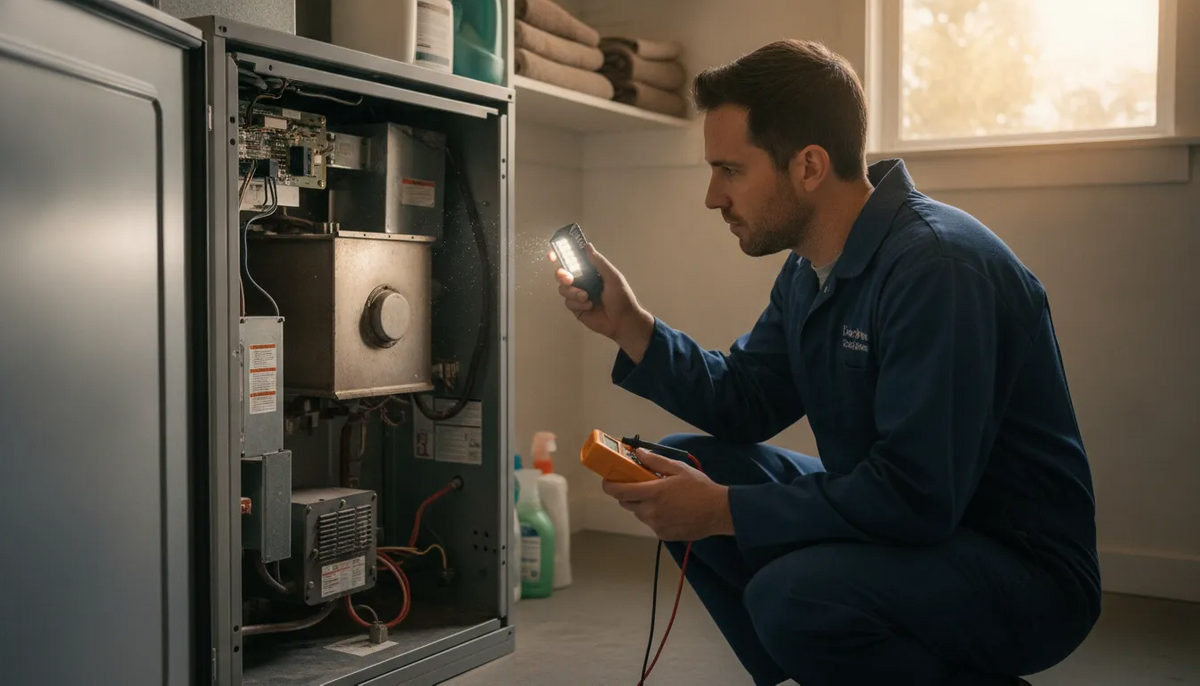
A furnace can seem dependable right up until a cold morning exposes a weak component, restricted airflow, or a safety concern. Planned maintenance gives a technician the opportunity to examine the system under controlled conditions, clean and test key parts, and identify developing problems before they interrupt comfort.
Schedule furnace maintenance service with Ortiz
For most Bay Area homes, furnace maintenance service is best scheduled once a year before the heating season. Exact timing can depend on the equipment, usage, and manufacturer guidance. ENERGY STAR recommends an annual pre-season checkup and regular filter care: ENERGY STAR's maintenance checklist.
A professional visit is more than a quick look at the thermostat. The technician should assess the furnace's operating and safety components, document concerns, and explain whether the system simply needs preventive care or requires a separate repair. Start by looking at how often service is appropriate for your home and equipment.
How Often Should You Schedule Furnace Maintenance Service?
For most homeowners, an annual pre-season checkup is a practical starting point. ENERGY STAR recommends scheduling heating-system maintenance in the fall, before colder weather increases demand. That timing gives a technician an opportunity to review the system, identify developing concerns, and help make sure the furnace is ready for regular use.
In the Bay Area, the heating season can be less predictable than in colder climates. Some households may use their furnace only occasionally, while others rely on it during cool mornings and extended cold spells. Mild weather does not eliminate the value of planning. Scheduling before the first sustained need is generally more useful than waiting until the system will not start or is performing inconsistently.
When seasonal or bi-annual maintenance may make sense
Ortiz recommends seasonal or bi-annual maintenance depending on the equipment, how often it runs, the property's conditions, and the homeowner's needs. This is a company recommendation based on practical system care, not a universal legal requirement or a rule that applies to every manufacturer and furnace. Your equipment documentation and a technician's assessment should also guide the schedule.
More frequent attention may be worth discussing when a furnace runs heavily, serves a dusty or occupied property. Has a history of recurring issues, or supports a household that needs dependable operation. Commercial systems and properties with different heating demands may also need a maintenance plan tailored to their operating schedule.
Plan the primary heating checkup for early fall, before regular furnace use begins.
Ask whether seasonal or bi-annual visits fit your equipment and usage pattern.
Keep up with routine filter care between professional visits, following the filter and furnace manufacturer's guidance.
Schedule professional attention sooner if you notice unusual noises, reduced airflow, inconsistent temperatures, or repeated cycling.
A maintenance visit is preventive care, not a promise that a system will never need repair. If testing identifies a fault, the technician should explain the finding and distinguish recommended repair work from routine maintenance. For local service details, review Ortiz's furnace maintenance service options.
What Does a Professional Furnace Maintenance Visit Include?
A professional visit is more than replacing a filter or looking briefly at the cabinet. The exact scope depends on the furnace, its condition, and the technician's findings, but a thorough furnace maintenance service may include the following checks.
1. Thermostat, startup, and controls
The technician can review thermostat settings, inspect the control sequence, and observe how the furnace starts and runs. This helps confirm that the call for heat reaches the equipment and that the system responds as expected. Controls and the starting cycle may be tested as part of a seasonal checkup, rather than assumed to be working because warm air is coming from the registers.
2. Electrical connections and moving components
Maintenance may include checking electrical connections, motor voltage and current, wiring, and other operating components. Moving parts can be inspected, cleaned, and lubricated when appropriate for the equipment. The technician may also look at condensate drainage and related components. ENERGY STAR identifies these items as part of a typical heating and cooling system checkup. A technician should explain any abnormal wear or electrical concern found during the visit instead of treating every system as if it has the same needs.
3. Filter, ductwork, and airflow review
The filter is checked for condition, fit, and restriction. ENERGY STAR recommends inspecting, cleaning, or changing central-system filters monthly, although the right schedule depends on the filter and conditions in the home. Ortiz maintenance information also includes inspection of ductwork. These checks help the technician assess whether airflow problems may be related to a loaded filter, disconnected or damaged ductwork, or another condition that needs further attention.
4. Fuel connections, combustion, and heat exchanger
For a gas furnace, heating-specific checks may include gas connections, gas pressure, burner combustion, and the condition of the heat exchanger. These are important safety-related areas and should be evaluated by a qualified professional. A maintenance visit does not guarantee that an older component will remain serviceable. If the technician finds a suspected fault, the next step is to explain the finding and recommend appropriate service or repair.
5. Cleaning, testing, and safety checks
Depending on the system and its condition, the visit may include cleaning, performance testing, safety checks, and carbon monoxide testing. Ortiz describes preventive maintenance as a way to identify potential issues before they escalate into more costly repairs. The technician may document the work completed, note conditions that deserve monitoring, and distinguish routine maintenance from a repair that requires diagnosis and a separate quote.
Not every visit includes every item, and maintenance should not be confused with a promise that no repair will ever be needed. The most useful service is one that matches the equipment, records what was checked, and gives the homeowner clear recommendations based on observed conditions.
What Should Homeowners Do Before the Technician Arrives?
A little preparation helps the technician work safely and focus on the condition of your heating system. It also gives you a chance to share useful details that may not be obvious during a brief visit. You do not need to take apart the furnace or troubleshoot gas, combustion, or electrical components. Those checks belong to a qualified professional.
Use this pre-visit checklist
Check the air filter. Inspect or replace it according to the filter manufacturer's instructions and your home's conditions. ENERGY STAR recommends inspecting, cleaning, or changing central-system filters monthly, but the correct interval varies by filter type and household use. Do not force a filter into place or operate the system without the required filter.
Clear the work area. Move storage boxes, furniture, tools, and other items away from the furnace, thermostat, access panels, and nearby ductwork. Leave a stable, well-lit path so the technician can inspect and service the equipment without moving unnecessary obstacles.
Write down what you have noticed. Note unusual sounds, odors, reduced airflow, uneven temperatures, short cycling, or changes in when the system operates. Include when the symptom began, whether it happens during startup or shutdown, and whether it occurs every time or only occasionally.
Gather system details. If available, have the furnace or heat pump model information, installation or previous service records, filter size, and thermostat instructions nearby. These details can help the technician understand the equipment's history and maintenance needs.
Keep children and pets away. Arrange for children and pets to stay outside the work area during the visit. This protects them from tools, open access panels, hot components, and unexpected equipment operation.
Homeowners should not remove combustion covers, adjust gas pressure, test burner operation, open electrical panels, or attempt to inspect a heat exchanger. A professional visit may include checks of gas connections, combustion, electrical connections, controls, and safety conditions. Those tasks require appropriate training and equipment. If you smell gas or a carbon monoxide alarm sounds, leave the area and follow your local emergency guidance instead of waiting for a routine furnace maintenance service appointment.
Which Furnace Warning Signs Need Professional Service?
Routine maintenance is planned preventive care, but some changes in furnace performance indicate that the system needs closer attention. A filter may be overdue, a component may be wearing out. Or the furnace may have a combustion or safety problem that cannot be evaluated reliably from symptoms alone. Do not wait for the next scheduled visit if your heating system is showing a persistent or unusual change.
Performance changes that should not be ignored
Contact a qualified HVAC professional when you notice one or more of these conditions:
Reduced airflow: Weak air from the vents can have several causes. A filter, blower, ductwork, or another system issue may be involved. Replacing a visibly dirty filter may help, but continued low airflow needs professional evaluation.
Unusual noises: Scraping, rattling, banging, squealing, or repeated clicking is not normal operation. The sound may change as the furnace starts or stops, so describe when it occurs to the technician.
Inconsistent temperatures: Rooms that remain cold while others overheat can point to airflow, thermostat, ductwork, or equipment concerns. Avoid assuming that adjusting the thermostat will solve the underlying problem.
Frequent cycling: A furnace that starts and stops more often than usual may be struggling with airflow, controls, sizing, or another fault. Repeated cycling can also leave the home uncomfortable and deserves a professional assessment.
Rising energy bills: An unexplained increase in heating costs, especially alongside weaker performance, can be a reason to have the system inspected. A bill change alone does not identify the cause.
Combustion and carbon monoxide concerns require caution
A yellow burner flame, a gas odor, or a carbon monoxide alarm should never be treated as an ordinary maintenance reminder. Do not try to adjust the burner, test combustion, locate a gas leak, or troubleshoot a heat exchanger yourself. Heating-specific professional checks can include gas connections, gas pressure, burner combustion, and heat exchanger condition, as outlined by ENERGY STAR's maintenance checklist.
If you smell gas or a carbon monoxide alarm sounds, leave the building immediately and move to a safe location. Do not operate switches, use flames, or remain inside to investigate. Call 911 or your gas utility from outside, follow the alarm manufacturer's instructions, and do not re-enter until the appropriate emergency personnel say it is safe. After the immediate hazard is addressed, arrange professional furnace service to identify and correct the equipment problem.
For non-emergency performance symptoms, schedule a furnace maintenance service visit and share what you have observed. A technician can distinguish planned maintenance from a repair need, perform the appropriate safety checks, and explain the next step without asking you to diagnose the furnace yourself.
Questions to Ask Before Booking a Furnace Maintenance Visit
A clear conversation before scheduling helps you understand what a furnace maintenance service includes and what it does not. A thorough visit should be more than a quick visual check. It should give the technician time to inspect the system, test its operation, identify safety concerns, and explain the condition of the equipment in terms you can use.
What will the technician inspect and document?
Ask whether the appointment includes the components that affect safe, dependable heating. Depending on the system, that may include the filter, electrical connections, controls, moving parts, ductwork, gas connections, combustion, and heat exchanger. ENERGY STAR's maintenance checklist also identifies thermostat operation, motor performance, condensate drains, and the starting cycle as items that may be reviewed during a professional checkup. Ortiz maintenance services include inspection, tune-up, cleaning, lubrication, performance testing, safety checks, and carbon monoxide testing.
It is also reasonable to ask how the findings will be communicated. Will the technician provide a written summary, identify parts that need attention, and distinguish immediate safety concerns from routine recommendations? Documentation makes it easier to track recurring issues and plan future work without relying on memory.
Which furnace components and safety controls are included in the visit?
Will operating tests and observed findings be documented?
Will you explain what was checked and what should be monitored next?
Should I replace or inspect the filter before the appointment?
What happens if the technician finds a fault?
Ask the provider to explain the difference between planned maintenance and repair before the visit begins. Maintenance is preventive work performed to keep the system operating properly. If testing identifies a failed component, unsafe condition, or other fault, additional diagnostic work or repair may be needed. A reputable provider should explain the finding, the recommended next step, and whether the furnace can continue operating safely while you decide.
Also ask how service-call and diagnostic fees are handled. Ortiz states that these fees apply, and that free estimates are limited to new equipment installation or replacement. The important point is not a vague promise of a free visit. It is knowing when a service or diagnostic fee applies, what the diagnosis covers, and when you will receive a repair quote. These questions create clear expectations before you book a furnace maintenance service appointment.
QuestionWhy it mattersWhat to look forWhat will you inspect?Confirms the visit matches the equipment.Clear scope for controls, airflow, electrical, and safety items.What happens if you find a fault?Separates maintenance from repair work.A documented finding, explanation, and repair quote after diagnosis.What will I receive afterward?Creates a useful service record.Notes about completed work and conditions to monitor.
How Bay Area Homeowners Can Choose Furnace Maintenance Service
The right provider should make the maintenance visit understandable, specific, and relevant to your equipment. A company that simply says a furnace was "checked" gives you little useful information. Before scheduling, look for a clear description of the work, an explanation of what happens if a problem is found. And evidence that the provider understands homes in the San Francisco Bay Area.
Confirm what the appointment includes
Ask whether the service covers more than a quick visual review. A thorough visit may include filter and ductwork checks, electrical connections, cleaning, lubrication, performance testing, safety checks, and carbon monoxide testing. Heating-specific work can also involve examining gas connections, combustion, controls, and the heat exchanger. ENERGY STAR's maintenance checklist provides a useful reference for questions about seasonal furnace care.
Request documentation of the work performed and any observations. The record should identify the system, note conditions that deserve attention, and distinguish routine maintenance from a repair recommendation. You can also ask:
Which components will be inspected, cleaned, lubricated, or tested?
Will safety-related conditions, combustion, and carbon monoxide be addressed?
What information will I receive after the appointment?
Will you explain which issues need immediate attention and which can be monitored?
Understand fees, credentials, and next steps
Maintenance and repair are different types of service. Maintenance is planned preventive work. If the technician identifies a fault, diagnosing that issue and preparing a repair recommendation may involve a service or diagnostic fee. Ask how that process works before the appointment. Free estimates should not be assumed for maintenance, inspections, diagnostics, or repairs; Ortiz limits free estimates to new equipment installation or replacement.
Local experience and credentials are also useful context, although they do not replace clear communication and careful workmanship. Ortiz serves homes and light commercial properties throughout the Bay Area, has more than 25 years of local HVAC experience, and is a Carrier Authorized Dealer. The company also identifies as California licensed, Diamond Certified, and BBB accredited in its business information.
Review Ortiz's furnace maintenance service details before booking. If the system is already showing a possible fault, ask about a professional HVAC service call so the appointment matches the problem you need addressed.
Schedule furnace maintenance service with Ortiz
Frequently Asked Questions
How often should I schedule furnace maintenance service?
Most homeowners should schedule a professional checkup once a year, preferably before the fall heating season. Seasonal maintenance can also make sense for systems that run heavily or have recurring performance concerns. Follow the equipment manufacturer's recommendations and ask your technician to tailor the interval to your furnace's age, condition, and use.
What maintenance should be done on a furnace?
A professional visit may include filter and airflow checks, inspection and cleaning, and lubrication of applicable moving parts. It may also include testing electrical connections and controls, reviewing the thermostat, performing safety checks, and examining gas connections, combustion components, and the heat exchanger. The technician may check ductwork and carbon monoxide levels when appropriate. The ENERGY STAR maintenance checklist supports these types of seasonal checks.
What should I do between professional maintenance visits?
Check the filter regularly and replace or clean it according to the filter and furnace instructions. ENERGY STAR advises checking filters monthly during periods of use. Keep supply and return vents clear, watch for unusual noises or temperature changes, and note symptoms so you can describe them accurately during the next service visit.
When does furnace maintenance become a repair?
Maintenance is planned preventive work, such as cleaning, testing, and adjusting a system. Repair begins when the technician identifies a failed or unsafe component that needs correction. A service or diagnostic fee may apply while the problem is being identified. After diagnosis, the technician can explain the repair options and provide a repair quote.
Schedule Furnace Maintenance Before Heating Season
Regular professional maintenance can help identify wear, safety concerns, and developing problems before your furnace is working hardest. If your system is due for service, schedule furnace maintenance through the Ortiz request form. Share any unusual noises, airflow changes, or temperature concerns so the technician can focus the visit on your home's needs.