
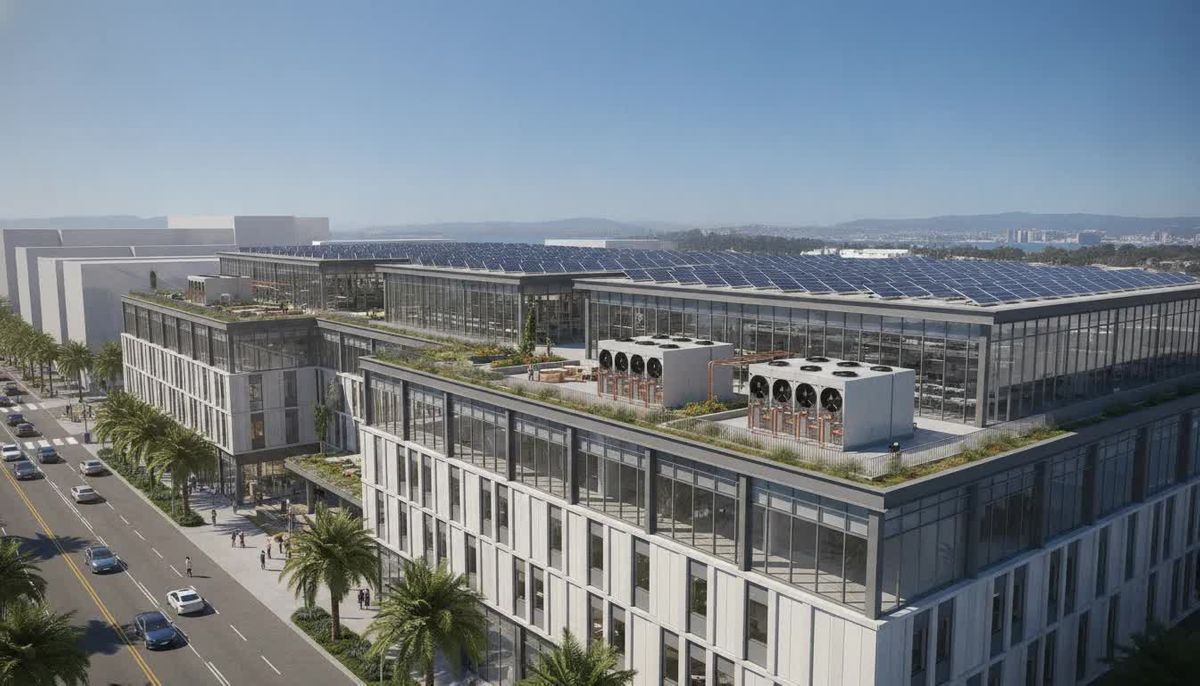
Old gas boilers in San Francisco offices are quickly becoming a thing of the past. Local rules and high energy costs are driving a move toward modern electric heating.
Commercial HVAC electrification Bay Area is the transition from gas heating to high-efficiency electric heat pumps. According to Gil-Bar, this shift helps businesses meet local decarbonization policies. By replacing aging boilers with heat pumps that move heat, companies can triple their heating efficiency and secure long-term utility savings.
Property managers often feel lost when facing new rules about clean energy. You likely want to know how these changes will impact your bottom line. Understanding "What is Commercial HVAC Electrification and Why is It Accelerating in the Bay Area?" is the first step and the path begins with the basics.
What is Commercial HVAC Electrification and Why is It Accelerating in the Bay Area?
Commercial HVAC electrification in the Bay Area is the strategic transition of facility heating and cooling from fossil-fuel systems to high-efficiency electric alternatives. Driven by California’s strict decarbonization laws and municipal building codes, local businesses are rapidly adopting electric systems to secure energy savings and future-proof their operations.
Commercial HVAC electrification is the way firms change from gas-powered heat to electric systems. In most cases, this means trading old gas boilers and heaters for top-tier heat pumps. This move is a key part of the plan to reduce greenhouse gas emissions in California. Because commercial buildings use a large share of our energy, changing how they stay warm is a top goal for local leaders.
Understanding the move to all electric heat
For many years, firms in the Bay Area used natural gas to heat their shops. Electrification changes that by moving the work to the power grid. This shift helps buildings use clean energy like wind and solar power. As the grid gets cleaner, the carbon footprint of your firm shrinks too. It is more than just a fad. It is a full rework of how commercial HVAC electrification works for modern owners.
Many owners worry about the cost of these changes. It is true that trading a big boiler for a heat pump can be a hard job. Research from the Center for the Built Environment shows that direct swaps can cost a lot. But new tests show that many buildings have HVAC systems that are much larger than they need. By picking the right size for new gear, you can save cash and space during the work.
Efficiency gains through heat pump tech
The main tool for this shift is the heat pump. Unlike a heater that burns fuel to make heat, a heat pump moves heat from one place to another. This way of working is efficient. In fact, a new commercial heat pump can move three times more heat than the power it uses. This means you get more warmth for every dollar you spend on your utility bill.
These systems work well even in the damp weather of the San Francisco Peninsula. Some new models can handle cold days without losing their edge. They use smart tech to provide hot water and warm air even when the air outside is cool. This makes them a safe choice for shops and cafes across the East Bay and Alameda County.
Local rules driving the fast change
Why is this move happening so fast in our area? Local and state rules are a big part of the reason. California has set bold goals to phase out gas systems in the next few years. Many cities in the Bay Area now say new buildings must be all electric. Older buildings will soon face these same rules as they replace old gear. These laws aim to reduce direct carbon emissions from the building sector.
Staying ahead of these rules is a smart move for any shop owner. Making the shift now can help you avoid a rush later when gas parts are hard to find. It also lets you use local rebates and tax perks. By planning for a low carbon future today, you protect the value of your property for years to come.
Assessing Commercial Heating Infrastructure and Electrical Capacity
Assessing commercial heating infrastructure and electrical capacity is essential to ensure your Bay Area facility can handle the added electrical load of high-efficiency heat pumps. A professional engineering review determines if your existing electrical panels and utility hookups need upgrades to support the transition from natural gas to electric power.
Checking your current commercial heating infrastructure is the first move in any shift to electric power. You must know what your building has before you can plan for what it needs. Many owners think they can just swap a gas heater for an electric one of the same size. But professional energy planning engineers find that swapping a boiler for a same-sized heat pump is often hard to do or costly for most sites. A full check helps you avoid these high costs by finding the best path forward.
Checking your electrical service panel
The biggest block for commercial HVAC electrification Bay Area jobs is often the power grid. Most older buildings in San Francisco and the East Bay were not built to run large electric heat pumps. These systems need much more power than gas units. We must check your electrical service panel to see if it can handle the new load. If your panel is already full, you might need a new service or to add new utility hookups to your site.
Utility hookups are the lines that bring power from the street to your building. If your heating needs are large, the current lines may not be thick enough. We work with local power firms to see what changes you need. This step keeps your building safe and ensures your new gear runs well without blowing fuses. It also helps you plan for future growth if you want to add more electric tools or car chargers later. To keep your system running safely after installation, scheduling regular commercial HVAC maintenance is a highly effective way to prevent utility issues.
Rightsizing gear for actual heating needs
Many old gas systems were built too large for the buildings they serve. This is because old design rules often use "buffer" numbers that don't match real life. Industry studies show that traditional engineering rules overestimate peak heating loads by a huge amount. When a system is too big, it turns on and off too often. This wears out the parts and wastes a lot of energy.
By looking at how your building really uses heat, we can pick a smaller, better system. This is a key part of "rightsizing." A smaller unit costs less to buy and fits better in tight spots. It also puts less stress on your electrical panel. This data-driven way of planning is the best way to save money on your new electric heating setup. We focus on your real needs rather than old guesses.
Finding space for new utility hookups and gear
Space is often tight in Bay Area commercial sites. Electric heat pumps and their tanks can take up more room than the gas units they replace. We look at your roof, utility yard, and gear rooms to see where the new tools will fit. We must also think about how much air the units need to work. If a heat pump does not get enough fresh air, it will not heat your space well.
Utility lines and pipes also need a clear path. We map out where the new wires and utility hookups will go to keep the work clean. Planning for space and power at the same time prevents delays during the install. Our goal is to find a setup that fits your site and meets all local codes. This full review ensures your shift to electric heat is smooth and saves money.
Phased Electrification: Overcoming Retrofit and Space Constraints
Phased electrification solves commercial space and retrofit constraints by breaking the transition into manageable stages rather than a single, high-cost equipment swap. By implementing hybrid systems or upgrading individual building zones over time, business owners can align equipment replacement with capital cycles and avoid service disruptions.
Space and structural limits in older buildings
Many Bay Area commercial buildings face hard limits when switching to electric heat. Older buildings were not built to hold the weight of large, modern air-source heat pumps on their roofs. A move to Bay Area commercial HVAC specialists is often the first step to see if your roof needs more help.
Space inside machine rooms is also a big issue for many owners. Gas boilers are often small. The heat pump units that replace them can take up a lot more room. Finding new paths for pipes through tight walls or floors can add more cost to the work.
You may need to run new lines for coolant through parts of the building that are hard to reach. These design limits and space issues mean that every building needs a clear plan to move away from gas. Custom designs help you find the best spots for new gear without breaking the bank.
The risk of one-to-one swaps
It might seem easy to just swap an old gas boiler for a new heat pump of the same size. But mechanical engineering studies show that doing this is often costly or impractical for most sites. Most gas systems were built to be much larger than what the building truly needs on cold days.
Standard design rules tend to overestimate peak heating loads by a wide margin. This often happens because old plans do not count how well modern glass and walls keep in heat. If you buy a heat pump as big as your old boiler, you will pay for power you do not use. Instead of a direct swap, you should look at how your building uses heat over time.
Benefits of a phased approach
You do not have to change every part of your commercial heating infrastructure at the same time. A phased plan lets you move to electric in steps that fit your budget and building life. You can start by adding a hybrid system that uses a heat pump for most days but keeps a small gas unit for the cold mornings. This mix keeps the building warm while you test how the new gear works.
Phased work helps you manage the load on your power panel. It also gives you time to make the building more airtight before you install the final heat pump units. This slow move helps you stay in line with new laws without a huge cost all at once. By planning in stages, you can find the best way to cut carbon while keeping your business running well.
Comparing Electric Heat Pumps vs. Commercial Gas Systems
Comparing electric heat pumps to commercial gas systems reveals that modern heat pumps are up to three times more energy-efficient and provide dual heating and cooling from a single unit. While older gas systems burn fossil fuels and increase emissions, electric heat pumps move existing heat to slash your carbon footprint.
Business owners in the San Francisco Bay Area are looking at new ways to heat and cool their buildings. The shift toward commercial HVAC electrification is driven by state goals and better tech. To make a good choice, you should know how modern electric heat pumps stack up against older gas systems. While gas has been the standard for years, electric options now offer high output in many settings.
Efficiency and Power Use
The main change between these two systems is how they move or make heat. Gas systems burn fuel to make warmth. Even the best gas units lose some energy in the process. Modern heat pumps work by moving heat from one place to another. This makes them very efficient. These units can move up to three times more heat energy than the power they use to run. Many systems are being improved to replace gas-fired systems while keeping power costs low. This high rate of heat move helps lower the total power load for a building.
Heat Range and Dual Use
In the past, people feared that electric heat pumps could not handle cold days. Newer models have solved most of these issues. Some cold-climate units can work well in temps as low as -10 degrees. In the mild Bay Area air, these systems stay efficient all year long. Gas systems are known for steady heat in any weather, but they lack the cooling power of a heat pump. A single electric unit can give both heating and cooling for your office or shop. This dual use saves space on the roof or in the mechanical room. It also makes care easier since you only have one system to check.
Feature Modern Heat Pumps Older Gas Units Efficiency They can move up to three times more heat energy than the power they use. They turn fuel into heat at a rate that is always less than 100 percent. Energy Source They use power to move heat from the outside air into the building. They burn natural gas or propane to create heat for the indoor space. Heat Range New cold-climate models can work in temps as low as -10 degrees. These units provide steady heat regardless of how cold it is outside. Carbon Footprint They produce zero direct gases and help meet local green building goals. They release carbon and other gases through a flue or vent.
Long-Term Project Costs
When you look at costs, you must think about more than the buy price. Gas systems might cost less to set up at first. But they may lead to higher bills over time as gas prices rise. Electric systems often have higher start costs but offer better savings through high efficiency. They also help buildings meet new local laws that aim to cut carbon use. Choosing the right system depends on your building size and power grid. A site visit can help find the best path for your needs.
Essential Steps for a Successful Building Electrification Plan
A successful commercial building electrification plan consists of five essential steps: auditing your current energy profile, rightsizing the heat pump equipment, coordinating panel upgrades with your local utility, executing the professional installation, and conducting comprehensive post-install commissioning to verify the system operates at peak efficiency.
Moving a business to all-electric heating and cooling is a big shift. It needs a smart plan to avoid high costs and system errors. A well-made commercial HVAC electrification Bay Area roadmap ensures your building stays comfortable while meeting new energy rules. This guide shows the key steps for a smooth move from gas to electric power.
Checking Your Current Energy Use
A full site audit is the base of any project. You must look at your building shell, insulation, and current gear. Many older buildings have systems that are far too large for their needs. Research from the Center for the Built Environment at UC Berkeley shows that standard rules often guess peak loads too high. By finding your real needs, you can buy smaller, better units that cost less to run.
During this stage, you should also check for air leaks and duct issues. Fixing these small gaps first allows for better system sizing and helps improve overall indoor air quality across your office spaces. It is also the time to look at your local weather data. Bay Area weather varies by city. Your plan should reflect the unique needs of your specific spot.
Designing Your New All-Electric System
After the audit, the design work starts. You need to pick gear that handles both heating and cooling in one unit. Working with commercial climate control design specialists is vital here. They will help you choose between tools like variable refrigerant flow (VRF) or heat pumps. These modern systems are very efficient. They can move up to three times more heat energy than the power they use.
Designers must also plan for space limits. Heat pumps often need different layouts than old gas boilers. You may need to update roof supports or clear room for outdoor coils. A good design accounts for these physical limits early to prevent delays during the build.
Assessment: Audit your current energy bills and building shell to find your true heating and cooling loads.
Design and Sizing: Choose the best heat pump tech for your space and right-size the gear to match your needs.
Utility Coordination: Talk to your power company to see if your electrical panel needs an upgrade for the new load.
Installation: Remove old gas-fired units and set up the new electric system, including all wiring and duct work.
Commissioning: Run a full series of tests to verify that the system and its controls work as intended for top savings.
From Setup to Peak Performance
Talks with your power company are a must. Electric heat pumps use more power than gas units, even if they use less total energy. Your electrical service might need a boost to handle the peak draw on cold days. Starting this talk early with the utility helps you avoid long wait times for new meters or panels.
The final step is testing. This is more than just turning the unit on. Pros test every sensor and valve to make sure the system reacts well to weather changes. This work fine-tunes the controls for the best possible results. It ensures that your new green system gives reliable comfort for your tenants and staff for years to come.
Maintaining Your Electric HVAC System for Long-Term Comfort
Maintaining your electric commercial HVAC system requires a proactive approach focused on airflow optimization, monthly filter replacements, and regular refrigerant level inspections. Because commercial heat pumps operate year-round for both heating and cooling, consistent preventative maintenance is essential to maximize equipment lifespan and keep energy bills low.
Electric heat pumps work in a new way compared to the gas units many Bay Area business owners know. A gas furnace stays idle for most of the year, but a heat pump provides both heating and cooling. This year-round use means your system works harder and needs a new type of care. Good upkeep ensures your commercial HVAC electrification Bay Area plan stays on track for years to come. We have seen how the local salt air and fog can affect these units over 25 years of local work.
The Shift in Regular Care
Heat pumps rely on refrigerant to move heat in and out of your building. This makes checking fluid levels and looking for leaks a top task for your team. Unlike gas systems, there is no burner to clean, but the outdoor coils must stay clear of dirt. Experts from Energy.gov show that modern systems are now built to handle high heat needs even in older buildings. Keeping these parts clean helps the unit reach those goals without extra stress on the motor. You should also check the drain lines to stop water from backing up during humid months.
Airflow and Filter Needs
Electric systems move a lot of air to keep your rooms at the right feel. If your filters get clogged, the system has to work twice as hard to push air through the vents. This leads to higher power bills and more wear on the parts. You should check your filters once a month, mostly in busy shops or office spaces. Using the right filters can also improve the air your staff and customers breathe each day. Clean air leads to a better workplace and fewer sick days for your crew. It also keeps the coils inside the unit from getting caked with dust.
Using Zoning to Stop Work Loss
A smart way to protect your system is through zoning. This tech lets you heat or cool only the rooms that people are in. It stops the unit from running at full blast to fix a hot spot in one small back room. Zoning also makes it easier for licensed commercial technicians to find and fix small issues before they stop your work. By splitting your building into zones, you can keep most of your shop open even if one part needs a quick fix. This keeps your business running and your customers happy while you save on monthly energy costs. Long-term care is the best way to avoid a big cost down the road.
Frequently Asked Questions
Can heat pumps replace gas furnaces in commercial buildings?
Yes, modern heat pumps are a proven alternative to gas furnaces for businesses. These systems are highly efficient because they move heat rather than burning fuel to create it. According to experts, heat pumps can move up to three times more heat energy than the electricity they use. This makes them a great choice for Bay Area building owners who want to lower their carbon footprint while keeping their space comfortable.
Why is commercial HVAC electrification accelerating?
This shift is moving fast due to new local laws and climate goals. Many cities in the Bay Area are phasing out gas to reduce greenhouse gas emissions. Commercial buildings account for a large share of energy use. Switching to electric heating is a key way to reach net-zero goals. Beyond rules, electrification helps owners improve indoor air quality and future-proof their assets as the state moves toward a carbon-free grid.
What are the main challenges for commercial HVAC electrification in the Bay Area?
Retrofitting older buildings often brings hurdles like limited space and electrical panel capacity. Replacing a large boiler with a similar heat pump can be costly or impractical without a good plan. Many systems also need electrical upgrades to handle the new load. Success depends on a phased approach that looks at the building's actual needs. Proper planning helps owners find creative ways to handle these hurdles while lowering their overall project costs.
Do heat pumps work well in cold weather?
Modern heat pumps are designed to perform reliably in very cold conditions. Some systems are rated to work at temperatures as low as -10 degrees Fahrenheit. While the Bay Area rarely sees such extremes, this tech ensures your building stays warm during the coldest winter nights. These cold-climate units maintain high efficiency even when outside air is freezing. This makes them a dependable primary heating source for commercial buildings throughout the entire San Francisco region.
Ready to book your commercial HVAC electrification plan today?
Putting off your building's move to electric heat can lead to high energy costs and sudden breaks that hurt your profit and your daily work. If you wait until your old gas unit fails for good, you may face long wait times for new parts and gear during the busy season. Starting your plan today lets you stay ahead of new Bay Area laws while picking the best tech to keep your building warm and safe.
Ready to book? Request a site-specific professional assessment to set up a clear path for your building and start your move to a cleaner and more trusted heating system today so your business stays on track.