
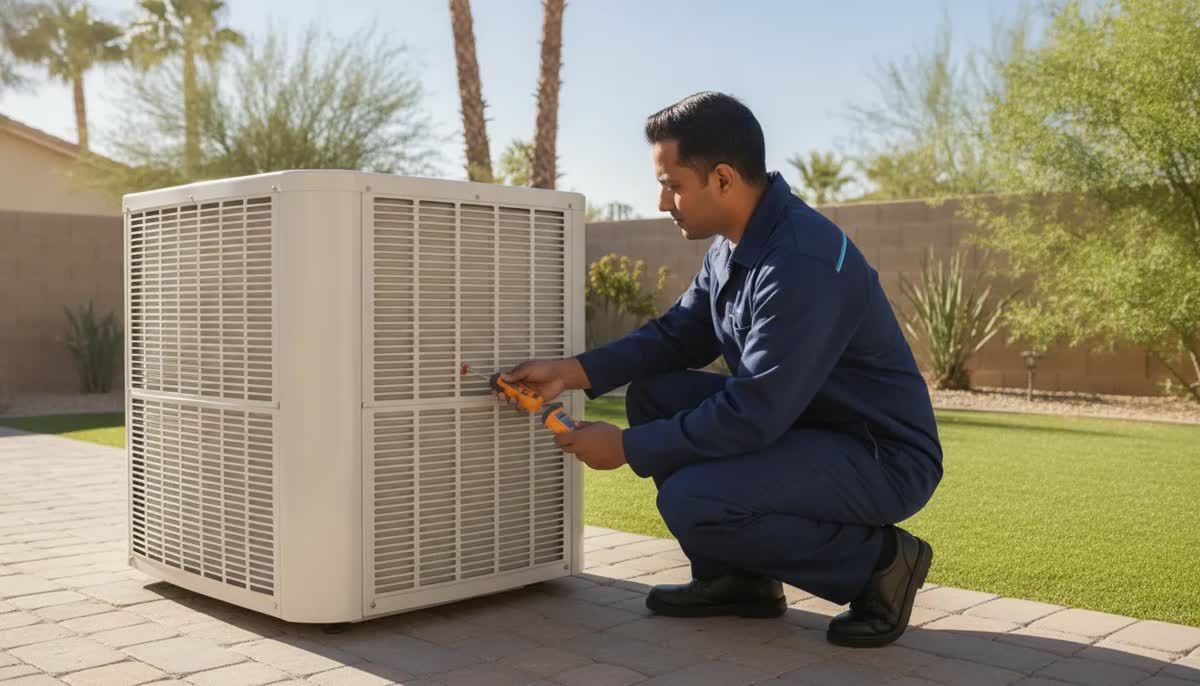
Bay Area homeowners often think about air conditioning only when a heat spell arrives. By then, a clogged filter, restricted airflow, or debris around the outdoor unit can turn a manageable service need into an uncomfortable interruption. Coastal air, changing microclimates, and long stretches of mild weather make preventive care especially practical here.
Central air conditioner maintenance helps keep airflow strong, supports efficient operation, catches worn components early, and prepares your system for the Bay Area's hottest days.
Good maintenance is not complicated, but it should be consistent. A few homeowner checks can protect performance between professional visits, while trained service can address electrical, refrigerant, drainage, and coil concerns that are easy to miss. Understanding why this matters locally is the first step toward a more reliable cooling system.
Schedule central air conditioner maintenance today and give a qualified Bay Area technician the chance to review your system before the next heat spell. Regular care can keep your cooling reliable all season long.
Why Central Air Conditioner Maintenance Matters in the Bay Area
Bay Area weather can be easy on an air conditioner for much of the year. Still, that does not mean the system is free from stress. A few intense heat spells can push a central AC from occasional operation to long hours of continuous cooling. Homes near the coast face a different challenge, including damp air and salt carried by coastal winds. Inland areas may see hotter, drier afternoons, while some Peninsula homes deal with cooler mornings and changing humidity. These microclimates affect how hard your equipment works and how quickly dirt, moisture, and corrosion-related buildup can become a problem.
Regular central air conditioner maintenance keeps the components that support cooling working together. Filters need attention because restricted airflow makes the system work harder. Coils and fins must stay sufficiently clean to transfer heat, while refrigerant lines and electrical connections need professional review when service is performed. Ignoring these details can gradually reduce comfort and increase energy use, even when the system still appears to be running normally.
Maintenance protects comfort during heat spells
A neglected system may first show small symptoms: rooms that cool unevenly, longer cycles, weak airflow, or a thermostat that never seems to reach its setting. In a Bay Area home, those symptoms can become especially disruptive when a heat spell arrives and every household in the neighborhood is relying on air conditioning. Preventive attention gives a technician an opportunity to identify worn parts, airflow problems, drainage concerns, and other developing issues before they become a mid-season emergency.
Maintenance also supports humidity control. Cooling equipment removes moisture as it operates, but a clogged drain or poorly maintained coil can interfere with that process. Excess indoor humidity can leave a home feeling warmer than the thermostat reading suggests and may contribute to musty odors. Coastal homes should also receive careful attention to outdoor equipment because salty air can accelerate deterioration of exposed components.
A longer service life starts with consistent care
With proper maintenance, a central air conditioner can last approximately 15 to 20 years. That range is not a promise for every system, since installation quality, usage, repairs, and local conditions all matter. However, annual professional service is widely recommended to help maintain efficiency and extend the equipment's useful life. A yearly visit can be paired with routine homeowner tasks, such as checking the filter and keeping the outdoor unit clear.
For a broader look at the work involved, review Ortiz's annual maintenance services. A consistent plan is usually less stressful than waiting for the first hot week to reveal a problem. And it helps Bay Area homeowners make informed decisions about repair, replacement, and comfort.
Your DIY Central Air Conditioner Maintenance Checklist
Several routine tasks can help a homeowner protect cooling performance between professional visits. The safest approach is to work only on accessible parts, shut the system off before cleaning. And stop if you encounter electrical components, refrigerant lines, damaged wiring, or a coil that requires disassembly. Use this checklist for practical central air conditioner maintenance without turning a simple task into an equipment problem. For more step-by-step guidance, see our DIY air conditioner maintenance guide.
Turn the system off before starting. Set the thermostat to off, and switch off power to the outdoor condenser at the disconnect if you are cleaning near the fan or coil. Never reach into the condenser while it has power. If the disconnect, wiring, or electrical panel looks damaged, leave the system alone and call a qualified HVAC professional.
Check and change the air filter. A dirty, clogged filter restricts airflow and reduces cooling efficiency. It can also allow dirt to bypass the filter and collect on the evaporator coil, reducing its ability to absorb heat. Many manufacturers recommend checking or changing a filter every 1 to 3 months, though frequent use, pets, or dusty conditions may require a shorter interval. Confirm whether your system uses a disposable or reusable filter, and install the correct size and airflow rating.
Clear supply registers and return vents. Move furniture, rugs, curtains, and storage items away from indoor vents. Open registers help the system distribute conditioned air and return air properly. This is a simple indoor task that does not require tools or access to the air handler.
Remove debris around the outdoor condenser. Clear leaves, grass clippings, and loose debris from the cabinet and surrounding ground. Trim shrubs, grass, and other foliage back at least two feet so air can move freely around the unit. Some manufacturers recommend 2 to 3 feet of clearance. Do not bend the thin metal fins, spray water into electrical compartments, or remove cabinet panels.
Clean the accessible condenser coil carefully. With power off, gently remove surface debris using a soft brush or a low-pressure garden hose directed from the inside outward when the unit design allows it. Avoid pressure washers, harsh chemicals, and aggressive brushing, which can damage coil fins. Bent fins, heavy buildup, or a coil that cannot be reached safely belongs in a professional maintenance visit.
Inspect the condensate drain area. If the drain channel or accessible drain opening is visibly clogged, a stiff wire can help clear loose blockage and keep condensate moving. A clogged drain can reduce the system's ability to control indoor humidity. Stop if water is backing up, leaking near the air handler, or the blockage does not clear. Those signs may indicate a deeper drain or pump issue.
DIY cleaning and filter care are useful, but they do not replace professional inspection. Refrigerant charge, electrical testing, indoor coil condition, and hidden drain problems require specialized tools and training. Schedule professional help when the system is short-cycling, making unusual sounds, leaking water, freezing, or failing to cool evenly. Homeowners who want a complete seasonal plan can follow our full HVAC maintenance checklist.
What Does Professional Central Air Conditioner Maintenance Include?
A professional visit goes beyond changing a filter or rinsing visible dirt from the outdoor cabinet. A licensed technician evaluates the complete cooling system, identifies conditions that can reduce performance, and records issues before they become an unexpected breakdown. That broader inspection matters in the Bay Area, where coastal air, dust, humidity. And short periods of intense heat can affect equipment differently from one neighborhood to the next.
Refrigerant, coils, and airflow
The technician checks refrigerant charge and looks for signs that the system is not transferring heat properly. Refrigerant is not a routine top-off item. An incorrect charge can indicate a leak or another system problem that requires diagnosis. The indoor evaporator coil and outdoor condenser coil are also inspected and cleaned as needed. Even when a homeowner replaces filters regularly, the evaporator coil can collect dirt over time. Coil condition, bent fins, ductwork, and airflow are reviewed together because a restriction in one part of the system can make the equipment work harder and cool unevenly.
The condensate drain and drain pan receive attention as well. A restricted drain can leave excess moisture around the air handler and reduce the system's ability to control indoor humidity. The technician checks for proper drainage and looks for conditions that could lead to water damage. This is especially useful in homes where rooms feel clammy even though the thermostat reaches its set point.
Controls and electrical safety
Maintenance includes testing electrical components and connections, inspecting capacitors and contactors, and checking for signs of overheating or wear. The thermostat is calibrated and tested so it accurately communicates the desired temperature. These steps are difficult to assess safely through a DIY inspection, particularly when panels expose high-voltage components. The technician can also verify that the system starts, cycles, and shuts down correctly rather than waiting for a control or connection to fail during a heat spell.
Filter replacement remains part of the professional checklist, but it is only one component of the visit. HVAC systems also influence indoor air quality. The EPA's Building Air Quality guide identifies heating, ventilation, and air conditioning systems as part of managing indoor air quality. Clean components, sound airflow, and appropriate filtration support a healthier and more comfortable indoor environment.
Preventive maintenance is a core Ortiz service line. Ortiz Heating and Air Conditioning is locally owned, Diamond Certified, and BBB certified, with 25 years of Bay Area experience. That combination supports a methodical evaluation rather than a one-size-fits-all checklist. For more on how Ortiz serves cooling needs across the region, see our air conditioning services.
How Often to Schedule a Tune-Up: Seasonal Bay Area Timing
For most central air conditioning systems, professional maintenance once a year is a practical baseline. The best time is usually before the cooling season, during spring or early summer. Rather than waiting until the first hot spell exposes a weak capacitor, restricted airflow, or poor cooling performance. A tune-up gives the system a chance to operate under demand while there is still time to address concerns before service schedules become crowded.
Seasonal timing matters particularly in the Bay Area because "cooling season" does not look the same in every neighborhood. A home on the San Francisco Peninsula may spend much of the year in cool, foggy conditions, then need air conditioning during a sudden warm afternoon. In the East Bay, longer and more intense heat spells can place sustained demand on equipment. Coastal moisture and salt-laden air may also affect outdoor components over time. A system that has been idle for months can need attention before it is expected to run continuously.
Plan around your local microclimate
Scheduling in spring allows a technician to review the system before extreme conditions arrive. The visit can identify issues that are easy to overlook when the equipment is not running every day. Such as unusual electrical readings, a thermostat that needs calibration, a clogged condensate line, or a condenser area that has become obstructed. Correcting those problems early can help reduce the chance of an uncomfortable interruption when temperatures rise.
Peninsula and coastal homes: Arrange a spring tune-up and ask about outdoor-unit conditions if the system is exposed to persistent fog or coastal air.
East Bay homes: Schedule before the first extended heat forecast, especially if the system will be working hard throughout the afternoon.
Homes with older equipment or frequent use: Keep the annual appointment consistent and discuss whether the system needs closer observation based on its operating history.
When a maintenance membership makes sense
A preventive maintenance membership can make annual scheduling easier by creating a recurring reminder instead of leaving service to memory. Membership benefits may include priority scheduling and discounts on repairs, which can be useful when a problem is found during a planned visit. These programs are not a substitute for responding to a sudden loss of cooling, but they help keep routine care from being postponed.
For guidance on timing or to arrange professional maintenance visits, consider the season, your neighborhood conditions, and how heavily your air conditioner runs. A consistent spring tune-up is a straightforward way to prepare for the Bay Area's unpredictable shifts from cool mornings to demanding heat.
Should You DIY Central Air Conditioner Maintenance or Hire a Pro?
The most effective approach is not choosing between homeowner upkeep and professional service. It is using each for the work it can safely do well. DIY tasks help your system operate reliably between appointments, while professional maintenance addresses components that require specialized tools, measurements, and HVAC training.
Use this comparison as a practical boundary. If a task involves routine cleaning or observation, it may belong on your monthly checklist. If it involves refrigerant, electrical components, internal coils, or system performance testing, leave it to a qualified technician.
DIY and professional central air conditioner maintenance tasks
DIY upkeep between visits: Change or check the air filter. Replace disposable filters or clean reusable filters according to the filter type and the conditions in your home. Frequent cooling, pets, or dusty conditions may require more frequent attention.; Professional annual maintenance: Verify filter fit and system airflow. A technician can confirm that the filter is appropriate, installed correctly, and not contributing to restricted airflow.
DIY upkeep between visits: Clear debris around the outdoor condenser. Remove leaves and other loose debris, and keep nearby growth trimmed back so air can move freely around the unit.; Professional annual maintenance: Clean and inspect the coils. Professional service can address coil buildup, inspect the coil fins, and identify airflow or heat-transfer problems that are not obvious from the outside.
DIY upkeep between visits: Keep the condensate drain area clear. Watch for standing water, unusual moisture, or signs of a developing blockage. Stop if the drain is inaccessible or the line requires more than simple exterior cleaning.; Professional annual maintenance: Inspect the condensate system. A technician can evaluate drainage and look for conditions that may affect humidity control or cause water damage.
DIY upkeep between visits: Observe comfort and operating changes. Note weak airflow, uneven cooling, unusual sounds, or short cycling so you can report specific symptoms.; Professional annual maintenance: Check refrigerant and electrical components. Professional maintenance includes refrigerant checks, electrical testing, and a full system inspection. These are not appropriate DIY tasks.
Why the hybrid approach works
Monthly DIY attention catches simple problems early and helps protect airflow. Annual professional service adds a deeper review of the equipment and its operating condition. It can also identify issues inside the system even when the filter looks clean. Annual professional air conditioner service is recommended to help maintain efficiency and extend system life. While proper maintenance may help a central AC system last 15 to 20 years.
For Bay Area homeowners, this division of responsibility is especially practical. Coastal air, dust, pets, and occasional heat spells can change how hard an air conditioner works. Keep up with the simple tasks you can perform safely, then schedule professional maintenance once a year before heavy cooling demand. When a task requires opening equipment, handling refrigerant, or testing live electrical parts, leave it to a qualified HVAC professional. If a component fails anyway, Ortiz's AC repair team can step in.
Book professional central air conditioner maintenance before the next heat spell, so a qualified technician can inspect your system and keep it running reliably all season long.
Frequently Asked Questions
Do central AC units need to be cleaned?
Yes. Dust and debris can collect on filters, coils, fins, and around the outdoor condenser. Cleaning and inspection help preserve airflow and cooling performance. Keep the outdoor area clear, but have a qualified HVAC professional handle indoor coil cleaning or damaged fins that require specialized tools.
How do I service my AC unit myself?
Start with homeowner-safe tasks: check or replace the filter, keep supply and return vents open. Remove leaves from around the outdoor unit, and trim nearby foliage back about two feet. You can also watch for standing water near the condensate drain. Turn off power before cleaning near the equipment, and do not open refrigerant circuits or work on electrical components.
How often should I have my air conditioner serviced?
Schedule professional service at least once a year, ideally before the period when your home will rely most on cooling. Bay Area microclimates vary, so homes near the coast, in dusty areas, or in locations with frequent heat spells may benefit from additional attention. Check filters more often when the system runs heavily or pets are present.
What does professional central air conditioner maintenance include?
A professional visit typically includes inspecting and cleaning coils, checking refrigerant levels, testing electrical components, replacing or evaluating the filter, and reviewing thermostat operation. The technician can also identify restricted airflow, bent coil fins, condensate drainage problems, and developing wear before they become larger comfort or reliability concerns.
Ready to Schedule Central Air Conditioner Maintenance?
Regular professional maintenance can help your system deliver dependable cooling through Bay Area heat spells while giving you a clearer view of its condition. Ortiz can review your equipment, address routine maintenance needs, and help you plan sensible next steps for your home.
Contact Ortiz to schedule central air conditioner maintenance and enjoy dependable, efficient cooling all summer long. When older equipment is beyond repair, our replacement and installation team can also help you plan a new system.