
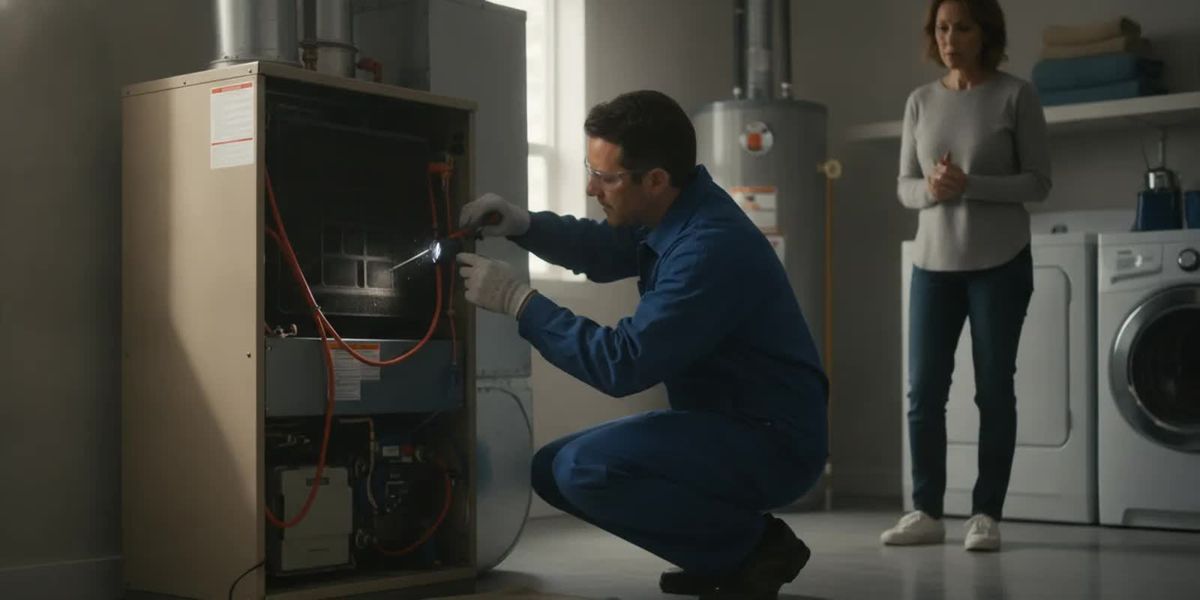
When your heat stops working on a cold Bay Area night, the best emergency heating service Bay Area homeowners can choose is one that responds clearly, puts safety first, and explains the next steps before work begins. Start by deciding whether there is an immediate hazard or an urgent loss of heat, then look for a qualified local provider that serves your area and can explain its emergency process.
Contact Ortiz about an urgent heating issue
What counts as a heating emergency?
A heating failure is not automatically an emergency. The urgency depends on what has stopped working, the conditions inside the building, and whether anyone may be at risk. A system that will not start in mild weather may allow time for a scheduled visit. A burning odor, a carbon monoxide alarm, or a very cold home with a vulnerable occupant calls for a faster response and, in some situations, emergency services rather than an HVAC visit alone.
Consider these situations urgent:
A possible gas leak or combustion concern. If you smell gas, hear a carbon monoxide alarm, or suspect unsafe combustion, leave the area and contact the appropriate emergency or utility service from a safe location. Do not try to troubleshoot the appliance or wait for a routine appointment.
Loss of heat in conditions that could affect health. Children, older adults, and people with certain health needs may be more affected by cold indoor conditions. Arrange help promptly and consider a safe, warm place to stay while the issue is assessed.
Electrical warning signs. Smoke, sparks, a burning electrical smell, or repeated breaker trips are reasons to stop using the equipment and seek qualified help. Do not keep resetting a breaker to force the system to run.
A system that has stopped during a cold spell. Even without an obvious hazard, a full loss of heat may deserve an emergency call, particularly if the home is getting colder or pipes could be exposed to freezing conditions.
For general consumer safety information, consult the U.S. Consumer Product Safety Commission. If there is an immediate danger, follow local emergency guidance first; an HVAC technician is not a substitute for emergency responders or the gas utility.
What should you do before calling an emergency heating service?
Take a few safe, simple steps to describe the problem. Do not open equipment panels, handle wiring, or attempt to repair gas components. The purpose is to gather useful information, not to diagnose the system yourself.
Check the thermostat. Confirm it is set to heat, the set temperature is above the room temperature, and the display is on. If it uses batteries, replace them if you have the correct type and can do so easily.
Check the power at a basic level. Look for an obviously switched-off system switch or tripped breaker. If a breaker trips again, leave it off and report that behavior. Do not repeatedly reset it.
Check the air filter only if it is easy and safe. A heavily obstructed filter can restrict airflow. If you can access the filter without opening the equipment, note its condition and replace it with the correct size if one is available. Do not delay a call if the equipment shows warning signs.
Write down what happened. Note when the system stopped, whether it made an unusual sound or smell, and whether it runs briefly before shutting off. Record any thermostat message or blinking code without removing covers.
Protect people and property. Keep clear of hot surfaces or equipment showing signs of damage. If the indoor temperature is dropping, arrange a warm alternative for anyone who may be at risk. Use portable heaters only as directed by their manufacturers and keep them away from combustible materials.
These details can help the dispatcher understand the situation and determine the right next step. For broader heating help, Ortiz lists its heating services and HVAC service calls online.
How can you choose the best emergency heating service in the Bay Area?
In an urgent situation, a quick answer matters, but speed alone is not enough. Choose a provider that can confirm whether it covers your address, explain its emergency availability, and tell you what to expect from the visit. A useful first call should leave you with a clear understanding of who is responding and what happens next.
Use these criteria when comparing providers:
Service-area fit. The San Francisco Bay Area spans different counties and local climate conditions. Confirm that the provider serves your specific city or neighborhood. Ortiz publishes its service areas, including pages for the San Francisco Peninsula and the East Bay.
Clear emergency availability. Ask whether the company is taking emergency calls now, what hours its emergency service covers, and whether it can serve your location. Do not assume that a website's general business hours describe emergency availability.
Qualified, direct service. Ask who will perform the work and whether the company uses its own technicians for core services. Ortiz describes an in-house technician team and owner involvement; its About page provides additional company context.
Plain-language diagnosis. A technician should explain what was checked, what they found, and which options are available. You should be able to ask questions and understand what is proposed before authorizing repairs.
Transparent charges and authorization. Ask whether a diagnostic or service-call fee applies, when it is due, and whether repair work is priced separately. Repair diagnostics are not the same as a free installation estimate. Do not rely on an assumed price before the issue has been assessed.
Relevant equipment experience. Share the system type, brand, and approximate age if known. A provider that works across heating equipment types can help determine whether the issue may involve a furnace, heat pump, thermostat, or another component.
Written next steps. Before work proceeds, ask for the recommended action and any available alternatives. If the system may need replacement rather than repair, a separate discussion can help compare both paths without rushing into a major decision.
Ortiz says it offers 24/7 availability for heating and cooling emergencies and serves residential customers across the Bay Area. Availability and timing can depend on the location and circumstances, so confirm the details when you call. You can review its heating and HVAC repair information and then speak with the team about the current situation.
What happens during an emergency heating visit?
A service visit generally begins with a discussion of the symptoms and a look at the equipment and controls. The technician may check the thermostat, power supply, airflow, safety-related controls, and system operation as appropriate to the equipment. The exact inspection varies with the system and the symptoms; a remote description cannot establish the cause.
After the initial assessment, the provider should explain what was identified and recommend a next step. That may mean a repair, additional testing, or a discussion about replacement if repair is not a practical option. Ask what the work includes, whether parts are available, and whether the system can be operated safely while you decide. If a repair cannot be completed on the first visit, ask what to do in the meantime and whether a follow-up is needed.
Keep the area around the equipment accessible. Clear stored items from the path to the furnace or indoor unit, secure pets, and make sure an adult can meet the technician. If you have system documentation or recent service records, have them available. Avoid attempting a repair while you wait; a record of the symptoms is more useful than an unsafe DIY intervention.
How do emergency heating options compare?
Not every loss of heat needs the same response. This table can help you decide what kind of contact to make. It does not replace emergency guidance or a technician's assessment.
SituationSuggested next stepWhat to prepareGas odor, carbon monoxide alarm, smoke, or suspected immediate dangerLeave the affected area and contact emergency responders or the utility from a safe place; arrange HVAC follow-up only when safeAddress and a brief description of the warning signNo heat, but no immediate hazard and occupants are safeCall an HVAC provider and ask about emergency availability for your locationSystem type, when it stopped, thermostat message, and any safe checks completedIntermittent heat or unusual operation without a hazardRequest service promptly; explain changes in performance and any recurring symptomsTimes the issue occurred, sounds or odors, and whether airflow continuesOlder or frequently failing system with ongoing heatSchedule an evaluation to compare repair and replacement options; do not assume an emergency visit is neededEquipment age if known, repair history, and comfort concerns
Should you repair the heater or consider replacement?
An emergency call should address the immediate problem and safety. It does not automatically mean a system must be replaced. After the diagnosis, compare the repair recommendation with the system's condition, past problems, and your comfort needs. Ask whether the proposed repair is likely to restore operation, whether there are other known issues, and what information supports replacing rather than repairing the equipment.
Replacement may be worth discussing when a system has repeated failures, cannot be operated safely, or no longer meets the home's needs. A decision should account for the equipment type, home layout, existing ductwork, and any needed electrical or installation work. If you are considering new equipment, Ortiz provides heating and HVAC installation information. Installation estimates are distinct from repair diagnostics, and the appropriate scope depends on the home and equipment.
For heat pump systems, mention that equipment type when you call. Heat pumps operate differently from furnaces, and symptoms such as a change in outdoor-unit operation may need a different assessment. Ortiz also describes its heat pump services. Do not assume that a particular sound or operating cycle proves a fault; include what you observed and let the technician assess it.
How can Bay Area homeowners prepare for future heating problems?
Some basic preparation can make the next unexpected problem easier to handle. Keep the system model and serial information where you can find it, save service records, and learn where the thermostat and electrical panel are. Make sure household members know what to do if a carbon monoxide alarm sounds or they suspect a gas leak. Follow the alarm manufacturer's instructions and local emergency guidance.
Routine care can also help you notice changes before a cold night. Keep supply and return vents clear, replace filters according to the equipment instructions, and pay attention to new noises, odors, or uneven heating. Do not use a maintenance visit as a substitute for addressing a sudden safety concern. Ortiz describes HVAC maintenance services for customers looking to plan ongoing system care.
Bay Area homes experience varied conditions across the Peninsula, San Francisco, and the East Bay. A local provider familiar with the region can discuss the specific system and home rather than treating every heating concern the same way. Ortiz shares more about its background and service approach on its customer reviews page; use reviews as one consideration alongside service coverage, clear communication, and the details of the proposed work.
Contact Ortiz to discuss your heating problem
Frequently asked questions about emergency heating service
Does a heater that will not turn on always require emergency service?
Not always. If there is no sign of a hazard and the home remains safe, a scheduled service appointment may be appropriate. Call promptly if the indoor temperature is falling, a vulnerable person is affected, or you are unsure whether the situation is safe. A gas odor, carbon monoxide alarm, smoke, or electrical warning sign should be treated as a safety issue first.
Can I keep using the heater while waiting for a technician?
That depends on the symptoms. Do not operate equipment that is smoking, sparking, repeatedly tripping a breaker, producing a concerning odor, or associated with an alarm. If you suspect gas or carbon monoxide, leave and seek the appropriate emergency help. When there are no warning signs but the system behaves unusually, describe the symptoms to the provider and ask whether it should remain off.
Will an emergency call include the repair?
A visit may involve an assessment and, depending on the diagnosis, parts, and authorization, a repair. The provider should explain any service-call or diagnostic charge and the proposed work before proceeding. Ask what is included if a repair cannot be completed during the first visit.
Is an emergency heating visit a free estimate?
No. A repair visit and a free estimate for installing or replacing equipment are different services. Ask about applicable diagnostic charges when arranging a repair visit. If replacement becomes a consideration, request a separate explanation of the equipment options and installation scope.
Does Ortiz Heating and Air Conditioning offer emergency service?
Ortiz states that emergency service is available 24/7 for heating and cooling emergencies. Call to confirm current availability for your address and explain the symptoms. You can also review the company's HVAC services before contacting the team.
Plan your next step for emergency heating service
If your heater has stopped, first rule out immediate hazards and protect anyone who may be affected by the loss of heat. Then choose a provider that confirms service coverage, explains its emergency process, and gives you clear information about diagnosis and charges. To discuss a heating concern with Ortiz, contact the team directly.
For a serious safety warning, leave the area and contact the appropriate emergency or utility service before arranging HVAC work.