You dust the furniture, and a new layer seems to appear overnight. Maybe there’s a faint, musty smell whenever your furnace or AC kicks on. Or perhaps your allergies are just worse at home. These little annoyances can point to a bigger issue hiding in your walls: your ductwork. Over time, the pathways that deliver air to your rooms can collect dust, allergens, and debris. This guide will help you identify the key signs that it’s time to consider a professional air duct cleaning and restore the freshness of your home’s air, starting from the source.
Key Takeaways
Treat duct cleaning as a specific solution, not routine maintenance: The EPA recommends cleaning only when you have a clear problem, such as visible mold, a pest infestation, or significant debris coming from your vents. It is not a standard annual task for every home.
Understand the real benefits and limitations: Cleaning can effectively remove specific contaminants like renovation dust or pest debris, but it is not a cure-all for health issues or high energy bills. For general air quality, consistent filter changes and regular HVAC maintenance are more impactful.
Vet professionals to avoid scams and poor work: Always choose a reputable company by checking for certifications like NADCA, comparing multiple written quotes, and being wary of prices that seem too good to be true. A trustworthy technician will inspect your ducts before recommending service.
What Is Air Duct Cleaning?
So, what exactly is air duct cleaning? It’s a term that gets thrown around a lot, but it involves much more than a quick vacuum of your vents. Professional air duct cleaning is a deep clean of your entire forced-air system. This includes all the hidden pathways that carry heated or cooled air throughout your home: the supply and return ducts, registers, grilles, and diffusers. It also covers key components of your HVAC unit, like the heat exchangers and cooling coils. Think of it as a comprehensive cleaning for your home’s respiratory system, designed to remove built-up dust and debris from the places you can’t see.
How Your Ductwork System Works
Your home’s ductwork is a network of tubes that distributes air from your furnace and air conditioner to every room. As air circulates, it picks up particles like dust, pet dander, and pollen. Over time, some of this debris settles inside the ducts. It’s important to know that a thin layer of dust in your air ducts is completely normal and usually stays put, sticking to the surfaces. It doesn't typically get blown back into the air you breathe. The main purpose of your ductwork system is to deliver conditioned air efficiently, and a small amount of dust doesn't usually interfere with that job.
What the Cleaning Process Involves
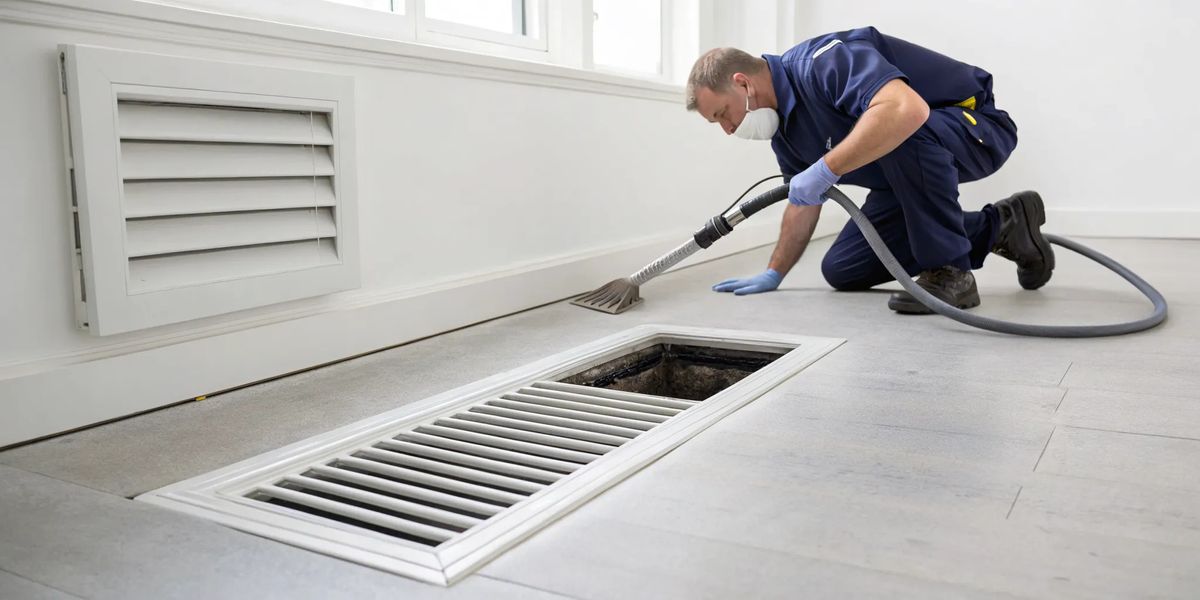
When you hire a professional for a duct cleaning, they bring in specialized equipment. The process typically involves using powerful, truck-mounted vacuums to create negative pressure in your system, which prevents dust and debris from escaping into your home. Technicians then use tools like rotating brushes and high-pressure air whips to dislodge contaminants from the duct surfaces, pulling them into the vacuum. Some companies may use small cameras to show you the inside of your ducts before and after the service, so you can see the results for yourself. A thorough cleaning also includes all the components mentioned earlier, ensuring your entire system is addressed, not just the vents you can see.
What the EPA Says About Duct Cleaning
When it comes to air duct cleaning, there's a lot of conflicting information out there. Some companies push it as an essential annual service, while others say it's rarely needed. To cut through the noise, I always think it's best to go straight to the source. The U.S. Environmental Protection Agency (EPA) has clear guidelines that can help you decide if this service is right for your home.
The EPA’s position is pretty straightforward: duct cleaning isn't a one-size-fits-all solution. They don't recommend it as a routine part of your home maintenance schedule. Instead, they suggest it should be done on an "as-needed" basis. According to their research, there isn't conclusive proof that light dust in your ducts is harmful or that cleaning them will always prevent health issues. In some cases, an improper cleaning can even stir up more particles than it removes, potentially making your air quality worse. However, they do identify specific situations where having your air ducts cleaned is a smart move. Understanding these recommendations helps you make an informed decision for your home and family, rather than just relying on a sales pitch. Let's break down exactly what those situations are so you can feel confident about your choice.
When the EPA Recommends Cleaning
The EPA points to a few clear, visible signs that it’s time to call a professional. You should consider cleaning your ducts if you notice any of the following issues in your home:
Substantial Mold Growth: If you can see significant mold on the hard surfaces of your ducts or other HVAC components, it needs to be addressed. Don't ignore musty smells, as they often point to hidden mold.
Pest Infestation: Finding evidence of rodents or insects in your ductwork is a definite red flag. Pests leave behind droppings and debris that can contaminate your air.
Excessive Debris: If your ducts are so clogged with dust and debris that particles are visibly blowing out of your supply vents, it's time for a cleaning.
If you're experiencing any of these problems, professional duct services can help remove the contaminants and restore your system.
The Truth About Routine Cleaning
So, what about cleaning your ducts just for good measure? The EPA advises against it. Their research shows that much of the dust in air ducts adheres to the surfaces and doesn't necessarily enter your living space. In fact, a poor cleaning job can actually make things worse by kicking up particles that were settled.
The EPA also notes that dirty ducts are just one of many potential sources of indoor air pollution. Everyday activities like cooking, cleaning, and even just opening a window can have a much larger impact on your home's air. If your main goal is improving your home's overall indoor air quality, there are often more effective strategies to consider first, like upgrading your air filter or installing an air purifier.
6 Signs It's Time to Clean Your Air Ducts
While the EPA doesn't recommend cleaning your air ducts on a fixed schedule, there are definitely times when your home sends clear signals that your ductwork needs attention. Think of it less like a routine oil change and more like a specific repair. If you notice any of these issues, it’s a good idea to call a professional for an inspection. Ignoring them could mean you’re circulating more than just air through your home. Here are six signs that it might be time to get your air ducts cleaned.
You See Mold or Smell Musty Odors
This is one of the most important signs to watch for. If you can see mold growing on the hard surfaces of your ducts or other parts of your HVAC system, you should absolutely have them cleaned. Sometimes, you can spot it by removing a vent cover and looking inside with a flashlight. Even if you can’t see it, a persistent musty or mildewy smell when your heat or AC kicks on is a major red flag. This odor often means there’s moisture trapped somewhere in the system, creating a perfect environment for mold and bacteria to grow. Addressing this can significantly improve your home's indoor air quality.
You've Found Pests in Your Ducts
It’s an unpleasant thought, but it happens. Rodents and insects can find their way into ductwork, seeking shelter. If you hear scratching sounds or find droppings near your vents, you likely have an infestation. According to the U.S. Environmental Protection Agency, you should have your ducts cleaned if they are infested with vermin. Pests leave behind nests, droppings, and other debris that you don’t want blowing into your living spaces. A professional cleaning will remove the contamination, and a good technician can also help you identify and seal the entry points to prevent future unwanted guests.
Dust and Debris Are Piling Up Around Vents
Take a look at the supply registers (the vents blowing air into your rooms). Do you see little puffs of dust coming out when the system turns on? Or maybe you’ve noticed that dust and pet hair quickly accumulate on the vent covers and surrounding surfaces, even right after you’ve cleaned. The EPA notes that if you can see a visible cloud of dust particles blowing out of your vents, your ducts may be clogged with excessive amounts of debris. This is a clear sign that your ductwork is dirty enough to be distributing dust throughout your home, and a thorough duct cleaning service is in order.
You've Recently Renovated Your Home
Home renovations, especially major ones, create a ton of dust and debris. Drywall dust, sawdust, and other fine particles can easily get sucked into your return air vents and settle in the ductwork. If you don’t address it, your HVAC system will circulate this construction debris for months to come. That’s why many experts recommend cleaning your air ducts as one of the final steps of a renovation project. It ensures all that leftover grit is removed from your system instead of ending up in your lungs or coating your brand-new furniture.
Your Allergies or Respiratory Issues Are Acting Up
If you or your family members find that your allergies or asthma symptoms are noticeably worse inside your home, your air ducts could be a contributing factor. Ducts can accumulate years of dust, pet dander, pollen, and other allergens. Every time your system runs, it can recirculate these irritants throughout the house. While duct cleaning isn't a magic cure for health problems, removing these built-up contaminants can help reduce triggers and make your home’s air easier to breathe, especially for those with respiratory sensitivities.
Airflow Is Uneven From Room to Room
Do you have one room that feels stuffy and warm while another is freezing cold? Uneven airflow can be caused by several issues, but clogged ducts are a common culprit. Over time, thick layers of dust and debris can build up and physically obstruct the flow of air, preventing it from reaching certain rooms effectively. If you notice a significant drop in airflow or that your system seems to be working harder than usual, it might be because it’s struggling to push air through dirty, congested ductwork. A cleaning can clear these blockages and help restore balanced airflow, improving both your comfort and your system's efficiency.
5 Common Air Duct Cleaning Myths, Busted
There's a lot of chatter about air duct cleaning, and not all of it is accurate. Some companies make big promises about health benefits and energy savings that aren't always backed by facts. It can be tough to separate what's true from what's just a sales pitch. Let's clear the air and look at some of the most common myths surrounding duct cleaning. Understanding the reality will help you make an informed decision for your home and your wallet, ensuring you only invest in services you truly need.
Myth #1: Every home needs duct cleaning on a regular schedule.
This is one of the most persistent myths out there. You might hear that you need to get your ducts cleaned every year, just like changing your oil. The truth is, it’s not a one-size-fits-all task. The U.S. Environmental Protection Agency (EPA) recommends cleaning air ducts on an "as needed" basis, not as a routine maintenance item. For most homes, that means you only need the service when you see a specific problem, like visible mold growth or a pest infestation. Insisting on a rigid schedule is often just a way to sell you a service you don't need yet. We focus on providing duct services when they will actually make a difference for your home.
Myth #2: Dirty ducts are the top cause of poor indoor air quality.
While dusty ducts certainly don't help, they are rarely the main reason for poor indoor air quality. The EPA has found that other pollution sources are often much bigger contributors. Things like cooking fumes, cleaning products, pet dander, and volatile organic compounds (VOCs) from furniture and paint have a greater impact on the air you breathe. If you're concerned about your home's air, a comprehensive approach is best. Cleaning your ducts can be one part of the solution, but looking into whole-home indoor air quality systems like air purifiers and ventilators will give you much better results in the long run.
Myth #3: Duct cleaning will slash your energy bills.
Who doesn't want to save money on energy? Unfortunately, cleaning your air ducts alone is unlikely to make a noticeable dent in your utility bills. While it seems logical that cleaner ducts would improve airflow, the EPA notes there is little evidence to support significant energy savings from duct cleaning by itself. What does improve efficiency is cleaning the core components of your HVAC system, like the blower motor, coils, and heat exchanger. These parts do the heavy lifting, and when they're dirty, your system has to work much harder. That's why regular HVAC maintenance is a much more effective way to keep your system running efficiently and your energy costs in check.
Myth #4: Cleaning your ducts will solve health problems.
It’s tempting to believe that a thorough duct cleaning will put an end to allergies or respiratory issues. However, there's no simple guarantee. The EPA's own research hasn't found a direct link between duct cleaning and the prevention of health problems. While removing specific contaminants like mold or rodent droppings from your ducts is absolutely necessary for your health, a standard cleaning to remove dust won't magically cure your seasonal allergies. If someone in your home is suffering from respiratory issues, it's best to consult with a doctor and an HVAC professional to identify the true source of the problem, which could be anything from humidity levels to airborne particulates.
Myth #5: The cheapest quote is the best deal.
If a price for duct cleaning seems too good to be true, it probably is. Some companies lure customers in with incredibly low offers, often under $100, only to use "bait-and-switch" tactics once they're in your home. They might perform a superficial cleaning and then pressure you into paying for more expensive, unnecessary services. A reputable company will be transparent about its pricing from the start. They should provide a detailed estimate based on the size of your home, the type of ductwork, and the level of contamination. Don't be afraid to ask questions and get a quote in writing before any work begins. Investing in a trustworthy, experienced professional is always the better deal.
Is Air Duct Cleaning a Worthwhile Investment?
Deciding whether to have your air ducts cleaned can feel confusing. You’ll find strong opinions on both sides, and the truth is, it’s not a one-size-fits-all answer. While it’s not a routine task every homeowner needs to schedule, there are specific situations where cleaning your ducts is absolutely the right call. The key is to know what signs to look for in your own home.
Think of it this way: a professional cleaning can be a powerful reset for your HVAC system’s ductwork, but only if there’s a clear problem to solve. For many homes, other maintenance tasks are far more important for air quality and system efficiency. Let’s break down when it makes sense to invest in a cleaning and when you can likely save your money.
When Cleaning Is a Smart Move
If you’re nodding along to any of the points below, scheduling a professional duct cleaning is a good idea. One of the most urgent reasons is visible mold growth inside your metal ductwork or on other parts of your HVAC system. You should also act if you’ve dealt with a pest infestation; critters can leave behind nests and droppings that you don’t want circulating in your air.
Pay attention to what’s coming out of your vents. If you see puffs of dust when the system kicks on or notice debris collecting around the registers, your ducts are likely due for a cleaning. This is also true if your home’s previous occupants were heavy smokers or had several pets. A thorough cleaning can help improve your home’s overall indoor air quality by removing that built-up dander and residue.
When You Can Probably Skip It
On the other hand, if your home doesn’t have any of the specific issues mentioned above, you can probably hold off on duct cleaning. According to the EPA, studies haven’t conclusively proven that routine duct cleaning prevents health problems or even significantly reduces dust in your home. A light layer of dust inside your ductwork is normal and generally doesn't pose a risk.
Don't fall for the idea that duct cleaning is a regularly required maintenance task for every home. If a company tells you it is, that’s a red flag. Instead of spending money on an unnecessary cleaning, your efforts are better focused on consistent, impactful tasks. Diligently changing your air filters and scheduling annual HVAC maintenance will do more to keep your air clean and your system running efficiently day-to-day.
How Much Should Air Duct Cleaning Cost?
When you start looking for air duct cleaning services, you’ll find that prices can vary quite a bit. For a typical home, you can generally expect the cost to fall somewhere between $300 and $500. However, this is just a ballpark figure. The final price tag depends on several specifics about your home and HVAC system. A reputable company will always provide a detailed estimate before starting any work, so you know exactly what you’re paying for. Understanding the factors that go into the final cost will help you compare quotes and choose the right service for your needs.
Factors That Influence the Price
The price of a professional duct cleaning isn't one-size-fits-all. Several key factors determine your final quote. The size of your home and the number of vents are the most obvious; more square footage means more work. The complexity of your HVAC system also plays a role, as multiple units or custom layouts take more time. Accessibility is another consideration. Ducts in tight crawl spaces or high ceilings can increase labor costs. Finally, the condition of your ducts matters. If they are heavily soiled with dust, filled with pet hair, or show signs of mold, the cleaning will be more intensive and may require specialized solutions, affecting the overall price.
Understanding Flat-Rate vs. Per-Vent Pricing
As you gather quotes, you’ll likely see two pricing models: flat-rate and per-vent. Some companies offer a flat rate for the entire job, giving you a clear, upfront cost. This is often based on your home’s square footage. Other companies charge on a per-vent basis, typically between $25 and $50 per vent. While this seems straightforward, it’s important to confirm what’s included. Always ask for a detailed breakdown to see if the price covers all supply and return vents and the main trunk lines. Getting a clear quote will help you accurately compare your options.
How to Spot Red Flags in a Low Quote
Be wary of deals that seem too good to be true. An extremely low quote, especially one under $100, is a major red flag. These offers are often a "bait-and-switch" tactic where a company lures you in with a cheap price, only to pressure you into expensive add-ons. Quality duct cleaning requires powerful equipment and skilled technicians, which can’t be covered by a bargain price. A suspiciously low bid often means the company will cut corners or use subpar tools, leaving you with ducts that aren't truly clean and potentially in need of future repairs.
What to Expect from a Professional Duct Cleaning
Hiring someone to clean your air ducts can feel a bit mysterious, since most of the work happens out of sight. But knowing what a thorough, professional service entails is the best way to ensure you get what you pay for. A reputable company will be transparent from start to finish, walking you through each step so you can feel confident in the work being done. From the initial look-see to the final sign-off, the process should be clear, comprehensive, and respectful of your home.
The goal is not just to vacuum out a bit of dust; it's to systematically clean the entire system that circulates air throughout your house. This includes the supply and return air ducts, registers, grilles, diffusers, and other components connected to your HVAC unit. A true professional service, like the kind we provide at Ortiz, involves specialized equipment and a methodical approach to remove contaminants and leave your ductwork fresh and clean. Let’s walk through what the process should look like when you hire a pro.
The Initial Inspection
Before any cleaning begins, a technician should conduct a thorough inspection of your ductwork. This is a critical first step to confirm that cleaning is actually necessary. A trustworthy professional won't just take your word for it; they will use cameras or other tools to show you the condition of your ducts. You should be able to see the buildup of dust, debris, or any other issues for yourself. This is your chance to ask questions and understand the scope of the problem. This initial assessment ensures that you’re not paying for a service you don’t need and helps the team create a specific plan for your home’s duct services.
The Cleaning and Debris Removal Process
Once the inspection is complete, the real work begins. The team will start by protecting your home, laying down drop cloths to keep your floors and furniture clean. They will then create access points to reach the entire system. Using a combination of soft-bristled brushes, air whips, and other tools, they will agitate and dislodge dirt and debris from the duct surfaces. As this happens, a powerful, high-efficiency particle air (HEPA) vacuum will be connected to the system to pull all the loosened contaminants out of your ducts and out of your home. This process is methodical, ensuring every part of the system, including the furnace fan and coils, is carefully cleaned.
The Final Walk-Through
After the cleaning is finished, the job isn't quite done. The technician should perform a final walk-through with you to show you the results. Don't be shy about taking a look; all the components that were accessed should be visibly clean and free of debris. The team will then properly seal any access holes they created, ensuring they are airtight. They should also clean up their work area, leaving your home just as they found it. This final check is your opportunity to confirm the job was done right and to ask any remaining questions about keeping your system clean, like scheduling regular HVAC maintenance.
How to Choose a Reputable Duct Cleaning Service
Finding the right company for your duct cleaning is just as important as deciding to get it done in the first place. You want a team that is thorough, honest, and knows exactly what they’re doing. A little research upfront can save you from headaches, shoddy work, and unnecessary expenses down the line. The key is to focus on credentials, ask smart questions, and understand the value of local expertise. By vetting your options carefully, you can feel confident that your home’s air quality is in good hands.
Look for Key Credentials (NADCA, Diamond Certified, BBB)
When you start your search, check for professional certifications. The most important one is from the National Air Duct Cleaners Association (NADCA). NADCA members are held to a high ethical standard and must follow a specific cleaning process, which gives you peace of mind that the job will be done correctly. Beyond that, look for local awards. For example, a Diamond Certified rating and a high standing with the Better Business Bureau (BBB) show a company’s commitment to customer satisfaction and quality work in your community.
Smart Questions to Ask Before You Hire
Before you commit, ask potential companies several key questions. Get at least three different estimates to compare pricing and services. A reputable technician should show you the contamination inside your ducts that justifies the cleaning; if they can’t, that’s a red flag. Be cautious of anyone making grand promises about health benefits, as the EPA notes these claims are often unproven. Also, remember that the EPA does not certify duct cleaning companies, so be skeptical of any business that says it is EPA-approved.
Why a Local, Experienced Pro Matters
Choosing a local company with years of experience offers huge advantages. A local professional understands the needs of homes in the Bay Area and has a reputation to uphold. When you call for an estimate, ask if they have experience with HVAC systems like yours and don't hesitate to ask for references. Checking online reviews can also give you a clear picture of their track record. An experienced team will provide higher quality service because they know how to handle any situation, ensuring your system is cleaned safely and effectively.
Keep Your Air Clean Between Service Calls
While a professional duct cleaning can hit the reset button, keeping your air fresh is an ongoing effort. Think of it like any other part of your home; a little regular attention goes a long way in preventing bigger problems. The good news is that you don't have to be an HVAC expert to make a difference. By taking a few simple, proactive steps, you can help maintain your home's indoor air quality and keep your system running more efficiently between professional service calls.
These habits are your first line of defense against dust, allergens, and other contaminants that can build up over time. They not only contribute to a healthier living environment but can also extend the life of your HVAC system. Let’s walk through a few key maintenance tasks you can manage yourself to keep everything in top shape.
Change Your Air Filters Regularly
Your HVAC system's air filter is the gatekeeper for your ductwork. Its job is to trap dust, pollen, and other particles before they can circulate through your home. The U.S. Environmental Protection Agency (EPA) advises using the best air filter your system can handle and making sure it fits snugly to prevent air from bypassing it. A clogged filter forces your system to work harder and can’t effectively clean the air. For most homes, changing your filter every 1 to 3 months is a good rule of thumb, but you might need to do it more often if you have pets or live with allergy sufferers.
Seal Duct Leaks and Check Insulation
Your ducts are designed to be a sealed system, but leaks can develop over time. These gaps can pull in dusty, unconditioned air from attics, crawl spaces, or basements, contaminating your airflow and wasting energy. The EPA also points out the importance of insulating ducts in unheated areas to prevent condensation, which can lead to moisture issues and mold. A quick visual inspection can sometimes reveal obvious problems, but for a thorough check, our duct services can identify and seal any leaks, ensuring your system operates as intended.
Schedule Routine HVAC Maintenance
You can’t do it all yourself, and that’s where professional help comes in. During a routine service visit, a technician can access and clean parts of your system that you can’t, like the cooling coils and drain pans. The EPA specifically recommends having a professional handle these components. Regular HVAC maintenance not only keeps your air cleaner but also helps catch small issues before they become expensive problems. It’s one of the smartest investments you can make for the health and longevity of your entire heating and cooling system.
Address Moisture and Mold at the Source
Mold needs moisture to grow, so cutting off its water supply is the most effective way to prevent it from taking hold in your HVAC system. If you notice any water leaks or condensation around your unit, it’s important to get them fixed right away. According to the EPA, if insulation inside your ducts gets wet or moldy, it can’t be cleaned and must be replaced entirely. Addressing moisture issues promptly is crucial for preventing mold from spreading through your ductwork and into your home’s air. If you suspect a leak, scheduling a repair is the best course of action.
Related Articles
Frequently Asked Questions
How often should I actually get my air ducts cleaned? Think of duct cleaning less like a routine chore and more like a specific solution to a problem. The EPA doesn't recommend it on a fixed schedule, and neither do we. You only need to consider it when you notice clear signs of trouble, such as visible mold, evidence of pests in your vents, or a significant amount of dust and debris blowing out of your registers. For most homes, this isn't a yearly or even a bi-yearly task.
Will duct cleaning get rid of my allergies? While cleaning your ducts can remove a large amount of built-up dust, dander, and other allergens, it's not a guaranteed cure for allergy or asthma symptoms. Your home's air quality is affected by many things, including outdoor pollen, cleaning products, and humidity levels. Removing contaminants from your ductwork can certainly help reduce indoor triggers, but it's best to see it as one part of a larger strategy for managing respiratory health, not a standalone solution.
I see ads for $99 duct cleaning. Is that a good deal? If a price seems too good to be true, it almost always is. Those super-low offers are often a tactic used by companies to get a foot in the door. They perform a quick, superficial cleaning and then pressure you into paying for expensive, often unnecessary, add-ons. A proper, thorough duct cleaning requires powerful equipment and several hours of work by skilled technicians, which simply can't be done for that price. A reputable company will provide a clear, detailed estimate upfront.
My house gets dusty fast, but I don't see mold. Is duct cleaning the answer? It might be, but it's not always the primary cause. Before investing in a full duct cleaning, check the simple things first. Make sure you are using a high-quality air filter and changing it regularly, at least every three months. A clogged filter can't do its job, leading to more dust circulating in your home. You should also check for air leaks around windows and doors. If you've done all that and still see dust blowing from your vents, then a professional inspection is a good next step.
What's more important for clean air: duct cleaning or regular HVAC maintenance? For ongoing air quality and system performance, regular HVAC maintenance is far more important. An annual service visit ensures your system's core components, like the coils and blower motor, are clean and running efficiently. This has a direct impact on your air and your energy bills. Duct cleaning is a more intensive, problem-specific service. Think of it this way: maintenance is like your yearly check-up, while duct cleaning is like a special procedure you only need when a specific issue arises.