
Get the facts on the cost to replace HVAC system, including price ranges, key factors, and tips to help you plan your next home comfort upgrade.
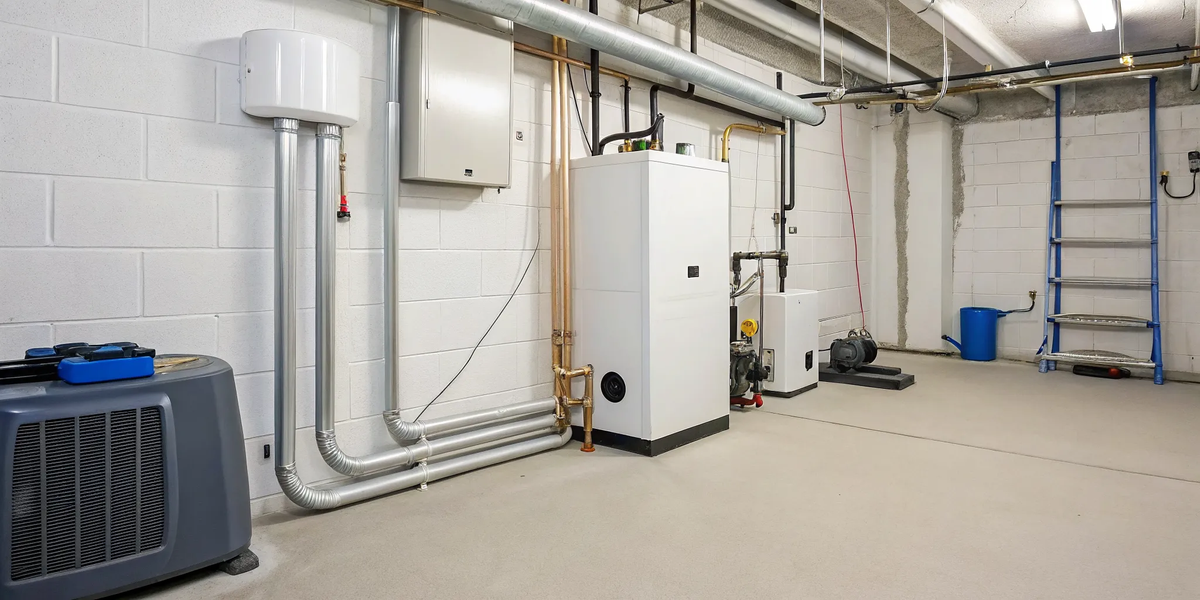
What's the Real Cost to Replace an HVAC System?
Let’s get straight to the point: you want to know the real cost to replace an HVAC system. If you’ve started your research, you’ve likely seen a dizzying range of numbers, making it hard to know what to budget for. The truth is, there’s no simple, one-size-fits-all price tag. The final cost is a custom figure based on your home’s size, the type of system you choose, and its energy efficiency. Think of it less like buying an appliance and more like a personalized upgrade for your home. This guide will break down the typical price range in the Bay Area, explain exactly where your money goes, and help you feel confident in your decision.
Key Takeaways
- Understand the full cost, not just the sticker price: Your final investment includes the equipment, skilled installation, and potential ductwork or electrical updates, so a detailed, in-person estimate is the only way to get an accurate number.
- Prioritize a professional installation: The right installer is just as important as the right system. A certified pro who performs a proper load calculation ensures your new unit runs efficiently and lasts for years.
- Be strategic to lower your overall cost: You can make a new system more affordable by looking for federal tax credits and local rebates, asking about financing, and scheduling your installation during the milder spring or fall seasons.
How Much Does a New HVAC System Really Cost?
Let’s get straight to the point: replacing your HVAC system is a major home investment. If you’re starting to research costs, you’ve probably seen a dizzying range of numbers. The truth is, there’s no one-size-fits-all price tag. The final cost depends on the size of your home, the type of system you choose, and your home’s specific needs.
Think of it less like buying an appliance off the shelf and more like a custom project for your home. The goal is to find a system that keeps you comfortable for the next 15 to 20 years without costing a fortune to run. Understanding what goes into the total price will help you feel confident in your decision. We’ll break down the typical price range, explain where your money goes, and look at how to think about this purchase as a long-term investment rather than just an upfront expense.
What's the Typical Price Range?
When you budget for a full HVAC system replacement, it’s helpful to have a general idea of the cost. Most homeowners in the Bay Area can expect to spend somewhere between $7,500 and $15,000. However, the total price can range from as low as $5,000 for a very basic system to over $30,000 for a high-end, high-efficiency model in a large home. This range covers the new equipment and professional installation. The best way to get an accurate number for your specific situation is to get a free estimate that considers your home’s unique layout and your family’s comfort needs.
Equipment vs. Labor: Where Your Money Goes
The final price you pay is split between two main categories: the physical equipment and the skilled labor required to install it. The equipment cost is for the furnace, air conditioner, or heat pump itself. The rest, which can be a significant portion of the total, covers the professional HVAC installation. This isn’t just about connecting a few wires. It involves safely removing the old unit, making sure the new one is sized and placed correctly, connecting electrical and fuel lines, and testing everything to ensure it runs safely and efficiently. Complex jobs that require new ductwork or electrical updates will naturally have higher labor costs.
Thinking Beyond the Upfront Price Tag
It’s easy to focus on the initial price, but the true cost of an HVAC system includes what you’ll pay to run it over its lifetime. A higher-efficiency system might cost more upfront, but it can lead to significant savings on your monthly energy bills. Think about the long-term value. It’s also wise to consider replacing your system before it breaks down completely. An emergency replacement during a heatwave or cold snap often means less time to research options and potentially higher costs. Planning ahead gives you the power to choose the right system for your budget and schedule the work at a convenient time.
What Influences Your Final HVAC Cost?
When you start looking for a new HVAC system, you’ll quickly realize there’s no simple price tag. The final cost is a personalized figure based on your specific home and needs. While most homeowners in the Bay Area can expect to invest between $7,500 and $15,000 for a full system replacement, that number can shift depending on several key variables. Think of it less like buying an appliance off the shelf and more like commissioning a custom solution designed to keep your home comfortable and efficient for years to come.
Understanding what goes into your quote can help you feel more confident in your decision. The price reflects not just the physical equipment but also the expertise required for a safe and effective installation. Factors like the type of system you choose, its energy efficiency rating, the unique layout of your home, and even the condition of your existing ductwork all play a significant role. That’s why a detailed, in-person estimate is so important. A true professional will assess these elements to give you an accurate price, not just a ballpark guess. You can get a free quote to see exactly what a new system would cost for your home.
The Type and Size of Your System
The biggest factor in your total cost is the equipment itself. The type of system you need, whether it’s a traditional furnace and central air conditioner combo or a modern, all-in-one heat pump, will set the baseline for your budget. Beyond the type, the size of the unit is critical. Sizing isn't about physical dimensions; it’s about heating and cooling capacity, measured in BTUs. A system that’s too small will run constantly without ever making your home comfortable, while an oversized system will cycle on and off too frequently. This short-cycling is inefficient, creates uneven temperatures, and puts extra wear and tear on the components. A professional load calculation ensures you get a unit that’s perfectly matched to your home’s needs.
How Efficiency Ratings Impact Price
When comparing models, you’ll see efficiency ratings like SEER2 (Seasonal Energy Efficiency Ratio 2) for cooling and AFUE (Annual Fuel Utilization Efficiency) for heating. Units with higher ratings cost more upfront, but they can save you a significant amount of money on your monthly energy bills. Think of it as an investment in long-term savings. In the Bay Area, where utility costs are a real consideration, choosing a higher-efficiency system often pays for itself over the unit's lifespan. The key is finding the right balance for your budget and energy-saving goals. Our team can walk you through the different HVAC services and efficiency tiers to help you make the best choice for your home.
Your Home's Unique Layout
Every home is different, and your home’s specific characteristics directly influence the installation cost. A sprawling single-story ranch has different heating and cooling needs than a multi-level townhouse. Factors like the quality of your insulation, the number and type of windows, ceiling height, and even the amount of direct sunlight your home gets all affect how much work the HVAC system has to do. An older home with drafty windows might require a more powerful unit than a brand-new, tightly sealed house of the same size. This is why a thorough home evaluation is the essential first step in the replacement process. It ensures the system is designed for your home, not just for its square footage.
The State of Your Current Ductwork
Your ductwork is the delivery system that carries heated or cooled air to every room. If your ducts are old, leaky, or improperly sized, even the most efficient new HVAC unit won't perform well. Leaks can waste 20% or more of the conditioned air, sending it into your attic or crawlspace instead of your living areas. During an inspection, a technician will assess the condition of your ducts. Sealing leaks or replacing damaged sections is a common part of an HVAC replacement and a crucial one for system performance. While comprehensive duct services can add to the project's cost, it’s a worthwhile investment that ensures you get the comfort and efficiency you’re paying for.
Where You Live and When You Buy
Finally, labor costs and timing can affect your final price. Labor makes up a significant portion of the total investment, covering the expertise, time, and tools needed for a proper installation. These costs can vary based on the complexity of the job and local market rates here in the Bay Area. You can also be strategic about when you schedule your replacement. The busiest times for HVAC contractors are the hottest days of summer and the coldest days of winter. If you can plan your replacement for the milder "off-season" months, like fall or spring, you may find more flexible scheduling. It’s a great time to contact us and get the process started without the rush.
Comparing Costs by HVAC System Type
The type of HVAC system you choose is one of the biggest factors in your total replacement cost. Each option has its own price range and unique benefits, whether you're looking for a traditional setup, an all-in-one energy saver, or a flexible solution for a tricky space. Let's break down the typical costs for the most common systems so you can get a clearer picture of what to expect.
Central Air and Furnace Costs
This is the classic setup many of us are familiar with: a central air conditioner for cooling and a separate furnace for heating. If you're replacing just the AC unit, you can expect to pay between $3,000 and $15,000. A new gas furnace typically runs from $3,800 to $12,000. For a full system replacement of both, the total cost usually lands between $5,000 and $18,500. The final price depends on your home's size, the unit's efficiency rating, and how complex the installation is.
Heat Pump System Costs
Heat pumps are a fantastic all-in-one solution, providing both heating and cooling from a single unit. They are known for being incredibly energy-efficient, which can lead to lower utility bills. The upfront cost for a heat pump system generally ranges from $6,000 to $25,000, with most homeowners paying somewhere between $8,000 and $23,000. Because they move heat rather than create it, they are an excellent choice for the Bay Area's moderate climate, keeping you comfortable all year round without separate heating and cooling systems.
Ductless Mini-Split Costs
If your home doesn't have existing ductwork, or if you want to heat and cool specific areas like a new addition or a garage, a ductless mini-split system is a great option. These systems offer targeted comfort and are very efficient. The cost for a ductless mini-split can range from $2,000 to $10,500, depending on how many indoor units you need. They give you the flexibility to create different temperature zones in your home, which is perfect for families with different comfort preferences. This is a popular air conditioning service for older homes or custom spaces.
Are There Hidden Costs to Plan For?
When you get a quote for a new HVAC system, it’s easy to focus on the big number. But the price of the unit itself is only part of the story. Several other factors can influence the final cost, and it’s smart to have a complete picture before you commit. Think of it less like buying an appliance off the shelf and more like a custom home improvement project. Your home's specific needs, from its existing infrastructure to the modern features you want to add, will shape the total investment.
Understanding these potential extra costs upfront helps you budget accurately and avoid surprises down the road. A trustworthy contractor will walk you through a detailed estimate that accounts for these variables, ensuring you know exactly what you’re paying for. These aren't necessarily "hidden" fees, but rather necessary components of a safe, efficient, and long-lasting installation. From ensuring your ductwork is up to the task to handling local permits, each step is crucial for getting the most out of your new system.
Ductwork Repairs or Upgrades
Your ducts are the veins of your HVAC system, carrying conditioned air to every room. If they are old, leaky, or improperly sized, your brand-new, high-efficiency system won’t perform as it should. It’s like trying to drive a sports car on flat tires. That’s why a thorough inspection of your ductwork is a key part of any replacement project. Addressing any issues with your ducts ensures you get the comfort and energy savings you’re paying for. While repairing or replacing sections of ductwork adds to the initial cost, it’s a critical investment in your system’s overall performance.
Permits and Electrical Work
Installing a new HVAC system isn't a simple swap. In most Bay Area cities, a permit is required to ensure the work meets local safety and building codes. This is a good thing, as it protects you and ensures the job is done right. Additionally, modern HVAC systems can have different electrical requirements than older units. Your home’s electrical panel might need an upgrade to safely handle the new equipment. A professional installer will handle the permitting process and any necessary electrical adjustments, bundling these essential services into the project to ensure everything is safe and compliant from day one.
Adding Smart Thermostats or Zoning
Upgrading your HVAC system is the perfect time to add modern controls that can improve both comfort and efficiency. Smart thermostats learn your habits and allow you to adjust your home’s temperature from anywhere using your phone. You can also consider a zoning system, which lets you set different temperatures for different areas of your house. This means you can stop wasting money heating or cooling empty rooms. While these technologies add to the upfront cost, they offer greater control and can lead to significant energy savings over the life of your system, making them a popular and worthwhile addition.
Removing Your Old System
Part of getting a new system is saying goodbye to the old one, and that process involves more than just hauling it away. The removal and disposal of an old HVAC unit must be done safely and responsibly. This includes properly managing old refrigerants, which are regulated substances, and recycling metal components. The labor for this careful decommissioning is a standard part of a professional replacement project. When you receive a comprehensive estimate, it should always include the cost of removing and disposing of your old equipment, so you can be sure the job is handled completely and correctly.
How to Save Money on Your New HVAC System
A new HVAC system is a significant investment in your home’s comfort, but the final price isn't set in stone. With a little planning and smart timing, you can find ways to lower the overall cost without sacrificing quality. It’s all about knowing where to look for savings and when to schedule your installation. Here are a few practical strategies to make your new system more affordable.
Look for Rebates and Tax Credits
One of the best ways to reduce the cost of a new system is by taking advantage of rebates and tax credits. The federal government often offers tax credits for installing high-efficiency systems, which can put a nice chunk of change back in your pocket come tax season. On top of that, local utility companies in the Bay Area frequently provide rebates to encourage homeowners to upgrade to more energy-efficient models. It’s worth checking their websites or asking your HVAC professional about current programs. These incentives can make a higher-efficiency unit much more affordable.
Find Smart Financing and Promotions
Beyond government incentives, keep an eye out for manufacturer promotions and special financing offers. HVAC brands often run deals during certain times of the year, which can include discounts on specific models. Many HVAC companies also offer financing options that allow you to pay for your new system over time with manageable monthly payments. This can make a high-quality system accessible without needing to pay the full amount upfront. When you get a quote, always ask about any current promotions or financing plans available.
Choose the Right Time of Year
Timing your HVAC replacement can make a real difference in the cost. The busiest times for HVAC technicians are the hottest weeks of summer and the coldest days of winter, when emergency repairs are in high demand. If you can, plan your HVAC installation for the off-season, which is typically spring or fall. During these milder months, demand is lower, which can lead to more flexible scheduling and sometimes even better pricing on labor. Planning ahead gives you the advantage of avoiding the rush and potentially saving money.
Repair or Replace? Making the Right Call
Deciding whether to fix your current HVAC system or invest in a new one can feel like a major financial puzzle. It’s not just about the immediate cost, but also about long-term savings, comfort, and peace of mind. An expensive repair on an old unit might only be a temporary fix, while a new system is a significant upfront investment. To make the best choice for your home and budget, it helps to look at a few key factors, from the age of your system to a simple calculation that can point you in the right direction.
Signs It's Time to Replace
The age of your HVAC system is one of the biggest clues. Most systems are designed to last about 15 to 20 years. If yours is approaching or has passed the 15-year mark, it’s likely running much less efficiently than modern units. You might notice your energy bills creeping up or that you’re calling for repairs more often. Constant breakdowns are a clear sign that your system is nearing the end of its life. Investing in a new HVAC installation can lead to better energy use and fewer surprise service calls.
Use the $5,000 Rule to Decide
If you’re on the fence, a simple guideline called the $5,000 rule can help clarify your decision. Here’s how it works: multiply the age of your HVAC system by the estimated repair cost. If the total is more than $5,000, replacement is generally the more sensible financial choice. For example, if you have a 12-year-old system and are facing a $450 repair, the total is $5,400 (12 x $450). In this case, putting that money toward a new, more reliable unit is the smarter long-term investment.
When a Repair Is the Smarter Choice
On the other hand, a repair might be the right move. If you apply the $5,000 rule and the total is less than $5,000, fixing the issue is likely your best bet. For instance, a $300 repair on an 8-year-old system comes out to just $2,400 (8 x $300), making a repair the clear winner. The quality of the original installation also matters. A well-installed system may have more life left in it than you think. A professional diagnosis during an HVAC service call can give you an accurate repair estimate and help you make a confident decision.
How to Choose the Right System and Installer
Choosing a new HVAC system is a big decision, but the equipment itself is only half of the equation. The team you trust to put it in your home plays an equally important role in your long-term comfort and your system's lifespan. Let's walk through how to make smart choices on both the system and the installer, so you can feel confident in your investment.
Premium vs. Standard Brands
When you start comparing HVAC systems, you’ll notice a wide range of brands and prices. While it can be tempting to choose the least expensive option, it’s helpful to consider the long-term value. Premium, higher-efficiency systems often come with a higher upfront cost, but they can lead to significant savings on your monthly energy bills. Think of it as an investment in lower operating costs over the life of the system. A slightly more expensive, high-efficiency unit can often pay for itself through these energy savings, keeping your home comfortable without straining your budget down the road.
Why a Pro Installation Is Worth It
You can buy the best HVAC unit on the market, but if it’s installed incorrectly, you’ll never get the performance or efficiency you paid for. The quality of the installation directly impacts how well your system works and how long it lasts. A poor setup can lead to frequent breakdowns, inefficient cooling and heating, and even a shorter lifespan for the entire system. This is why a certified professional should always perform a detailed home assessment to determine the exact size and type of system your space needs. This crucial step ensures your new unit runs perfectly from day one and helps you avoid costly problems.
What to Know About Warranties
A strong warranty provides valuable peace of mind, but it's just one piece of the puzzle. When you're budgeting for your new system, be sure to ask what the warranty covers and for how long. It's also a great idea to consider a service plan for regular maintenance, as routine check-ups are often required to keep your warranty valid. These plans help our technicians catch small issues before they become big, expensive repairs. Factoring in the warranty and a maintenance plan gives you a clearer picture of the total cost of ownership and protects your investment for years to come.
What to Expect from the Replacement Process
Replacing your HVAC system is a significant home improvement project, but it doesn’t have to be overwhelming. Knowing what to expect can help you feel confident and in control from start to finish. The right process ensures you get a system that fits your home perfectly and an installation that lasts for years. It all starts with finding a trustworthy partner who can guide you through a few key steps.
Get a Clear, Professional Estimate
Before any work begins, you need a clear and detailed estimate. It’s a good practice to get quotes from a few different companies to understand the market rate and compare what’s included. A professional estimate should break down all the costs, including the equipment, labor, and any necessary permits. Be wary of quotes given over the phone without a home visit. A thorough contractor will want to see your space to provide an accurate price. At Ortiz, we make this first step easy by offering free estimates so you can get a clear picture of your investment without any commitment.
Why Accurate Load Calculations Matter
One of the most critical steps a contractor must take is performing a load calculation. This isn't just about measuring your home's square footage. A proper assessment, often called a Manual J load calculation, considers factors like your home's layout, insulation, window types, and even the amount of sun it gets. This calculation determines the exact size and capacity of the HVAC system you need. An oversized unit will cycle on and off too frequently, while an undersized one will struggle to keep up. Insisting on a professional load calculation ensures your new system runs efficiently and keeps you comfortable.
Choose a Certified Bay Area Contractor
The quality of your installation is just as important as the quality of the equipment you choose. A poor installation can lead to reduced efficiency, frequent breakdowns, and a shorter lifespan for your system. That’s why it’s essential to choose a certified and reputable contractor with a proven track record. Look for a local company with deep roots in the community, positive customer feedback, and industry certifications. With over 25 years of experience serving the Bay Area and a Diamond Certified rating, our team has the expertise to handle your HVAC installation with the care and precision it deserves.
Related Articles
- How Often Should You Replace Your Heating System?
- Choosing Between HVAC Repair and Installation
- The Benefits of Upgrading to a New HVAC System
- Signs It's Time for a New HVAC Installation
- 4 Reasons to Upgrade Your HVAC System
Frequently Asked Questions
Why is an in-home estimate necessary to get an accurate price? An accurate quote depends on more than just the square footage of your home. During an in-home visit, a professional assesses key factors like your insulation, window quality, ceiling height, and existing ductwork. This allows for a proper load calculation, which determines the exact size of the system you need. A system that's too big or too small will run inefficiently and wear out faster, so this step ensures you get a correctly sized unit and a price that reflects the actual work required.
How long does a typical HVAC replacement take? For a straightforward replacement where you're swapping out a similar-sized unit, the installation process usually takes a full day. However, if the job involves more complex work, such as significant ductwork modifications or electrical upgrades, it could extend to two or three days. Your installer will give you a clear timeline before the project begins so you know exactly what to expect.
Is a high-efficiency system worth the extra cost in the Bay Area's mild climate? That's a great question. While our climate is moderate, a high-efficiency system offers benefits beyond just handling extreme heat or cold. It runs more quietly and provides better humidity control and air filtration year-round. More importantly, it uses significantly less energy every time it runs, which leads to lower monthly utility bills. When you combine those long-term savings with available rebates and tax credits, a high-efficiency unit often proves to be a very smart financial decision.
Do I have to replace my furnace and air conditioner at the same time? While you can replace them separately, it’s often best to replace them as a complete system. Your furnace and air conditioner share components, like the blower motor, and are designed to work together. Pairing a new, high-efficiency air conditioner with an old, inefficient furnace can compromise performance and energy savings. Installing both at once ensures all parts are matched for optimal efficiency and can also save you money on labor costs compared to doing two separate installations.
What's the most important thing to look for in an HVAC installer? Beyond a fair price, look for a contractor with a proven track record of quality work in your area. A reputable installer will be licensed, insured, and have strong customer reviews. Most importantly, they will insist on performing a detailed load calculation to size your system correctly, not just give you a guess over the phone. The quality of the installation is just as critical as the equipment itself for ensuring your system runs efficiently and reliably for years to come.