
Get a clear breakdown of HVAC capacitor replacement cost, common price factors, and tips for choosing the right technician for your repair.
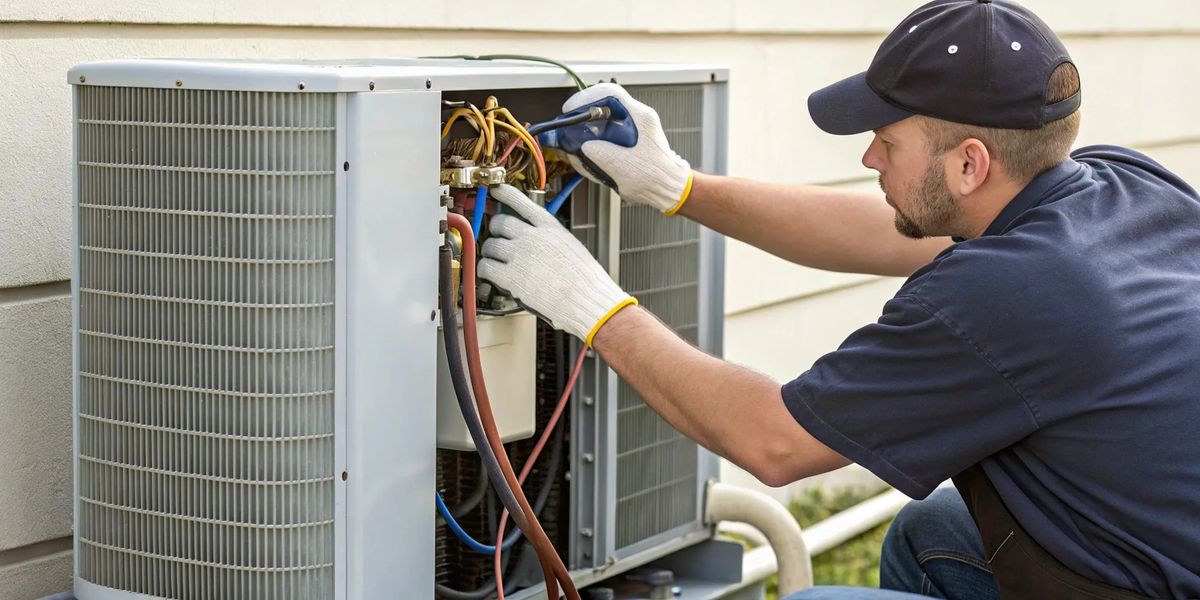
HVAC Capacitor Replacement Cost: A Price Guide
Does your air conditioner hum or buzz loudly when it tries to turn on? Maybe it struggles to start or shuts off randomly after just a few minutes. These aren't just minor quirks; they are classic warning signs that your HVAC capacitor is failing. This small but mighty component provides the jolt of energy needed to start and run your system’s motors. When it weakens, your entire AC unit is affected. Ignoring these symptoms can lead to more severe damage, but addressing them promptly often means a simple and affordable repair. We’ll explain the signs to watch for and detail the average hvac capacitor replacement cost so you know what to expect.
Key Takeaways
- Listen for the warning signs: Your AC will often give you clues before a capacitor fails completely. Watch for slow startups, strange humming sounds, or random shutdowns, as these are clear signs that it's time to call for a professional inspection.
- Capacitor replacement is not a DIY project: This repair involves high-voltage electricity that remains even when the power is off, posing a serious shock risk. Hiring a professional ensures the job is done safely and correctly, preventing costly damage to your system's motor or compressor.
- Proactive maintenance prevents surprise breakdowns: The best way to avoid a failed capacitor is through regular professional tune-ups. A technician can identify and replace a weak capacitor before it fails, saving you from an emergency call on a hot day and extending the life of your entire system.
What's an HVAC Capacitor and Why Does It Matter?
Think of an HVAC capacitor as a tiny battery that gives your system's motors a powerful jolt of energy. It’s a small, cylindrical component inside your outdoor unit, but it plays a huge role in getting your air conditioner up and running. Without it, the motors that power the compressor and fan wouldn't have the energy needed to start or continue running smoothly.
Your air conditioning system relies on two main types of capacitors: a start capacitor and a run capacitor. While they work together, each has a distinct job. When one of them fails, your AC might struggle to turn on, make strange noises, or shut off unexpectedly. Understanding what these parts do helps you recognize when a problem might be brewing, potentially saving you from a more expensive breakdown down the line. A faulty capacitor is one of the most common reasons for an AC service call, but thankfully, it's often a straightforward fix for a professional.
The Job of a Start Capacitor
The start capacitor has one specific, high-energy task: to kickstart the motor. It delivers a powerful burst of electricity for just a few seconds to get the compressor moving from a complete stop. It’s like giving a big push to get a heavy merry-go-round spinning. Once the motor reaches about 75% of its full speed, the start capacitor disengages. If this component fails, you might hear a humming or clicking sound from your AC unit as the motor tries, but fails, to start. This repeated strain can cause the motor to overheat and burn out.
The Job of a Run Capacitor
While the start capacitor handles the initial push, the run capacitor takes over for the long haul. It provides a steady, consistent stream of energy to keep the fan and compressor motors running efficiently throughout the entire cooling cycle. If the run capacitor starts to weaken or fail, your system’s performance will suffer. The motors may run slower, causing your AC to work harder to cool your home. This inefficiency often leads to higher energy bills and can cause the motor to overheat, shortening its lifespan and leading to a costly HVAC repair.
Is Your HVAC Capacitor Failing? 4 Warning Signs
Your HVAC system is a complex machine, and sometimes, a tiny part can cause a big problem. The capacitor is one of those small but mighty components. When it starts to fail, it usually sends out a few warning signals before it quits completely. Paying attention to these signs can help you catch the issue early, saving you from an emergency breakdown on a hot Bay Area day and a more expensive fix down the road. If you notice your system acting strangely, a failing capacitor is a likely suspect. Here are four common red flags to watch for.
Your AC Struggles to Start (or Won't Start at All)
Have you noticed your air conditioner hesitating before it kicks on? You might hear a click, a brief hum, and then… nothing. Or maybe it takes a few tries before the cool air finally starts flowing. This is a classic sign of a weak capacitor. Think of the capacitor as a mini battery that provides a powerful jolt of energy to get the motor running. When it’s failing, it can’t deliver that necessary kick-start. A broken capacitor prevents your system from starting properly, and ignoring it can strain the motor and lead to more severe damage. If your AC is slow to get going, it’s time to schedule a HVAC service call.
You Hear Strange Humming or Buzzing Noises
We all get used to the normal sounds our homes make, but a new, loud buzzing or humming from your outdoor AC unit is a clear signal that something is wrong. This isn't the gentle hum of a system in good working order; it's a more insistent, strained noise. This sound often means the motor is trying to start but isn't receiving enough power from the failing capacitor to turn over. The motor is essentially stuck, and the buzzing you hear is the sound of electricity trying to force it into action. Don't ignore this auditory warning. It’s your system’s way of telling you it needs professional repairs.
Your System Randomly Shuts Off
There’s nothing more frustrating than an air conditioner that can't make up its mind. If your system starts up, runs for a few minutes, and then shuts off for no apparent reason, a bad capacitor could be the culprit. A failing capacitor provides an inconsistent flow of energy, which can cause the system’s motor to overheat and trigger a safety shutoff. This constant starting and stopping, known as short cycling, is incredibly inefficient and puts a massive amount of wear and tear on your entire unit. Promptly addressing your air conditioning services needs can prevent this minor issue from turning into a complete system failure.
Your Energy Bills Are Climbing
If your latest energy bill made you do a double-take, and your usage habits haven't changed, your HVAC system might be the reason. A failing capacitor forces the motor to work much harder to start and continue running. This struggle for power means your system draws more electricity to achieve the same level of cooling, causing a noticeable spike in your energy consumption. Running an HVAC system with a faulty capacitor creates serious problems that only get worse over time. Catching this early not only restores your system's efficiency but also saves you money. Regular maintenance helps our technicians spot and replace a weak capacitor before it impacts your wallet.
How Much Does It Cost to Replace an HVAC Capacitor?
When your air conditioner or heater stops working, it’s natural to worry about a huge repair bill. The good news is that if a bad capacitor is the culprit, the fix is usually one of the more affordable HVAC repairs you’ll encounter. Unlike a major component failure, a capacitor replacement is a quick and straightforward job for a qualified technician. The total cost is a simple combination of two things: the price of the new capacitor and the labor cost for a professional to install it safely.
Understanding this breakdown can help you know what to expect when you get an estimate. While prices can vary depending on your specific system and where you live, knowing the typical cost range can give you peace of mind. Let’s look at what goes into the final price, so you can feel confident about the investment you’re making to get your home comfortable again.
Cost of the Part
The capacitor itself is surprisingly inexpensive. Most of the time, a new HVAC capacitor will cost somewhere between $10 and $75. The price difference comes down to the specific type your system needs. For example, a simple single-run capacitor will be on the lower end of that range, while a more complex dual-run capacitor, which serves two motors at once, will cost a bit more. The capacitor’s voltage and microfarad (μF) rating also play a role in its price. While it might be tempting to find the part online, remember that getting the exact match is critical for your system’s health and safety.
Labor and Service Fees
The bulk of your replacement cost will come from labor and service fees, which typically range from $75 to $300. Professional HVAC technicians generally charge between $60 and $150 per hour, and this fee covers much more than just the 15 to 30 minutes it takes to swap the part. When you schedule an HVAC service call, you’re paying for the technician’s travel time, their expertise in diagnosing the problem correctly, and the specialized tools needed for the job. This fee ensures the work is done safely, preventing the risk of electrical shock and further damage to your system.
Your Total Estimated Cost
When you add it all up, you can expect the total cost to replace an HVAC capacitor to be between $100 and $400. For most homeowners, the final bill lands somewhere around the $175 mark. This is a general estimate, and your exact price will depend on factors like the type of capacitor and your system’s accessibility. To get a precise number for your situation, it’s always best to get a quote from a trusted local professional. Investing in a proper repair ensures your system runs efficiently and reliably for years to come.
What Affects Your Replacement Cost?
When you get a quote for an HVAC capacitor replacement, you’ll notice the total is more than just the cost of the small part itself. Several key factors influence the final price, from the type of capacitor your system needs to the timing of your service call. Understanding these variables can help you see exactly what you’re paying for and why the cost can differ from one situation to the next.
Think of it like any home repair. The complexity of the job, the specific parts required, and the technician’s time all play a role. A straightforward swap during business hours will naturally cost less than a complex, after-hours emergency call. We’ll break down the four main factors that determine your total replacement cost: the type of capacitor, your system's size and location, the urgency of the repair, and local labor rates. This way, you can feel confident you’re getting a fair and accurate estimate for your HVAC repair.
Single-Run vs. Dual-Run Capacitors
Not all capacitors are created equal. Your HVAC system will have either a single-run or a dual-run capacitor, and the type affects the cost. A single-run capacitor has one job: it helps power a single motor, like the fan motor or the compressor motor. A dual-run capacitor, which is common in most modern air conditioners, is a two-in-one component. It powers both the compressor and the fan motor from a single unit.
Because a dual-run capacitor does the work of two parts, it’s a more complex component and generally costs more than a single-run capacitor. When a technician inspects your system, they’ll identify which type you have and select the correct replacement to get your AC running again.
Your System's Size and Accessibility
The size and power requirements of your HVAC unit also play a part in the replacement cost. A larger system designed to cool a home over 2,500 square feet will need a more powerful, and therefore more expensive, capacitor to handle the higher voltage. The location of your unit matters, too. If your outdoor condenser is tucked away in a hard-to-reach spot, like on a roof or in a cramped space, the technician will need more time and potentially special equipment to safely access it. This extra labor can add to the final cost of your HVAC service call.
Emergency vs. Scheduled Service
Timing is everything, especially when it comes to HVAC repairs. If your air conditioner gives out during a heatwave on a Saturday night, you’ll likely need an emergency service call. These after-hours, weekend, or holiday appointments typically come at a premium price compared to a standard appointment scheduled during regular business hours. While you can't always predict when a part will fail, this is one reason why regular preventative maintenance is so valuable. A technician can often spot a weakening capacitor during a tune-up, allowing you to schedule a replacement on your own terms and avoid the higher cost of an emergency.
Local Labor Rates
Just like the cost of living, labor rates for skilled trades vary by region. Here in the San Francisco Bay Area, the rates for a certified and experienced HVAC technician will likely be different from those in other parts of the country. While it might be tempting to find the cheapest option, remember that you’re paying for expertise. A qualified professional knows how to handle capacitors safely, install the correct part for your specific system, and guarantee their work. Investing in a reputable, local company ensures the job is done right the first time, protecting your equipment and your peace of mind.
Should You Replace an HVAC Capacitor Yourself?
When your air conditioner stops working, a quick online search might point to the capacitor and make it seem like an easy, inexpensive fix. While it’s tempting to tackle this yourself to save a few dollars, replacing an HVAC capacitor is one of those jobs best left to the professionals. This isn’t a simple DIY project like painting a room or fixing a leaky faucet; it involves high-voltage electrical components that pose significant risks to both you and your HVAC system.
The main reasons to avoid a DIY replacement come down to three critical factors: personal safety, the risk of causing expensive damage to your equipment, and the complexity of ensuring the repair is done correctly. A capacitor stores a powerful electrical charge that can cause a severe shock, even when the unit’s power is disconnected. Beyond the safety hazards, a simple mistake like installing the wrong part or connecting a wire incorrectly can destroy major components of your system, turning a small repair into a multi-thousand-dollar disaster. A professional technician has the training, tools, and experience to handle the job safely and correctly, ensuring your system gets back up and running without any costly errors.
The Serious Risk of Electric Shock
The single most important reason to avoid replacing an HVAC capacitor yourself is the risk of a life-threatening electric shock. A capacitor is designed to store a significant amount of electricity, much like a battery. Even after you’ve shut off the power to your HVAC unit at the breaker, the capacitor can still hold a powerful, dangerous charge. Without the proper training and specialized tools to safely discharge it, you could receive a severe shock by simply touching the terminals. This isn’t a minor zap; it’s a high-voltage jolt that can be fatal. Our professional technicians are trained to handle these components safely, making sure any stored energy is completely neutralized before they begin work on your system.
Damaging Your System and Voiding Your Warranty
Beyond the immediate safety risks, a DIY capacitor replacement can easily lead to catastrophic and expensive damage to your HVAC system. If you install a capacitor with the wrong voltage or microfarad (µF) rating, you can overload and destroy the compressor, which is the heart of your air conditioner. A compressor replacement is one of the most expensive HVAC repairs you can face. Furthermore, most manufacturer warranties are very clear that they do not cover damage caused by improper installation or unauthorized repairs. Attempting to fix it yourself could void your warranty, leaving you responsible for the full cost of any subsequent component failures. Hiring a professional protects your investment and keeps your warranty intact.
Common (and Costly) DIY Mistakes
What seems like a straightforward swap can quickly become complicated. One of the most common DIY mistakes is misdiagnosing the problem altogether. A failing capacitor has symptoms that overlap with other HVAC issues, and you might replace the part only to find it wasn’t the root cause. Another frequent error is purchasing and installing the wrong type of capacitor. Using a single-run capacitor where a dual-run is needed, or vice versa, will prevent your system from operating correctly and can cause further damage. These mistakes can turn a minor issue into a major system failure. When you schedule a professional HVAC service call, you get an accurate diagnosis and the right part for a lasting repair.
A Closer Look at the Risks of DIY Replacement
I get it. The urge to tackle a home repair yourself to save a few bucks is strong. While I'm all for a good DIY project, replacing an HVAC capacitor is one of those jobs that absolutely belongs in the hands of a professional. It might seem like a simple swap, but the potential for things to go wrong is incredibly high, with consequences ranging from costly equipment damage to serious personal injury. Let's break down exactly why this isn't a task for your weekend to-do list.
Electrical Shock and Fire Hazards
The biggest reason to steer clear of a DIY capacitor replacement is the serious electrical risk. Your HVAC system's capacitor is designed to store a powerful electrical charge, and it can hold onto that charge long after you've shut off the power at the breaker. Mishandling it can lead to a severe or even fatal electric shock. Beyond the personal danger, incorrect wiring can create a fire hazard or lead to code violations. It’s simply not worth the risk when a trained technician can handle the job safely, ensuring all connections are secure and up to code.
Permanent Equipment Damage
A small mistake during a DIY replacement can cause a massive, expensive headache. Installing the wrong type of capacitor or connecting it improperly can instantly destroy your AC's compressor, a component that costs thousands of dollars to replace. Even running your system with a failing capacitor for too long can put a strain on other parts, leading to a domino effect of damage. What started as a relatively minor issue can quickly turn into a full system breakdown. Professional HVAC repairs ensure the correct part is used and installed properly, protecting your system from further harm.
Why a Pro Protects Your Investment
Hiring a licensed HVAC professional is the best way to protect both yourself and your equipment. A pro can diagnose the problem accurately, confirming that the capacitor is truly the issue before starting any work. They have access to the right parts for your specific model and can typically complete the replacement in under an hour. Most importantly, using a professional service protects your system's warranty, which is often voided by DIY repairs. When you need a fast, safe, and reliable fix, it's always best to get a quote from a trusted expert.
How to Prevent Capacitor Failure with Proper Maintenance
The best way to deal with a failed capacitor is to prevent it from happening in the first place. While every component has a lifespan, proactive care can extend it significantly and help you avoid an unexpected system breakdown, especially during a Bay Area heatwave. A little bit of attention goes a long way in keeping your HVAC system healthy and your home comfortable. When your AC gives out unexpectedly, it’s more than just an inconvenience; it’s a disruption to your life and often comes with a higher price tag for an emergency repair.
Consistent maintenance not only protects your capacitor but also improves your system's overall efficiency, which can lower your energy bills and prevent more expensive repairs down the road. Think of it as an investment in your comfort and your wallet. A well-maintained system doesn't have to work as hard, which means less wear and tear on all its crucial parts, from the fan motor to the compressor. This holistic approach ensures every component works in harmony, giving you reliable performance year after year. Here are a few straightforward steps you can take to keep your capacitor and entire HVAC system in top shape.
Schedule Regular Professional Tune-Ups
One of the most effective ways to prevent capacitor failure is to schedule routine professional maintenance. During a tune-up, a trained technician does more than just a quick inspection. They test the electrical components, including the capacitor, to check for signs of weakness or wear. Catching a failing capacitor early allows you to replace it on your own schedule, rather than dealing with a frantic emergency call when your AC dies on the hottest day of the year. An annual HVAC maintenance plan is your first line of defense against unexpected breakdowns and costly repairs.
Keep Coils Clean and Change Your Filters
You might be surprised how much simple cleaning tasks affect your HVAC system's electrical parts. When your air filter is clogged or your evaporator and condenser coils are caked in dirt, airflow is restricted. This forces your system to work much harder to cool your home, putting immense strain on the entire unit, especially the capacitor. By regularly changing your air filters (every 1-3 months) and keeping the area around your outdoor unit clear of debris, you reduce that stress. This simple habit helps all components, including the capacitor, run more efficiently and last longer, ensuring your air conditioning services are effective when you need them most.
Monitor Your System for Early Warning Signs
Pay attention to how your HVAC system sounds and feels. Is it taking longer than usual to cool your home? Do you hear a new humming or buzzing sound when it kicks on? Have your energy bills crept up without explanation? These are all early indicators that something isn't right. A struggling capacitor often causes these exact symptoms before it fails completely. If you notice any changes in your system's performance, don't ignore them. Scheduling a service call to diagnose the issue early can often mean a simple, inexpensive fix instead of a major system failure.
How to Choose the Right HVAC Pro for the Job
When your AC capacitor gives out, finding the right person for the job is just as important as the repair itself. You want someone who is skilled, honest, and won't leave you with a surprise bill. Choosing a qualified professional ensures the repair is done safely and correctly, protecting your HVAC system for the long run. Here’s how to find a technician you can trust.
What to Look For in a Technician
First things first: this is not a DIY project. Replacing an HVAC capacitor involves handling high-voltage components, which can be extremely dangerous. Always hire a licensed and insured HVAC professional. Look for a company with a solid track record in the Bay Area and verifiable credentials, like being Diamond Certified. A reputable technician will have the right tools and training to diagnose the problem accurately, perform the replacement safely, and ensure your system is running efficiently afterward. Choosing an experienced pro gives you peace of mind that the job is done right the first time.
Getting an Accurate and Fair Estimate
To make sure you’re getting a fair price, it’s a good idea to get quotes from a few different local HVAC companies. When you reach out, ask for a detailed estimate that breaks down the costs for the capacitor part and the labor. A trustworthy company will be transparent about their pricing. While it can be tempting to go with the lowest bid, remember that quality and reliability are key. A slightly higher price from a well-reviewed, experienced company often means a better warranty and more dependable service. We offer free estimates so you can understand the costs upfront without any commitment.
Questions to Ask Before You Hire
Before you give the green light, arm yourself with a few key questions. This helps you gauge a technician's expertise and professionalism. Ask if the initial diagnostic fee is rolled into the final repair cost. Inquire about the brand of capacitor they plan to use and if there’s a warranty on both the part and their labor. It’s also smart to ask if they will test the entire system after the replacement to confirm everything is working correctly. A professional will be happy to answer these questions, ensuring you feel confident in your decision to schedule a service call.
Repair or Replace? When to Consider a New System
When a part like a capacitor fails, it’s easy to feel stuck. Do you pay for the repair, or is this a sign that it’s time to invest in a whole new HVAC system? It’s a big decision, but a few key factors can help you figure out the most sensible path forward for your home and your budget. Thinking through the age of your system, its repair history, and the costs involved will give you a clearer picture of whether a simple fix or a full replacement is the right call.
The Age of Your HVAC System
The age of your unit is one of the most important things to consider. Most air conditioning systems have a lifespan of about 10 to 12 years. If your system is approaching or has passed that milestone, a failing capacitor might be the first of many issues to come. While a repair will get it running again, it’s often a temporary solution for a system that’s nearing the end of its effective life. An older unit is not just more prone to breakdowns; it’s also significantly less energy-efficient than modern models. A new HVAC installation could lead to substantial savings on your monthly energy bills.
The Frequency of Recent Repairs
Think about how often you’ve had to call for service lately. If your system is under 10 years old and this is the first major issue you’ve had in a while, a repair is probably your best bet. A single capacitor failure doesn’t necessarily mean the whole system is doomed. However, if you find yourself on a first-name basis with your HVAC technician because of constant issues, it’s time to reevaluate. Those service call fees add up quickly. If you’re consistently spending money on HVAC repairs, you may be better off putting that cash toward a new, reliable system that won’t cause you constant headaches.
Weighing the Cost of Repair vs. Replacement
Let’s talk numbers. A capacitor replacement is a relatively minor expense, often just a few hundred dollars. Compared to the thousands you’d spend on a new system, it’s a clear win for the repair option in isolation. The decision gets more complicated when other factors are at play. A good rule of thumb is the 50% rule: if the cost of a repair is more than half the cost of a new system, replacement is usually the smarter financial choice. To make the best decision, it helps to have solid figures. We can help you understand the costs and benefits by providing a free estimate for both a repair and a potential replacement.
Related Articles
- How Often Should You Replace Your Heating System?
- Choosing Between HVAC Repair and Installation
- The Benefits of Upgrading to a New HVAC System
- Signs It's Time for a New HVAC Installation
- Poor-Quality HVAC Installs Are Costing Us. A Solution Is Within Reach.
Frequently Asked Questions
How long should an HVAC capacitor last? On average, an HVAC capacitor has a lifespan of about 5 to 10 years. However, factors like intense summer heat, power surges, or a lack of regular system maintenance can shorten its life considerably. This is why having a professional check its performance during an annual tune-up is so helpful; we can often spot a weakening capacitor and replace it before it fails unexpectedly.
Can my AC still run with a bad capacitor? It might try, but it won't run correctly or for very long. A completely failed start capacitor will prevent the motor from turning on at all, though you might hear it humming or clicking as it attempts to start. A failing run capacitor can cause the system to run inefficiently, overheat, and shut itself off. Continuing to operate your AC in this condition puts severe strain on the motor and can lead to a much more expensive breakdown.
Why can't I just buy the part online and have a handyman install it? While it might seem like a way to save money, this approach carries significant risks. First, you must have the exact capacitor with the correct voltage and microfarad rating; even a small mismatch can destroy your system's compressor. Second, a general handyman may not have the specific training to safely discharge the old capacitor or the diagnostic tools to confirm it's the only problem. An HVAC professional ensures the right part is installed safely, protecting your warranty and your equipment.
Will replacing a bad capacitor lower my energy bills? Yes, it almost certainly will. A weak or failing capacitor forces your system's motors to work much harder, which causes them to draw significantly more electricity. This struggle for power is what leads to those surprising spikes in your utility bills. Once a new capacitor is installed, the motors can start and run efficiently again, restoring your system's normal energy consumption.
How can I tell if it's the capacitor or a more serious problem? Many HVAC issues have overlapping symptoms. While a humming sound or a system that struggles to start strongly suggests a capacitor problem, it could also point to a failing motor or another electrical issue. The only way to be certain is to have a qualified technician perform a diagnostic test. They use specialized tools to measure the capacitor's electrical output, which allows them to definitively identify the source of the problem and recommend the correct repair.