Find out how an HVAC air purifier works, the different types available, and what to consider before choosing the best system for your home’s air quality.
HVAC Air Purifier 101: The Complete Guide
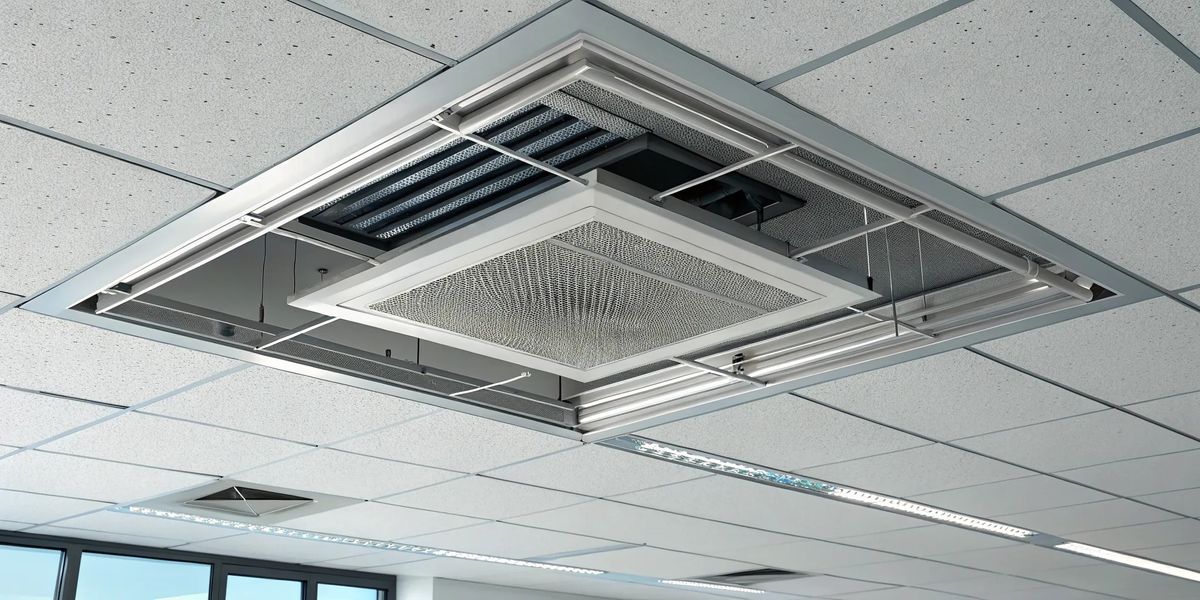
When you think about home upgrades, you might picture a new kitchen or updated bathroom. But what about an upgrade you can feel with every breath? Your home’s heating and cooling system is like its respiratory system, and the standard 1-inch filter is only a basic line of defense. For truly clean air, you need something more powerful. An HVAC air purifier is a permanent upgrade installed directly into your ductwork, providing comprehensive air cleaning for your entire house. It’s a set-it-and-forget-it solution that tackles everything from dust and pet dander to airborne germs, making your home healthier and more comfortable.
Key Takeaways
- Clean every room at once with a whole-home system: An HVAC air purifier connects to your existing ductwork, filtering the air in your entire home, not just a single room like portable units.
- Match the technology to your air quality goals: Different purifiers target different issues, so identify your main concern. HEPA filters capture allergens, UV light neutralizes germs, and activated carbon absorbs odors.
- Protect your investment with routine care: Ensure your new purifier is compatible with your HVAC system by having it professionally installed, and keep it running efficiently with regular filter changes and annual service checks.
What Is an HVAC Air Purifier?
You’ve probably thought about the air quality in your home, especially with concerns about allergens, dust, and pollutants in the Bay Area. While standard 1-inch furnace filters catch some of the bigger particles, they don’t do much for the microscopic contaminants that can affect your health and comfort. This is where an HVAC air purifier comes in.
Think of it as a powerful upgrade to your home’s respiratory system. An HVAC air purifier, also known as a whole-home air purifier, is a system installed directly into your existing heating and cooling ductwork. Instead of just cleaning the air in a single room like a portable unit, it works around the clock to filter and purify the air circulating throughout your entire house. Every time your furnace or air conditioner runs, it’s actively pulling contaminants out of the air you breathe. This integrated approach is the most effective way to achieve consistently clean indoor air quality in every room, from the living room to the bedrooms. It’s a set-it-and-forget-it solution for a healthier home environment.
How an HVAC Air Purifier Works
So, how does this system actually clean your air? It’s pretty straightforward. An HVAC air purifier is installed within your home’s ductwork, usually near the main air handler. As your heating or cooling system pulls air in from your home to be conditioned, the air must first pass through the purifier.
Depending on the type of system, it uses advanced methods like high-efficiency HEPA filters, UV light, or other technologies to capture and neutralize tiny airborne particles. This includes dust, pollen, pet dander, mold spores, bacteria, and even viruses. Once the air is cleaned, it continues on to be heated or cooled and is then distributed back into your home. This continuous cycle ensures the air you breathe is constantly being scrubbed clean.
Whole-Home vs. Portable Air Purifiers
Many people start with a small, portable air purifier for a single room, which is a decent first step. However, the biggest difference between a portable unit and a whole-home system is coverage. A portable purifier can only clean the air in the room it’s placed in, leaving the rest of your home’s air untreated. You’d need a separate unit for every single room to get similar results, which is both costly and inefficient.
A whole-home HVAC air purifier, on the other hand, is integrated directly into your central air system. This means it cleans the air everywhere, in every room, all at once. For families concerned about overall home health, allergies, or asthma, a whole-home system is the most comprehensive and effective solution for ensuring clean air throughout your entire living space.
What Are the Different Types of HVAC Air Purifiers?
When you start looking into HVAC air purifiers, you’ll quickly find there isn’t a one-size-fits-all solution. Different technologies are designed to target specific types of airborne contaminants. Some are superstars at trapping physical particles like dust and pollen, while others are built to neutralize microscopic germs or eliminate unwanted odors. Understanding the main types of purifiers is the first step toward choosing the right system for your home and improving your indoor air quality.
The most common options you’ll encounter are HEPA filters, UV light purifiers, PCO systems, and electronic or activated carbon filters. Each uses a unique method to clean the air that circulates through your home’s ductwork. For example, a family with pets and allergy sufferers might prioritize a system that excels at capturing dander, while a household concerned with airborne viruses or mold might lean toward a different technology. Let’s break down how each of these systems works so you can get a clearer picture of what they offer.
HEPA Filters
You’ve probably heard of HEPA filters, and for good reason. HEPA, which stands for High-Efficiency Particulate Air, is a standard for filters that are incredibly effective at trapping tiny particles. In fact, true HEPA filters are designed to capture 99.97% of particles as small as 0.3 microns. This makes them a fantastic choice for removing common household irritants like dust, pollen, pet dander, and other allergens from the air. If someone in your home struggles with allergies or asthma, a whole-home HEPA filtration system can make a significant difference by capturing these triggers before they circulate through your living spaces.
UV Light Purifiers
UV light purifiers take a different approach. Instead of trapping particles, they use ultraviolet (UVC) light to neutralize living microorganisms like bacteria, viruses, and mold spores. These systems are typically installed inside your ductwork, often near the AC coil where moisture can create a breeding ground for mold and bacteria. As air passes through the system, the UV light zaps these harmful microbes, rendering them harmless. This technology is a powerful tool for improving the health of your home’s air, especially if you’re concerned about germs and preventing mold growth within your air conditioning system.
Photocatalytic Oxidation (PCO) Systems
Photocatalytic Oxidation (PCO) systems are one of the more advanced air purification technologies available. Instead of just trapping pollutants, PCO systems actively destroy them. They work by using a UV light source and a catalyst (usually titanium dioxide) to create a reaction that breaks down volatile organic compounds (VOCs), odors, and chemical vapors into harmless water and carbon dioxide molecules. This makes PCO systems particularly effective at eliminating smells from cooking, pets, or smoke, as well as harmful fumes from cleaning products or new furniture.
Electronic and Activated Carbon Filters
This category includes a couple of different technologies that target specific pollutants. Electronic filters, or electrostatic precipitators, use an electrical charge to make particles stick to a collector plate, effectively pulling them out of the air. They are reusable and just need regular cleaning.
On the other hand, activated carbon filters are masters of odor and gas removal. The carbon is treated to be extremely porous, creating a large surface area that absorbs VOCs, smoke, and unpleasant odors. According to industry experts, activated carbon filters are highly effective at removing these gaseous pollutants that other filters might miss. Regular filter changes are a key part of your system’s maintenance to keep it working efficiently.
How to Choose the Right HVAC Air Purifier
Picking the right HVAC air purifier really comes down to your home’s unique needs and what you’re trying to filter out of your air. Are you dealing with allergies, concerned about germs, or just want to get rid of lingering odors? Answering these questions will point you toward the perfect system. Improving your indoor air quality is one of the best things you can do for your family's health and comfort. To help you get started, we’ve put together a list of our top recommended systems and some key things you need to know before making a choice.
Our Top Recommended Systems
When it comes to performance and reliability, a few systems consistently stand out. Here are the whole-home air purifiers we often recommend to our clients in the Bay Area.
Lennox PureAir
If you’re looking for an all-in-one solution, the Lennox PureAir system is a fantastic choice. It’s one of the few purifiers on the market designed to combat all three classes of contaminants: tiny particles like dust and pollen, bioaerosols like mold and germs, and chemical vapors or odors known as VOCs. This means it’s not just trapping pollutants but actively working to destroy them, leaving you with truly fresh, clean air throughout your entire home. It’s a comprehensive system that offers peace of mind, especially for households with allergy sufferers or anyone sensitive to airborne irritants.
Carrier Infinity
The Carrier Infinity Air Purifier is another powerhouse, especially for health-conscious families. This system is incredibly effective at capturing up to 95% of particles, but its standout feature is its ability to kill or inactivate 99% of trapped viruses and bacteria. It uses a patented technology to charge particles and then collect them in a specially designed filter, essentially zapping germs as they pass through. If your main concern is reducing the spread of airborne pathogens like the flu or common cold, the Carrier Infinity is a top-tier option that can make your home a healthier space.
AprilAire Whole-Home
For homeowners looking for flexibility, AprilAire Whole-House Purifiers are an excellent option. They offer a range of models that can be easily integrated with almost any existing HVAC system, making installation straightforward. These purifiers work to filter out a broad spectrum of pollutants, from dust and pet dander to mold spores, helping to improve your home’s overall air quality. Because there are different models available, like the popular 2210 and 2410, we can help you find the perfect fit for your system’s size and your family’s specific air quality goals without a major overhaul.
Understanding MERV Ratings and Efficiency
When you start comparing filters, you’ll see the term “MERV rating” a lot. It’s important to understand MERV ratings because they tell you how effective a filter is at trapping particles. The scale runs from 1 to 16, and a higher number means finer filtration. However, higher isn’t always better for every system. A filter with a very high MERV rating can restrict airflow, making your HVAC system work harder and potentially reducing its efficiency. It’s all about finding the right balance for your specific unit. We can help you determine the highest MERV rating your system can handle effectively. Also, it's wise to check if a purifier produces any ozone, as this can be an irritant for some people.
What to Consider Before Installation
Choosing the right HVAC air purifier is a big decision, and the model you pick is just one piece of the puzzle. Before you move forward, it’s important to think about how a new system will fit into your home, your budget, and your daily life. Considering factors like long-term costs, compatibility with your current setup, and maintenance needs will help you make a confident choice. A little planning now ensures you get the clean, healthy air you want without any surprises down the road.
Let's walk through the key things to keep in mind before scheduling an installation.
Energy Use and Operating Costs
The initial price of an air purifier is just the starting point. You also need to consider the ongoing operating costs, which primarily include electricity and filter replacements. A more efficient unit might have a higher upfront cost but could save you money over time. In fact, keeping your HVAC system clean with an air purifier can prevent dust buildup, which may lower your overall energy consumption by 5% to 15%. When comparing models, look for their energy efficiency ratings to get a clear picture of what you’ll be paying each month. We can help you find an indoor air quality solution that balances performance with affordability.
System Compatibility and Installation
A whole-home air purifier isn’t a standalone appliance; it integrates directly with your existing heating and cooling system. This means compatibility is crucial. Before you buy, a professional needs to assess your current HVAC setup to ensure the purifier you want will work correctly and efficiently. The cost of installation typically ranges from $1,000 to $3,000, depending on your home’s size, the complexity of your HVAC system, and the specific model you choose. Getting an expert opinion from the start guarantees a smooth installation and optimal performance for years to come.
Maintenance and Filter Replacements
To keep your air purifier working effectively, regular maintenance is essential. If you neglect it, pollutants can build up in the filters, dust can accumulate on the unit, and airflow can become restricted, which reduces the system's efficiency. The most important task is replacing the filters. The type of filter, how often it needs to be changed, and its cost can vary significantly between models. Be sure to factor these recurring expenses into your budget. Consistent maintenance not only ensures clean air but also helps prevent the need for unexpected repairs.
Ozone and Other Safety Factors
Your health is the whole reason you’re getting an air purifier, so safety is a top priority. Some older electronic air purifiers can produce ozone as a byproduct, which is a known lung irritant. Thankfully, many modern systems are designed to be completely ozone-free. Some advanced models, like the Lennox PureAir system, are even designed to reduce ozone levels in your home. Always check the product specifications to confirm whether a unit produces ozone. Choosing an ozone-free model is a simple way to protect the respiratory health of your family or employees.
Home vs. Commercial Systems
The needs of a home and a business are very different, and the same goes for their air purification systems. Commercial air purifiers are built to be larger and more powerful to handle bigger spaces, higher ceilings, and more foot traffic. The installation process for commercial systems is also more complex, often requiring detailed planning to work around existing infrastructure and business operations. Residential systems, on the other hand, are designed for the scale and layout of a typical home. We can help you determine the right type and size of system, whether it’s for your house or your workplace.
How to Maintain Your HVAC Air Purifier
Once your HVAC air purifier is installed, a little routine care will go a long way in keeping it effective. Think of it like any other important appliance in your home; it needs regular attention to perform at its best. Without proper maintenance, filters get clogged with pollutants, dust builds up, and airflow becomes restricted. This not only reduces the purifier's ability to clean your air but can also strain your entire HVAC system, leading to higher energy bills and potential breakdowns.
Fortunately, maintaining your air purifier is straightforward. Most of the work involves simple checks and filter changes you can do yourself. For everything else, a professional can handle it during your regular HVAC tune-up. By staying on top of a few key tasks, you’ll ensure your system continues to provide fresh, clean air for years to come, protecting both your family’s health and your investment. Let’s walk through the essential steps to keep your air purifier in top shape.
Replace and Clean Filters Regularly
The single most important thing you can do for your air purifier is to keep its filters clean. The filter is what traps dust, pollen, and other contaminants, so if it’s clogged, it can’t do its job. A dirty filter forces your HVAC system to work harder to push air through, which wastes energy and can lead to unnecessary wear and tear.
Check your filter’s condition at least once a month. Depending on the type of purifier and factors like pets or smokers in the home, you may need to replace it every three to six months. Some systems have washable filters that you can clean and reuse. Always follow the manufacturer's instructions for your specific model to maintain peak indoor air quality.
Schedule Professional Maintenance
While you can handle filter changes, it’s a good idea to have a professional inspect your entire system annually. An HVAC technician can perform a deeper cleaning and check components that aren’t easily accessible, like UV lamps or electronic collectors. They’ll ensure all electrical connections are secure and that the purifier is functioning correctly within your broader HVAC system.
Scheduling regular professional maintenance helps you catch small issues before they turn into costly repairs. It’s the best way to protect your investment and ensure your system operates safely and efficiently, giving you peace of mind and consistently clean air.
How to Spot and Troubleshoot Issues
You know your home best, so you’re often the first line of defense in spotting a problem. Pay attention to any changes in your HVAC system’s performance. Is the airflow from your vents weaker than usual? Do you notice any strange odors, like a musty or burning smell? Are there unusual sounds, such as rattling or buzzing, coming from your HVAC unit?
If you notice any of these signs, the first step is to check the air filter. A clogged filter is often the culprit. If you replace or clean the filter and the problem continues, it’s time to schedule an HVAC service call. Don’t wait for the issue to get worse, as a small problem can quickly escalate.
Tips for Long-Term Performance and Savings
Consistent maintenance does more than just keep your air clean; it also extends the life of your air purifier and your entire HVAC system. A clean system doesn’t have to work as hard, which means it uses less energy and keeps your utility bills lower. Following a simple care guideline of regular filter changes and annual professional tune-ups is the key.
Also, make sure the area around your indoor HVAC unit is clean and clear of dust, debris, and stored items. This ensures proper airflow and prevents the system from pulling in extra dirt. A few simple habits can make a big difference in your system’s efficiency and longevity, saving you money and hassle down the road.
Related Articles
- The Benefits of Upgrading to a New HVAC System
- HVAC filters demand predicted to keep rising
- The Role of Indoor Air Quality in Maintaining a Healthy and Comfortable Environment
- HVAC Heating - Indoor Air Quality Services
- Why Do Your Ducts Need To Be Cleaned?
Frequently Asked Questions
How is a whole-home air purifier different from the standard filter my furnace already uses? Think of your standard 1-inch furnace filter as a basic gatekeeper that catches large debris like dust bunnies and hair. A whole-home air purifier is more like a specialized security system. It's installed directly into your ductwork and uses advanced technology, like HEPA filtration or UV light, to capture and neutralize microscopic particles that your standard filter simply can't, including pollen, bacteria, and mold spores.
Will an HVAC air purifier really help with my family's allergies or asthma? Yes, it can make a significant difference. Many common allergy and asthma triggers are airborne particles circulating through your home. A whole-home system is designed to trap these irritants, like pet dander, dust mites, and pollen, before they ever reach the rooms you live in. By constantly cleaning the air throughout your entire house, it helps reduce exposure to these triggers, which can lead to fewer symptoms and easier breathing.
How much maintenance is actually required from me? The main task for you is changing or cleaning the filter. How often you need to do this depends on the model and your home environment, but it's typically every few months to a year. Beyond that, it’s best to have a professional check on the unit during your annual HVAC tune-up. They can handle the more technical aspects, like inspecting UV bulbs or cleaning internal components, to ensure everything is working correctly.
Will installing an air purifier make my heating or cooling system louder? Generally, no. These systems are designed to work quietly within your existing ductwork. Since they become part of your central HVAC system, you shouldn't notice any additional noise during operation. If you ever do hear unusual sounds after installation, it’s a sign that something might be wrong, and you should schedule a service call.
Can I get any type of air purifier, or does it have to match my HVAC system? Compatibility is key. Not every purifier works with every HVAC system. The right model for you depends on the size and type of your current heating and cooling equipment. A system that is too restrictive for your unit can strain the fan motor and reduce airflow. This is why a professional assessment is so important; we can determine which purifiers will integrate seamlessly with your setup for the best performance.