
Learn how to fix air conditioner in house with easy DIY steps. Spot common AC problems, try simple solutions, and know when to call a professional.
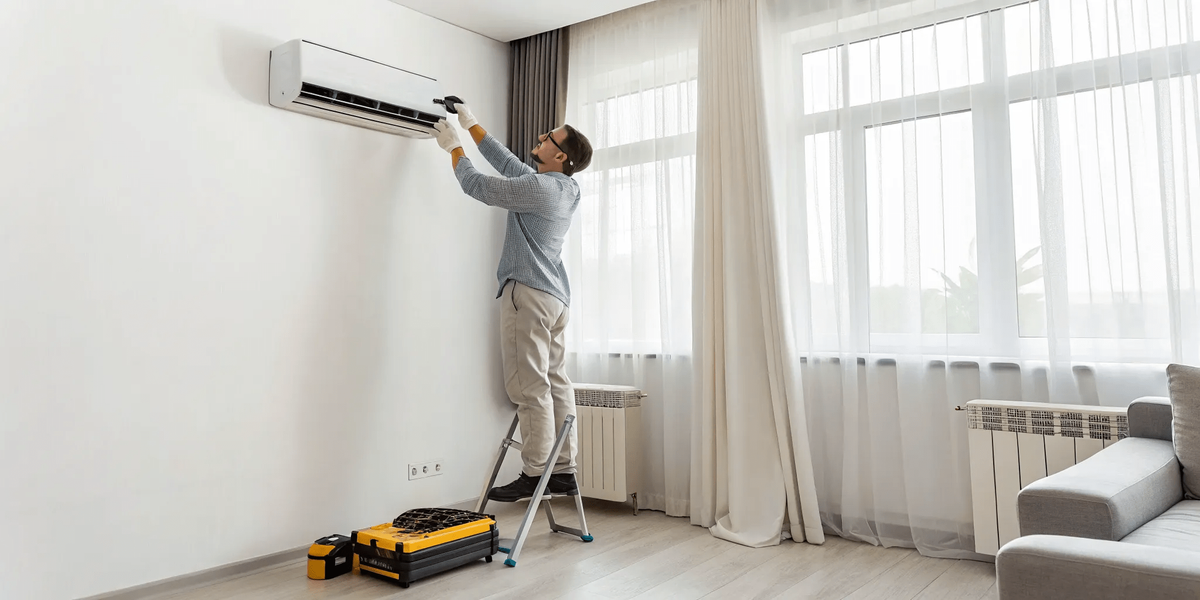
How to Fix an Air Conditioner in House: A DIY Guide
There’s a certain satisfaction that comes from solving a household problem on your own. While your HVAC system might seem intimidating, you don’t have to be a certified technician to handle some of its most common hiccups. From a clogged filter restricting airflow to a simple thermostat setting error, many performance issues have a straightforward fix. This guide is for the homeowner who wants to feel more capable and in control. We’ll walk you through the safe, simple steps you can take to fix air conditioner in house problems, and we’ll also make it clear when it’s time to put down the tools and call a professional.
Key Takeaways
- Stay ahead of problems with simple habits: You can prevent many issues by changing your air filter regularly and keeping the outdoor unit clear of debris. An annual professional tune-up is the best way to catch hidden problems and keep your system running efficiently.
- Troubleshoot the basics before you call: Always check your thermostat settings, air filter, and circuit breaker first, as these simple fixes can often solve the problem. However, for your safety, leave refrigerant leaks, electrical faults, and loud mechanical noises to a certified professional.
- Know when it's time for an upgrade: If your AC is over 10 years old, needs frequent repairs, or your energy bills are steadily rising, replacement is often the smarter financial choice. A new unit offers better efficiency, lower running costs, and the reliability of a new warranty.
Is Your Air Conditioner Asking for Help?
Your air conditioner can’t talk, but it has its own ways of telling you something is wrong. Learning to recognize these signals is the first step in preventing a small issue from turning into a major, costly repair. If your home isn’t as comfortable as it should be, or if your AC unit is acting up, it’s likely sending out an SOS. Paying attention to these warning signs can help you decide if it’s a simple fix you can handle or if it’s time to call in a professional. From strange noises to lukewarm air, these symptoms are your system's cry for help. Ignoring them can lead to decreased efficiency, higher energy bills, and eventually, a complete system failure, often on the hottest day of the year. Understanding what to look and listen for empowers you to take action quickly. This guide will walk you through the most common signs that your air conditioner needs attention, helping you keep your home cool and your system running smoothly. Before you find yourself sweating through a Bay Area heatwave, let's cover the key indicators that your AC is struggling and what they mean for you and your home.
Warm Air Coming From Vents
There’s nothing more frustrating than feeling warm air blowing from your vents when you’re expecting a cool breeze. Before you panic, check your thermostat. Make sure it’s set to “Cool” and that the fan is on “Auto,” not “On,” which can circulate air even when the cooling cycle is off. If the settings are correct, the problem could be a dirty filter restricting airflow or debris blocking your outdoor unit. However, it can also signal a more serious issue, like a refrigerant leak. If these simple checks don’t solve the problem, your system’s cooling power is compromised and needs a professional look.
Strange Noises or Sounds
Your air conditioner should operate with a consistent, low hum. If you suddenly hear loud, unusual sounds, it’s a clear sign of trouble. Grinding or squealing noises often point to a problem with the motor’s bearings, while a buzzing sound can indicate an electrical issue or failing components. Hissing could mean you have a refrigerant leak. Don’t ignore these sounds. Turn off your AC unit immediately to prevent further damage and schedule a professional repair. A trained technician can safely diagnose the source of the noise and fix the failing part before it causes a complete system breakdown.
Your Circuit Breaker Keeps Tripping
A circuit breaker that trips occasionally might not be a cause for alarm. But if your AC’s breaker trips repeatedly, you have a problem that needs immediate attention. The breaker is a safety device designed to shut off power when the circuit is overloaded. A constantly tripping breaker means your air conditioner is drawing too much power, which could be due to a failing motor, a dirty condenser, or a serious electrical fault. This isn't just an inconvenience; it's a fire hazard. Stop resetting the breaker and call for a service technician to find and fix the underlying electrical issue safely.
Ice on the AC Unit
Finding ice on your air conditioner might seem like it’s working too well, but it’s actually a sign of a problem. Ice buildup, whether on the indoor or outdoor unit, typically points to restricted airflow or low refrigerant levels. A dirty air filter or blocked evaporator coil can prevent air from moving freely over the coils, causing them to freeze. While you can let the unit thaw by turning it off for a few hours, the ice will likely return if the root cause isn’t addressed. A professional can determine if it’s a simple airflow issue or a refrigerant leak that needs to be repaired.
Strong or Burning Smells
Unpleasant odors coming from your vents are a major red flag. A musty or moldy smell suggests that moisture is accumulating somewhere in your system, allowing mold or bacteria to grow. This can negatively affect your home’s indoor air quality and trigger allergies. Even more dangerous is a burning smell, which almost always indicates an electrical problem like an overheated motor or wiring issue. If you smell anything burning, turn off your AC system at the breaker immediately and call for emergency service. Do not try to fix this yourself, as it poses a significant fire risk.
Simple AC Troubleshooting You Can Do Right Now
When your AC stops working on a hot day, it’s easy to feel a little panicked. But before you pick up the phone, take a deep breath. Many common air conditioner issues have surprisingly simple solutions that you can handle yourself in just a few minutes. Running through a quick diagnostic checklist can often get your cool air flowing again without the need for a service call. It’s empowering to know you can solve some problems on your own, and it can save you time and money.
These steps are designed to be safe and straightforward for any homeowner. We’ll cover the most frequent culprits, from a forgotten setting to a simple clog. Think of it as first aid for your HVAC system. By checking these five key areas, you can rule out the easy fixes and get a much clearer idea of what’s going on with your unit. Even if you do end up needing professional help, you'll have valuable information to share with your technician. This can help them diagnose the issue faster when they arrive. If these steps don't solve the problem, you'll know it's time to schedule a professional air conditioning service. Let's walk through these simple checks together.
Check and Replace the Air Filter
A dirty air filter is one of the most common reasons an AC system underperforms. When the filter gets clogged with dust, pet dander, and other particles, it severely restricts airflow. This forces your air conditioner to work much harder to cool your home, leading to reduced efficiency, higher energy bills, and even system strain that can cause a shutdown. Pull out your filter and hold it up to a light. If you can’t see light through it, it’s time for a new one. We recommend checking your filter monthly and replacing it at least every 90 days as part of your regular home maintenance.
Double-Check Your Thermostat Settings
This might sound obvious, but you’d be surprised how often the thermostat is the source of the problem. First, check if the screen is blank. If it is, the batteries likely need to be replaced. Next, confirm that the system is set to “cool,” not “heat” or “fan.” Finally, make sure the temperature is set several degrees below the current room temperature. If the set temperature is higher than the room’s actual temperature, the AC simply won’t turn on because it doesn’t think it needs to. A quick adjustment here can often be the magic fix you’re looking for.
Reset the Circuit Breaker
Your air conditioner is a powerful appliance that uses a dedicated circuit. Sometimes, a power surge or an overload can cause its circuit breaker to trip, cutting off electricity to the unit. Head to your home’s main electrical panel and look for the breaker labeled “AC,” “Air Conditioner,” or “HVAC.” If the switch is in the middle or “OFF” position, flip it firmly to “OFF” and then back to “ON.” If the breaker trips again immediately, do not reset it again. A repeatedly tripping breaker often signals a more serious electrical problem that requires professional HVAC repairs to ensure your safety.
Clear Debris From the Outdoor Unit
Your AC system has an outdoor component, called the condenser unit, that works to release heat from your home. For it to do its job effectively, it needs plenty of clear space for airflow. Take a walk outside and inspect the unit. Remove any leaves, grass clippings, weeds, or other debris that have collected around it, making sure to create at least two feet of clearance on all sides. You can also gently rinse the exterior fins with a garden hose on a low-pressure setting to wash away dirt. Just be careful not to bend the delicate metal fins.
Inspect and Unblock Vents
Your AC can be working perfectly, but if the cool air can’t get into your rooms, you won’t feel it. Take a moment to walk through your home and check all the supply and return air vents. It’s common for vents to be accidentally blocked by furniture, rugs, curtains, or even stray toys. Blocked vents disrupt the system’s airflow, reducing its efficiency and creating uncomfortable hot spots in your house. Make sure every vent is open and has a clear path for air to circulate freely. This simple step ensures your entire system can work the way it was designed to.
Which AC Problems Can You Fix Yourself?
When your air conditioner acts up, your first thought might be about a costly repair bill. But don't panic. Many common AC issues have surprisingly simple solutions you can handle yourself. Before you pick up the phone, taking a few minutes to check for these problems could save you time and money. Let's walk through a few issues you can safely troubleshoot to see if a quick fix is all you need to get your cool air flowing again.
Fixing Filter and Thermostat Issues
Two of the most frequent culprits behind AC problems are your air filter and thermostat. A dirty filter blocks airflow, forcing your system to work harder and potentially causing it to freeze. Check your filter monthly and replace it if it’s clogged. At the same time, look at your thermostat. It’s easy for settings to be accidentally changed. Ensure it’s set to “cool” and the target temperature is below the current room temperature. These basic checks are a key part of any good HVAC maintenance routine.
Performing a Basic Electrical Reset
If your air conditioner won't turn on at all, the problem might be electrical. Head to your home’s circuit breaker panel and look for the breaker dedicated to your AC unit. If it has tripped, you'll see the switch in the middle or "off" position. To reset it, push the switch firmly to "off" and then back to "on." If the breaker trips again immediately, don't keep resetting it. This signals a more serious issue that needs a professional diagnosis, so it's time to schedule a professional repair.
Cleaning the Condenser Coils
Your outdoor AC unit, the condenser, releases heat from inside your home. When its coils get covered in dirt, leaves, and grass, it can't work effectively. To clean them, first turn off the power at the circuit breaker and the outdoor shutoff box. Clear away any large debris by hand, then use a garden hose on a gentle setting to rinse the coils from the top down. Be careful not to use a high-pressure spray, as it can damage the delicate metal fins. A clean condenser can dramatically improve your AC's performance.
Clearing the Condensate Drain Line
Your AC removes humidity from the air, which drains through a condensate line. If this PVC pipe gets clogged with sludge, water can back up, shutting down your system or causing water damage. You can often clear this yourself. Find the end of the drain line outside and use a wet/dry shop vac to suction out the blockage for a minute or two. This simple step can prevent a messy and expensive problem and keep your system running as it should.
Replacing the Capacitor
If the fan on your outdoor unit is humming but not spinning, you likely have a bad capacitor. A capacitor is a small part that gives the motor the jolt it needs to start. While the part itself is inexpensive, replacing it involves handling electrical components and carries a risk of shock if done incorrectly. If you are knowledgeable about electrical safety, you can tackle this yourself after shutting off all power. However, if you have any hesitation, this is a job best left to a professional. Your safety is the top priority, so don't hesitate to contact us for help.
When Is It Time to Call a Professional?
While it feels great to solve a problem yourself, there are times when the smartest and safest move is to call in a professional. Your AC system is a complex piece of machinery, and some issues are too hazardous or complicated for a DIY approach. Pushing your limits could lead to personal injury, more expensive damage, or even voiding your warranty. If you’ve tried the basic troubleshooting steps and are still stuck, or if you encounter any of the signs below, it’s time to contact a certified technician for air conditioning services. Recognizing when to ask for help is key to getting your home cool again quickly and safely.
Refrigerant Leaks or Low Coolant
If you suspect a refrigerant leak, this is a definite hands-off situation. Refrigerant, or coolant, is the chemical that cools the air, and it’s a hazardous substance that requires special handling. A leak not only stops your AC from cooling but can also cause high humidity inside your home, leading to other problems like mold. Simply adding more refrigerant isn't a fix; the leak itself must be located and repaired by a certified professional. This is a job that requires specialized tools and training to handle the material safely and legally. Don’t risk exposure or further damage; let an expert handle any issues related to low coolant.
Complex Electrical Problems
Your air conditioner uses high-voltage electricity, which makes any electrical issue extremely dangerous. If you've already checked the thermostat and reset the circuit breaker but your AC still won’t turn on or keeps tripping the breaker, the problem is likely more complex. It could be faulty wiring, a failing contactor, or another issue deep within the system’s electrical components. For your safety, never attempt to diagnose or fix these problems yourself. A trained technician has the expertise to safely manage these high-voltage systems and perform the necessary repairs without putting you or your home at risk.
Motor or Mechanical Failures
Loud, unusual noises like grinding, squealing, or banging often point to a serious mechanical problem. These sounds can indicate that the motor is failing or that its bearings are worn out. Another common issue is a failed capacitor, which is a small part that helps the motor start. If the capacitor goes bad, your AC unit won’t turn on at all. While it might seem like a small component, replacing it involves working with electrical wiring and requires specific knowledge. Attempting to fix a failing motor or other mechanical parts without the right experience can cause a chain reaction of damage, turning a single part replacement into a much bigger problem.
Your DIY Fixes Aren't Working
You’ve done your part. You changed the air filter, confirmed the thermostat is working, and cleared away debris from the outdoor unit, but your house is still warm. If your best DIY efforts haven’t solved the problem, it’s the clearest sign that the issue is beyond a simple fix. Continuing to tinker with the unit at this point is more likely to cause harm than good. Instead of spending more time and energy feeling frustrated, it’s time to make a HVAC service call. A professional can bring in diagnostic tools to quickly pinpoint the root cause and get your system running efficiently again.
What to Expect for AC Repair Costs
When your air conditioner stops working, one of the first questions that comes to mind is, "How much is this going to cost?" The answer isn't always straightforward, as the final bill depends on several factors. The specific part that has failed is the biggest variable. A simple capacitor replacement is a world away from a full compressor burnout in terms of price. The age and overall condition of your unit also play a significant role. An older, less efficient system might require more expensive, harder-to-find parts, pushing the cost up.
Another thing to check is your warranty. If your AC unit is relatively new, some parts or even the labor might still be covered, which can save you a lot of money. Of course, there’s also the choice between tackling the job yourself and calling in a professional. While a DIY fix can save on labor, it comes with its own risks and potential costs if something goes wrong. Understanding these different elements will help you prepare for the expense and make a smart decision for your home and your budget. We'll walk through the different costs so you can feel more confident about your next steps.
The Cost of DIY Repairs
Handling an AC fix yourself can seem like a great way to save money, and sometimes it is. For minor issues, the cost is often just the price of the part. You might spend under $300 for small fixes like replacing a thermostat or a capacitor, which are relatively accessible components. However, the costs can escalate quickly with more complex problems. If you misdiagnose the issue or make a mistake during the repair, you could cause more damage, turning a small problem into a major one. Attempting to replace a major part like a compressor on your own could cost over $2,000 for the part alone, not to mention the specialized tools you’d need. Before you start, honestly assess your skills and the complexity of the job. For anything beyond a simple fix, professional AC repairs are often the safer and more cost-effective choice.
The Price of a Professional Service Call
When you call a professional, you're paying for their expertise, tools, and the guarantee that the job is done correctly. HVAC technicians typically charge between $75 and $150 per hour, and most common repairs take one to three hours to complete. Many companies also have a standard diagnostic fee, usually between $75 and $150, just to come out and identify the problem. The good news is that this fee is often applied toward the total cost of the repair if you decide to move forward with the service. At Ortiz Heating and AC, we believe in transparency, which is why we offer free estimates on our services. This lets you understand the full scope and cost of the repair before any work begins, so there are no surprises on your final bill.
The Expense of Replacing Major Parts
Some AC components are much more expensive to replace than others, primarily due to the cost of the part itself and the intensive labor required. The compressor is the heart of your air conditioner and is usually the most expensive part to fix. A compressor replacement can run anywhere from $1,500 to $3,500. Because it’s such a critical and costly component, if the compressor fails on an older unit, it often makes more financial sense to replace the entire air conditioner. Other costly repairs include replacing the evaporator or condenser coils, which can also run into the thousands. When you get a quote for these kinds of air conditioning services, the technician can help you weigh the cost of the repair against the price of a new, more efficient system.
Knowing When to Replace vs. Repair
Deciding whether to repair your current AC or invest in a new one can be tough. A good rule of thumb is to consider the unit's age and the cost of the repair. If your air conditioner is less than 10 years old and the repair cost is less than 30% to 40% of the price of a new unit, a repair is usually the way to go. However, if you're facing frequent and increasingly expensive repairs, or if a major component like the compressor fails on an older system, replacement becomes the smarter option. A new unit will be more energy-efficient, lowering your monthly bills, and will come with a fresh warranty for peace of mind. Our team can perform a full evaluation and help you decide if a new installation is the right long-term solution for your home.
How to Prevent Future AC Problems
An ounce of prevention is truly worth a pound of cure, especially when it comes to your air conditioner. Staying on top of a few simple tasks can save you from the stress of a mid-summer breakdown and keep your energy bills in check. By building these habits into your home care routine, you can extend the life of your system and ensure it runs efficiently for years to come. These proactive steps are your first line of defense against common AC issues, giving you more control over your home's comfort and your budget.
Change Your Filter Monthly
One of the easiest and most effective things you can do for your AC is to change the air filter regularly. A dirty filter is a very common problem that blocks airflow, forcing your system to work much harder to cool your home. This extra strain not only drives up your energy costs but can also lead to premature wear and tear on expensive components. Make it a habit to check your filter once a month. If you can’t see light through it, it’s time for a new one. This simple five-minute task improves your system’s efficiency and helps maintain better indoor air quality by trapping dust, pollen, and other particles.
Maintain the Outdoor Condenser Unit
Your AC system has an important job to do outside, too. The outdoor condenser unit is responsible for releasing the heat pulled from your home. For it to work properly, it needs clear, unobstructed airflow. Take a walk outside and check on your unit every few weeks, especially after mowing the lawn or a storm. Clear away any grass clippings, leaves, sticks, or other debris that has collected around it, making sure there are at least two feet of clearance on all sides. You can also gently rinse the exterior fins with a garden hose to wash away dirt, but be careful not to bend the delicate metal fins.
Inspect and Seal Your Ductwork
Your ductwork is the delivery system for all that cool air, but many homeowners don't realize how much energy can be lost through leaks and gaps. When ducts aren't properly sealed, cooled air can escape into your attic, crawlspace, or walls before it ever reaches your living areas. This forces your AC to run longer and work harder to reach the temperature on your thermostat. Take a look at any accessible ductwork for visible tears or disconnected joints. While you can seal small gaps with mastic sealant, significant leaks or damaged sections are best left to the pros. A well-sealed system ensures you get every bit of cooling you’re paying for, which is why professional duct services can make a huge difference.
Schedule Annual Professional Tune-Ups
While DIY tasks are helpful, nothing replaces a professional check-up. Scheduling annual maintenance is one of the smartest things you can do for your HVAC system. A trained technician can spot potential issues that you might miss, like low refrigerant levels, failing electrical components, or a struggling motor. During a tune-up, a professional will clean the coils, lubricate moving parts, and ensure your system is running safely and at peak efficiency. Studies show that regular tune-ups can extend the life of your AC by several years and significantly lower your annual energy bills. It’s a small investment that provides peace of mind and prevents small problems from turning into major, costly repairs.
What to Do When Your AC Shuts Down
An air conditioner that suddenly quits on a hot day can feel like a major crisis. Before you panic, take a deep breath. There are a few simple steps you can take to diagnose the problem and, in some cases, get your cool air flowing again. Even if you can’t fix it yourself, these checks will give you valuable information to share with a professional technician.
First, Take These Safety Steps
If your AC unit is making loud or unusual noises like grinding, buzzing, or hissing, your first move should be to turn it off at the thermostat and the circuit breaker. These sounds are your system’s way of screaming for help. They often point to a serious mechanical issue or a refrigerant leak. Continuing to run the unit could cause more extensive and expensive damage. While it’s tempting to hope the noise will just go away, ignoring it is a gamble. Once the system is safely off, it’s best to schedule a professional repair service to find the source of the problem.
Perform Quick Diagnostic Checks
With the unit off, you can do a little detective work. Start with the easiest culprits. Go to your home’s electrical panel and see if the breaker for your AC has tripped. If it has, you can try resetting it once. If it trips again right away, leave it off and call a pro. Next, check your thermostat. Make sure it’s set to “Cool” and the temperature is set lower than the current room temperature. Sometimes the fix is as simple as replacing dead batteries. You can also check the outdoor disconnect switch, which is usually in a metal box near the condenser unit, to make sure it’s in the “On” position.
Find Temporary Ways to Stay Cool
If your quick checks don’t solve the issue, you’ll need a temporary plan to stay comfortable, especially while waiting for a technician. If you notice water pooling around your indoor unit, the condensate drain line might be clogged. If you’re comfortable doing so, you can use a wet/dry shop vac on the outdoor drain line to clear the blockage. In the meantime, close your blinds and curtains to block out the sun. Use ceiling or portable fans to circulate air, and avoid using heat-generating appliances like your oven. These small actions can make a big difference until your air conditioning services are restored.
Are You Making These Common AC Mistakes?
Sometimes, an air conditioner problem isn't a sign of a major breakdown. It's actually a result of a few common habits that can strain your system and reduce its efficiency. We all want to save money and stay comfortable, but some popular "tricks" can do more harm than good. Let's walk through some of the most frequent mistakes we see homeowners make. Correcting these simple things can improve your AC's performance, lower your energy bills, and help you avoid an unnecessary service call.
Setting the Thermostat Incorrectly
It’s tempting to crank your thermostat way down to 65 degrees when you walk into a hot house, thinking it will cool down faster. But that’s one of the biggest myths in air conditioning. Your AC unit works at a single speed to cool the air, so setting it to a super-low temperature doesn’t speed up the process. It just forces the system to run much longer than needed, wasting energy and putting unnecessary wear on the components. The best approach is to set your thermostat to your desired temperature and let it work its magic. A programmable or smart thermostat can make this even easier, adjusting the temperature automatically for you.
Ignoring Obvious Warning Signs
Your air conditioner will often give you hints that something is wrong before it shuts down completely. Are you hearing strange clanking, buzzing, or rattling sounds? Have you noticed your energy bills creeping up for no reason? Or maybe the air coming from your vents just isn't as cold as it used to be. These are all warning signs of an underlying issue. Ignoring them is like driving with your check engine light on; the problem will likely get worse and more expensive to fix. Addressing these signs early with professional repairs can often prevent a small issue from turning into a major system failure.
Skipping Professional Maintenance
Thinking of your annual AC tune-up as an optional expense is a costly mistake. Professional maintenance is one of the most effective ways to keep your system running efficiently and extend its lifespan. A trained technician can spot potential problems, clean critical components, and ensure everything is working correctly. According to industry studies, regular tune-ups can help you save up to 15% on annual energy costs and can even add 5-10 years to your unit's life. Scheduling annual maintenance is a small investment that protects your much larger investment in home comfort and prevents unexpected breakdowns during a Bay Area heatwave.
Blocking Vents and Restricting Airflow
Have you ever closed the vents in an unused room to save energy? It seems logical, but it actually works against your HVAC system. Your system is designed to circulate a specific volume of air throughout your home, and closing vents throws off this balance. It increases the air pressure inside your ductwork, which can strain the blower motor and reduce overall efficiency. This can lead to duct leaks and even damage your compressor. Take a quick walk through your home and make sure that no vents are closed or blocked by furniture, rugs, or drapes. Proper airflow is key to an efficient system and healthy duct services.
Is It Time to Replace Your Air Conditioner?
Deciding whether to repair your air conditioner one more time or invest in a new one is a major decision. While a new system is a significant purchase, continuing to sink money into an old, inefficient unit can be even more costly in the long run. If your AC isn't performing like it used to, it’s probably giving you a few clues that it’s nearing the end of its life. Paying attention to these signs can help you make a smart, proactive choice for your home and your budget instead of waiting for a complete breakdown during a heatwave.
It's tempting to go for the quick fix, especially when a full replacement feels like a huge expense. But sometimes, that quick fix is just a temporary patch on a much bigger problem. When you start to notice a pattern of issues, from strange noises to a system that just can't keep up, it's worth taking a step back. Evaluating your AC's age, recent repair history, and impact on your energy bills will give you a clear picture of its true condition. This helps you move from a reactive mindset (fixing it when it breaks) to a strategic one (planning for a necessary upgrade). Look out for these three major indicators that it might be time for a replacement.
Consider Its Age and Efficiency
Most air conditioners have a lifespan of about 10 to 15 years. If your unit is in that age range, it’s time to start thinking about a replacement, even if it hasn’t completely failed yet. While consistent professional maintenance can extend its life, an older system simply can’t compete with the efficiency of modern units. Technology has advanced significantly, and a new air conditioner will cool your home using far less energy. An aging unit has to work much harder to maintain a comfortable temperature, which puts extra strain on its components and your wallet. Upgrading can lead to immediate savings on your monthly bills and a more reliable cooling experience.
Your Repair Bills Are Adding Up
Are you on a first-name basis with your repair technician? One or two repairs over several years is normal, but if you’re scheduling service calls every season, your AC is sending a clear signal. These reactive repairs are often more expensive than proactive ones because the problems have become more severe. A good rule of thumb is the 50% rule: if the cost of a repair is half or more of the price of a new system, replacement is the more financially sound option. Instead of continuing to pay for fixes on an aging unit, that money could be your down payment on a new, dependable system that comes with a warranty and peace of mind.
Your Energy Bills Keep Rising
Your utility bills are a direct reflection of your AC’s health. If you notice your electricity costs creeping up every summer without a change in your usage, your air conditioner is likely the culprit. As an AC unit ages, its parts wear down, and it loses efficiency, forcing it to run longer and harder to cool your home. Many people think routine maintenance is an unnecessary expense, but it’s one of the best ways to keep your system running efficiently. However, if your bills continue to climb even with regular tune-ups, it’s a strong sign that the unit’s core components are failing and it’s time for an AC installation.
Related Articles
- Signs Your Home's HVAC System Needs Repair
- Common Signs Your HVAC System Needs Repair and How to Address Them
- Signs It's Time for a New HVAC Installation
- Spring Is Coming! Learn Maintenance Tips For Your HVAC System
- Preventive Measures to Keep Your Residential HVAC System in Good Condition
Frequently Asked Questions
What's the first thing I should check if my AC stops working? Before you pick up the phone, always start with the two simplest culprits: the thermostat and the circuit breaker. First, make sure your thermostat is set to "cool" and the temperature is set lower than the current room temperature. If the screen is blank, it might just need new batteries. If the thermostat settings are correct, find your electrical panel and check the breaker for the AC unit. If it has tripped, you can try resetting it once. If these quick checks don't solve the problem, it's a sign the issue is more complex.
How do I know if a repair is worth the money or if I should just replace my unit? This is a big question, but a good guideline is to consider the age of your unit and the cost of the repair. If your air conditioner is over 10 years old and the repair estimate is approaching 50% of the cost of a new system, replacement is often the smarter long-term investment. Frequent breakdowns are another sign that you're better off putting your money toward a new, reliable, and more energy-efficient unit instead of continuing to patch up an aging one.
What's the most important thing I can do to keep my AC from breaking down? Without a doubt, it's consistent maintenance. This includes simple tasks you can do yourself, like changing your air filter every one to three months, which is crucial for maintaining proper airflow. It also includes scheduling a professional tune-up once a year. An annual service call allows a technician to clean the system, check for wearing parts, and catch small issues before they turn into major, expensive failures on a hot day.
Are there any AC problems that are considered an emergency? Yes, absolutely. Your safety is the top priority, so you should turn off your system immediately and call for professional help if you notice a few specific signs. A burning smell from your vents is a major red flag for an electrical problem and a fire hazard. Likewise, if your circuit breaker trips repeatedly, stop resetting it and call a technician. Loud, violent noises like grinding or banging also signal a serious mechanical failure that needs immediate attention.
My AC seems to be running all the time. Is that normal? No, your air conditioner should cycle on and off as it maintains the temperature in your home. If it runs constantly, it's a clear sign that it's struggling to keep up. This could be caused by something simple, like a very dirty air filter restricting airflow or leaky ductwork letting all the cool air escape. It can also indicate a more serious problem, like a refrigerant leak or a system that is undersized for your home. In any case, it's working too hard, which will show up on your energy bill.