
Get clear answers on the cost to fix a furnace, common repair prices, and tips to save money on heating repairs for your home.
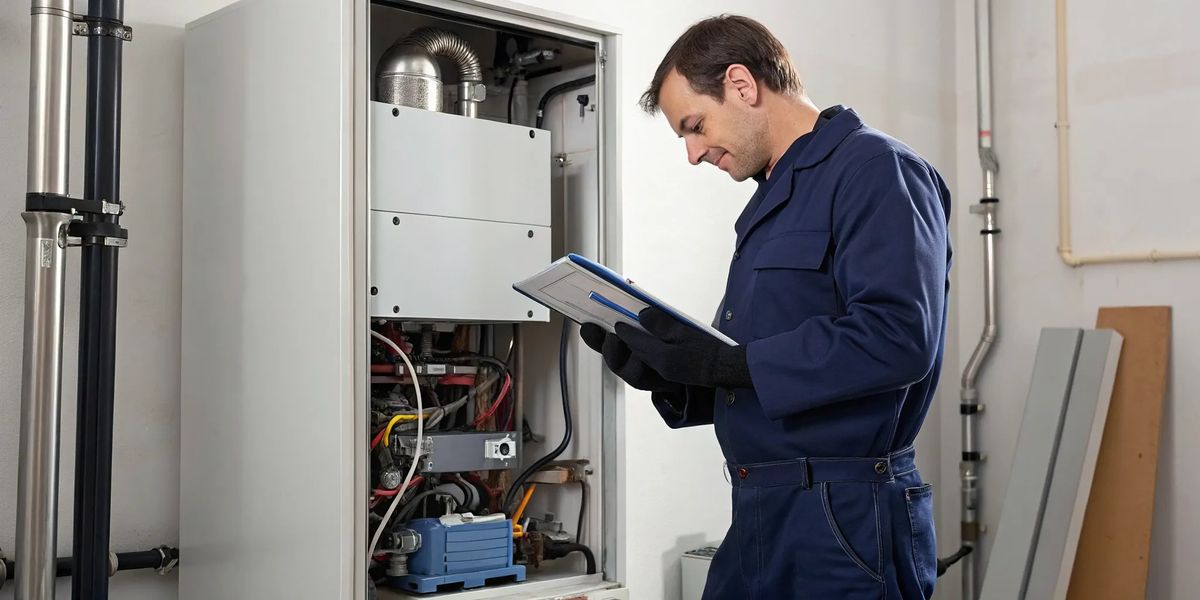
How Much Does It Cost to Fix a Furnace?
When your furnace breaks down, the big question isn't just about the repair, but whether it’s the right financial move. Pouring money into an old, inefficient system might not be the best long-term solution. The first step in making this crucial decision is understanding the immediate cost to fix a furnace. This guide will help you weigh your options clearly. We’ll explore the average costs for common repairs and then show you how to use that information to decide if a repair or a full replacement makes more sense for your home, your budget, and your future energy bills.
Key Takeaways
- Understand the key cost factors: Your final repair bill is shaped by the specific broken part, your furnace's age, and the urgency of the service call. A minor fix is much less expensive than replacing a major component like the blower motor.
- Use the 50% rule to guide your decision: When a repair costs half as much as a new furnace, it's usually time to consider a replacement, especially for older systems that need frequent repairs.
- Prevent expensive problems with regular care: The best way to keep repair costs down is through proactive maintenance. Simple actions like changing your filter and scheduling annual tune-ups can catch small issues before they turn into major breakdowns.
How Much Does It Cost to Fix a Furnace?
When your furnace stops working, one of the first questions that comes to mind is, "How much is this going to cost?" It’s a valid concern, and the answer isn't always straightforward. The final bill for a furnace repair can vary widely, depending on what’s actually wrong with the unit. A simple fix might only set you back a couple of hundred dollars, while a major component failure could be significantly more. The type of furnace you have, its age, and even the time of day you call for help all play a role in the total cost.
Understanding the potential expenses can help you feel more prepared and make informed decisions without the stress of the unknown. Think of it this way: knowing the difference between the cost of a minor sensor replacement and a full blower motor replacement gives you power. It helps you evaluate quotes and understand what you're paying for. Below, we’ll break down the typical expenses associated with furnace repairs, from average costs for common issues to the price difference between a standard service call and an emergency visit. This will give you a clearer picture of what to expect when you need to get your heat back on.
Understanding Average Repair Costs
On average, most homeowners can expect to pay around $300 for a furnace repair, but costs can range from as low as $130 to over $500 for common issues. The specific problem is the biggest factor. For example, replacing a faulty ignitor, which is a frequent repair, typically falls in the $150 to $300 range. However, if a major component like the blower motor or heat exchanger has failed, the cost can climb into the thousands. These parts are more complex and expensive, and the labor involved is more intensive. Getting a clear diagnosis from a professional is the first step to understanding your specific costs.
Emergency vs. Standard Service Call Pricing
The timing of your call can significantly impact the price. Most HVAC companies charge a standard service call fee, usually between $50 and $200, just to come to your home and diagnose the problem. This initial fee typically covers the technician's time and travel for the assessment, not the actual repair work. If your furnace gives out on a weekend, holiday, or in the middle of the night, you’ll likely face emergency service rates. These after-hours calls often come with a higher hourly rate, sometimes between $150 and $215 per hour. While it costs more, sometimes an emergency call is necessary to keep your home safe and warm.
Common Furnace Issues and What They Cost to Fix
When your furnace starts acting up, one of the first questions that comes to mind is, "How much is this going to cost?" It’s a valid concern, and knowing the potential price range for common issues can help you feel more prepared and less stressed. Furnace problems can range from a quick fix to a major replacement, and the final bill depends entirely on the specific part that needs attention and the labor involved. From a simple sensor replacement to a more complex motor issue, the costs can vary significantly.
Think of this as a guide to the most frequent furnace troubles we see here in the Bay Area. We’ll walk through what goes wrong, why it matters, and the typical cost to get things running smoothly again. Having this information on hand helps you understand what to expect when you schedule a furnace repair service and makes the process a little less mysterious. It empowers you to ask the right questions and feel confident in the solution, ensuring you get your home warm and comfortable again without any surprises.
Ignitor and Flame Sensor Repairs
If your furnace clicks on but the heat never kicks in, a faulty ignitor or flame sensor is often the culprit. The ignitor is the component that lights the gas, while the flame sensor confirms there’s a flame to prevent raw gas from pumping into your home. These are essential safety and operational parts. Because they work so hard each heating cycle, they can wear out over time. Replacing a flame sensor typically costs between $80 and $240, while a new ignitor can range from $150 to $300. It’s a common fix that gets your HVAC heating system back online safely.
Blower Motor and Fan Replacements
Do you feel weak or no airflow coming from your vents? The issue might be your blower motor. This powerful fan is responsible for pushing the warm air from your furnace through the ductwork and into every room of your house. When it fails, your home won't heat up properly, no matter how hard the furnace works. Replacing a blower motor is a more involved job, with costs generally falling between $400 and $1,500, depending on the type of motor your furnace uses. While it's a significant investment, a functioning blower is critical for both your comfort and your system's overall efficiency.
Thermostat and Control Board Fixes
Sometimes the problem isn’t with the furnace itself but with its brain. The thermostat and control board tell your system when to turn on, how hot to get, and when to shut off. If one of these components malfunctions, you might experience uneven heating, a furnace that won’t turn on, or a system that cycles constantly. A thermostat replacement can cost anywhere from $100 to $600, with smart thermostats on the higher end. If the main control board needs to be replaced, you can expect to pay between $300 and $650. These fixes restore proper communication and get your system running predictably again.
Heat Exchanger and Filter Issues
A cracked heat exchanger is one of the most serious furnace problems. This component separates the combustion gases from the air you breathe, so a crack could lead to a dangerous carbon monoxide leak. Due to the complexity and importance of this part, a replacement is costly, ranging from $1,000 to $3,000. On the other end of the spectrum is the furnace filter. A clogged filter can restrict airflow, reduce efficiency, and cause serious strain on your system. Thankfully, this is an easy and inexpensive fix. Filters cost between $10 and $90, and regular changes are a key part of any good maintenance plan to prevent bigger issues.
What Factors Influence Furnace Repair Costs?
When your furnace stops working, one of the first questions you probably have is, "How much is this going to set me back?" The answer isn't always straightforward because several key factors can affect the final bill. The cost isn't just about the problem itself; it's also tied to your specific system, the parts needed, and even when you call for help. Understanding these variables can help you get a clearer picture of what to expect and make a more informed decision about your home's heating. From the age of your unit to the complexity of the repair, let's break down what goes into the cost of getting your furnace back up and running.
Your Furnace's Age and Type
The age of your furnace is one of the biggest factors in determining repair costs. Furnaces typically have a lifespan of 15 to 30 years. If your unit is creeping past the 15-year mark, finding replacement parts can become more difficult and expensive. Plus, an older system might be a sign that a costly repair is just a temporary fix for a unit that’s on its way out. A significant repair bill for an aging furnace often means it's more economical to invest in a replacement. The type of furnace you have, whether it's gas, electric, or oil, also plays a role, as parts and repair procedures vary for each.
The Price of Parts and Labor
The specific component that has failed will heavily influence your final cost. A simple fix like replacing a flame sensor is relatively inexpensive, but a major part like a blower motor or a heat exchanger can cost hundreds or even thousands of dollars. The price of the part itself is just one piece of the puzzle. Labor costs, which cover the technician's time, expertise, and travel, make up a significant portion of the bill. Complex furnace repairs that require more time and skill to diagnose and fix will naturally come with a higher labor charge. At Ortiz, we always provide a clear, upfront estimate so you know exactly what to expect.
How Location and Season Affect Pricing
Where you live and when you need the repair can also impact the price. Labor rates often vary by region, and costs can be higher in metropolitan areas like the San Francisco Bay Area. The time of year matters, too. If your furnace breaks down during the first cold snap of winter, you might face longer wait times as demand for HVAC services spikes. Needing an emergency repair outside of regular business hours, like on a weekend or overnight, will also typically cost more. Planning for routine HVAC service calls during the off-season can often save you from paying a premium for urgent, last-minute fixes.
Repair or Replace? How to Make the Right Call
When your furnace breaks down, the first question is usually about the cost to fix it. But the second, more important question is whether a repair is the best use of your money. Deciding between a furnace repair and a full replacement can feel overwhelming, especially when you just want your heat back on. It’s a significant investment either way. The good news is that you don’t have to make this decision alone. A few practical guidelines can help you weigh the pros and cons and figure out the most sensible path forward for your home and your budget.
Applying the 50% Rule to Your Decision
A great starting point is the 50% rule. This simple guideline suggests that if a repair will cost half as much as a new furnace, it’s probably time to consider a replacement, especially if your unit is getting older. For example, if a new furnace installation costs $6,000, and you’re facing a $3,000 repair bill, investing that money in a brand-new, reliable system makes more financial sense in the long run. To apply this rule, you’ll need to get a quote for both the repair and a potential replacement. This gives you the concrete numbers you need to compare your options clearly.
Considering Age and Energy Efficiency
The age of your furnace is a major factor in this decision. Most furnaces have a lifespan of about 15 to 20 years. If yours is approaching that age, it’s living on borrowed time. Even if it’s still running, an older unit is likely far less efficient than modern models. Have you noticed your heating bills creeping up? That’s a classic sign of an aging system working harder to do the same job. Upgrading to a new, high-efficiency furnace can lower your monthly energy costs, and those savings can help offset the initial investment of a new installation.
When You're Facing Frequent Repairs
Are you on a first-name basis with your HVAC technician? While we love seeing our customers, needing frequent furnace repairs is a clear sign that your system is failing. One repair might be manageable, but when you start stacking up multiple service calls and repair bills over a short period, the costs add up quickly. Think of it this way: continually patching up an old furnace is like putting a band-aid on a bigger problem. Instead of pouring more money into a system that’s on its way out, it’s often wiser to put those funds toward a new, dependable furnace that comes with a warranty and peace of mind.
Warning Signs Your Furnace Needs Attention
Your furnace is one of those home systems you probably don’t think about until it stops working. But furnaces often give you subtle (and not-so-subtle) clues that something is wrong before they break down completely. Paying attention to these signs can help you catch problems early, saving you from a chilly surprise and a more expensive fix down the road. If you notice any of these red flags, it’s a good idea to schedule a professional inspection.
Strange Noises and Odors
You’re used to the gentle hum of your furnace kicking on, but what about new, unfamiliar sounds? Loud banging, popping, or rattling noises can point to a serious issue, like a problem with the ignitor or loose internal components. Squealing or whining sounds often suggest a problem with the blower motor or a belt. While a faint dusty smell is normal the first time you fire up the heat for the season, persistent odors are a cause for concern. A strong burning smell could mean the motor is overheating. Don't ignore these sensory warnings; they are your furnace’s way of asking for help. A quick HVAC service call can diagnose the issue.
Uneven Heating and High Energy Bills
Are you constantly adjusting the thermostat because some rooms are tropical while others feel like a walk-in freezer? Uneven heating is a classic sign that your furnace is struggling. It could be an issue with the furnace itself, or it might point to problems with your ductwork. Either way, your system isn't distributing air efficiently. This inefficiency often shows up on your utility bill. If you see a sudden, unexplained spike in your energy costs, your furnace is likely working overtime to keep your home warm. It’s burning more fuel to compensate for an internal problem, which is a clear signal that it needs professional HVAC heating attention.
Poor Air Quality and Constant Cycling
Your furnace doesn’t just heat your home; it also circulates the air. If you start noticing more dust settling on surfaces, or if your family’s allergies seem to be acting up more than usual, your furnace could be the culprit. It may be failing to filter the air properly, circulating dust, dander, and other irritants throughout your home. Another key sign is constant cycling, which is when the furnace turns on and off frequently without completing a full heating cycle. This not only puts extra wear and tear on the system but also fails to maintain a comfortable temperature. These issues can impact both your comfort and your home's indoor air quality.
How to Keep Furnace Repair Costs Down
No one likes an unexpected repair bill, especially for something as essential as your furnace. The good news is that you have more control over these costs than you might think. By taking a few proactive steps, you can keep your furnace running smoothly and avoid those budget-breaking emergency calls. It’s all about shifting from fixing things when they break to keeping them from breaking in the first place. Here are some simple, effective strategies to help you save money and stay warm.
The Value of Regular Maintenance and Filter Changes
Think of regular furnace maintenance as a check-up for your home’s heating system. Consistent care helps it perform its best and lets you avoid big repair bills by catching potential issues early. One of the easiest things you can do yourself is to change the furnace filter regularly. A clogged filter restricts airflow, forcing your system to work harder and wear out faster. This simple task protects your furnace from unnecessary strain and keeps your energy bills in check. Our team can handle the rest during a professional maintenance visit.
Catching Problems Early
Your furnace often gives you hints before it breaks down. Paying attention to early warning signs like strange noises or uneven heating can help you avoid a total system failure. If you find yourself calling for minor repairs frequently, it might signal a larger problem brewing beneath the surface. Addressing these small issues promptly is much more affordable than waiting for a catastrophic breakdown in the middle of a cold snap. Staying vigilant is one of the best ways to manage long-term repair costs.
Why Seasonal Tune-Ups Are a Smart Move
Scheduling a professional tune-up before the heating season is one of the smartest investments for your home. During an HVAC service call, a technician inspects, cleans, and tests all critical components. This process helps identify small problems, like a worn-out part, before they become major, expensive failures. A seasonal tune-up not only prevents unexpected breakdowns but also ensures your furnace operates at peak efficiency, saving you money on monthly energy bills. It’s a simple step that provides peace of mind all winter long.
What to Expect From a Furnace Repair Service Call
When your furnace stops working, calling for help is the first step. But what happens after you hang up the phone? Knowing what to expect from a professional service call can make the process feel much less stressful. A certified technician won’t just show up and start tinkering; they follow a methodical process to accurately identify the problem and provide a clear solution. From the initial diagnosis to getting the final quote, every step is designed to get your heat back on safely and efficiently.
The Diagnostic Process
The first thing a technician will do is perform a thorough diagnostic check. This isn't just a quick look; it's a detailed investigation to pinpoint the exact cause of the furnace failure. They’ll inspect the system’s components, check for error codes, and test electrical connections to understand what’s going wrong. This step is critical because the underlying issue determines the scope of the work and the final cost. A professional furnace repair involves finding the root of the problem, ensuring the fix is effective and long-lasting. Once the assessment is complete, the technician can explain the issue to you in plain terms.
The Timeline for Parts and Installation
After the diagnosis, the technician will walk you through their findings and provide a detailed estimate for the repair, including the cost of parts and labor. They’ll also give you a timeline for completing the job. For common issues, the technician may have the necessary parts in their truck and can finish the repair on the same day. If a specific part needs to be ordered, they will let you know the expected arrival date and schedule a follow-up appointment for the installation. A trustworthy professional will be transparent about timing and costs, so you can get a quote and make an informed decision without any pressure.
How to Choose the Right HVAC Technician
When your furnace stops working, the last thing you want is the added stress of finding a reliable technician. The person you let into your home to handle the repair is just as important as the fix itself. A great technician not only solves the immediate problem but also ensures your system runs safely and efficiently for years to come. Choosing the right professional means looking for someone with a proven track record, the proper credentials, and a commitment to transparent pricing. It’s about finding a partner you can trust with the comfort and safety of your home.
Think of it this way: you’re not just paying for a repair; you’re investing in peace of mind. A qualified professional will be able to accurately diagnose the issue, explain your options clearly, and perform the work correctly the first time. This is why it’s so important to do a little homework before you hire someone. Look for a company that is licensed, insured, and has deep roots in the community. Checking for positive customer reviews and certifications can tell you a lot about a company’s dedication to quality service. Taking these steps helps you avoid shoddy work, surprise fees, and the headache of dealing with the same problem again a few months down the road.
Key Questions to Ask Before You Hire
Before you commit to a service, it’s smart to have a few questions ready. This helps you gauge the technician's professionalism and expertise. Start by asking if they are licensed and insured. This is non-negotiable, as it protects you from any liability if an accident happens on your property. Next, inquire about their experience. How long has the company been in business, and do their technicians have specific training for your type of furnace? Don’t be shy about asking for a written, itemized estimate before any work begins. This ensures you understand exactly what you’re paying for and helps prevent surprise charges later. A trustworthy company will be happy to provide this information.
Why You Should Compare Estimates
It might seem like extra work when you’re cold and just want the heat back on, but getting at least two or three estimates is one of the smartest things you can do. Comparing quotes from different companies gives you a clear picture of the fair market rate for your specific repair. If one estimate is significantly higher or lower than the others, it’s a red flag. This process also allows you to compare diagnoses. One technician might recommend a simple part replacement, while another suggests a more complex solution. Getting a second opinion helps you make a more informed decision. When you're ready, you can get a free quote to see how a trusted local expert approaches the problem.
How to Budget for Furnace Repairs
Let's be honest, no one is ever thrilled to see a furnace repair bill. These costs often pop up when we least expect them, usually on the coldest day of the year. But a surprise expense doesn't have to become a financial crisis. With a bit of forward-thinking, you can prepare for potential repairs and handle them without the stress. The key is to have a plan in place before you ever need to make that service call, because when your home is freezing, the last thing you want to worry about is money.
Thinking ahead involves two simple but effective strategies: building a dedicated savings fund for home repairs and getting clear on what your furnace warranty actually covers. These steps can make a huge difference, turning a potential panic into a manageable task. When you do need help, knowing you have a financial cushion and understanding your coverage allows you to focus on getting the best possible HVAC repair service instead of worrying about the bill. It empowers you to make decisions based on what's best for your home and your system's longevity, not just the immediate cost. This preparation helps you stay in control of the situation and ensures you can confidently address any issues that arise.
Setting Up an Emergency Fund
A home emergency fund is your best defense against unexpected repair costs. Furnace repairs can add up, but smart budgeting helps keep them under control. The easiest way to start is by setting aside a little money each month specifically for home upkeep. Think of it as a small, regular investment in your peace of mind. Even $20 or $50 a month can build up over time, creating a buffer for when your furnace acts up. This proactive approach means you won't have to scramble when you need a repair. It also makes it easier to afford preventative furnace maintenance, which can stop many problems before they start.
Understanding Your Warranty Coverage
Before you call for a repair, take a few minutes to locate your furnace's warranty information. Knowing what’s covered can save you a lot of confusion. If your furnace is still under warranty, some parts might be replaced for free, but you'll almost always have to pay for the technician's labor. It's important to read the fine print, as some manufacturers require proof of annual maintenance to keep the warranty valid. Understanding these details helps you get a more accurate picture of the potential cost and ensures there are no surprises when you get the final invoice. For more details, you can often find warranty information on the manufacturer's website.
Related Articles
- Choosing Between HVAC Repair and Installation
- Signs Your Home's HVAC System Needs Repair
- Common Signs Your HVAC System Needs Repair and How to Address Them
- How Regular HVAC Maintenance Can Prevent Costly Repairs
- How Often Should You Replace Your Heating System?
Frequently Asked Questions
What does the initial service call fee actually cover? The service call fee covers the cost for a certified technician to travel to your home and perform a thorough diagnostic on your furnace. Think of it as paying for their time and expertise to accurately identify the root of the problem. This fee is for the assessment itself, not the actual repair work. Once they determine what’s wrong, they will provide a separate, detailed quote for the parts and labor needed to fix it.
Is it more expensive to repair an older furnace? It certainly can be. As furnaces age, replacement parts can become harder to find and more costly. Beyond the price of parts, you also have to consider if a major repair is a wise investment for a system that is nearing the end of its typical 15 to 20-year lifespan. Sometimes, putting that money toward a new, more efficient unit is the more sensible financial decision.
How can I know if I need a simple repair or a full replacement? A great guideline is to consider three things: the cost, the age, and the repair history. If a repair quote is about 50% of the cost of a new furnace, a replacement is often the better long-term investment. If your furnace is over 15 years old and experiencing issues, it’s also living on borrowed time. Finally, if you find yourself scheduling repairs every year, it’s a clear sign the system is failing and a replacement will likely save you money and stress.
Can I prevent most furnace repairs with regular maintenance? While you can't prevent every possible issue, regular professional maintenance is the single best thing you can do to avoid unexpected and expensive breakdowns. A seasonal tune-up allows a technician to clean the system, test components, and catch small problems before they turn into major failures. This proactive care keeps your furnace running efficiently and can significantly extend its lifespan, saving you a lot of money over time.
Why should I get multiple estimates for a major repair? Getting a few different professional opinions is a smart move, especially for a costly repair. It helps you confirm the diagnosis is correct and gives you a clear sense of the fair market price for the work. Comparing estimates allows you to see how different companies approach the problem and ensures you feel confident in your choice. It’s an important step in making an informed decision about your home’s heating system.