
Get the facts on the cost to install ductwork in old house, including key factors, options, and tips for planning your HVAC upgrade with confidence.
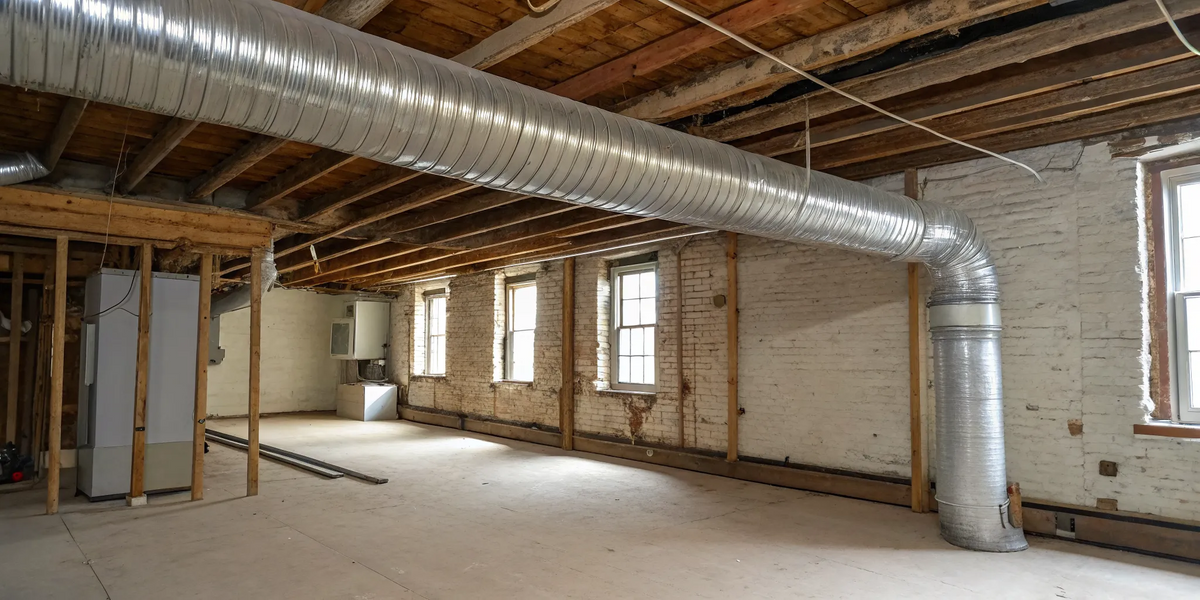
Cost to Install Ductwork in Old House: What to Expect
Living in an older home has its charm, but dealing with inconsistent temperatures and drafty rooms is not one of them. If you're tired of bundling up in one room while another is stuffy, you’ve probably considered upgrading to a modern HVAC system. That's when the big question hits: what is the cost to install ductwork in old house? It’s the main hurdle between you and whole-home comfort. This guide is here to help you clear it. We'll explore the factors that determine the price, from your home's layout to the condition of any existing ducts, helping you budget for this important home improvement project.
Key Takeaways
- Understand the cost and your options: Installing new ducts is a major project, but you have choices. If traditional ductwork is too invasive for your older home, consider less disruptive alternatives like ductless mini-splits or small-duct systems to get modern comfort without a major renovation.
- Know what influences the final price: The cost isn't just about materials; it's also about your home's size, layout, and any challenges like tight spaces or old materials. A professional assessment is crucial to get a clear budget and avoid surprises.
- Focus on the long-term benefits: Replacing old ductwork is more than a repair; it's an upgrade for your whole home. You'll gain better energy efficiency, cleaner indoor air, consistent room-to-room comfort, and a potential increase in your home's value.
How Much Does It Cost to Install Ductwork in an Old House?
Adding modern heating and air conditioning to a charming older home is a fantastic upgrade, but the thought of installing ductwork can feel daunting. The biggest question is usually about the price. While every project is unique, understanding the potential costs can help you plan. The total investment depends heavily on whether you’re starting from scratch or working with what you’ve already got. Let's walk through the numbers and options so you can make an informed decision for your home.
Understanding the Average Cost
Let's talk numbers. Generally, installing a new HVAC system in a home that already has ductwork can range from $6,000 to $14,000. If your home needs a complete ductwork system installed from scratch, that range jumps to between $9,000 and $21,000. The ductwork itself is a major factor in that price increase. Think of these figures as a starting point. The final cost will depend on your home's specific needs, size, and the complexity of the job. The best way to get a clear picture for your Bay Area home is to get a personalized estimate.
Starting from Scratch vs. Using Existing Ductwork
If your older home has never had central air, you’ll be starting from scratch. This is a bigger project because it involves designing a layout, cutting into walls or floors, and running all the new duct lines. As you might guess, this costs more in both labor and materials, often adding $3,000 to $7,000 to the total project cost compared to a home with existing ducts. While it's a significant investment, a professionally planned ductwork installation is the key to getting efficient, whole-home comfort. It’s about setting your home up for the next few decades.
Traditional Ducted Systems vs. Ductless Mini-Splits
What if tearing into walls for traditional ducts just isn't feasible or desirable? You have options. Ductless mini-split systems are a very popular solution for older homes. Instead of a network of ducts, these systems use a small outdoor unit connected to one or more indoor units mounted on the wall or ceiling. They are perfect for creating zoned heating and cooling, giving you control over individual rooms. A heat pump mini-split can be a great way to add modern comfort while preserving your home's original character, often with a lower upfront installation cost than a full traditional system.
A Small-Duct Option for Older Homes
There's also a great middle-ground solution: small-duct high-velocity (SDHV) systems. These systems use flexible, insulated tubing that is only a few inches in diameter, much smaller than traditional sheet metal ducts. Because of their small size, the ducts can be snaked through existing walls, ceilings, and floors with minimal disruption. This makes them an excellent choice for historic homes or any house with a complex layout where you want the even, quiet comfort of central air without major renovations. These specialized duct services offer a clever way to get the best of both worlds.
What Factors Affect the Cost of Ductwork Installation?
Pinpointing the exact cost of a ductwork installation isn't a one-size-fits-all answer. The final price tag depends on a unique set of variables specific to your home. From the square footage to the condition of your walls, several key factors will influence your total investment. Understanding these elements ahead of time will help you set a realistic budget and know what to expect when you get a quote.
Your Home's Size and Layout
The most straightforward factor is the size of your house. A larger home simply requires more materials and more time to install a complete duct system, which increases the cost. The layout also plays a significant role. A simple, open-plan home is easier to work with than a multi-story house with complex angles and numerous small rooms. Each twist and turn in the ductwork design adds to the complexity and labor involved. To get an accurate picture for your specific property, it’s always best to get a free estimate from a professional who can assess your layout in person.
The Condition of Existing Ductwork
If your home already has ducts, their condition is a major cost factor. Old ductwork can be a source of problems, including leaks, poor insulation, or contamination from dust and mold, all of which lead to higher energy bills and poor air quality. In many cases, it’s more cost-effective to replace aging ducts than to attempt repairs. A thorough inspection will determine if your current system is salvageable or if a full replacement is needed to improve your home's efficiency. Our team can assess your current setup and provide expert advice on our duct services.
Local Bay Area Labor Rates
Where you live matters. Labor rates for skilled technicians vary by region, and here in the San Francisco Bay Area, costs can be higher than the national average. This rate reflects the expertise required to do the job right, ensuring your system is efficient, safe, and up to code. While it might be tempting to find the cheapest option, quality workmanship from an experienced, local team prevents costly issues down the road. At Ortiz, we pride ourselves on providing transparent pricing and exceptional service to all the areas we serve throughout the Bay Area.
Accessibility and Structural Challenges
Older homes were not always built with central air in mind. This means our technicians often have to get creative to run new ductwork without disrupting your home's structure. Working in tight crawlspaces, navigating through dense plaster walls, or fitting ducts into shallow attics can add to the labor time and overall cost. Significant renovations might even be required to accommodate traditional ductwork. A professional HVAC installation team has the experience to handle these challenges while minimizing the impact on your living space.
Building Permits and Code Compliance
In California, installing or replacing an HVAC system is not a simple DIY project; it requires a building permit to ensure the work meets safety and energy efficiency standards. The cost of the permit itself will be factored into your total project price. Working with a certified and insured company is essential, as we handle the entire permitting process for you. This ensures your new ductwork is fully compliant with local codes, giving you peace of mind. Our Diamond Certified and BBB credentials show our commitment to professional, code-compliant work.
What Challenges Should You Expect in an Older Home?
Installing modern ductwork in an older home is rarely a straightforward project. These charming houses were built in a different era, long before central air conditioning was a household staple. As a result, you can run into a few unique hurdles that require careful planning and professional expertise. From finding space within lathe and plaster walls to dealing with outdated materials, the process is more complex than in a newer build. Understanding these potential challenges ahead of time helps you set realistic expectations for the timeline and budget of your project. It’s not about being discouraged, but about being prepared.
The good news is that it's absolutely possible to bring modern comfort to a classic home. It just takes a different strategy. Unlike new construction where ducts are installed before the drywall goes up, retrofitting requires a bit of detective work to find the best pathways for airflow. This might involve using smaller closets, attic spaces, or basements in creative ways. It also means having a team that respects the unique construction of your home and knows how to work around its quirks. With the right approach and a knowledgeable team, you can successfully integrate a modern comfort system without sacrificing the character and integrity of your home. We've helped countless Bay Area homeowners do just that, blending new technology with timeless architecture.
Working with Limited Space and Structural Constraints
One of the biggest puzzles in an older home is simply finding the space for ductwork. Unlike modern construction, these houses weren't designed with cavities in the walls or ceilings for ducts. Trying to fit traditional ductwork, which can be quite bulky, often means making significant structural changes. A skilled HVAC team has to get creative, finding pathways through closets, attics, and crawlspaces. This is where professional HVAC installation experience really pays off. We can assess your home’s unique layout to find the least invasive and most effective route for your new system.
Handling Asbestos and Outdated Materials
Homes built before the 1980s can contain hazardous materials like asbestos in insulation, flooring, or even old duct wrap. If your project requires disturbing these materials, you’ll need a certified professional to handle abatement safely. This is not a DIY job. Additionally, existing ductwork might be made of outdated, inefficient, or corroded materials. If you see visible damage or rust on your current ducts, it’s a clear sign they need to go. A thorough inspection is the first step in our duct services to ensure the project is handled safely and effectively from the start.
Managing Air Sealing and Moisture
Older homes are notoriously drafty, and aging ductwork only makes the problem worse. Leaky ducts pull in unconditioned, dusty air from attics and crawlspaces, which hurts your system's efficiency and your home's air quality. This leads to higher energy bills and rooms that never seem to get comfortable. Installing new, properly sealed ductwork is a fantastic opportunity to fix these issues. A professional installation focuses on creating an airtight system, which prevents energy loss, reduces strain on your HVAC unit, and helps you maintain better indoor air quality by keeping dust and allergens out.
The Hidden Cost of Wall and Ceiling Repairs
When you’re installing ductwork where none existed before, some demolition is usually unavoidable. Technicians may need to cut into walls and ceilings to run the ducts. While a professional team will always be as minimally invasive as possible, you should be prepared for some cosmetic repairs afterward. The cost to patch drywall or plaster, then sand and repaint, is not always included in the initial HVAC quote. It’s a good idea to clarify this upfront and budget for a painter or handyman to restore your walls once the ductwork is in. When you get a quote, we can walk you through exactly what to expect.
Preserving Your Home's Historic Character
Your home's historic charm is priceless, and the last thing you want is a modern update that looks clunky and out of place. Preserving original plasterwork, hardwood floors, and architectural details is a top priority. This is where thoughtful planning makes all the difference. Instead of large, obtrusive vents, a skilled team can use smaller, less conspicuous options that blend into your home’s aesthetic. For many historic homes, small-duct systems are an excellent solution that provides efficient heating and cooling without compromising the integrity of the structure. It takes a team with deep local experience to find that perfect balance between modern comfort and historic preservation.
Should You Repair or Replace Your Ductwork?
Deciding whether to patch up your existing ducts or invest in a full replacement is a big question for any homeowner, especially in an older house. The right choice depends on the age of your system, the extent of the damage, and your long-term goals for comfort and efficiency. Making an informed decision can save you from future headaches and high energy bills. Let's walk through the key factors to help you figure out the best path forward for your home.
Signs It's Time for a Full Replacement
Sometimes, your home gives you clear signals that your ductwork is past its prime. If some rooms are freezing while others are stuffy, it’s a classic sign of a duct problem. You might also notice a sudden, unexplained spike in your energy bills, which often points to leaky or disconnected ducts forcing your HVAC system to work overtime. Take a look at any visible ductwork in your attic, crawlspace, or basement. If you see significant rust, corrosion, or large tears and holes, it’s a strong indicator that a simple repair won't be enough. These issues not only waste energy but can also introduce dust and allergens into your home, affecting your indoor air quality.
When Repairs Make More Sense
A full replacement isn't always the answer. If your ductwork is relatively new (less than 15 years old) and in generally good shape, repairs are often the more practical and cost-effective solution. Small leaks, minor insulation issues, or a single disconnected joint can usually be fixed without overhauling the entire system. A professional can perform targeted duct repairs to seal leaks and re-insulate specific areas, which can significantly improve your system's efficiency. Regular maintenance and sealing can extend the life of your existing ducts, keeping your home comfortable and your energy bills in check without the expense of a complete replacement.
How Age and Condition Affect the Decision
The age of your ductwork is a critical factor in the repair-versus-replace debate. As a general rule, if your ducts are more than 20 years old, you should start thinking about replacement. Over time, the materials can degrade, seals can fail, and insulation can become less effective. Ductwork in older homes may also be poorly designed or undersized for modern, high-efficiency HVAC systems. Even if they look okay on the surface, old ducts can be a source of inefficiency and poor air quality. Investing in a new, properly sized, and well-sealed duct system can be a smart move for long-term performance and savings.
Why a Professional Assessment Saves You Money
Trying to diagnose ductwork issues on your own can be tricky. What looks like a small problem could be a symptom of a larger issue, and vice versa. This is where a professional assessment is invaluable. An experienced technician can thoroughly inspect your entire system, using specialized tools to identify leaks, blockages, and insulation gaps you can't see. They can accurately determine the overall condition of your duct services and give you a clear recommendation based on their findings. This expert evaluation helps you avoid spending money on repairs that won't last or replacing ducts that still have years of life left. Getting it right the first time saves you money and ensures your home stays comfortable for years to come.
What Are the Long-Term Benefits of New Ductwork?
Installing new ductwork in an older home is a significant undertaking, but it's an investment that pays off for years to come. Beyond just the immediate fix, you’re setting your home up for better efficiency, health, and comfort. Think of it less as a repair cost and more as a long-term upgrade to your home’s core systems. When you replace old, failing ducts, you’re not just patching a problem; you’re improving your entire living environment from the inside out.
Lower Your Energy Bills
Have you noticed your energy bills creeping up without any real change in your habits? Your old ductwork could be the culprit. Over time, ducts can develop leaks, cracks, or disconnections, allowing the conditioned air you’re paying for to escape into walls, attics, or crawl spaces. This forces your HVAC system to work much harder to heat or cool your home, wasting energy and driving up costs. New, properly sealed duct services ensure that air travels directly from your HVAC unit to your rooms, making your system more efficient and giving your wallet a break.
Improve Your Indoor Air Quality
What’s hiding in your old ducts? Decades-old ductwork can be a reservoir for dust, pollen, mold, and other allergens. Every time your system kicks on, these particles get circulated throughout your home, which can be a major issue for anyone with allergies or respiratory concerns. Replacing your ducts gets rid of this hidden source of contamination. Starting fresh with a clean, sealed system is one of the most effective ways to improve your home’s indoor air quality and help your family breathe easier.
Enjoy Consistent Comfort
If you’re living with hot and cold spots, you know how frustrating it can be. Maybe the living room is perfectly comfortable, but the bedroom at the end of the hall is always chilly. This is a classic sign of poor airflow from damaged or poorly designed ductwork. New ductwork, designed and installed correctly for your home’s specific layout, eliminates these inconsistencies. It ensures balanced airflow to every room, so you can enjoy consistent, reliable comfort no matter where you are in the house. A professional installation makes all the difference.
Increase Your Home's Value
While the immediate benefits of comfort and lower bills are fantastic, new ductwork also adds to your home's long-term value. An efficient, modern HVAC system is a major selling point for potential buyers. It signals that the home has been well-maintained and saves them from facing a costly replacement down the line. Knowing the home has clean air and consistent temperatures provides peace of mind that buyers are willing to value. It’s an upgrade that not only improves your quality of life now but also makes your home more attractive on the market later.
Related Articles
- Why Do Your Ducts Need To Be Cleaned?
- Key Factors to Consider When Installing a Ductless HVAC System
- Our Duct Services - Call Today
- Poor-Quality HVAC Installs Are Costing Us. A Solution Is Within Reach.
- Choosing Between HVAC Repair and Installation
Frequently Asked Questions
Why is there such a wide price range for ductwork installation? The final cost really comes down to the unique details of your home. The biggest variable is whether we are installing a full system from scratch or working with existing ductwork. Beyond that, the price is influenced by your home's square footage, its layout, and how easy it is to access the spaces where ducts need to run, like attics and crawlspaces. A multi-story home with a complex floor plan will naturally require more labor and materials than a simple, single-level house.
Are there good alternatives if traditional ducts won't fit in my old house? Absolutely. If cutting into walls and ceilings for bulky traditional ducts isn't practical, you have excellent options. Ductless mini-split systems are a popular choice, providing zoned heating and cooling through small, wall-mounted units. Another great solution is a small-duct high-velocity system, which uses narrow, flexible tubes that can be threaded through existing walls and ceilings with very little disruption, preserving your home's original structure and character.
My ducts are over 20 years old but seem to work okay. Should I still consider replacing them? Even if your system seems to be functioning, ducts that old are likely costing you money and affecting your air quality. Over two decades, seals can degrade and create leaks, forcing your HVAC system to work harder and driving up your energy bills. These leaks can also pull dust, allergens, and moisture from your attic or crawlspace into the air you breathe. Replacing them is an investment in your home's efficiency and your family's health.
Will installing new ducts damage my walls and ceilings? When retrofitting ductwork, some cutting into walls or ceilings is often necessary to run the new lines. A professional team will always plan the least invasive route possible to minimize the impact on your home. However, you should prepare for some minor cosmetic work afterward. It's a good idea to budget for patching and painting any affected areas to get your walls looking perfect again once the installation is complete.
Is new ductwork really worth the investment beyond just comfort? Yes, the benefits go far beyond just feeling more comfortable. A new, properly sealed duct system can significantly lower your monthly energy bills because you're no longer losing heated or cooled air through leaks. You'll also see a major improvement in your indoor air quality, as new ducts eliminate the dust, mold, and allergens that accumulate in old systems. It's an upgrade that adds to your home's value while making it healthier and more efficient.