
Thinking about replacing a HVAC system? Get a step-by-step guide to recognizing the signs, choosing the right unit, understanding costs, and what to expect during installation in the Bay Area.
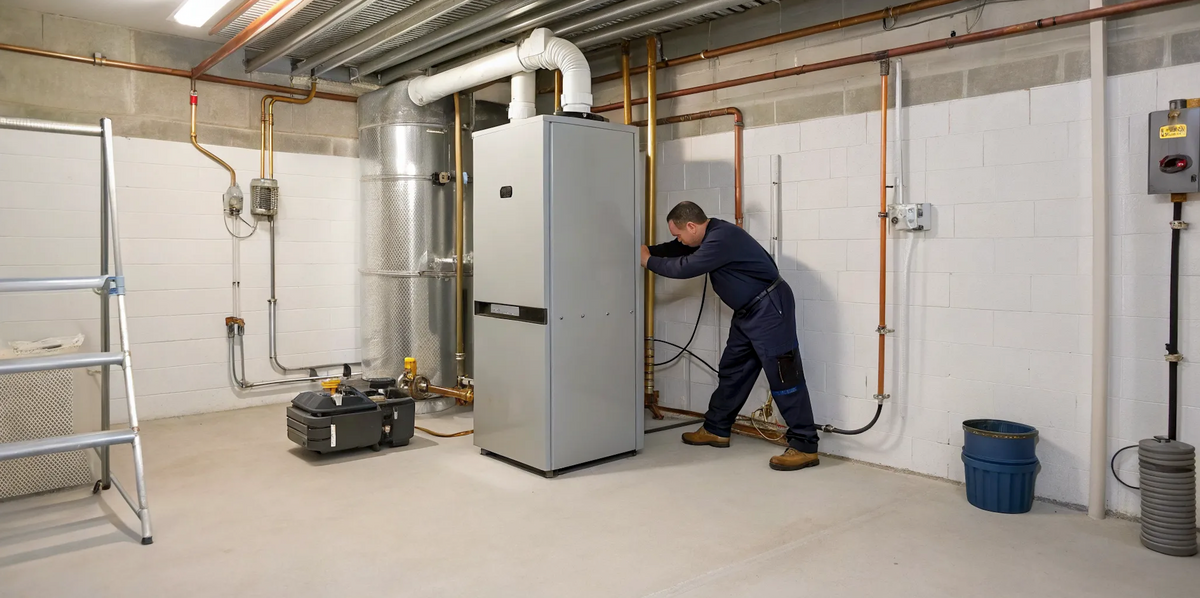
Replacing a HVAC System: Your Step-by-Step Guide
Replacing a HVAC system is one of the bigger decisions you'll make as a homeowner. This guide walks you through every stage, from recognizing the signs that your current system is done to getting the new one up and running.
Is It Actually Time to Replace?
Most central AC and furnace units last between 15 and 20 years. A good rule of thumb is the 50% rule: if a repair will cost 50% or more of what a new system would cost, replacement is almost always the smarter financial move. Clear signs it's time to replace: your system needs a major repair and is over 10 years old, your energy bills keep rising with no explanation, the system runs constantly but never reaches your set temperature, you're getting inconsistent temperatures room to room, you've repaired the same component more than twice in two years, or the unit uses R-22 refrigerant which is no longer manufactured. If you're seeing three or more of these, a full replacement is likely your most cost-effective path. Get a free estimate here.
Your Replacement Options
Central split systems are the most common in Bay Area homes — an outdoor condenser paired with an indoor air handler connected by ductwork. If your ducts are in good condition, this is typically the most straightforward replacement. Heat pumps handle both heating and cooling from a single unit and are increasingly popular in the Bay Area thanks to California's mild winters and available rebates — learn more on our heat pump services page. Ductless mini-splits are ideal when your home has no existing ductwork or you're conditioning an addition or garage conversion. Hybrid dual-fuel systems pair an electric heat pump with a gas furnace backup, automatically switching to whichever is more efficient — good for homeowners who want to reduce gas use without eliminating it.
Choosing the Right Size
Sizing is the most commonly botched part of an HVAC replacement. A unit too large will short-cycle and never fully dehumidify. A unit too small will run constantly without catching up. Proper sizing requires a Manual J load calculation accounting for square footage, ceiling height, insulation, windows, and local climate. Do not accept a quote from any contractor who skips this calculation.
What SEER Rating Do You Need?
SEER measures cooling efficiency — higher means less electricity for the same cooling output. California requires a minimum SEER2 rating of 15 on all new systems as of 2023. Units in the 18–22 SEER range cost more upfront but lower monthly bills significantly, especially in warmer inland Bay Area cities like Concord, Livermore, and Walnut Creek. For furnaces, look at AFUE — a 96% AFUE furnace converts 96 cents of every gas dollar into heat, a meaningful upgrade from an older 80% unit.
What Does It Cost in the Bay Area?
Realistic installed price ranges: central AC replacement $4,500–$8,500 | gas furnace replacement $3,500–$7,000 | full AC + furnace together $8,000–$16,000 | heat pump installation $10,000–$18,000 | ductless mini-split single zone $3,500–$7,000. These include equipment and labor but not ductwork repairs. Bay Area homeowners may also qualify for federal tax credits under the Inflation Reduction Act (up to 30%, capped at $2,000 for heat pumps) plus BayREN and PG&E rebates. Ask about these when you get your quote.
What to Expect During the Replacement
Assessment: A technician visits, inspects your home and existing ductwork, and calculates proper equipment size — this visit is free at Ortiz. Equipment selection: You receive options at different price and efficiency points — a reputable contractor never pushes a single product. Permitting: Most California HVAC replacements require a permit; your contractor pulls it — if they suggest skipping it, walk away. Installation day: A standard split system takes 4–8 hours; the crew removes old equipment, installs the new units, connects refrigerant lines, and walks you through the thermostat. Post-installation inspection: A city or county inspector verifies the work meets code — do not skip this. First-year maintenance: Schedule a professional tune-up 6–12 months after installation to keep your manufacturer warranty valid — our maintenance plans make this easy.
Frequently Asked Questions
How long does a new HVAC system last? With proper annual maintenance, 15–20 years. Heat pumps often land at the lower end since they run year-round for both heating and cooling.
Can I replace just the AC and keep my old furnace? Sometimes, but compatibility matters. Pairing new equipment with a mismatched furnace can reduce efficiency and void warranties — a technician needs to assess this before recommending a partial replacement.
Should I replace both AC and furnace at the same time? If they're close in age, yes. It saves on labor, ensures matched equipment, and avoids replacing one only to have the other fail the following year.
What warranty should I expect? Most manufacturers offer 10-year parts warranties when equipment is registered within 60 days of installation. Ask specifically about both parts and labor coverage before signing any contract.
Do I need to replace my ductwork too? Not always. Ducts in good condition can support a new system. But if your ducts are original to a home more than 25 years old, have them inspected — leaky ducts can reduce a new system's efficiency by 20–30%. Our duct services team can assess this as part of your replacement quote.